







Introduction:Delve into two classic Ethiopian coffee regions — Yirgacheffe and Sidamo — and explore how different processing methods shape their unique flavor profiles. This article examines the bright citrus notes of washed Yirgacheffe and the berry-cream complexity of natural Sidamo Huagu, while also detailing the historical evolution, naming origins, and optimal V60 pour-over parameters and techniques for Huagu coffee. It’s designed to help coffee enthusiasts master brewing essentials and savor authentic Ethiopian specialty coffee.
Ethiopia is hailed as the birthplace of coffee and boasts numerous iconic coffee-growing regions. Among them, Yirgacheffe is beloved by global specialty coffee lovers for its delicate floral aromas and refreshing citrus and lemon notes achieved through washed processing. Meanwhile, Sidamo is renowned for its diverse natural processing methods, especially its rich fusion of berries and cream that often delivers a surprising experience to newcomers. This article takes you on a journey to uncover the unique charm of these two regions, focusing on the star product from Sidamo’s rare Hambella sub-region — Huagu coffee. From its glory as the 2017 TOH Natural Category Champion to the latest developments in Huagu 6.0, we’ll explore its naming evolution, flavor characteristics, and pour-over recommendations.
Ethiopia is not only the cradle of coffee but also an essential soul of the global specialty coffee market. Many first-time tasters of specialty coffee are often left with a profound impression of Ethiopian beans, whose bright acidity and layered citrus and berry profiles serve as an entry point for many into the world of specialty coffee. It has been observed that when beginners are choosing their first specialty coffee, they often ask which regions or flavor profiles are more approachable — and washed Yirgacheffe and natural Sidamo are usually the top recommendations. The former showcases garden-like floral notes along with fresh citrus and lemon, while the latter offers a rich blend of berries and soft cream, making them two indispensable flavor types for building one’s coffee preferences.
Coffee beans from the Yirgacheffe region mostly undergo traditional washed processing. Through meticulous depulping, fermentation, and clean water washing, the unique flavor profile inherent to the region is more clearly revealed. This method gives Yirgacheffe beans a distinctive bright acidity, delicate floral notes, and clearly identifiable citrus and bergamot-like fruitiness, resulting in a clean and well-layered cup. “Yirgacheffe” was originally a small area within the larger Sidamo region, but due to its growing reputation — and the fact that many non-local farmers also labeled their beans as Yirgacheffe — the area was eventually officially designated as a standalone region to ensure consistent quality and flavor.
Sidamo is also a major coffee-producing region in Ethiopia, with its Guji sub-region earning frequent international acclaim. One brand’s coffee menu once featured a washed coffee bean from Sidamo Guji, which won the washed category championship at the 2020 TOH Green Coffee Competition. However, when it comes to Sidamo’s most iconic natural coffee, none can rival Huagu. Huagu coffee hails from the Hambella sub-region of Sidamo, where altitude conditions and microclimates create its unique potential for berry and floral notes. But why is this coffee named “Huagu”? There’s actually an interesting story behind it.
In 2017, African DW Company submitted a lot of natural coffee from the Hambella region to the TOH Green Coffee Competition that year, which went on to win the natural category championship. Subsequently, these beans were introduced to China by Beijing-based green coffee importer Hongshun. The strawberry-cream-like sweet flavors they exhibited amazed the industry, leading to the belief that they had the potential to become the next “Geisha”-level specialty coffee. Since “Huagu” in Chinese carries the meaning of “the foremost among flowers,” these Hambella natural beans — from the same champion lot as the 2017 TOH Natural Winner — were given the promising Chinese name “Huagu.” In the same year, during the World Brewers Cup China Championship, competitor Li Jianfei used the same Huagu beans to stand out among numerous Geisha contenders, securing second place and further boosting Huagu’s fame.
The popularity of Huagu coffee has continued to soar in recent years, especially when Luckin Coffee launched Huagu 5.0 SOE coffee in 2022, sparking widespread discussion and putting “Huagu” in the industry spotlight. It’s worth noting that the Huagu coffee referred to in the market must come from the Buku Abel washing station and be a natural bean from the Hambella sub-region to meet the orthodox definition. Additionally, the Huagu series follows a naming format of “Huagu X.0,” incrementing yearly — for example, 2020 was Huagu 4.0, 2021 was Huagu 5.0, and by that logic, the new 2022 harvest should have been Huagu 6.0. Nevertheless, before that, many Huagu enthusiasts could still experience its captivating flavors through Huagu 5.0 and Mini Huagu coffee.
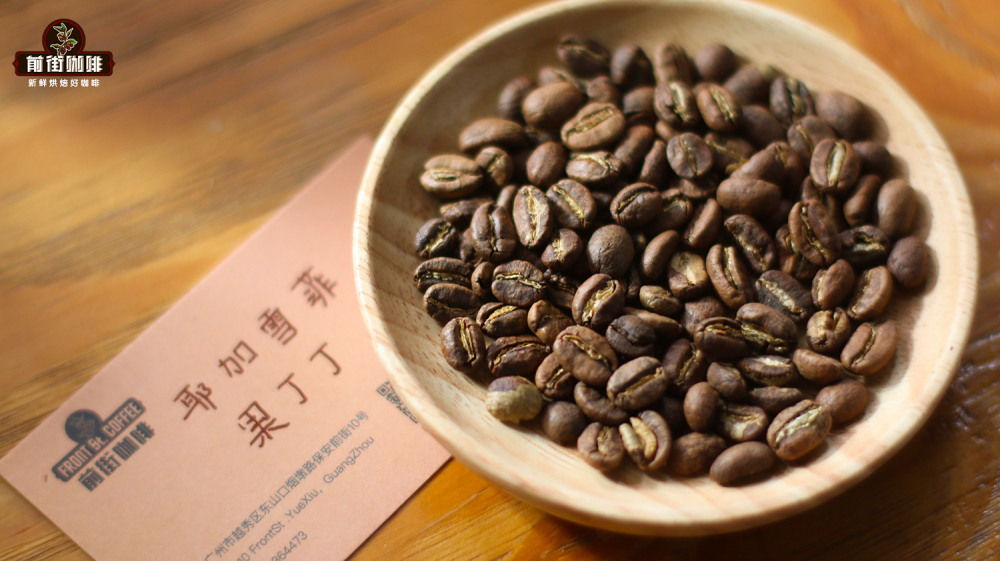
Over the past few years, a certain brand has observed that some of Huagu coffee’s aroma characteristics stem from the notable proportion of small-sized coffee beans in the lot. By 2020, the DW Company processing station even began processing these small beans separately, so “Mini Huagu” beans do not belong to the “Huagu X.0” series but stand alone. Comparing Mini Huagu with Huagu 5.0 reveals that the former has a higher ratio of small beans, exhibiting more intense strawberry aromas and berry sweetness in cupping, with aftertastes closer to the 2017 champion batch. In contrast, Huagu 5.0 presents a more subtle Guji-region floral character, with brighter and livelier berry acidity.
Moving into 2024, the Huagu series welcomes its eighth-generation release — Huagu 8.0, continuing its established naming convention and characterized by even more refined fruity tones and caramel aromas. To fully showcase the delicate fruitiness and gentle sweetness unique to the Sidamo region, one roaster opted for a medium-light roast to preserve the original flavor layers of the beans. The flavor profile of this Huagu 8.0 includes: floral notes, jackfruit, preserved fruits, apricot, accompanied by a rich juiciness, making it ideal for coffee lovers who enjoy pronounced fruitiness with balanced acidity and sweetness.
For brewing, it’s recommended to use stable and conservative parameters to highlight the bright acidity and complex layers of Ethiopian coffee beans. Since Huagu beans are typically medium-light roasted, it’s advised to use a Hario V60 dripper with good flow performance, paired with a water temperature of 91°C and a medium-fine grind (approximately 80% passing through a Chinese standard No. 20 sieve). Specific pour-over suggestions are as follows: 15 grams of coffee, a 1:15 coffee-to-water ratio, using a three-pour method — start with 30 grams of hot water for a 30-second bloom, then slowly circle with a small stream from the center out to 125 grams, and when the water level is about to expose the coffee bed, continue pouring in circles up to 225 grams. The total brew time is around 2 minutes. This approach fully brings out Huagu’s floral and fruity aromas along with its rich mouthfeel. Whether it’s Huagu 5.0 or Mini Huagu, each can showcase its unique berry sweetness and bright acidity.
[Mini Huagu] Strawberry, cream, passion fruit, honey
[Huagu 5.0] Floral, berries, citrus, mango, honey
The above content is compiled by CoffeeHunters, a coffee news website.


