







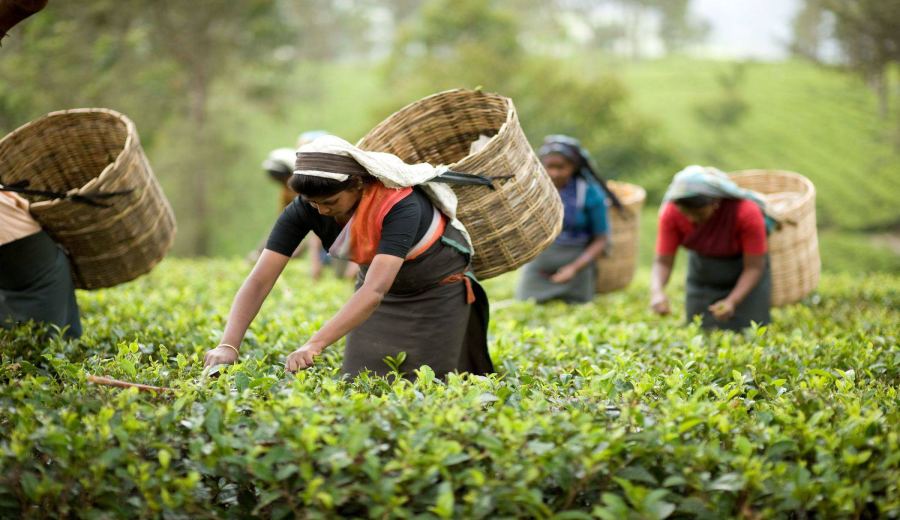
Introduction:The two major high-altitude black tea producing regions in the eastern Himalayas—Nepal and Darjeeling—share exceptionally favorable geographical conditions, yet have taken vastly different developmental paths. This article delves into their regional histories, current situations, and flavor profiles to uncover what makes these two highly regarded specialty teas unique, helping you make more informed choices when purchasing or tasting.
When it comes to black teas born in the foothills of the Himalayas, Darjeeling is undoubtedly the most well-known representative, often hailed as the “Champagne of Teas.” However, few people know that about 150 miles east of Darjeeling, in eastern Nepal, an emerging and promising tea-producing region is gradually making its mark. This area also boasts high altitudes, rugged mountain terrain, and young tea plantations, but has avoided the constraints of the colonial-era plantation system. Here, a group of idealistic farmers and tea makers have forged a radically different path. What are the differences between Nepalese and Darjeeling black teas? How do their flavor profiles stand out? Below, we will explore this niche specialty tea region undergoing a “quiet revolution” through three key lenses: historical background, industry context, and sensory characteristics.
The origins of it all trace back to 1848, when the British East India Company commissioned botanist Robert Fortune on a secret mission—to bypass the Qing Dynasty’s ban and smuggle native Chinese tea plants to the Himalayan foothills of West Bengal, India, in an attempt to establish its own tea industry within British territory. This arduous “botanical migration” took years, with the tea plants struggling to adapt to the foreign soil at nearly 6,000 feet above sea level. By the end of the 19th century, the tea gardens of Darjeeling finally succeeded in producing teas with distinctive flavors—brews that exuded the fresh aromas of meadow flowers and mountain fruits, forming a striking contrast to the bold and heavy profiles of Indian lowland teas. Since then, Darjeeling has earned its reputation as the “Champagne of Teas,” a prestige that has endured long after the end of British colonial rule.
But today, Darjeeling faces numerous challenges. Over a century of traditional plantation models has led to severe depletion of soil nutrients. While transitioning to organic cultivation aligns with modern consumer trends, it comes with prohibitively high production costs. Moreover, the refined tea-making techniques once considered prestigious under the colonial system hold far less appeal for younger generations. Compounding these issues, longstanding disputes with labor unions frequently lead to production halts due to strikes, resulting in dramatic fluctuations in output.
In contrast, Nepal, just a few hours’ drive away, is quietly undergoing a “quiet revolution” within its tea community. Local growers have chosen to cultivate tea on steep, high-altitude slopes similar to those that helped make Darjeeling famous. These ambitious farmers and factory owners, unburdened by the legacy of colonial history, are nurturing younger tea varietals in relatively fertile soils and gradually shaping Nepal’s unique tea identity with minimal input costs.
Although Nepalese teas are rarely found in international chains like Starbucks, they are steadily gaining recognition and praise in specialty tea shops and online platforms across North America and Europe. These sales channels particularly favor emerging regions offering both rarity and distinct terroir.
“Nepal and Darjeeling are geographically close, but the advantage of Nepalese tea lies in its inherent charm,” shares Jennie Dodd, a 48-year-old American tea retailer consultant who has lived in Kathmandu for many years and has deep experience with Nepalese tea. “The taste is smooth and silky, with no astringency or roughness that catches the tongue. The flavors are rich yet very approachable, making it ideal for tea drinkers new to high-altitude black teas.”
Historical records indicate that as early as 1863, Emperor Daoguang of the Qing Dynasty gifted tea plants as a national tribute to then-Nepalese Prime Minister Jung Bahadur Rana. Not long after the rise of Darjeeling tea gardens, the Ilam region of Nepal near the Indian border also began developing tea cultivation. Yet for a long time, most of Nepal’s tea production consisted of low-grade broken leaf black tea, primarily for domestic consumption or export to India’s commodity markets. Higher-quality whole-leaf “orthodox tea” was often sold to Indian merchants, who would repackage and sell it as Darjeeling tea. In fact, it is estimated that the total volume of Darjeeling tea currently on the market may exceed four times the legal maximum yield within the region’s protected appellation boundaries.
In 2000, brothers Bachan Gyawali and Lochan Gyawali established Jun Chiyabari Tea Estate in the Dhankuta district of eastern Nepal. From the outset, they were determined not to replicate the established model of the Darjeeling tea gardens just 150 miles away.
“Nepal has long been seen as Darjeeling’s ‘poor cousin,’” admits Bachan, 57. “Whenever we speak with international buyers, they often feel there’s no need to specifically seek out Nepalese tea because Darjeeling’s reputation is already so deeply entrenched.”
Traditional methods and market expectations have led Darjeeling tea to develop a standardized production process, with its “Flush” styles being the most renowned: the tender spring buds harvested early in the season are crafted into the delicate, pine-aromatic First Flush; while the riper leaves picked later in spring are made into the fruit-forward Second Flush. Jun Chiyabari Tea Estate not only delivers alpine brightness and vibrant floral notes rivaling Darjeeling’s First Flush, but under the guidance of its founders, has also developed a range of small-batch artisan teas inspired by Chinese and Taiwanese tea cultures—including black, white, and oolong varieties.
Encouraged by the Gyawali brothers, the estate’s tea makers are empowered to experiment boldly with innovative techniques and sell their finished products directly to international wholesalers—note that Nepalese tea is currently legally prohibited from entering India’s auction markets. As a result, each seasonal release from Jun Chiyabari showcases astonishing complexity, with flavors continuing to evolve even after more than ten infusions, leaving lingering aftertastes that persist for hours and delivering an extraordinary sensory experience for tea drinkers.
The above content is compiled by CoffeeHunters, a coffee news website.


