







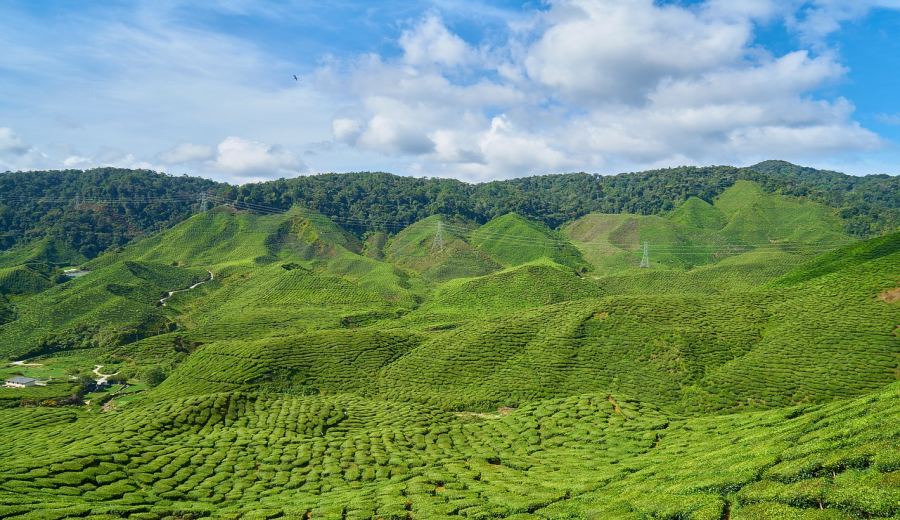
Introduction:The Indian government recently relaxed restrictions on tea cultivation, sparking industry concerns over quality control and supply-demand imbalances. This article delves into the background of the policy shift, compares key differences between Indian and Chinese black teas, and offers expert purchasing advice to help coffee enthusiasts and tea consumers stay abreast of the latest market trends.
India’s Ministry of Commerce and Industry announced in September the removal of regional and producer qualification restrictions on tea cultivation, followed by the Tea Board of India suspending seven core provisions of the 1953 Tea Act. While this policy change is expected to expand production regions, industry players worry it may lead to quality decline and overproduction. Currently, organized tea gardens in India account for less than half of the nation’s total output, yet their selling prices are significantly higher than those of raw materials sourced directly from smallholder farmers.
Prabhat Bezboruah, Chairman of the Tea Board, noted that certain clauses of the old regulations hindered new entrants, and the relaxation is anticipated to attract investment to previously restricted areas such as Bihar and Mizoram. However, Raha, Secretary-General of the Indian Tea Association, told The Times of India that excessive expansion could disrupt market supply-demand equilibrium. Years of unchecked growth have already caused price volatility, and this move may exacerbate the issue.
In Assam, the new rules exempt landless smallholders from cultivation permit restrictions. Most of these small farmers cultivate land left over from dissolved large plantations but have long operated illegally due to lack of property rights documentation and financial means to lease land. In 2020, such smallholders contributed 52% of India’s total tea output, primarily producing CTC black tea, though there has been a recent shift toward specialty tea. With the policy relaxation, these tea farmers have finally been legalized.
To boost exports, Indian Commerce Minister Anupriya Patel announced an allocation of ₹980 crore (approximately $13 million) specifically for promoting tea exports from the northeastern region. The Agriculture Ministry’s five-year tea development plan further invests ₹9,670 crore in subsidies for growers, including ₹298 billion for ongoing projects and ₹100 billion in special support for women and child workers in Assam and West Bengal.
In 2021, India’s tea production saw a significant rebound, reaching 792 million kilograms in the first eight months, an 18% year-on-year increase. The country’s approximately 210,000 tea farmers manage over 1.6 million acres (636,557 hectares) of tea gardens. Bezboruah emphasized that the Tea Board is transforming into a specialized agency focused on strengthening marketing and promotion efforts.
In terms of quality differences, Indian black tea is known for its bold and robust profile, with iconic examples like Darjeeling first flush exhibiting distinct floral and fruity notes, while Assam is celebrated for its malty sweetness and strong body. In contrast, Chinese black teas such as Lapsang Souchong feature smoky aromas, and Keemun showcases unique floral, fruity, and honey undertones, with an overall flavor profile that is more delicate and nuanced. For those who prefer intense flavors, Indian Darjeeling second flush or Assam broken leaf black tea are recommended, while those seeking layered complexity may enjoy Chinese Gongfu black tea.
Regarding brewing parameters, Indian black tea is best prepared with water at 90–95°C, using a tea-to-water ratio of 1:15 and steeping for 3–5 minutes. Chinese black tea can be brewed with slightly cooler water at 85–90°C, with steeping time extended to 4–6 minutes to fully release its flavors. Avoid over-extraction that leads to bitterness, and it’s advisable to perform a quick first infusion to test the taste.
The above content is compiled by CoffeeHunters, a coffee news website.


