







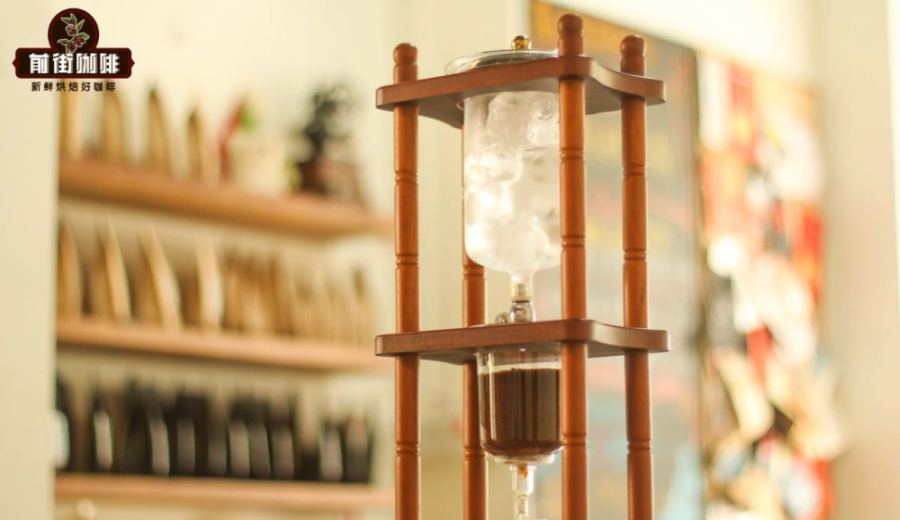
Introduction:Both cold drip and cold brew are representatives of low-temperature coffee extraction methods, but they differ significantly in brewing techniques, extraction time, and final flavor profiles. This article delves into the historical background, extraction principles, and operational details of both methods. Using lightly roasted Ethiopian Santa Vini beans as an example, it provides a practical comparison of the flavor profiles and taste differences between the two coffees, helping you choose the one that best suits your personal taste preferences.
Although cold drip and cold brew both fall under the category of low-temperature extraction techniques, their distinct production processes allow the same coffee beans to yield vastly different flavor directions. Cold drip involves slowly dripping ice water through a bed of coffee grounds, taking several hours to extract the coffee liquid drop by drop; cold brew, on the other hand, mixes coarsely ground coffee with room temperature or cold water and allows it to steep in the refrigerator for an extended period. To gain a deeper understanding of their differences—from extraction principles to actual flavor profiles—read on for a comprehensive explanation.
Cold Drip Coffee: The Pinnacle of Drip-Filtered Low-Temperature Extraction
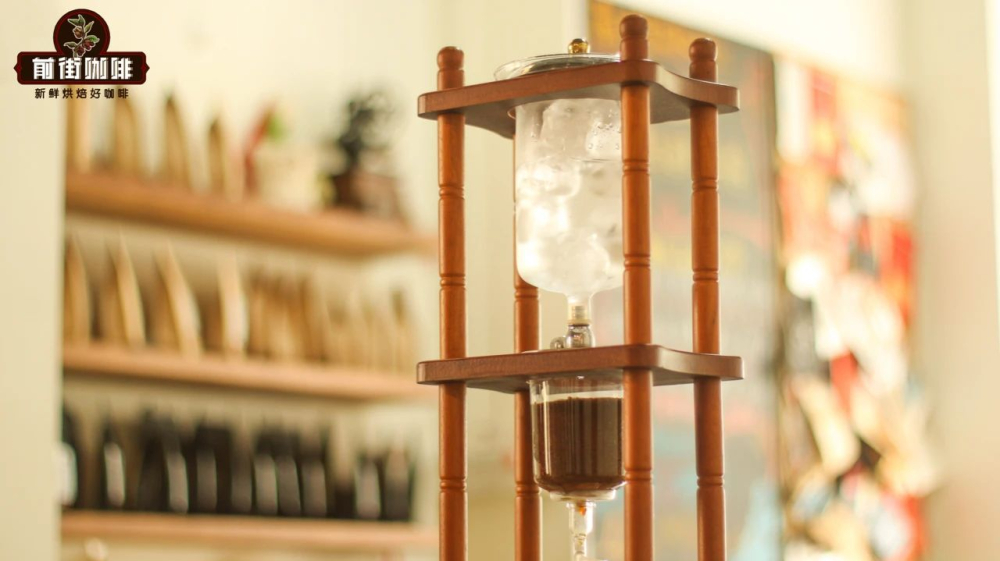
Cold drip coffee (also known as ice drop coffee or ice-brewed coffee) is a method where ice water slowly drips through a bed of coffee grounds, using gravity and time to gradually extract coffee components. This method takes a relatively long time, typically ranging from 4 to 12 hours, which is why commercially available cold drip coffee is generally priced higher. Due to the low temperature of the ice water, it effectively reduces the release of tannins and acidic substances, resulting in a smoother coffee taste with fewer off-flavors.
Cold Brew Coffee: A Classic Method of Immersion-Based Low-Temperature Extraction
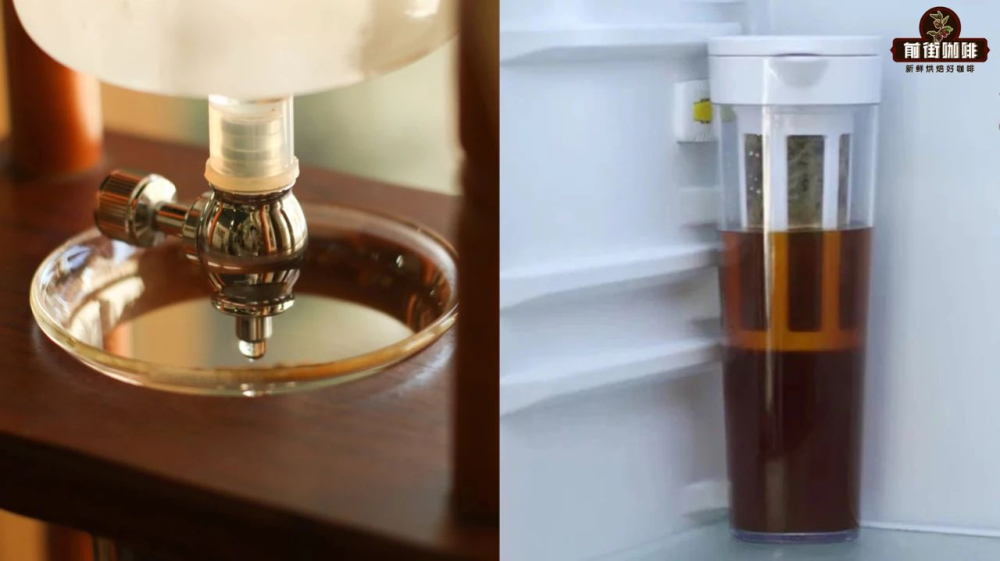
Cold brew coffee involves mixing coarse-ground coffee with room temperature or cold water, then placing it in a sealed container to steep in the refrigerator for 12 to 24 hours. This immersion method is simple and stable, requiring no special equipment—just a glass bottle or a dedicated cold brew maker will suffice. Because the coffee is steeped throughout the entire process, the soluble substances in the coffee are released more evenly, creating a rich and mellow foundational flavor.
Historical Origins: From Dutch Maritime Trade to Kyoto, Japan
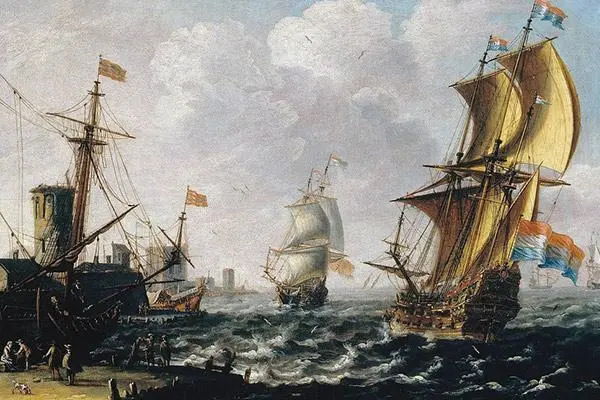
Regarding the origins of these two low-temperature extraction techniques, although the exact inventors remain unconfirmed, research suggests that the concept of low-temperature extraction was first developed by Dutch merchants during 17th-century maritime trade. At the time, ships transported coffee beans from Batavia, Indonesia (now Jakarta), but since heating for immediate brewing wasn’t possible, they experimented with steeping coffee grounds in cold water for extended periods. This unexpectedly resulted in a coffee flavor that was rich and low in bitterness.
This method later spread to Japan, particularly to Kyoto during the Edo period, where local coffee enthusiasts refined this immersion technique, gradually evolving it into the drip-filtered form of cold drip coffee, also referred to as “Kyoto coffee.” From immersion to drip filtration, the two techniques diverged from each other, forming what we are familiar with today.
Flavor Comparison: Same Beans, Different Methods, Each Excel in Their Own Way
To make a clear comparison, we used lightly roasted Ethiopian Santa Vini beans to prepare both cold brew and cold drip coffee at the same ratio. The results showed that cold brew coffee exhibited more direct fruity characteristics, with clear notes of tropical fruits such as mango and citrus, along with a subtle layer of red wine fermentation. Because the coffee grounds were in prolonged and full contact with water, the overall taste was rich and consistent.
In contrast, cold drip coffee, due to the slow drip of ice water, delivered a brighter and more refreshing coffee flavor, highlighting the aroma of tropical fruits such as pineapple and guava, along with a noticeable sweetness and soft acidity. Its extraction process is more segmented, resulting in a cleaner taste with distinct layers, and a lingering finish that carries a hint of fermented wine aroma, leaving a long aftertaste.
Practical Advice: How to Choose the Coffee That Suits You
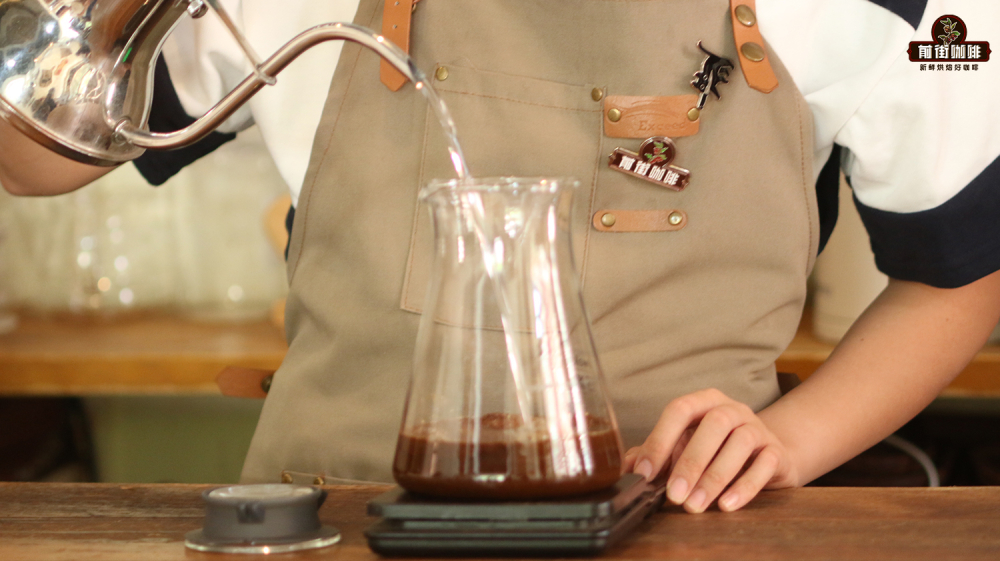
If you prefer a coffee with a rich mouthfeel, intense aroma, and a burst of fruit and wine flavors in every sip, cold brew is the more intuitive choice. If you enjoy a coffee with distinct layers, balanced sweetness and acidity, and a clean, crisp finish, cold drip might be more to your liking. Additionally, cold drip takes longer to prepare and requires more equipment, making it suitable for patient coffee enthusiasts; cold brew, on the other hand, is simple and easy to get started with, ideal for home or office use.
Regardless of which you choose, it is recommended to use medium to light roasted coffee beans, as they better highlight fruity and acidic notes while avoiding excessive extraction that can lead to unwanted bitterness. For extraction ratios, cold brew generally recommends a coffee-to-water ratio of 1:8 to 1:12, while cold drip can be adjusted based on drip rate, with common ratios being 1:12 to 1:16.
In summary, although both cold drip and cold brew are forms of low-temperature extraction, they differ significantly in brewing principles, time investment, and final flavor profiles. Only by trying them yourself and savoring them carefully can you discover the low-temperature coffee that best matches your taste buds.
The above content is compiled by CoffeeHunters, a coffee news website.


