







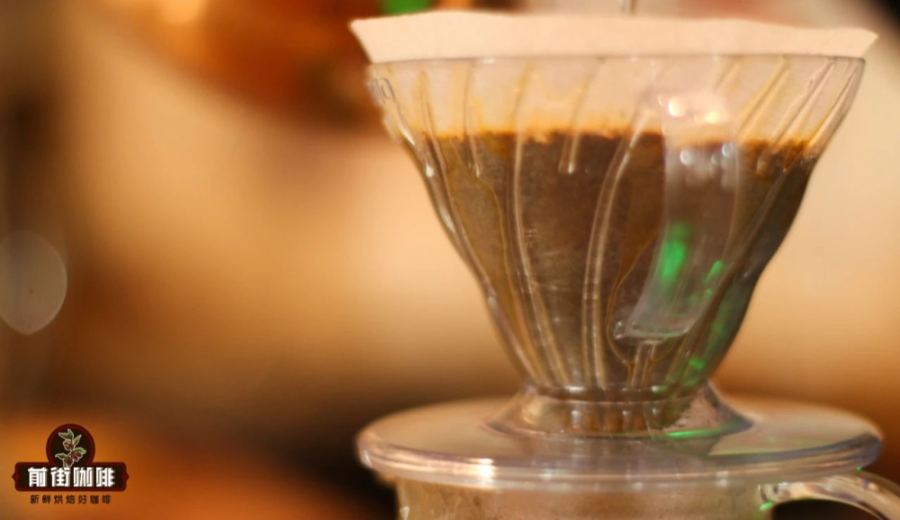
Introduction:Just getting started with pour over coffee? Are you feeling overwhelmed by the variety of filter cones and choices of filter paper? This article starts with the structure and function of filter cones, explaining why the V60 is the go-to choice for pour over beginners. It explores the extraction differences between conical, fan-shaped, and flat-bottomed filter cones, and also shares tips on whether or not to pre-wet your filter paper, and how to choose between bleached and unbleached options—helping you take your first confident step into the world of pour over coffee.
Stepping into the world of pour over coffee doesn’t actually require overly complicated equipment. With just a grasp of basic techniques and the use of fresh, high-quality coffee beans, you can easily enjoy a rich and aromatic cup. However, many beginners get stuck at the very first hurdle—choosing equipment—especially when it comes to picking the right filter cone, which can be quite confusing. This article will introduce the design principles of filter cones in an easy-to-understand way, explain why the V60 is the top choice for beginners, compare the differences between conical, fan-shaped, and flat-bottomed filter cones, and discuss the necessity of pre-wetting your filter paper—so you can feel more assured in both selecting and using your gear.
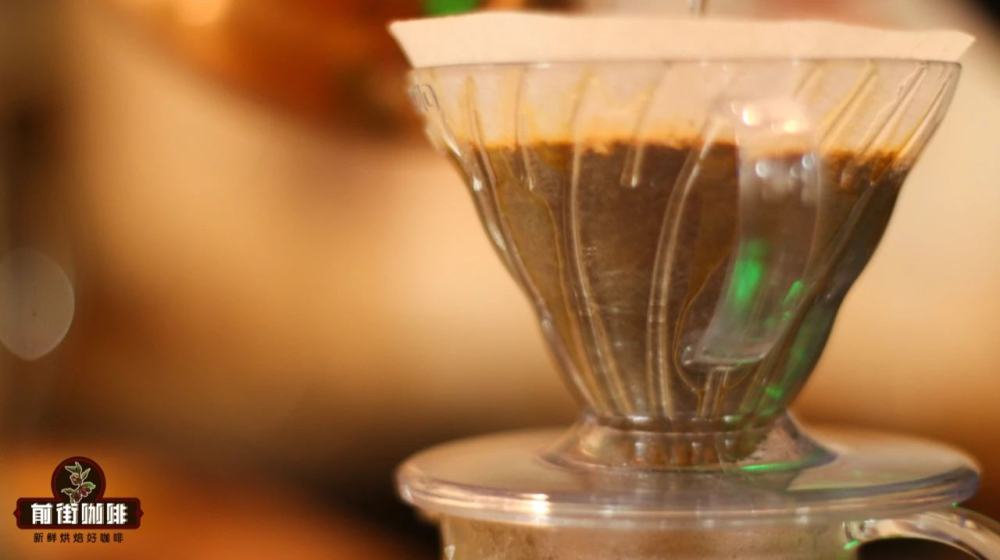
In the process of pour over brewing, the filter cone is not just a container for holding the filter paper and allowing brewed coffee to drip through. Its structure directly affects the speed and manner in which water flows through, thereby altering the extraction efficiency and flavor profile of the coffee. The shape, material, and even the internal rib structure of the filter cone all have subtle yet significant impacts on the brewing process.
If you ask experienced pour over enthusiasts which filter cone beginners should choose, almost all will recommend the Hario V60. This filter cone has gained widespread popularity not only because it’s readily available but also because of its unique design that effectively enhances extraction efficiency. The name “V60” comes from its 60-degree conical angle—it looks like a “V,” hence the name. This angle not only gives the filter cone a sleek and aesthetic appearance but also hides a secret to better extraction.
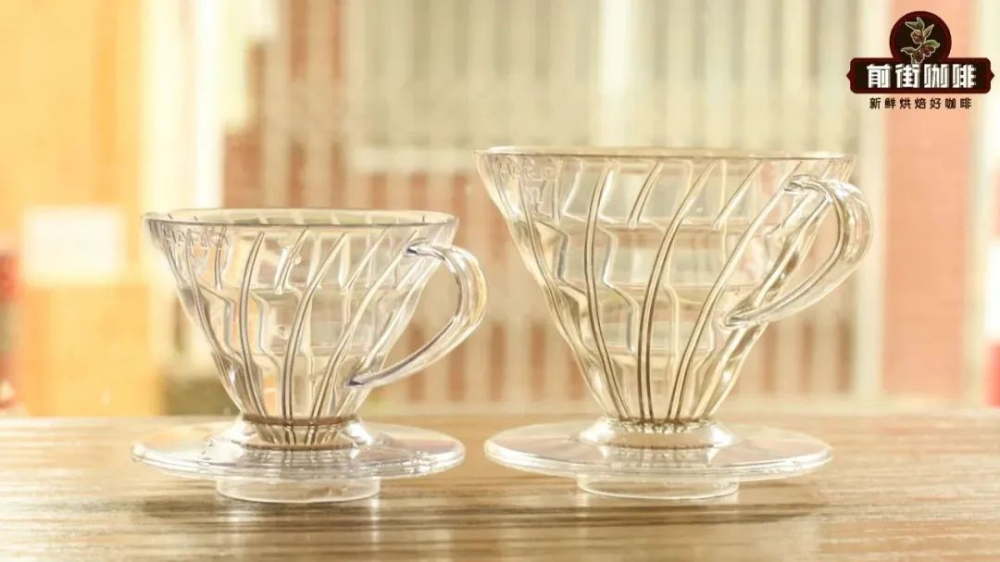
Compared to fan-shaped and flat-bottomed filter cones, the V60’s conical design offers clear advantages. Its wide-top, narrow-bottom structure concentrates coffee grounds in the center and guides hot water to flow from the outside inward and then downward toward the base, causing the water to gather at the center before dripping down. This design increases the contact area between hot water and coffee grounds, helping extract aromatic compounds and flavors more efficiently.
Before the arrival of the V60, most coffee on the market used dark roast beans, emphasizing bold, full-bodied flavors—like the classic Golden Mandheling or Jamaican Blue Mountain. Extraction methods at the time focused mainly on immersion, aiming to create a rounded, mellow, and balanced overall flavor. However, with the rise of the third wave coffee movement, consumers have become increasingly interested in the unique characteristics and delicate nuances of coffee origins—such as the floral and fruity notes of fruit-forward beans, the juicy character of Kenyan beans, or the sweet and bright strawberry candy-like profiles. The traits of these light roast beans, through the fast extraction capability of the V60, can be presented more fully, highlighting their intricate acidity and layered aromas.

In addition to choosing the right filter cone, the use of filter paper is another key factor affecting pour over flavor. Currently, filter papers on the market are mainly divided into two types: bleached and unbleached. Unbleached filter paper hasn’t undergone bleaching treatment, so it retains more woody or paper-like aromas. It’s therefore recommended to rinse it with hot water beforehand to remove any potential off-flavors. Bleached filter paper, depending on the brand and manufacturing process, may already have little to no odor, though it’s still advisable to decide whether or not to pre-wet based on personal preference.
The benefits of pre-wetting filter paper include not only removing paper taste but also helping the paper adhere tightly to the inner wall of the filter cone. This allows it to work in tandem with the cone’s rib structure, enabling water to flow more smoothly through the coffee grounds. Without pre-wetting, the filter paper might absorb some of the hot water and coffee oils during the bloom phase, potentially affecting extraction uniformity and the overall integrity of the coffee’s flavor.
Overall, regardless of the type of filter paper you choose, it’s recommended to rinse both the filter paper and the filter cone with hot water before brewing. This not only removes possible odors but also preheats your equipment, helping to maintain the optimal brewing temperature for your coffee—ensuring that every cup of pour over showcases the intended layers and flavors.
The above content is compiled by CoffeeHunters, a coffee news website.


