







Introduction:Sumatra Mandheling is renowned for its rich and full-bodied flavor profile, making it a top choice for many coffee enthusiasts exploring Asian beans. But does dark roasting best highlight its characteristics? This article delves into the roasting suitability of Mandheling and carefully selects two popular and high-value Sumatran Mandheling coffee beans on the market. From flavor profiles, body, cleanliness to recommended brewing methods, we provide a detailed analysis to help you find the one that suits you best.
Coffee beans from Asian regions have always been known for their intense and robust flavor, particularly excelling in caramel, spice, and woody notes. As a result, dark roasting is often considered the processing method that can fully showcase their qualities. Among them, Mandheling from Sumatra, Indonesia, is a classic representative of Asian Arabica coffee. With its steady and solid mouthfeel and unique regional flavors, it has won the favor of numerous coffee aficionados.
If you’re looking to purchase a Mandheling with stable quality and good value, it’s advisable to prioritize suppliers with strong brand backgrounds and roasting expertise. This article will introduce a well-established roasting brand from Guangzhou with years of reputation, and provide an in-depth analysis of its two popular Sumatran Mandheling products. Beyond just discussing flavor, we also include practical brewing suggestions and applicable scenarios to ensure you buy with clarity and drink with confidence.
Coffee from the Sumatra region generally features intense and heavy flavor characteristics, often exhibiting prominent roasted aromas, full-bodied textures, and long-lasting sweet aftertastes, making dark roasting the mainstream processing choice. Sumatra Mandheling, as the most representative Arabica variety in the region, has a compact and layered flavor structure, and has long been a top choice for many coffee lovers venturing into Asian beans.
For consumers who want to try or enjoy Mandheling regularly, choosing a brand-backed roaster is crucial. Stable roast levels, freshness, and quality control are all key factors that influence the final flavor. Below, we introduce two Mandheling products with excellent market feedback, suitable for coffee enthusiasts of different levels.
Beginner’s Choice: Lintong Mandheling
This classic Mandheling from Sumatra features distinct herbal, woody, and spice notes, which are typical of the wet-hulled processing method used in the region. Wet hulling involves removing the outer parchment layer while the beans are not yet fully dry, allowing the beans to be more directly exposed to air. This enhances the intensity and uniqueness of the flavors. This process also makes it easier for Mandheling to express the boldness and richness typical of dark roasting.
In terms of flavor profile, Lintong Mandheling commonly exhibits herbal, caramel, chocolate, and spicy notes, with a body rating of ★★★★☆. The overall mouthfeel is rich and has a certain weightiness, but the cleanliness is slightly lower, rated at ★★★☆☆. Therefore, care should be taken with water temperature and grind size during extraction. It is recommended to use a pour over water temperature of 90–92°C and a medium-fine to slightly finer grind to reduce the release of astringent or off notes.
This bean is not only suitable for pour over but can also be used in moka pots, drip coffee machines, and even espresso machines. For beginners or those who prefer a bold flavor, it is a very user-friendly and expressive option.
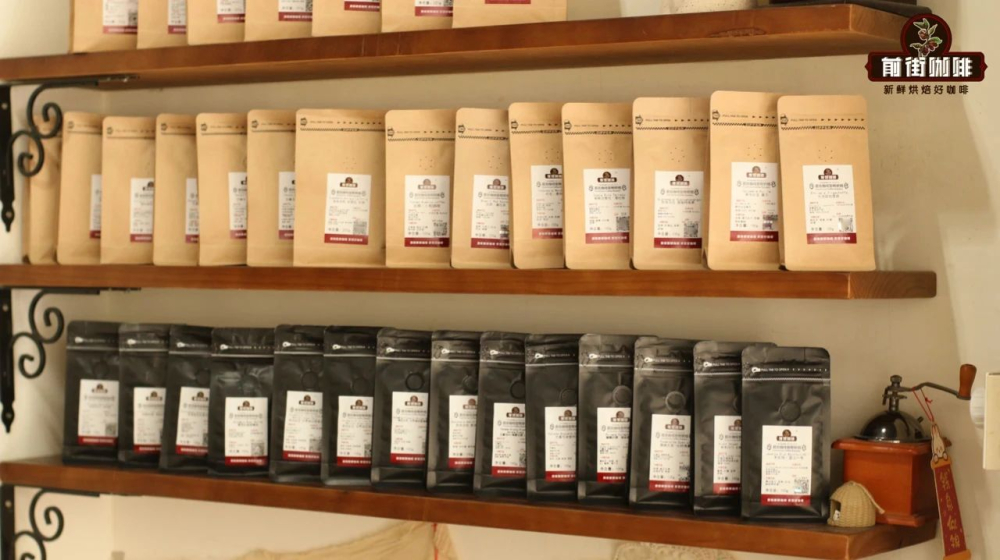
Advanced Recommendation: PWN Golden Mandheling
This high-grade Mandheling from the renowned Indonesian green bean supplier PWN is widely recognized for its stable quality and relatively balanced flavor profile. PWN Golden Mandheling undergoes three rounds of manual sorting and one round of machine sorting during the green bean processing stage, ensuring uniform bean size and an extremely low defect rate. This is one of the reasons why it achieves higher cleanliness.
In terms of flavor, this bean showcases notes of pine, caramel, dark chocolate, nuts, and subtle herbal aromas. Its overall tone is softer compared to typical Mandheling, with herbal and earthy notes significantly subdued, and sweetness more pronounced. Especially the richness of dark chocolate and the caramel aftertaste allow it to maintain a layered profile even under dark roasting. The body is rated at ★★★★★, and cleanliness reaches ★★★★☆, making it suitable for users seeking flavor details and a refined drinking experience.
It is not only suitable as a daily brew but also, due to its packaging design and brand background, makes a great gift. For brewing suggestions, try a medium-fine grind and 91–93°C water temperature for pour over. If using an espresso machine, it can also produce a rich espresso with a caramel finish.
In summary, Sumatra Mandheling doesn’t have to be presented solely as a dark roast, but dark roasting indeed enhances its rich and solid characteristics, especially for drinkers who enjoy woody, spicy, and chocolatey notes. Through the two practically reviewed beans introduced in this article, whether you’re a beginner or an experienced coffee enthusiast, you can find an ideal option that fits your budget and taste preferences.
The above content is compiled by CoffeeHunters, a coffee news website.


