







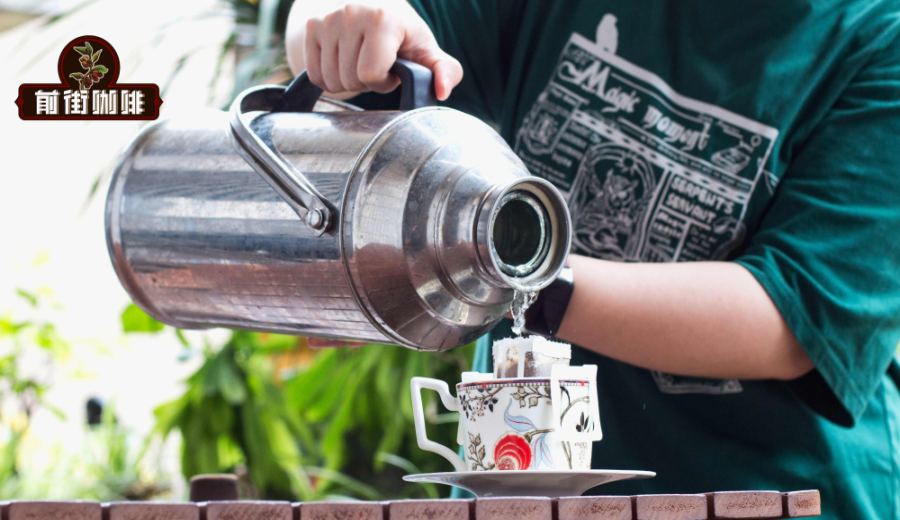
Introduction:Drip bags, thanks to their convenience and good flavor, have become the go-to choice for many coffee beginners. But many people often wonder while brewing: how many times can one drip bag actually be used? This article delves into why drip bags are generally recommended for just a single brew, based on the soluble components in coffee beans—especially the extraction characteristics of chlorogenic acid. It also shares the flavor profiles and ideal audiences for popular single-origin beans such as Blue Mountain, Brazil, and Mandheling, helping readers master the correct brewing method, avoid off-flavors and under-extraction, and enjoy a balanced, smooth cup of coffee.
In recent years, drip bags have gained increasing popularity among coffee enthusiasts due to their simplicity, no need for specialized equipment, and ability to deliver flavors close to those of pour over coffee. They are especially suitable for busy office workers or travelers who want to enjoy good coffee but lack the time or tools. Not only can they be brewed anytime, anywhere, but they are also more economical compared to takeout coffee, which has attracted many newcomers to give coffee brewing a try.
Among the various drip bag options on the market, you can choose beans from different regions and with different flavor profiles based on your personal preference. For example, if you enjoy bright acidity and floral-fruity aromas, you might consider trying Yirgacheffe or the sun-dried Hua Kui drip bags; if you prefer a rich, bold taste with caramel and nutty aftertastes, you could opt for Mandheling, Brazil Cerrado, or even the highly regarded Jamaican Blue Mountain drip bags. Each bean variety showcases distinct regional characteristics, enriching the diverse selection of drip bag coffees.
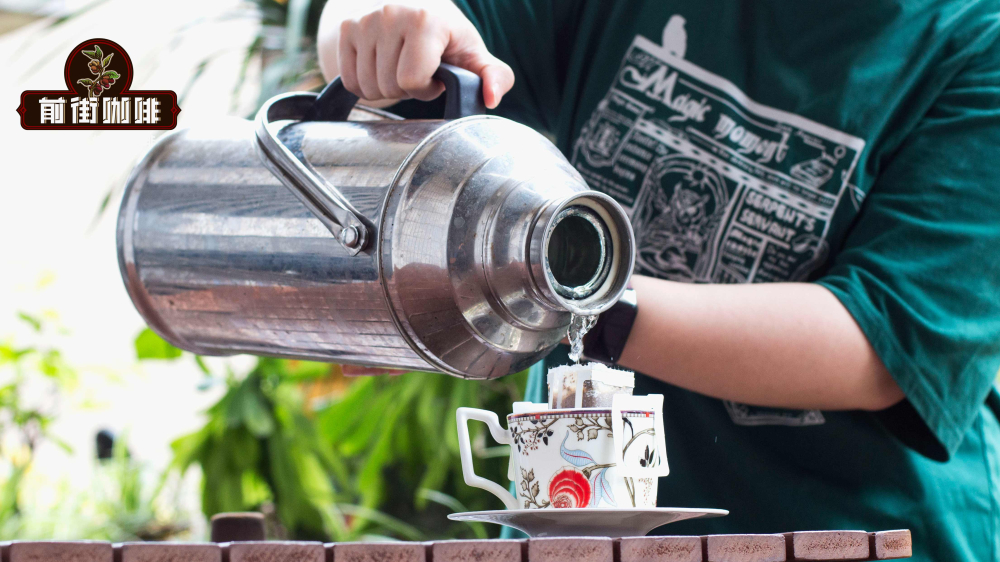
However, for beginners who are just getting into drip bags, common questions abound—including how to brew them correctly, why the flavor sometimes seems weak, and most importantly: how many times can one drip bag actually be brewed? This question is frequently asked and is the main focus of this article.
Theoretically, there is no absolute limit to how many times you can brew a drip bag. The source of coffee flavor comes from the soluble substances in the beans, which make up about 30% of the whole coffee bean. As long as these components haven’t been fully released, it’s theoretically possible to continue brewing flavorful coffee. Therefore, if you insist on continuously pouring water, you can still extract multiple rounds of coffee liquid.
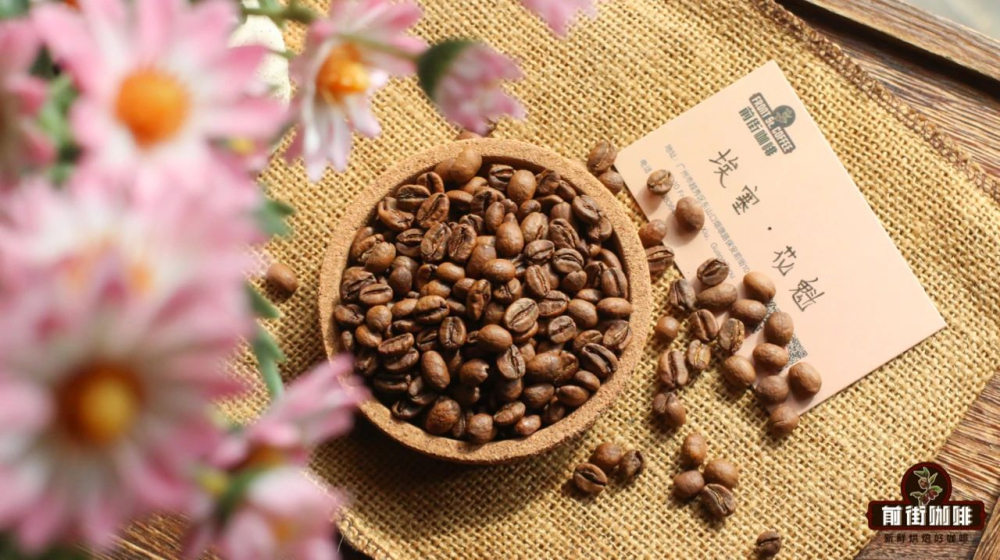
But in practice, whether it’s drip bags or other brewing methods, multiple brews are almost never performed, mainly due to the presence of “chlorogenic acid” in coffee. Chlorogenic acid is a natural polyphenolic compound and is also the source of bitterness, astringency, and some acidity in coffee. Its content changes with the degree of roasting—generally speaking, the lighter the roast, the more chlorogenic acid is retained; the darker the roast, the more it gradually decomposes and transforms into other substances.
Chlorogenic acid has a very low taste threshold, meaning it can be easily detected upon consumption, and it is a small-molecule substance that tends to be quickly released during the first brew. If you follow a tea-like approach and only brew once, especially when using light-roast beans, the first brew often ends up with noticeable bitterness and astringency due to the high level of chlorogenic acid, resulting in what is known as “under-extraction,” which negatively affects the overall drinking experience.
If you want to enjoy a cup of coffee with balanced flavor and without excessive stimulation, you’ll need to moderately extend the extraction time or increase the water volume to allow other soluble components—aside from chlorogenic acid—to also be released. These include sugars, oils, and certain aromatic compounds, which can effectively neutralize the negative effects brought by chlorogenic acid. The generally recommended extraction ratio is to release abouttwo-thirdsof the total soluble content in the beans. This ratio helps preserve good flavor while avoiding the off-flavors released in later stages that can impact the overall taste.
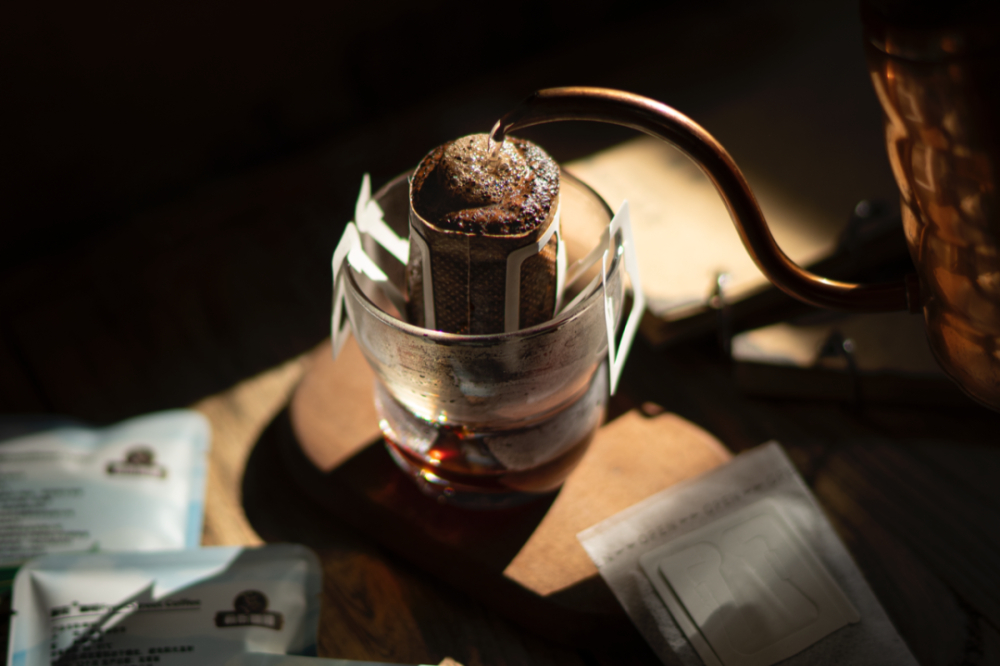
Therefore, although it is technically possible to brew a drip bag multiple times, each subsequent brew not only results in a weaker concentration, but is also more likely to bring out impurities and undesirable flavor compounds, leading to increasingly poor taste. As some say, no one would chew on sugarcane after squeezing out all the juice—the same goes for coffee grounds. After the first brew, most of the compounds that contribute to good flavor have already been released, leaving behind mostly unappealing off-notes.
In summary, it is generally recommended to brew a single drip bag only once to achieve the best flavor performance. If you want to explore the diverse world of coffee flavors, you might start with classic single-origin drip bags such as the refreshing Yirgacheffe, the bold Mandheling, or the noble Jamaican Blue Mountain. Based on your personal taste preferences, find the one that suits you best and enjoy every cup of your own unique coffee moment.
The above content is compiled by CoffeeHunters, a coffee news website.


