







Introduction:From being relatively unknown at the end of the 20th century to now ranking among the world’s top ten Arabica-producing regions, what lies behind Honduras coffee’s meteoric rise? This article not only traces the development trajectory of Honduras’ coffee industry but also delves deep into the flavor profiles of its six core producing regions. Combined with practical pour over experiences, it provides comprehensive extraction parameters—including water temperature, grind size, and brew ratio—to help everyone from beginners to advanced enthusiasts master this rising star of Central American coffee.
Honduras, a country located in northern Central America, may have started its coffee industry later than neighboring Guatemala and Nicaragua, but thanks to its exceptional geographical conditions and subsequent policy support, it officially surpassed Guatemala in coffee production in 2011 and has since firmly established itself as one of the world’s leading Arabica producers. This article will offer an in-depth introduction from various perspectives such as industry history, regional distribution, variety characteristics, and processing techniques, and share hands-on pour over parameters for several Honduras coffee beans—including ideal water temperature, grind size, and brew ratio. Whether you’re aiming to explore the unique flavors of each Honduras region or seeking a reliable pour over recipe, you’ll find practical guidance here.
Honduras coffee is known for its balanced mouthfeel, making it suitable not only for blends but also as a single origin bean that showcases captivating flavors. For instance, a warm sun blend offered by a certain shop combines Honduras beans with Yirgacheffe, delivering a flavor profile that balances bright fruit acidity with a rich chocolatey finish. When brewed as a single origin using pour over, its layered characteristics can be savored even more distinctly. This shop offers over 50 coffee beans from around the world at its Guangzhou storefront and online platform, three of which are Honduras beans—and each has undergone rigorous origin research, cupping, and roast curve adjustments to ensure unique flavor profiles, allowing consumers to choose based on personal preference.
The flavor of Honduras coffee, while sharing common floral and fruity notes along with a gentle juice-like character with neighboring countries like Guatemala and Nicaragua, reveals its own distinctive qualities upon closer tasting. Observations show that Honduras beans often carry delicate aromas of exotic spices, with the latter part of the cup presenting a rich body of nuts and chocolate. This well-balanced and layered flavor profile has gradually helped it carve out its own place in the international market.
The story of Honduras coffee began in the late 18th century when Spanish merchants introduced it, but small-scale cultivation didn’t start until 1804. Due to the lack of transportation infrastructure connecting producing areas with ports in the early days, the coffee industry’s growth was limited. It wasn’t until the 1970s, when the government established the official body IHCAFE (Honduras Coffee Institute) dedicated to improving quality and promoting exports—coupled with the country’s geographically favorable conditions for coffee growing—that production rapidly increased. In 1975, when Brazil suffered from frost, Honduras’ coffee output skyrocketed from 500,000 bags to 1.8 million bags, opening the door to the international market. In 2004, Honduras hosted its first Cup of Excellence competition, with 21 coffees recognized and auctioned, marking the rise of specialty coffee. By 2011, Honduras became Central America’s highest-producing coffee country and the world’s second-largest Arabica producer, now solidly ranked among the world’s top ten coffee producers. With over 280,000 hectares of coffee farms—most of which are smallholder farms (average size less than 3.5 hectares)—accounting for 60% of total production, the industry exhibits strong local management characteristics.
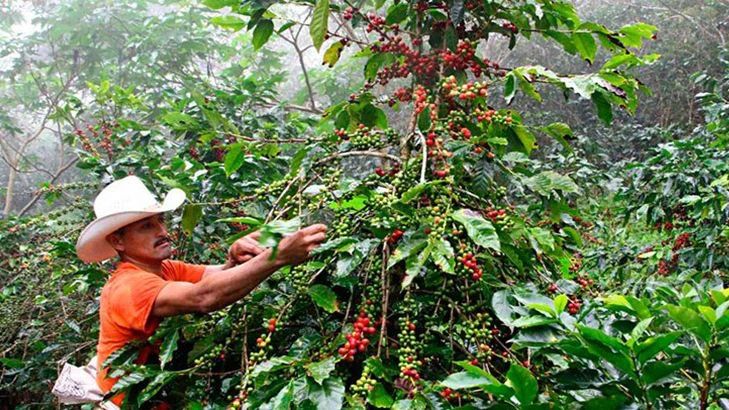
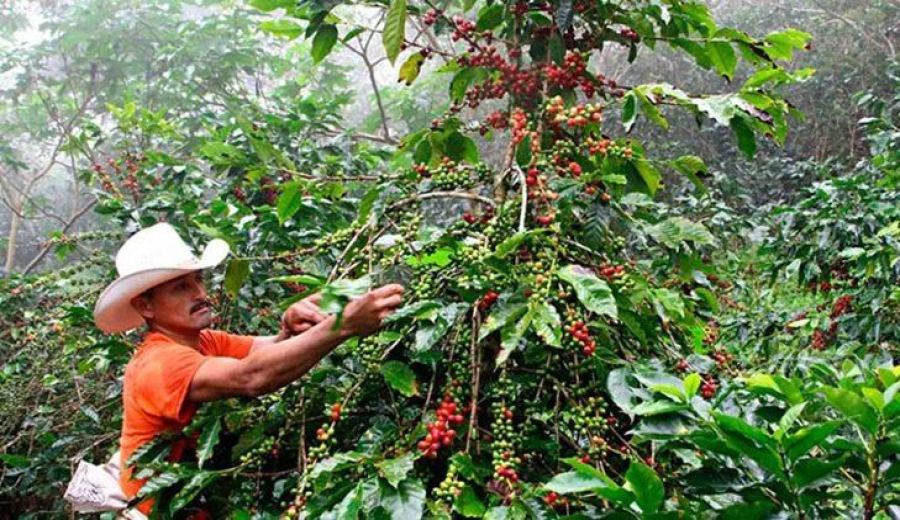
Honduras coffee beans have distinct physical characteristics: they are large and uniform in size with good glossiness. To facilitate harvesting, farmers typically prune coffee trees to no more than 150 cm to avoid having to use ladders that could damage the trees. Because coffee cherries ripen at different times, harvesting relies on manual labor and careful selection of ripe fruits—often taking several weeks to complete the picking of a single branch. This meticulous process ensures the high quality of the final beans.
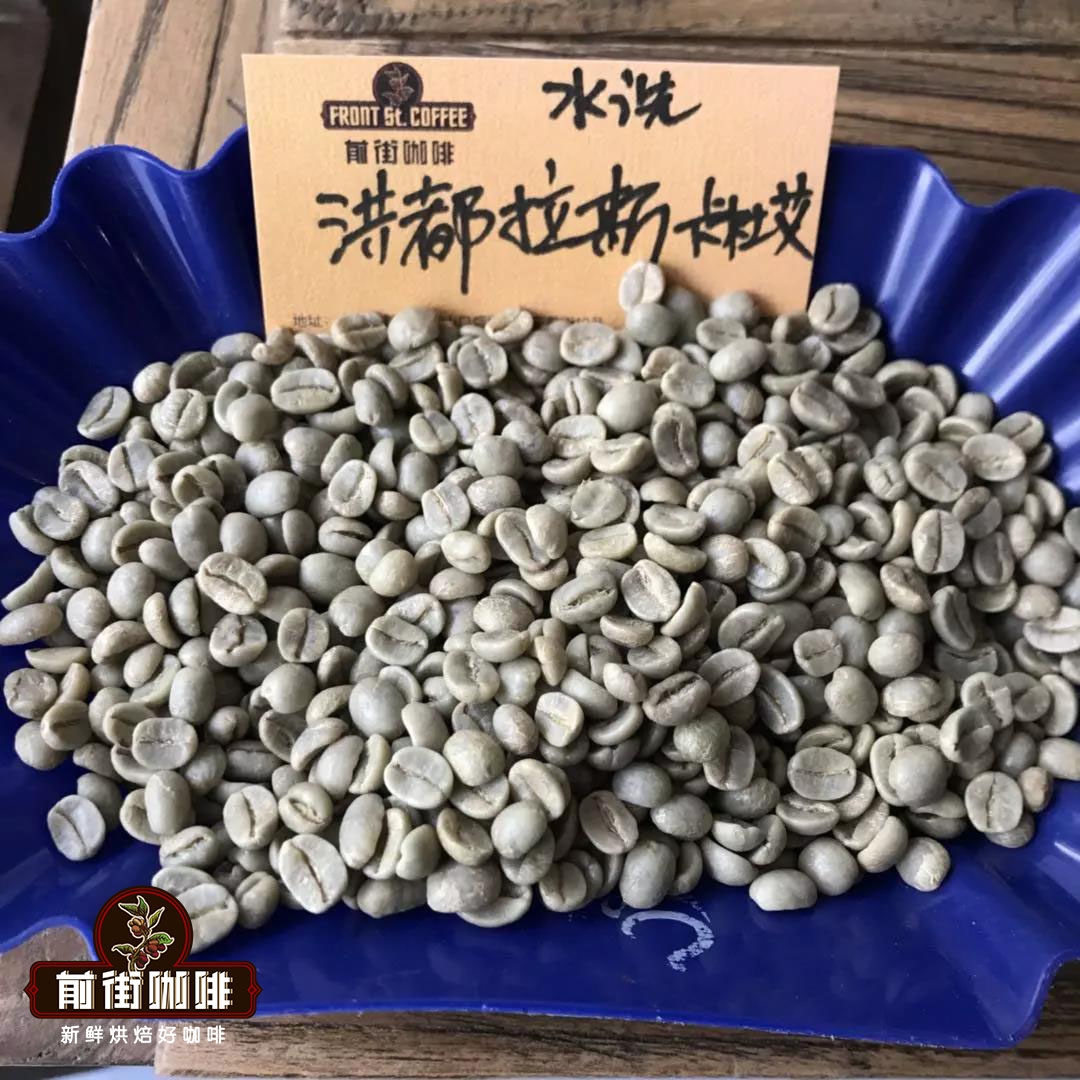
The grading of Honduras coffee is mainly based on two criteria: altitude of cultivation and defect rate. Altitude classifications include: Strictly High Grown (SHG, above 1200 meters), High Grown (HG, 1000–1200 meters), and Central Standard (CS, 600–1000 meters). Defect rates are divided into US standards (US preparation) and European standards (Euro preparation). Thus, a common green bean name like ‘Honduras SHG EP’ indicates that the beans come from an area above 1200 meters and meet the European defect standard, signifying high quality.

In terms of processing methods, Honduras coffee mainly uses the washed method: cherries are first soaked to remove floaters, then the pulp and flesh are removed, followed by fermentation to eliminate mucilage, and finally washing and drying to achieve about 12% moisture content. This method effectively enhances the cleanliness and purity of the beans’ flavors. Additionally, some regions and estates also employ special fermentation processes, such as whiskey sherry or brandy barrel fermentation, imparting more complex layers of wine and fruit aromas to the beans.
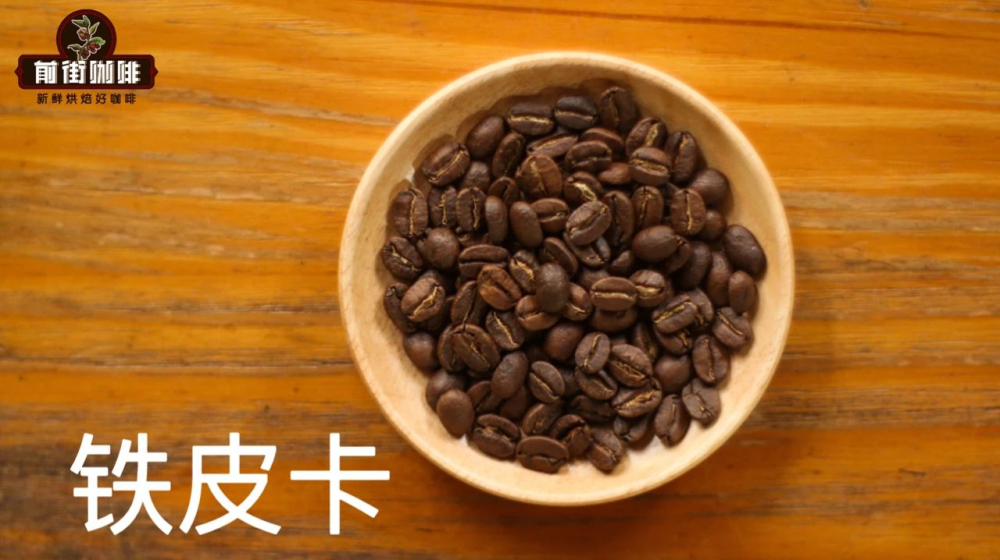
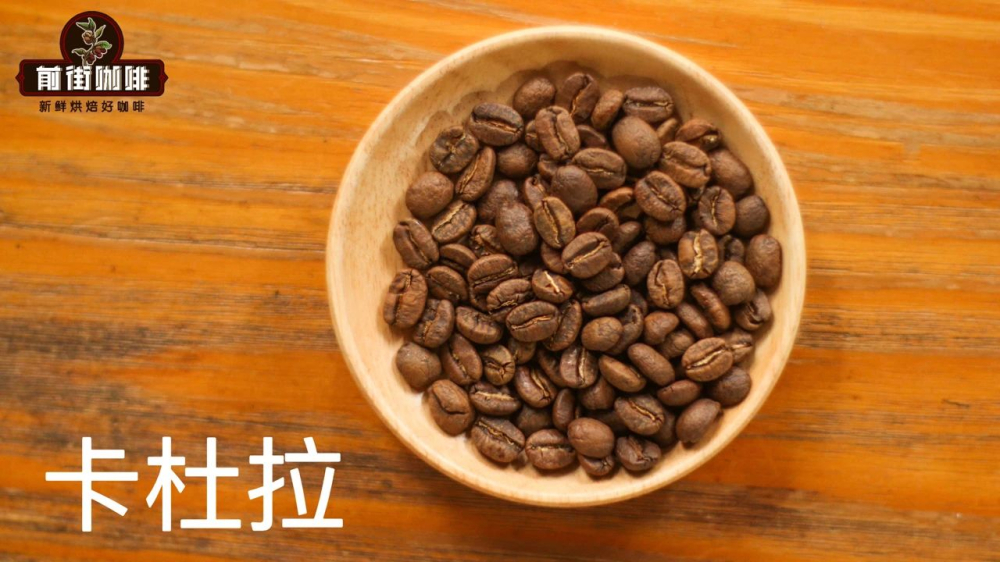
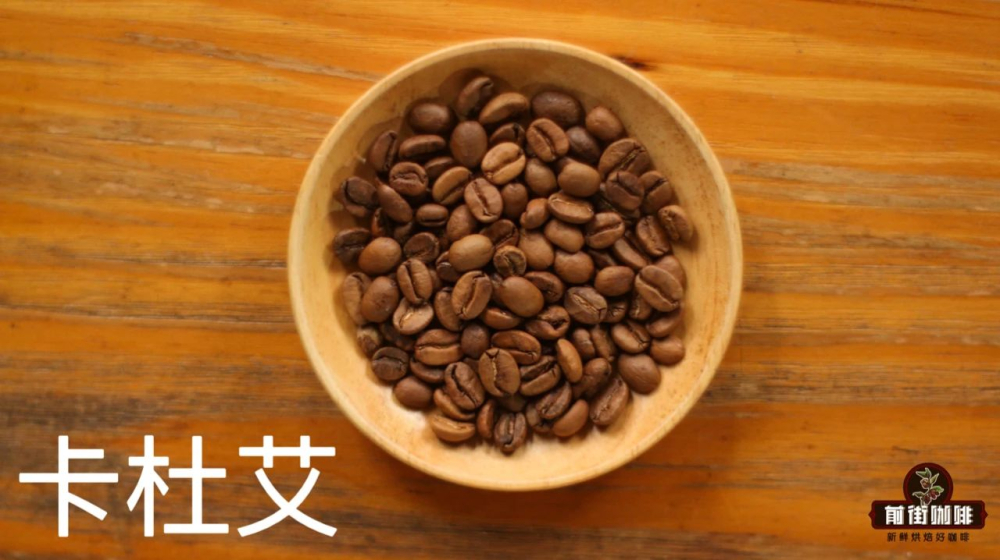
Honduras coffee features a diverse range of varieties, with mainstream cultivars including Bourbon, Typica, Caturra, Catuai, and Pacas. Bourbon, a mutation of Typica, has round beans and is a frequent top performer in many specialty coffee evaluations; Typica is the original Ethiopian variety, known for its elegant flavor but low yield; Caturra is a natural mutation of Bourbon, with a shorter tree structure but higher yield, suitable for high-altitude cultivation; Catuai is a hybrid of Caturra and Mundo Novo, with strong resilience but tightly packed fruits that are harder to harvest; Pacas, originating from El Salvador, is a high-yield and stable-quality Bourbon mutation that is widely favored in Central America.
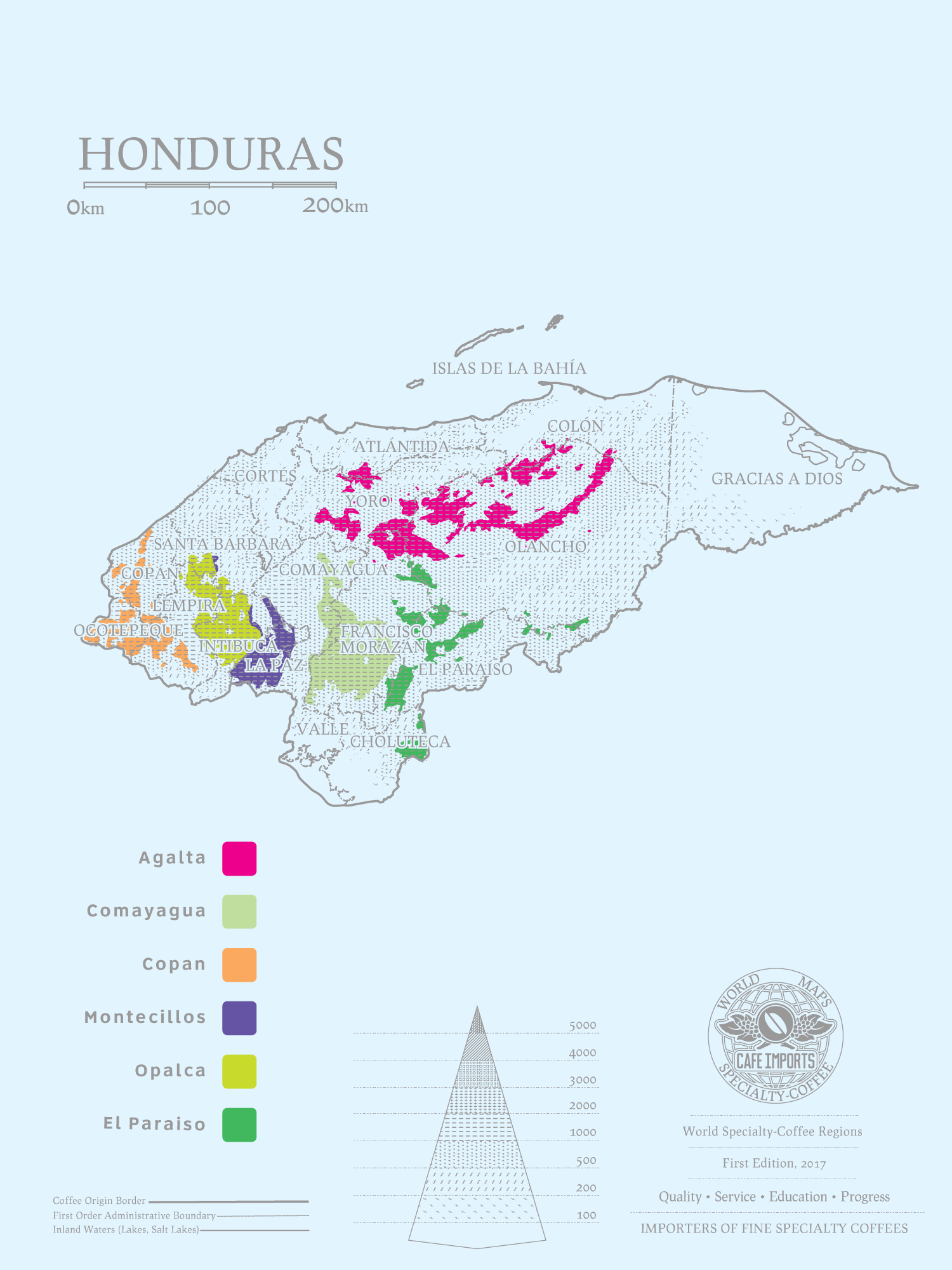
Since 2007, Honduras has strengthened its origin labeling system by dividing the country’s main coffee-producing regions into six distinct zones, each showcasing unique flavor characteristics due to differences in altitude, climate, and varieties:
1. Copan Region: Located in the west, bordering Guatemala, at altitudes of 1000–1500 meters, with an average annual temperature of 11.5–22.5°C and rainfall of 1300–2300 mm. The harvest season runs from November to March. A well-known estate (Las Gemelas) is located in this region, growing Red Catuai using the natural (sun-dried) process, yielding flavors of brown sugar, berries, grapes, and fermented wine notes.
2. Opalaca Region: Situated between Santa Bárbara, Intibucá, and Lempira, at elevations of 1100–1500 meters, with a harvest season from November to February. Varieties include Bourbon, Typica, and Catuai, and the flavors are noted for their delicate acidity and tropical fruits such as grapes and blackberries.
3. Montecillos: Close to the Salvadoran border, at altitudes of 1200–1600 meters, with varieties mainly consisting of Bourbon, Catuai, and Typica. The flavors feature bright acidity with orange and peach notes, and a silky smooth finish.
4. Comayagua: Located in central Honduras, at altitudes of 1000–1500 meters, with a diverse range of varieties. The flavors are based on a lemony tone, blended with citrus and creamy sweetness, resulting in a rich mouthfeel.
5. Agalta Tropical: Situated in the southeast, at altitudes of 1000–1400 meters, with varieties including Bourbon, Catuai, and Typica. The flavors are dominated by honey notes, paired with distinct citrus tones and soft acidity.
6. El Paraiso: A southern region bordering Nicaragua, at altitudes of 1100–1500 meters, with a diverse array of varieties. A well-known shop’s laurel estate washed Parainema variety exhibits flavors of citrus, berries, grapefruit peel, and cool-after nuttiness and dark cocoa, with pronounced berry acidity and a tea-like finish.
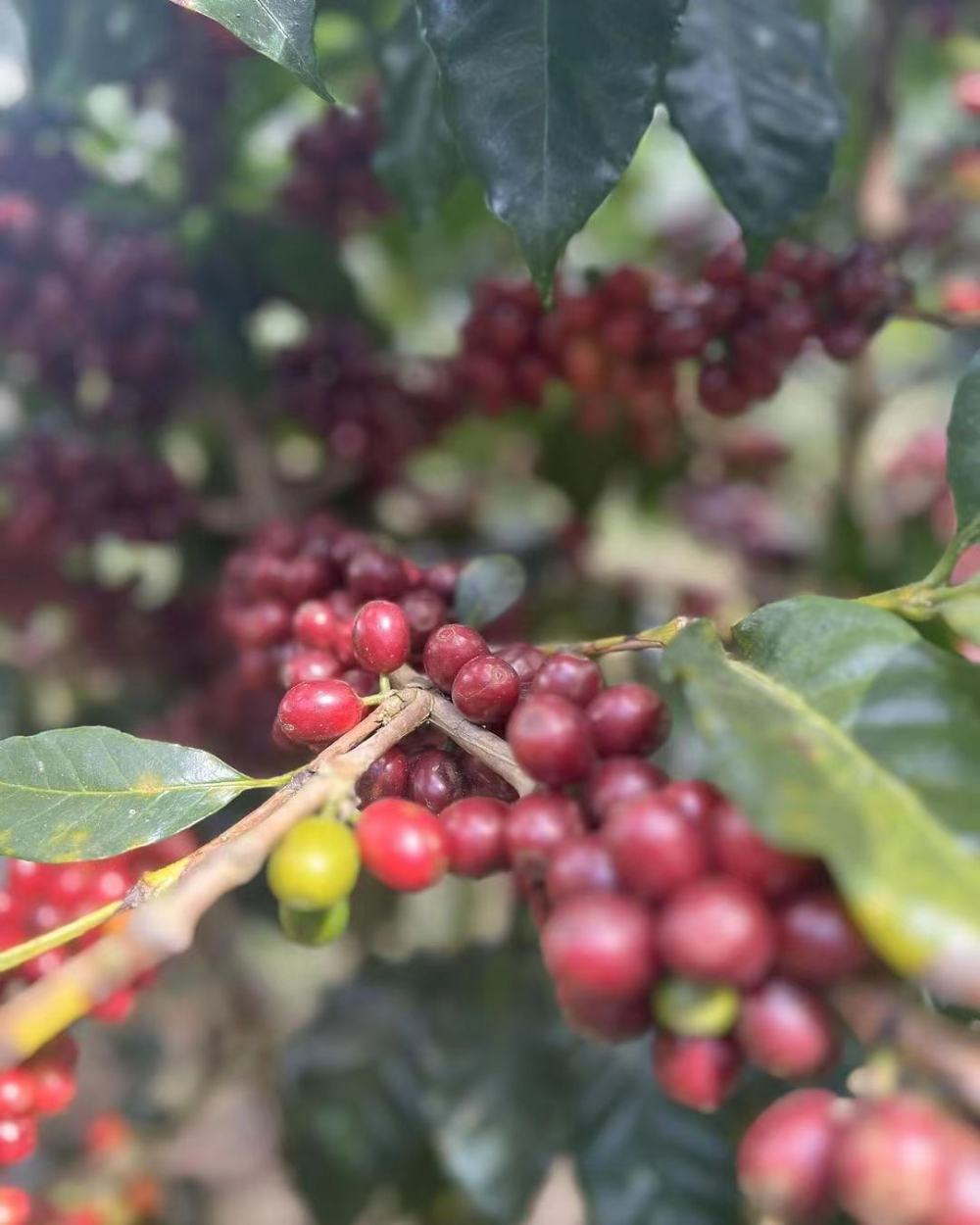
Beyond the six main producing regions, the western and southwestern areas of Honduras—such as La Paz and Marcala—are also worth exploring. For example, a renowned estate (El Naranjo) located in Marcala uses wild orange trees as shade trees and grows Catuai. After washed processing, it delivers flavors of citrus, melon, floral notes, cane sugar, and nutty tea-like characteristics. Meanwhile, the Mocha Estate in the Marcala region, known for high-altitude cultivation (1500–1700 meters) of Caturra, Catuai, and Pacas, employs a refined washed whiskey sherry barrel fermentation process that imparts complex layers of wine aroma, vanilla cream, dark cocoa, and liquor chocolate.
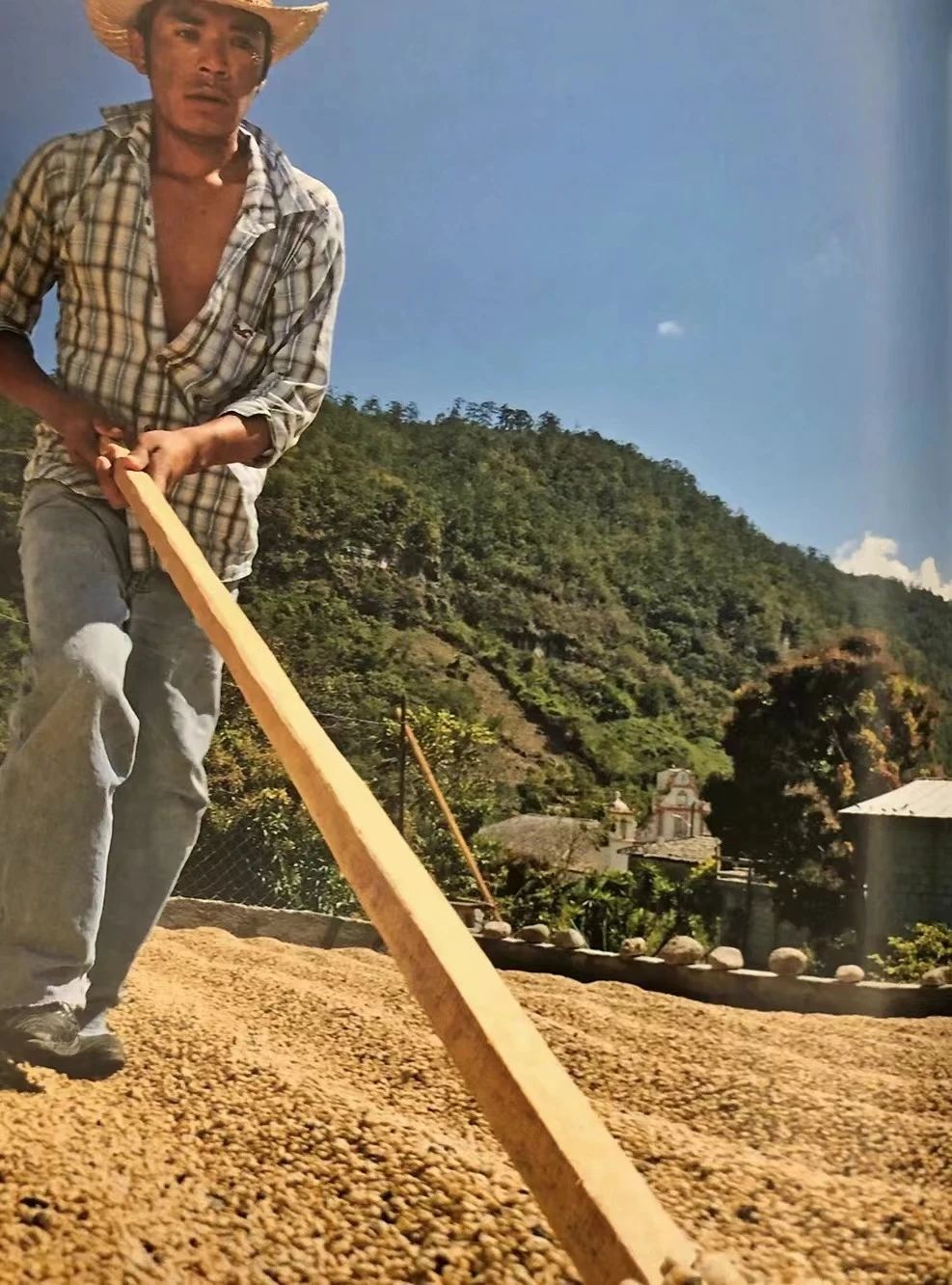
Barrel fermentation originates from winemaking techniques, where low-temperature fermentation allows coffee beans to absorb the aromas of the barrels while moderate oxidation softens tannins, enhancing flavor complexity and layering. Honduras’ barrel fermentation process typically involves a refined washed process for freshly harvested coffee cherries, followed by low-temperature fermentation (around 15–20°C) in aged sherry whiskey oak barrels for 30–40 days, and finally sun-drying in the shade. This method imparts noticeable wine and cream aromas, along with mature fruit tones, with the finish often featuring maple syrup or dark chocolate undertones.
For roasting recommendations, a light-to-medium roast is generally used. Taking the Taiwanese Yangjia Feima 800N roaster as an example: charge temperature at 200°C, turning point at approximately 154°C (5’15”), first crack at 186.5°C (9’11”), with 2 minutes of development after first crack, and a final drop temperature of 192.4°C. This profile preserves bright fruit acidity while enhancing the rich tones of chocolate and nuts.
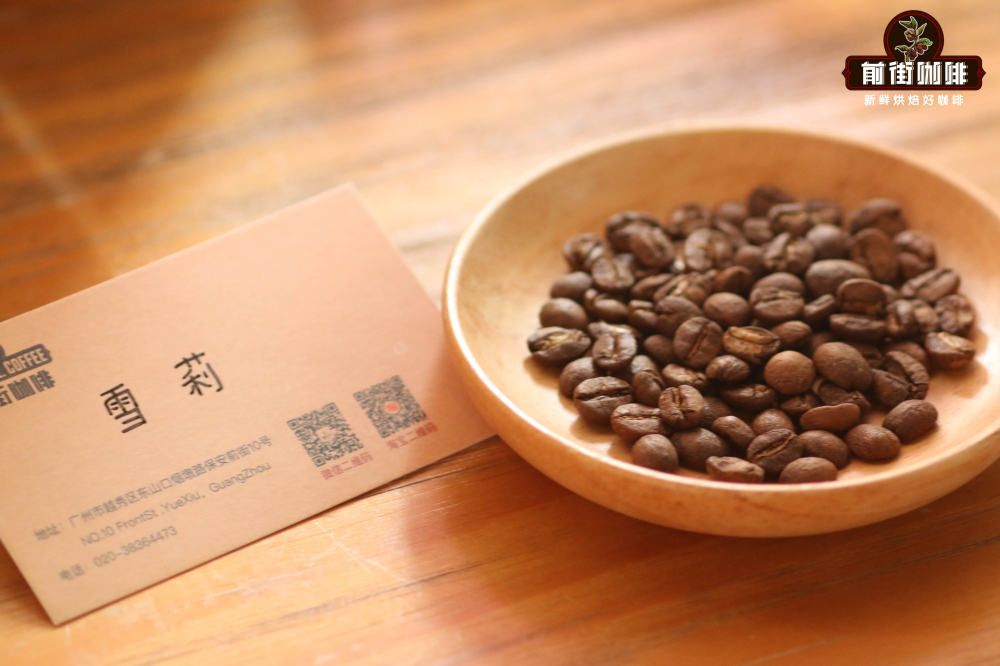
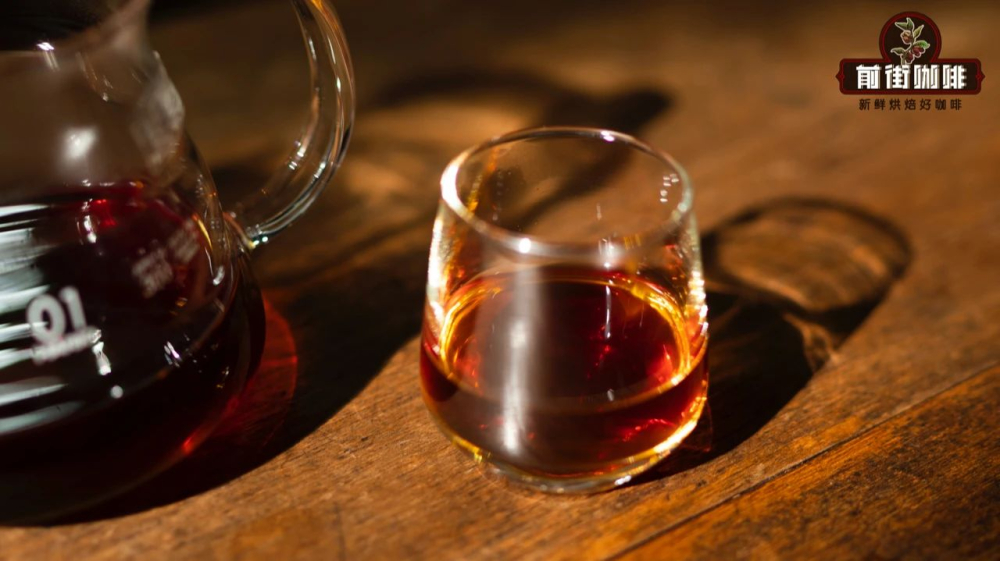
For pour over brewing, it is recommended to use a Hario V60 filter, with water temperature controlled at 90°C, 15 grams of coffee, a 1:15 brew ratio, and a grind size of 80% passing through a standard #20 sieve. Use a staged extraction method: begin with a 30-second bloom using 30 grams of water, then pour in a slow circular motion up to 125 grams for the first stage. When the water level drops and is about to expose the coffee bed, continue pouring up to 225 grams before removing the filter. Total brew time is around 2 minutes. This parameter works well for most Honduras single origin beans, consistently highlighting their flavor profiles.
Taking the Sweet Orange Estate as an example, its pour over flavor profile shows pronounced acidity, berries, citrus, melon, floral notes, cane sugar, orange peel, and nuts, with a tea-like finish. The Mocha Estate’s whiskey sherry barrel-fermented beans, on the other hand, present a rich array of vanilla, cream, berries, almonds, dark chocolate, and maple syrup sweetness. Another bean, Lychee Orchid, undergoes brandy barrel fermentation, offering flavors of fermentation, wine, light cream, nuts, and chocolate. Roast curve two (extended development time) better highlights the balanced expression of wine aroma and sweetness.
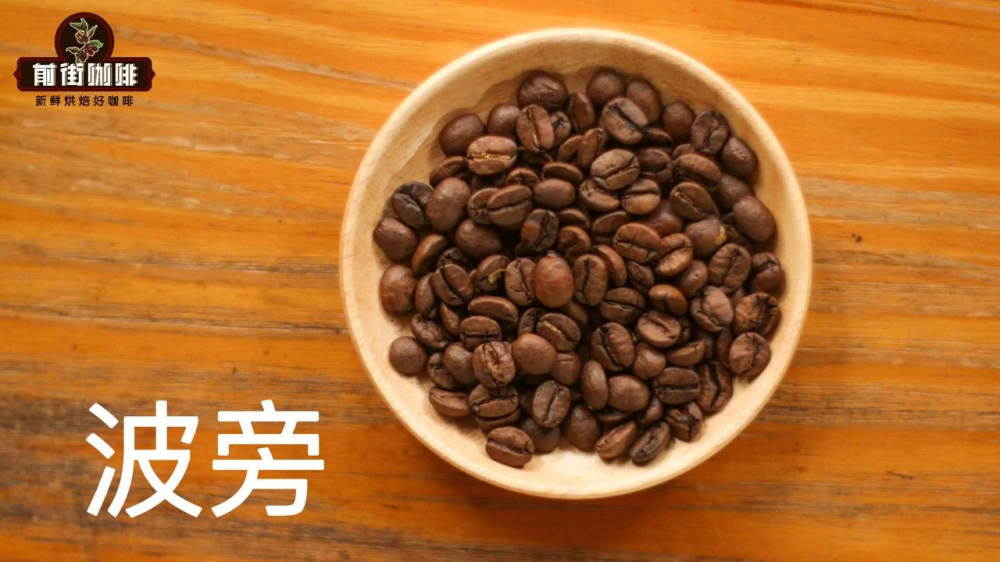
In summary, Honduras coffee—from the rise of its industry to the refinement of its regional flavor profiles—demonstrates this Central American nation’s deep potential in the coffee world. Whether you’re a beginner just starting with pour over or an advanced enthusiast seeking specific regional flavors, understanding Honduras’ regional characteristics and extraction parameters will help you delve deeper into the charm of the coffee nurtured by this land.
The above content is compiled by CoffeeHunters, a coffee news website.


