







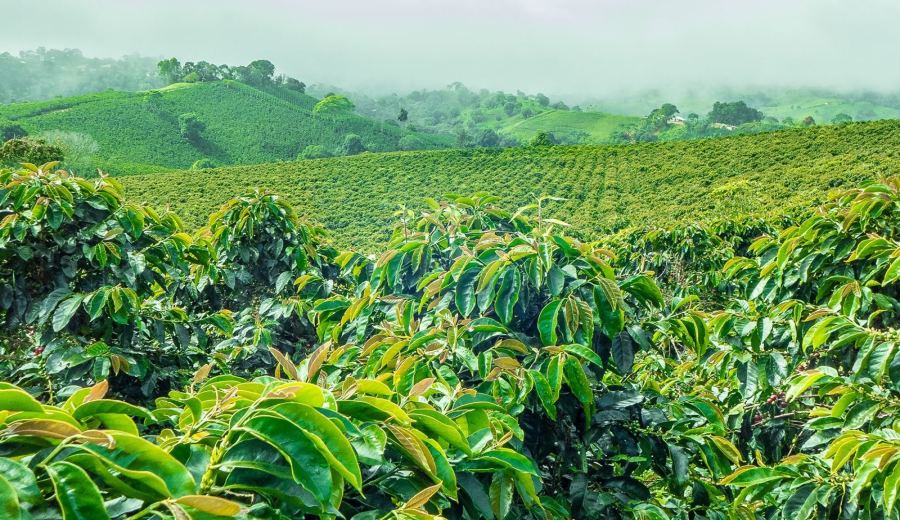
Introduction:Guatemala is one of the world’s most renowned specialty coffee origins, boasting eight distinct coffee-growing regions. This article delves into the terroir, coffee varieties, and processing methods of two well-known regions—Antigua and Huehuetenango—and shares pour over recommendations and extraction parameters to help readers better understand the unique flavors of these coffees and master practical tips for selection and brewing.
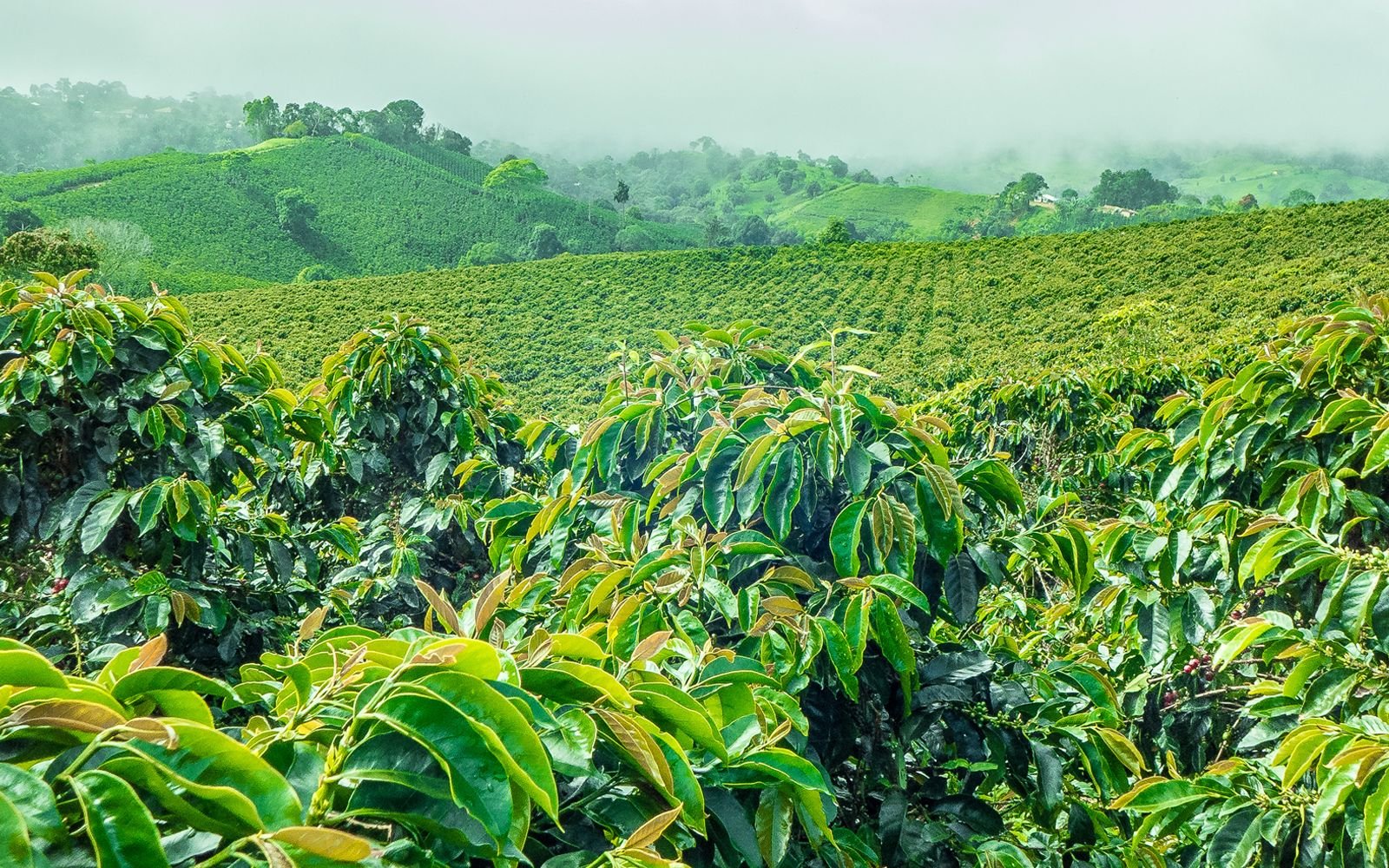
Although Guatemala is located in the tropics, its mountainous terrain, generally high elevations, mild climate, and fertile volcanic soils create an exceptionally favorable environment for coffee cultivation. The country has eight major coffee-growing regions, each producing beans with distinct flavor profiles due to differences in topography, climate, and soil. Among them, Antigua and Huehuetenango are internationally recognized as top-tier regions. The former is known for its balanced sweetness and acidity along with subtle smoky notes, while the latter showcases bright acidity, rich floral and fruity tones, and a sweet profile reminiscent of toffee, earning it the title “Crown Jewel of Guatemalan Coffee.”
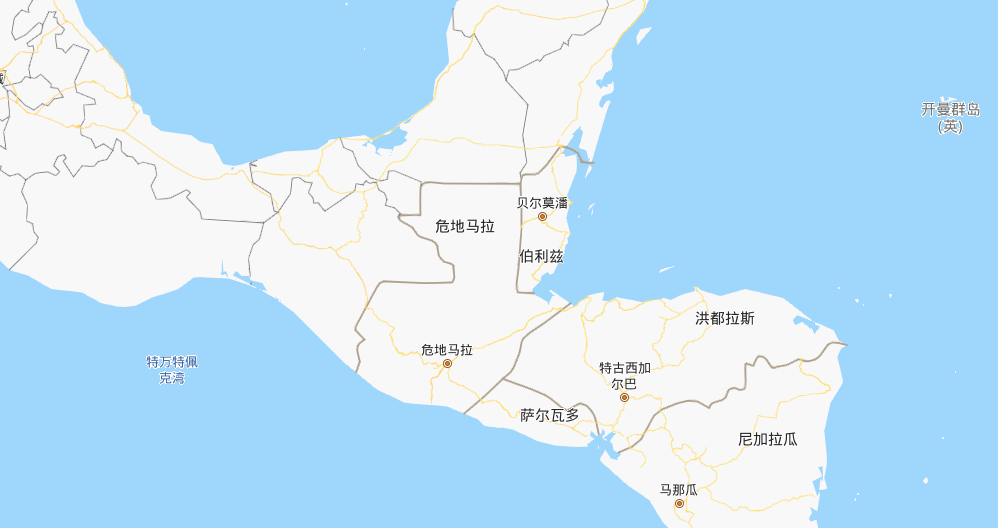
Situated in Central America, Guatemala borders Mexico to the north, Honduras and El Salvador to the south, the Caribbean Sea to the east, and the Pacific Ocean to the west. Its terrain includes tropical rainforests, highland valleys, and active volcanic zones. Roughly two-thirds of the country consists of mountains and plateaus, and its diverse climates result from varying elevations. With 34 volcanoes, the volcanic ash enriches the soil with abundant minerals, making it an ideal place for cultivating high-quality coffee. Most of the nation’s coffee is grown in the southern high-altitude areas, with over half of the beans reaching specialty grade—a key reason why Guatemalan coffee is highly esteemed in the international market.
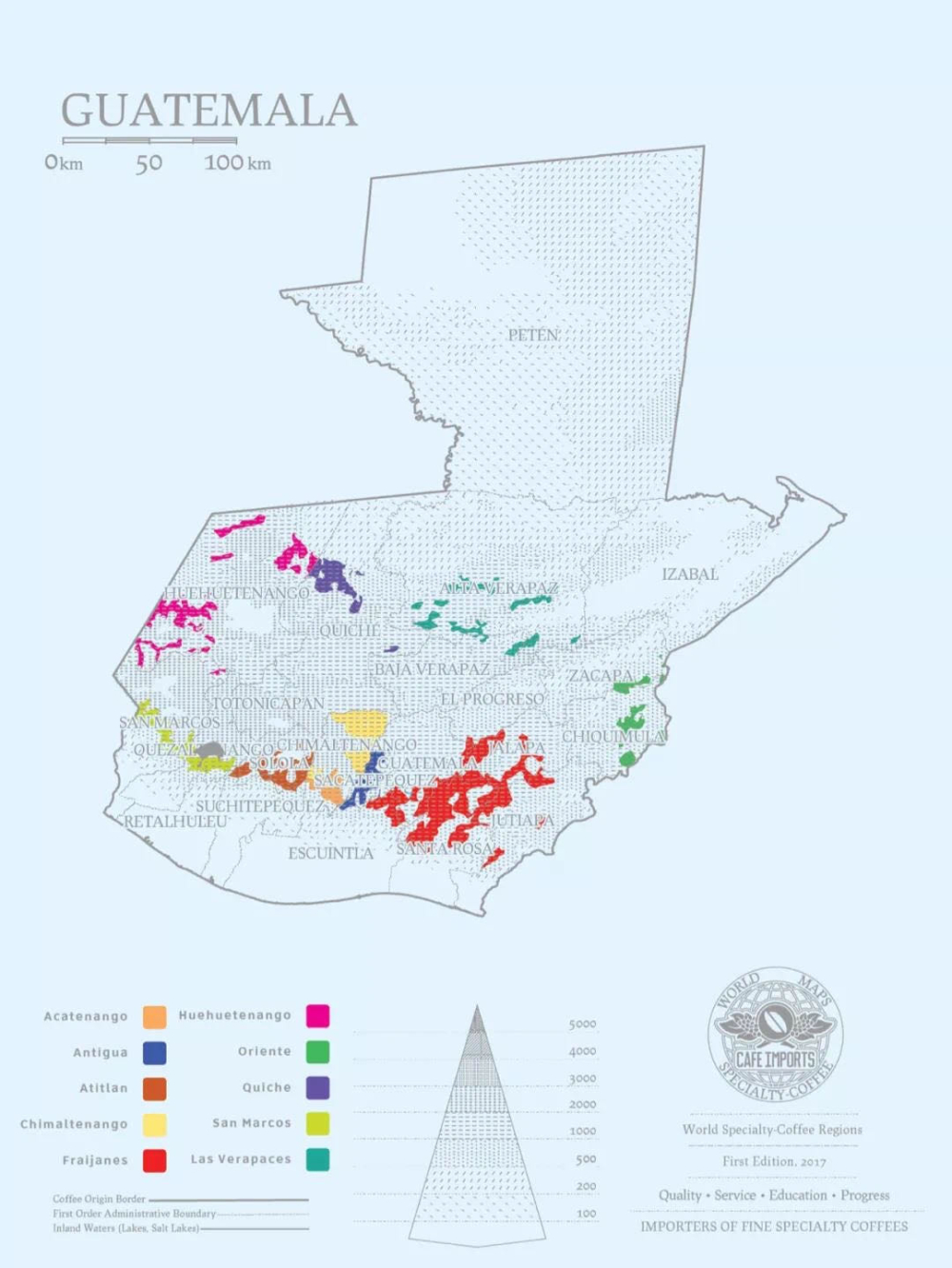
The country’s eight coffee-growing regions are: Huehuetenango, Antigua, Atitlán, Acatenango, Cobán, Nuevo Oriente, Fraijanes, and San Marcos. Each region imparts unique flavor characteristics to its beans due to differing geographical conditions, giving Guatemalan coffee a highly distinctive profile on the global stage.
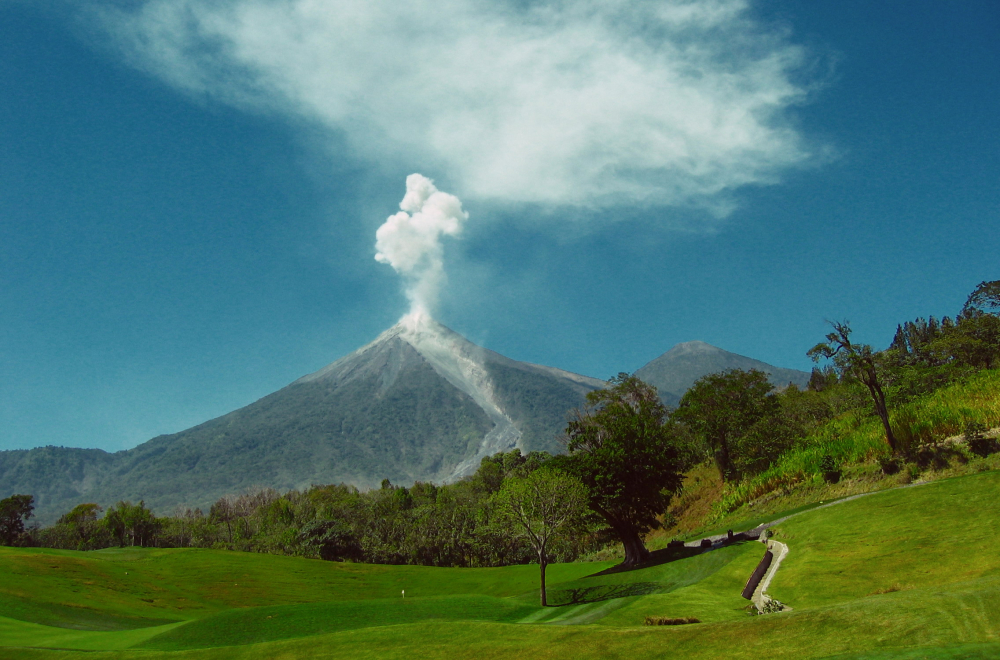
Located at the heart of Guatemala’s volcanic belt, the Antigua region is celebrated for its exceptional balance of acidity, sweetness, and body, along with subtle smoky and spicy undertones. This distinctive flavor profile is closely tied to the region’s frequent volcanic activity. Approximately once every thirty years, the area experiences a volcanic eruption, replenishing the soil with significant amounts of nitrogen and minerals. Coupled with moderate rainfall and ample sunlight, this makes it an ideal environment for growing premium coffee. The coffee is primarily cultivated on the slopes of the Volcán de Fuego at moderate elevations, and the Strictly Hard Bean (SHB) beans produced here not only have a plump appearance but also exhibit excellent acidity and complex spice aromas. Antigua is also the most prestigious and frequently award-winning coffee region in Guatemala. The commonly used washed processing method enhances its clarity and layered complexity, making it especially favored by pour over enthusiasts.
Another highly regarded region is Huehuetenango, where high altitudes and a dry climate give rise to a distinctly recognizable coffee character. The region’s average elevation ranges between 1,500 and 2,000 meters, making it the highest non-volcanic coffee-growing area in the country. The relatively dry climate and large diurnal temperature variations help coffee cherries ripen slowly, allowing them to accumulate richer flavor compounds. The coffee from this region is known for its bright acidity, delicate floral and fruity notes, and a warm toffee-like sweetness, resulting in a complex overall aroma profile that has earned it the title “Crown Jewel of Guatemalan Coffee.” Located on the western plateau and unaffected by volcanic activity, the region benefits from dry, hot winds from Mexico, enabling successful coffee cultivation even at high altitudes. Most of the beans are of SHB (Strictly Hard Bean) grade, indicating very high quality.
In the Huehuetenango region, the coffee processing workflow mostly employs the washed method. First, floatation is used to remove unripe and defective beans, followed by the removal of the outer skin and pulp of the coffee cherry using a depulper. Then, a 16 to 36-hour fermentation process takes place, during which microorganisms help separate the mucilage from the seeds. After fermentation, the beans are thoroughly rinsed with large amounts of clean water, then spread out evenly until their moisture content is reduced to 10–14% before packaging. The washed processing method not only effectively reduces defect rates but also results in superior cleanliness and flavor consistency, making it the widely adopted refinement technique in this region.
In terms of coffee varieties, Guatemala grows a diverse range of coffee tree species, including traditional ones such as Typica, Bourbon, Caturra, and Catuaí, as well as smaller quantities of emerging varieties like Geisha and Pacamara. Among them, the regular Huehuetenango beans are typically a blend of Caturra, Catuaí, and Bourbon, combining the characteristics of each variety to deliver a balanced flavor profile. The Huehuetenango beans from this origin follow this mixed recipe, are medium roasted, and present a nutty base note along with the crisp acidity typical of washed processing. Upon cooling, berry-like aromas can be detected, and the finish carries a subtle lemon peel note. These beans are well-suited for appreciation through pour over brewing.
If you’d like to brew Guatemalan coffee at home, especially beans from the Huehuetenango region, the following pour over parameters can serve as a reference: It is recommended to use a Hario V60 filter cone, with around 15 grams of coffee grounds. The water temperature should be controlled at approximately 90°C, and the grind size should ideally pass through a #20 sieve at 75%, equivalent to a medium-fine grind. The coffee-to-water ratio is suggested at 1:15, though this can be fine-tuned according to personal taste. Use the three-pour method: first, pour about twice the weight of the coffee grounds (around 30 grams) for a 30-second bloom to initiate the release of aromatic compounds; second, slowly pour up to 125 grams, circling evenly from the center outward; when the water level drops to the middle of the filter cone, continue pouring until the total water volume reaches 225 grams. Finally, wait for all the coffee liquid to drip through, with a total extraction time of about 2 minutes. These parameters help balance sweetness and acidity, highlight clear layers, and deliver a clean finish.
Overall, across Guatemala’s eight coffee-growing regions—whether it’s the spicy notes and balanced acidity-sweetness of Antigua or the floral-fruity aromas and toffee-like sweetness of Huehuetenango—the country’s coffee showcases remarkable diversity and outstanding quality. Understanding the terroir and processing methods of each region not only helps coffee enthusiasts more deeply appreciate the unique personality of each bean but also enables better choices in selection and brewing, allowing one to fully enjoy the coffee elegance from the highlands of Central America.
The above content is compiled by CoffeeHunters, a coffee news website.


