







Introduction:The flavor profile of pour over coffee is largely determined by precise control over grind size. This article starts with the industry-standard 20-mesh sieve used in cupping and walks you through how to assess grind size based on sieve percentage, analyzes the impact of grinds that are too coarse or too fine on extraction, and offers practical calibration steps. You’ll learn how to adjust parameters based on roast level and fine-tune by observing brew flow rate—so you can consistently brew richly layered pour over coffee at home.
For many pour over enthusiasts, grind size is often the key variable affecting extraction results. To master this skill, it’s a good idea to start with the industry-recognized cupping standards. As an essential method for evaluating coffee bean quality, the grind setting used in cupping offers highly valuable reference for home brewing.
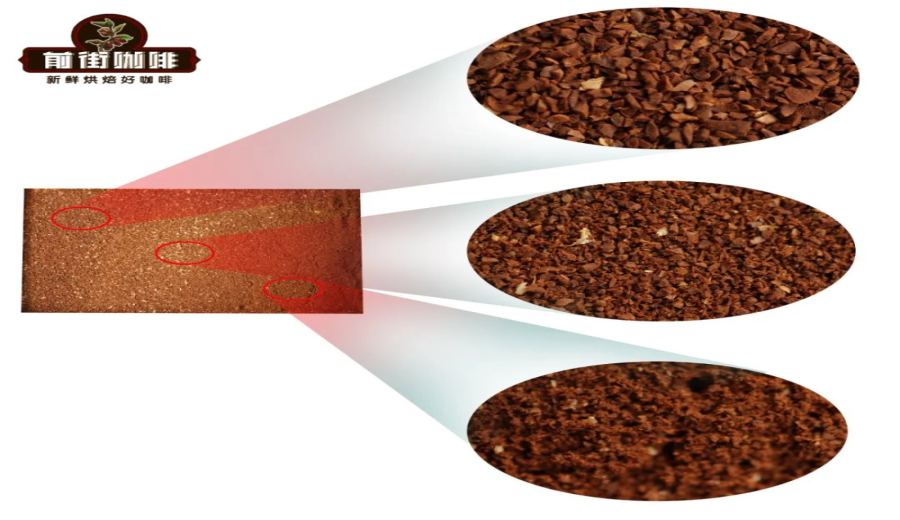
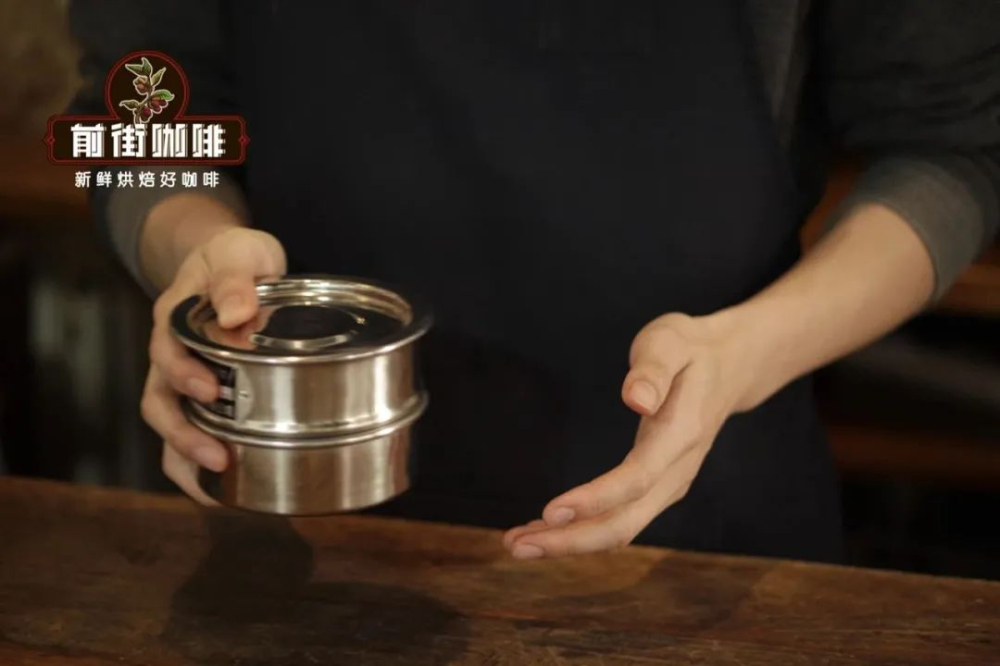
In the cupping process, the standard grind size is based on a 70–75% sieve percentage using a No. 20 Chinese sieve. Here’s a brief introduction to the No. 20 sieve: it has an aperture of 0.85 mm and is a common particle grading tool. Simply use a sieve that meets the specifications, pour the ground coffee into it, and shake it horizontally until no more noticeable particles fall through. Then weigh the coffee powder that passes through the sieve to calculate the sieve percentage. For example, if you grind 20 grams of coffee and 15.2 grams pass through the sieve, the sieve percentage is 76%, indicating a slightly finer grind.
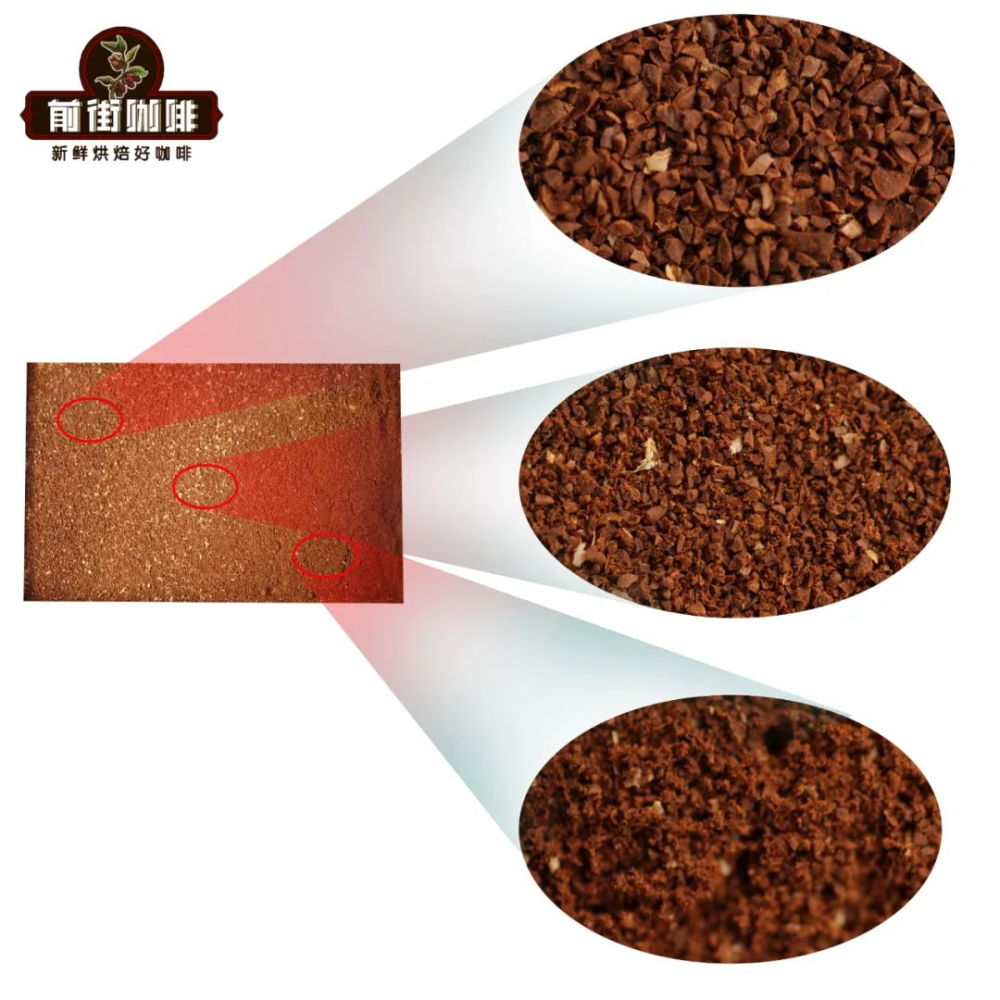
Once you’ve mastered this method, you can adjust grind size using specific numerical values, no matter which pour over device you use. However, it’s worth noting that since pour over is a drip filtration extraction method, the brewing time is usually controlled between 1 minute 30 seconds and 2 minutes 30 seconds—shorter than the immersion method used in cupping. Therefore, it’s generally recommended to set the grind size slightly finer than the cupping standard to fully showcase the coffee’s flavor characteristics.
So, what effects do grinds that are too fine or too coarse have? When coffee is ground too finely, the gaps between particles become smaller, significantly increasing water resistance and thus prolonging the drip time. At the same time, the total surface area of the fine particles increases, leading to more opportunities for coffee substances to be extracted. The result is often a coffee that tastes intense, with prominent bitterness and even astringency, while other delicate flavors can easily be masked.
Conversely, if the grind is too coarse, the gaps between particles are larger, allowing water to flow through smoothly and speeding up the filtration process. But because the total surface area of coarse particles is smaller, the contact area for extraction is limited, which can easily lead to under-extraction. This makes the coffee taste thin and lack complexity, often resulting in less-than-ideal flavor expression.
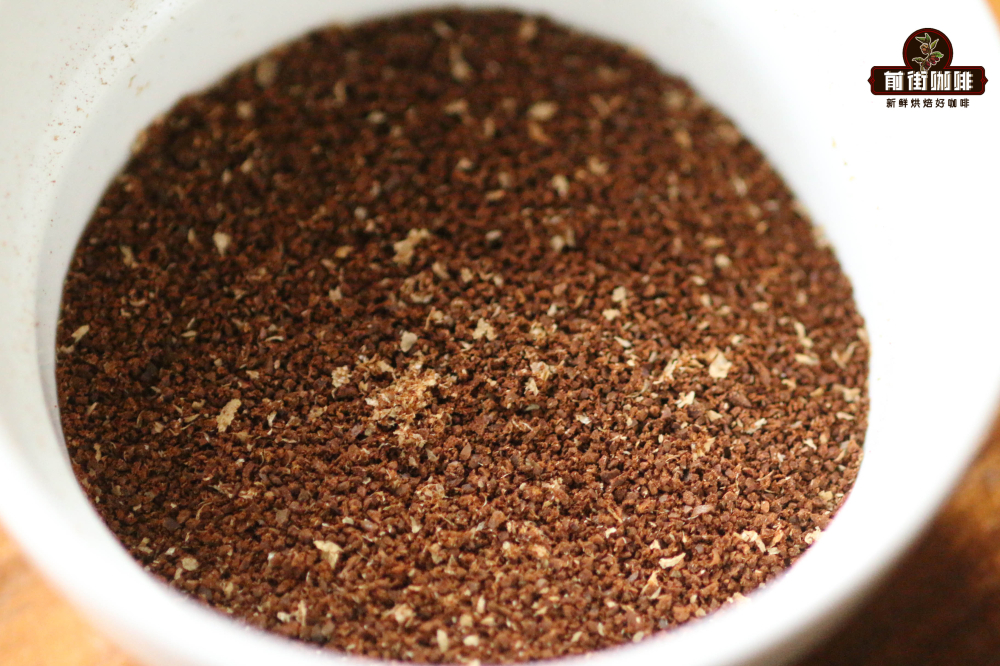
So, how can you accurately determine the right grind size? It’s recommended to follow these calibration steps: start by taking 10 grams of coffee beans (for ease of calculation, you can also choose a multiple of 10—the more coffee, the more accurate the data), grind them at your target setting, and pour the ground coffee into the sieve. Shake it horizontally for about 3–5 minutes until no more noticeable particles fall through. Then weigh the coffee powder that passes through the sieve and divide it by the total amount of coffee to get the sieve percentage. For instance, if 5 grams of coffee pass through, the sieve percentage is 50%; if your goal is 80%, you’ll need to adjust the grinder setting to make the grind finer and measure again until the desired percentage is achieved.
Different roast levels of coffee beans also suit different grind sizes. Take medium-light roasted coffee as an example—these beans often exhibit pronounced floral, fruity, or juice-like notes. For instance, some washed-process beans may give off hints of white flowers, while natural-processed beans might have strawberry or tropical fruit tones. Since medium-light roasts are exposed to heat for a shorter time, the beans are relatively hard and require a finer grind (sieve percentage recommended at 75–80%) to effectively release their flavors.
As for medium-dark roasted beans, due to the longer roasting time, the internal structure of the beans is looser and contains more caramelized compounds. It’s recommended to use a coarser grind (sieve percentage 70–75%) to avoid over-extraction. For example, common Indonesian Mandheling or Brazilian beans, when ground within this range, typically deliver a rich and balanced mouthfeel.
In addition to sieve percentage, observing the brew flow rate during extraction is also an important indicator for assessing grind size. The coarser the coffee grounds, the faster the water flows through; conversely, the finer the grounds, the slower the flow. This speed directly affects the contact time between water and coffee grounds, thereby determining the extraction rate. By keeping other parameters (such as coffee-to-water ratio and water temperature) constant, simply adjusting the grind size can change the extraction time.
For example, if you’re using 15 grams of light-roasted coffee beans, with the water temperature set at 92°C and a coffee-to-water ratio of 1:15, the ideal brew time should fall between 2 and 2½ minutes. If the actual extraction time is too fast or too slow, you can adjust the grind size accordingly: if the water flows through too quickly, it means the grind is too coarse and should be adjusted finer; if it flows too slowly, the grind is too fine and should be adjusted coarser. Through such fine-tuning, you can more stably highlight the flavor characteristics of the coffee.
The above content is compiled by CoffeeHunters, a coffee news website.


