







Introduction:Want to dive deeper into the top-tier Geisha variety in specialty coffee? This article provides a detailed breakdown of the grading logic, regional background, and flavor characteristics of Panama’s Hacienda La Esmeralda’s Red Label, Green Label, and Blue Label Geishas. It also covers the practical differences between washed and natural processing methods, as well as key roasting considerations. Additionally, it introduces representative farms and popular beans from the two major regions of Boquete and Volcán, helping you grasp the full picture of Geisha—from cultivation and processing to brewing. It's a practical guide valuable for both beginners and advanced enthusiasts.
Geisha coffee stands out in the specialty coffee market with its unique floral and fruity aromas and bright, clean flavors. Especially those from Panama’s Hacienda La Esmeralda—its Red Label, Green Label, and Blue Label Geishas—have become industry benchmarks for grading and quality. This article will clearly explain the grading criteria, actual flavor differences, and regional characteristics of these three grades, giving you a more comprehensive understanding of what is often called "the taste of money."
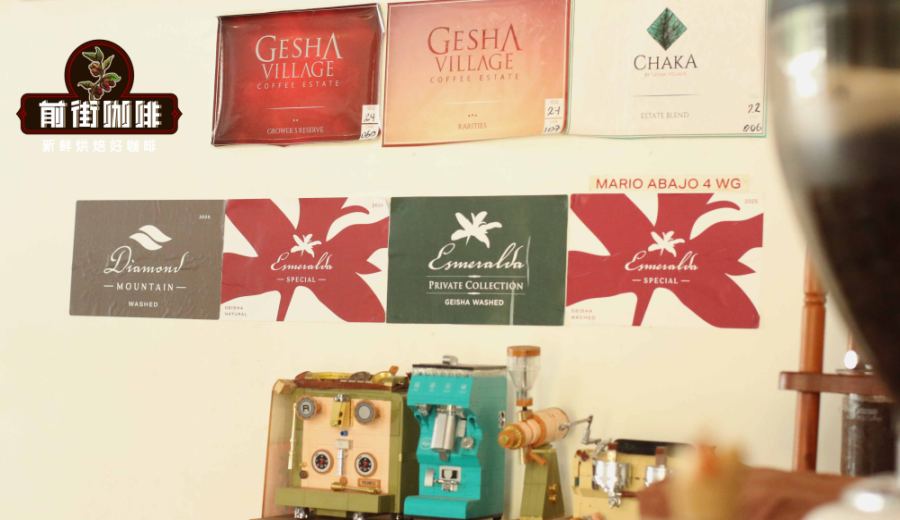
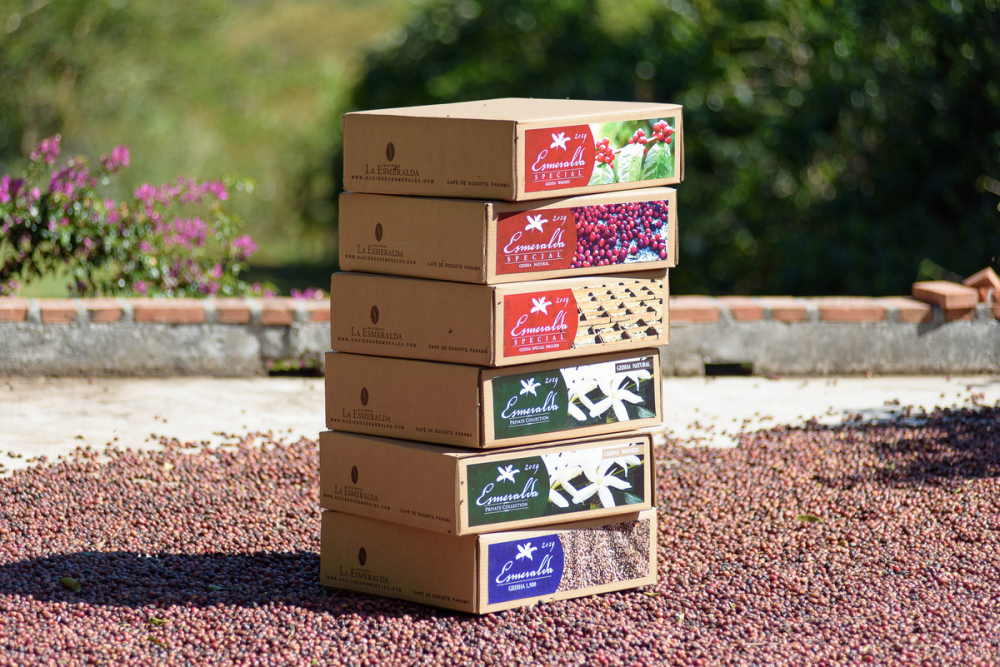
As a driving force behind Geisha coffee, the success of Hacienda La Esmeralda stems not only from unlocking the potential of the Geisha variety but also from its rigorous grading system and commitment to quality. Within the Hacienda La Esmeralda system, Geisha grades are mainly divided into Red Label, Green Label, and Blue Label, each with clear altitude ranges, cupping scores, and processing methods. Among them,Red Label Geishacomes from the Jaramillo and Cañas Verdes plots, at altitudes between 1600-1800 meters, and typically scores 90 or above in cupping tests, making it the industry-recognized top-tier Geisha.
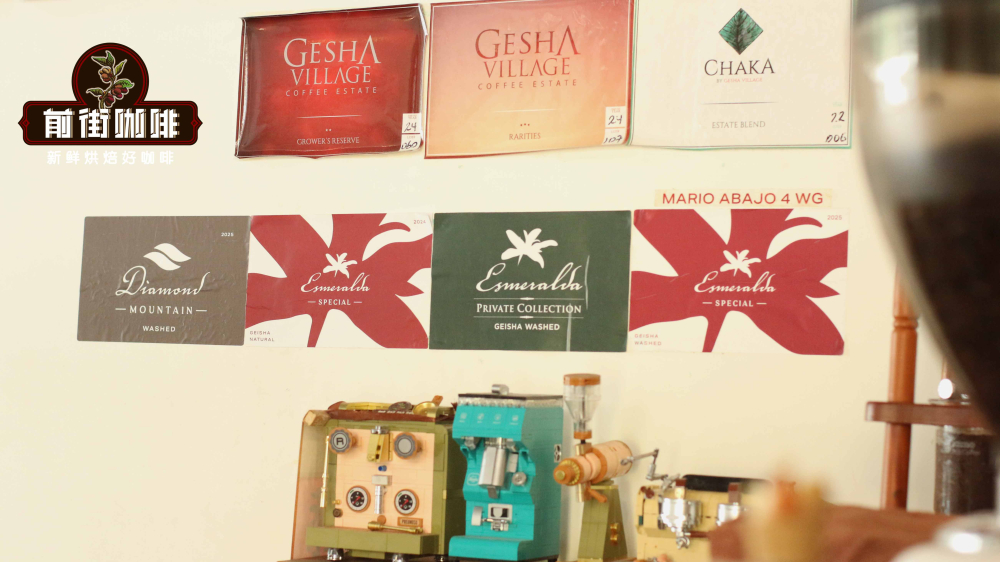
Red Label Geisha is available in both auction and non-auction versions. Although named differently, both actually come from the same high-quality plots—the only difference is whether they are entered into the annual auction. This grade commonly features both natural and washed processing methods,delivering extremely bright flavors, often with notes of citrus, lemon, berries, and floral tones, with a creamy smoothness in the aftertaste, making it an excellent entry choice for pour over coffee.
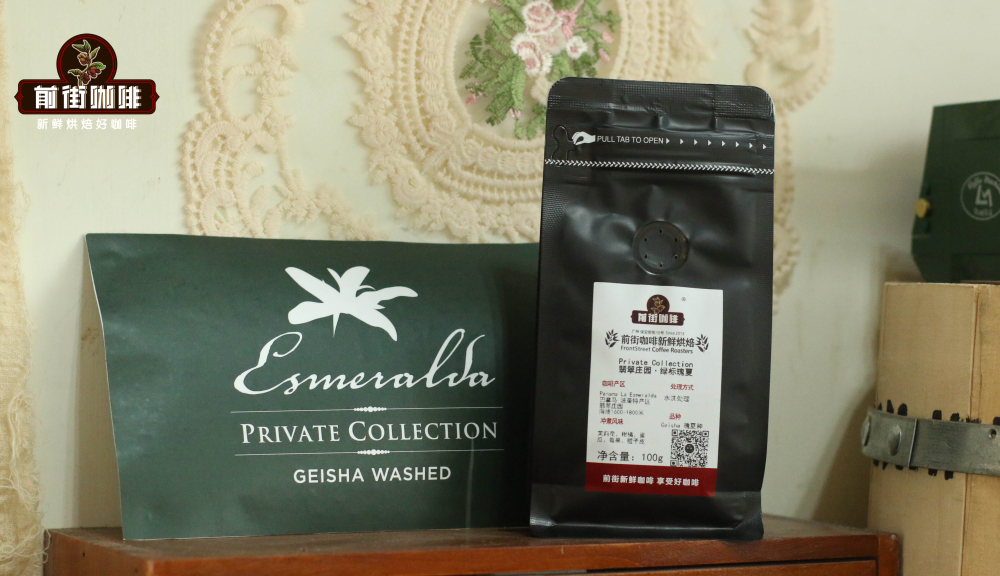
Green Label Geisha, also known as “Private Collection,” is a micro-lot blend. While it can’t be traced back to specific plots, the overall quality remains outstanding.This Geisha is usually a blend of small lots from different altitudes and regions, with cupping scores slightly lower than Red Label but still retaining the classic Geisha floral notes, fruit acidity, and citrus character. For consumers just starting to explore Geisha, the Green Label offers great value for money.
Blue Label Geisha(also known as Geisha 1500) uses beans grown at 1400-1500 meters, blended from three different plots, and is the most affordable among the three grades. Traditionally, Blue Label is only offered with washed processing, featuring soft floral notes and delicate fruit acidity, but in recent years, a natural version has also been introduced, adding layers of tropical fruit and honey.Blue Label is ideal for coffee lovers who prefer a clean, refreshing taste and want to explore the foundational flavors of Geisha.
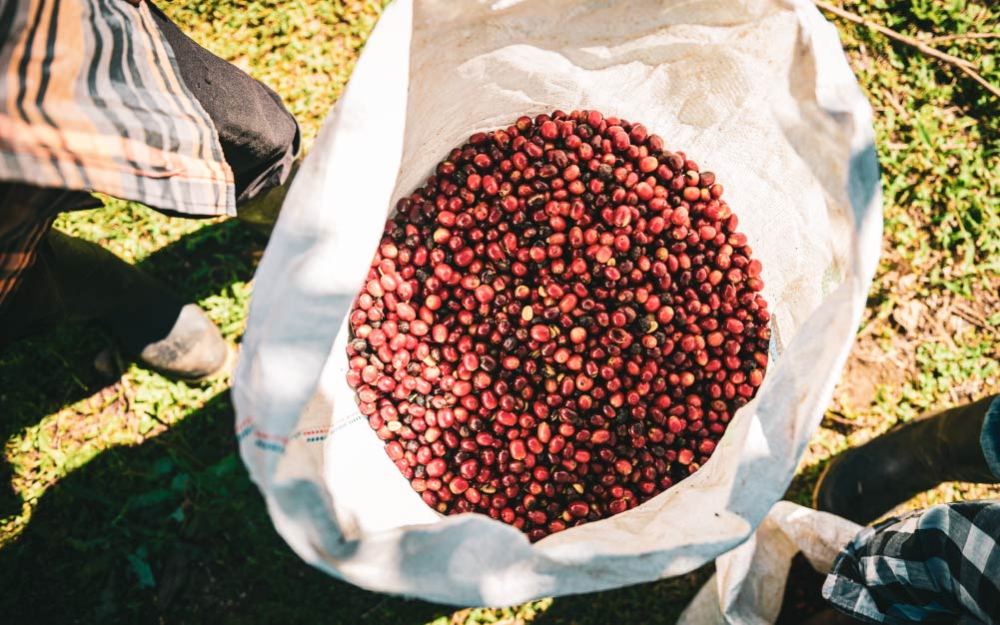
Hacienda La Esmeralda exercises strict control over both washed and natural processing methods for Geisha. For example, in the washed Red Label process, harvested coffee cherries are first floated to remove impurities, then undergo pulping, fermentation, washing, and are dried either in the shade or on raised beds. Natural processing, on the other hand, involves drying the whole coffee fruit directly in the sun until the moisture content drops to a safe level, then moving it to a dryer to stabilize the quality—during which it’s especially important to avoid moisture affecting the flavor.
Beyond Hacienda La Esmeralda, the Boquete region is also a key hub for specialty coffee in Panama, whereFinca Lerida’s Geisha Blend “Butterfly” (花蝴蝶咖啡豆)is a must-mention popular offering. This bean is a blend of Geisha, Caturra, and Catuai varieties, processed using washed methods and grown in the high-altitude areas near the Barú Volcano. It exhibits intense floral aromas, citrus tones, and honey-like sweetness,with a full body and high sweetness that make it a favorite for pour over or filter brewing.
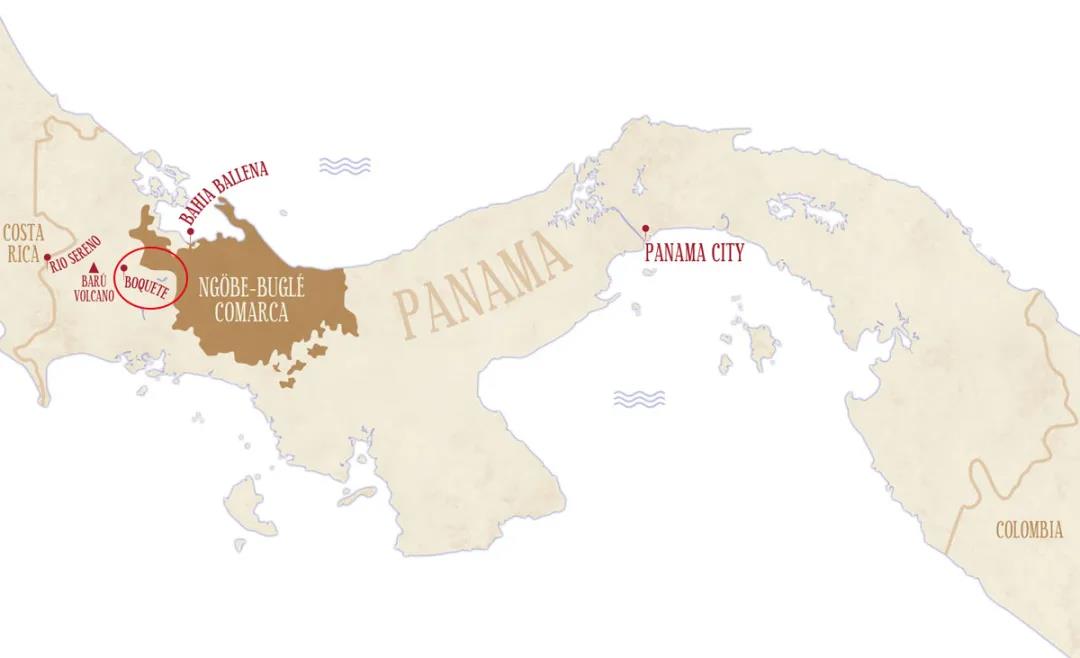
The Volcán region is famed for Jensen Geisha. This bean, produced in limited quantities and mostly for domestic consumption, rarely makes it to export markets, yet is revered as the “champagne of coffee.”Grown under abundant rainfall and volcanic soil, Jensen Geisha showcases delicate berry aromas, honey-like sweetness, and lychee notes, with a clean and layered mouthfeel, making it a must-try when exploring Panama’s niche regions.
Additionally, Volcán’s Hartmann Estate is known for its red wine processing method (also called carbonic maceration), which simulates the temperature, humidity, and pH control of winemaking to impart intense fruity notes and high sweetness to the beans,with noticeable brown sugar and winey aftertastes upon cooling—a great option for advanced enthusiasts looking to explore processing-method-driven flavor variations.
In summary, from Hacienda La Esmeralda’s Red, Green, and Blue Label Geishas to the diverse varieties and processing methods of the Boquete and Volcán regions, Panama’s specialty coffee scene showcases remarkable diversity and refinement. Whether you’re a beginner just starting with pour over coffee or an advanced roaster seeking high-altitude single-origin beans, understanding these grading and processing details can help you choose and brew your desired coffee flavors more precisely.
Below are some of our site’s selected Panamanian specialty coffee beans with basic info for reference:
1. Panama Finca Lerida Butterfly Geisha Blend
Region: Panama, Boquete
Altitude: 1600m
Variety: Geisha, Caturra, Catuai
Processing Method: Washed
Flavor: Citrus, floral, tea-like, honey, high sweetness
2. Panama Blue Label Natural Geisha
Origin: Panama, Boquete
Farm: Hacienda La Esmeralda
Grade: Blue Label
Altitude: 1500m
Variety: Geisha
Processing Method: Natural
Flavor: Peach, floral, cantaloupe, strawberry
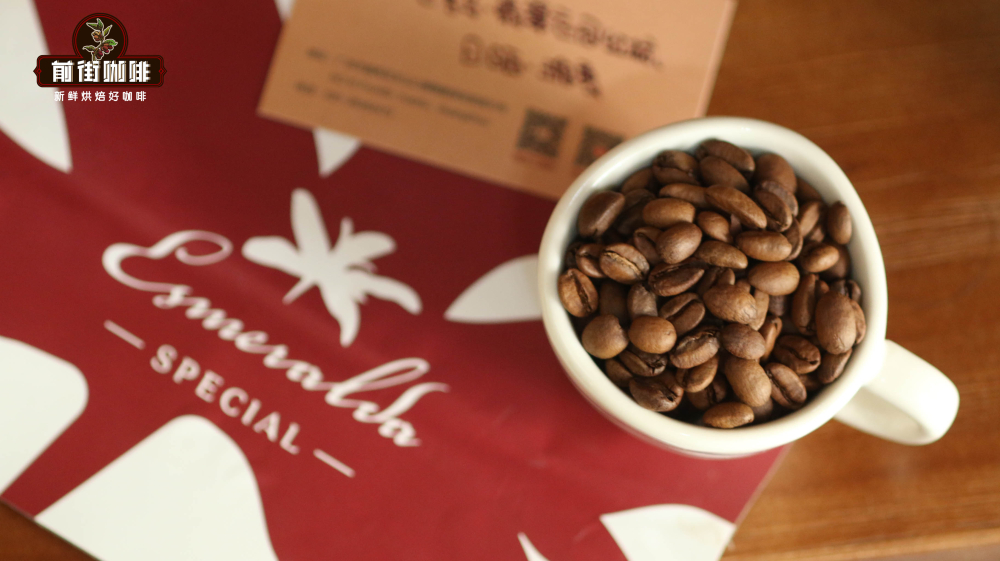
3. Hacienda La Esmeralda Red Label Geisha
Region: Boquete (Bouquete)
Farm: Hacienda La Esmeralda
Altitude: 1700m
Processing Method: Natural
Variety: Geisha (Geisha variety)
Flavor: Lemon, honey, berries, orange peel, cream, citrus
4. Panama Finca Elida Coffee Beans
Region: Panama Boquete Region
Farm: Elida Estate
Altitude: 1850m
Variety: Catuai
Processing Method: Natural
Flavor: Fermented fruit acidity, jasmine floral, peach, citrus acidity, pronounced cane sugar sweetness, overall sweet
5. Panama Finca Hartmann Coffee Beans
Region: Volcán Region
Altitude: 1250m–1700m
Processing Method: Red Wine Process (Carbonic Maceration)
Variety: Catuai
Farm: Hartmann Estate
Flavor: Rich wine aroma, high sweetness, vibrant acidity, prominent brown sugar notes after cooling
6. Panama Jensen Geisha Coffee Beans
Region: Volcán Region
Processing Method: Natural
Annual Rainfall: 3000mm
Soil: Volcanic soil
Flavor: Delicate berries, honey, lychee, clean mouthfeel
The above content is compiled by CoffeeHunters, a coffee news website.


