







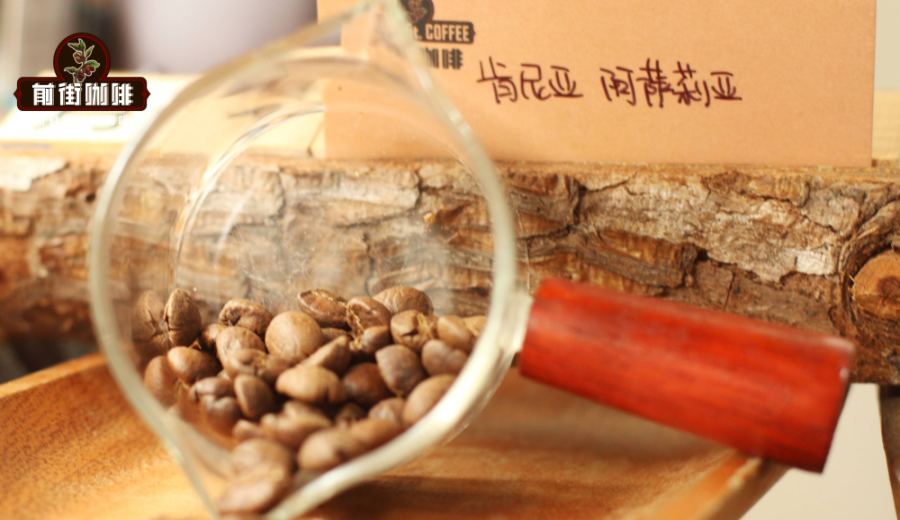
Introduction:Kenyan coffee is renowned for its bright acidity and clean profile, with AB-grade beans being an especially high-value choice among specialty options. This article takes an in-depth look at the origin background of the Kenya AB Komotinya Cranberry, the characteristics of the SL28 and SL34 varieties, the key steps of the K72 washed process, and provides practical roasting and pour over parameters to help you uncover the secrets behind this coffee’s balanced sweet and sour flavors.
Kenyan coffee has long stood out in the global specialty market for its unique fruity acidity and clarity of flavor, particularly the beans graded AB, which are often the first choice for many coffee enthusiasts. Starting with a particular Kenya AB Komotinya Cranberry that once sparked much discussion, this article will guide you through the geographical conditions of Kenya’s growing regions, the historical background of the SL-series varieties, the grading logic of AB and AA, and the most distinctive K72 double-fermentation washed process. It also includes tested roasting profiles and pour over recommendations to help you fully understand the sources of this coffee’s aromatic acidity and learn how to brew it to achieve a balanced, juicy flavor.
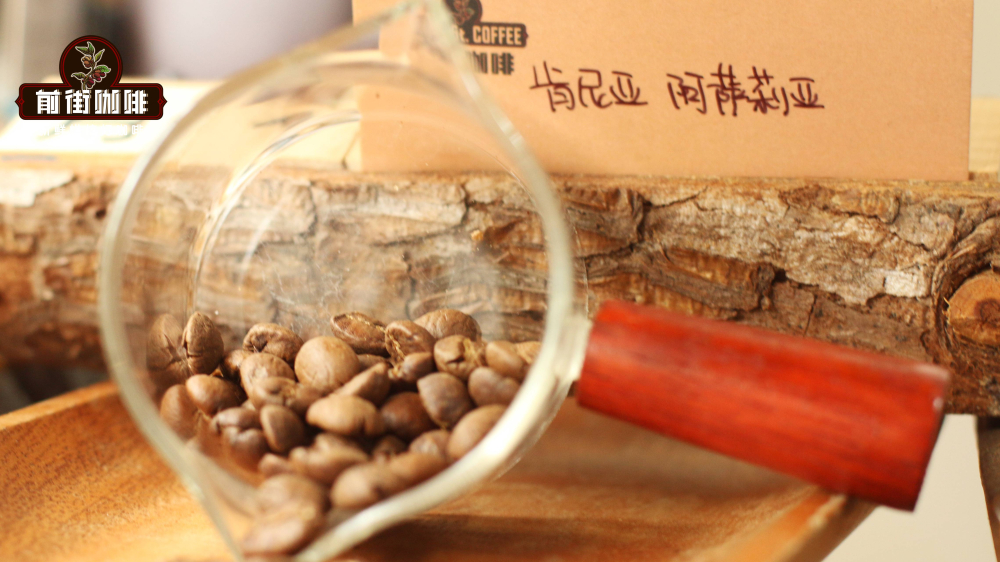
Although one well-known coffee brand used to carry only a single Kenyan-origin offering on its menu, several Kenyan beans previously introduced by them remain the talk of many coffee aficionados to this day. In particular, the Kenya AB-grade coffee known as the “Cranberry” left a particularly impressive impression with its flavor profile. Although it belongs to the AB grade—which is slightly below the top-tier AA—it is still of outstanding quality. When brewed at higher temperatures, its berry aroma is prominent, the acidity is vibrant and bright, and the cup offers a distinct berry sweetness on the palate; as the temperature cools, the acidity becomes more structured, and the finish even carries a hint of creamy smoothness. Below is detailed information about this coffee:
Origin: Kiambu
Micro-region: Gitwe
Soil: Volcanic clay
Altitude: 1400–1800 meters
Variety: L-28, SL-34, Ruiru 11
Processing Method: Kenyan-style 72-hour washed
The reason Kenyan coffee boasts such captivating flavor profiles is closely tied to its growing altitude, microclimate, and processing techniques. For this Cranberry, the most critical factor is undoubtedly its use of the K72 washed process. Compared to standard washed methods, K72 employs a double fermentation process that results in brighter acidity and a cleaner taste. The following will explore the origin background before delving into each step of this process.
01 | Overview of the Kenyan Origin
Located in East Africa and neighboring Ethiopia, Kenya shares a similar high-altitude environment suitable for coffee cultivation, although its coffee industry started later. Historical records indicate that coffee was first introduced to Kenya in 1893, with seeds sourced from Brazil—specifically the Bourbon variety—brought in by French missionaries. The journey of coffee’s spread was anything but straightforward, but it eventually found an ideal growing environment in the African Rift Valley, giving rise to the distinctive flavors of Kenyan coffee today.
02 | Regional Distribution and Production Models
Most of Kenya’s coffee is grown by smallholder farmers, with annual yields typically limited to just a few hundred kilograms. Farmers deliver their coffee cherries to nearby processing factories (Coffee Factories) based on proximity and pricing. These factories usually have reliable water supplies, enabling them to carry out meticulous washed processes that further enhance the regional character and flavor expression of the coffee. Major producing areas include the central highlands such as Nyeri, Kiambu, and Kirinyaga, as well as the western highlands near the Ugandan border.
03 | Key Cultivars: SL28 and SL34
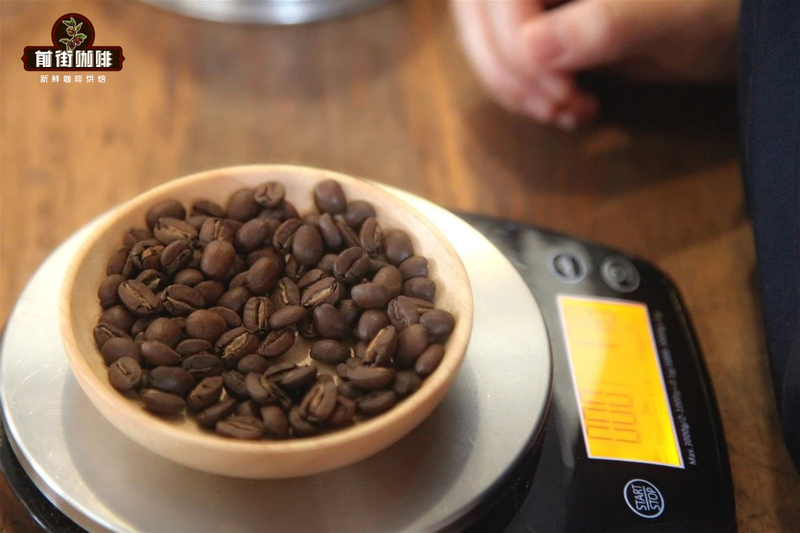
The soul of Kenyan coffee lies in the SL28 and SL34 varieties, developed by Scott Laboratories in the 1930s. SL28 features copper-colored leaves and pea-shaped beans, and is noted for its citrus and dark plum notes, with excellent sweetness and layered complexity. SL34, on the other hand, delivers a richer and more robust flavor, with complex yet clean acidity and better tolerance to heavy rainfall. Together, these two varieties form the classic flavor backbone of Kenyan coffee. Varieties such as Ruiru 11, which offer disease resistance, are also cultivated, though their flavor profiles generally fall slightly short.
This particular AB Komotinya Cranberry from the brand combines a blend of SL-28, SL-34, and Ruiru 11, showcasing the typical sweetness, balance, and vibrant fruitiness of Kenyan coffee.
04 | Detailed Breakdown of the K72 Washed Process
The rich layers and clean taste of Kenyan coffee hinge on its unique K72 double-fermentation washed process. This method involves two rounds of fermentation and washing. Though time-consuming and water-intensive, it fully brings out the coffee’s acidic brightness and purity.
First Fermentation: After harvest, coffee cherries are first sorted by water density to remove unripe or overripe fruits. The remaining high-density ripe cherries are then depulped, and the attached mucilage is fermented in water for approximately 24 hours. This stage converts sugars and lays the foundation for the coffee’s acidity and sweetness.
Second Fermentation: The pre-washed beans are soaked again for 12 to 24 hours to further enhance the complexity of the acidity and boost amino acid content. Finally, the mucilage is thoroughly removed, and the beans are placed on raised beds to sun-dry for about 5 to 10 days, depending on weather conditions.
05 | Roasting and Green Bean Analysis
The Cranberry beans are relatively small in size, with medium density and low moisture content. To balance the acidity and improve overall mouthfeel, a light-to-medium roast strategy was employed—emphasizing smoother flavor development compared to the lighter roasts typically used for Kenyan beans. During roasting, by controlling the heat curve and extending the first crack phase to promote caramelization, more pronounced citrus, berry, and grapefruit notes are coaxed out.
06 | Kenya Coffee Grading System
Kenyan coffee is graded primarily by bean size and shape. Common grades include AA, AB, C, E, and PB. Grade AA consists of 17–18 screen-sized beans—the largest in size and usually the highest priced; Grade AB includes 15–16 screen-sized beans, which are slightly smaller but still deliver excellent flavor. This Cranberry is an AB-grade coffee, making it a great value option. Additionally, higher-quality batches are often distinguished in the market by a “+” mark or estate designation.
For Kenyan coffees with pronounced acidity, the following pour over parameters are recommended to achieve optimal balance:
V60 dripper, water temperature 91°C, coffee-to-water ratio 1:15, coffee dose 15g, grind size (80% passing through a Chinese 20-mesh sieve). Pour over technique: 30g water bloom for 30 seconds, then slow circular pouring to reach 125g first pour, followed by additional pouring to 225g total, with a total brew time of around 2 minutes. These parameters highlight the balanced sweet and sour profile along with juicy fruitiness, making them suitable for everyday brewing.
The above content is compiled by CoffeeHunters, a coffee news website.


