







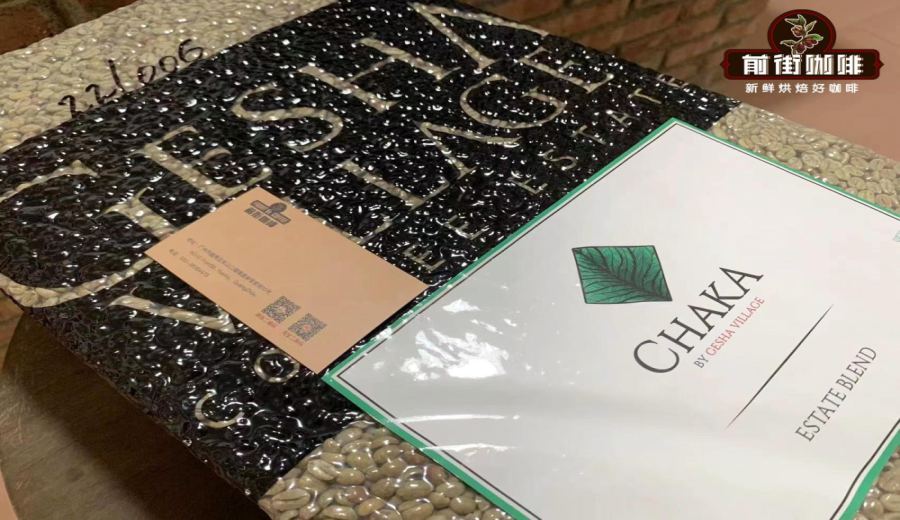
Introduction:A deep dive into the limited edition Chaka Village from Ethiopia’s Bench Maji region, exploring the flavor profiles of its washed and natural processing methods, along with recommended roast levels and pour-over brewing techniques. Whether you're new to Gesha flavors or aiming to refine your pour-over skills, this article provides practical insights.
Deep in Ethiopia’s Bench Maji region, the Gesha Village estate has been dedicated to reviving and cultivating native Gesha varieties since its establishment in 2011. Its limited edition Chaka project is grown near the nearby Gori Gesha forest, featuring primary varietals including Gori Gesha, Gesha 1931, and Illubabor. This article will guide readers through the origins of this rare coffee, its connection to Panamanian Gesha, and an in-depth analysis of the flavor differences between its washed and natural processes, followed by practical pour-over recommendations to fully showcase its potential.
The Origins and Varietal Selection of the Chaka Project
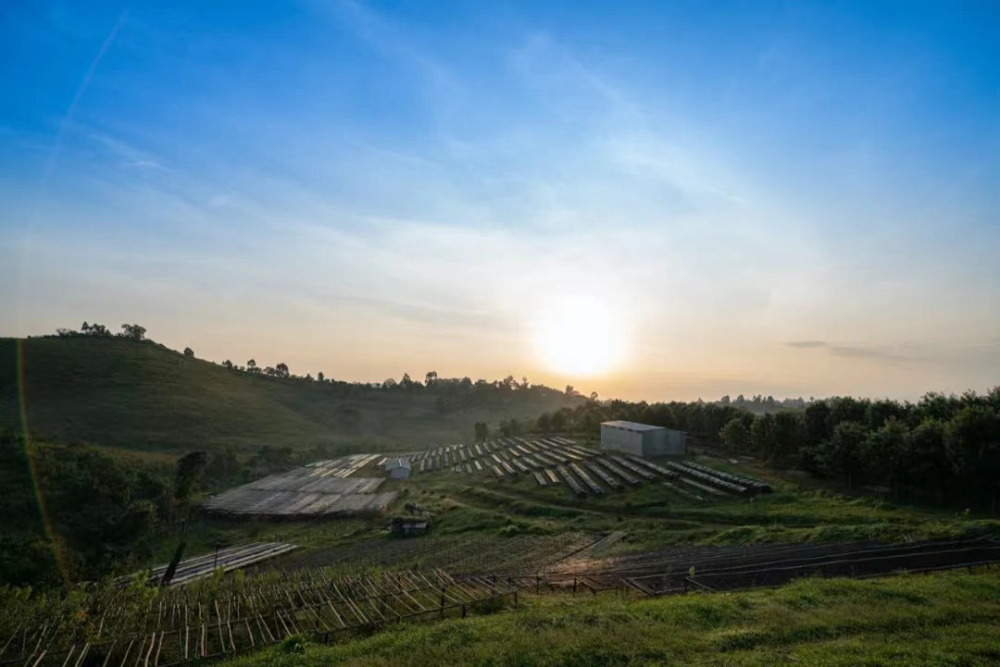
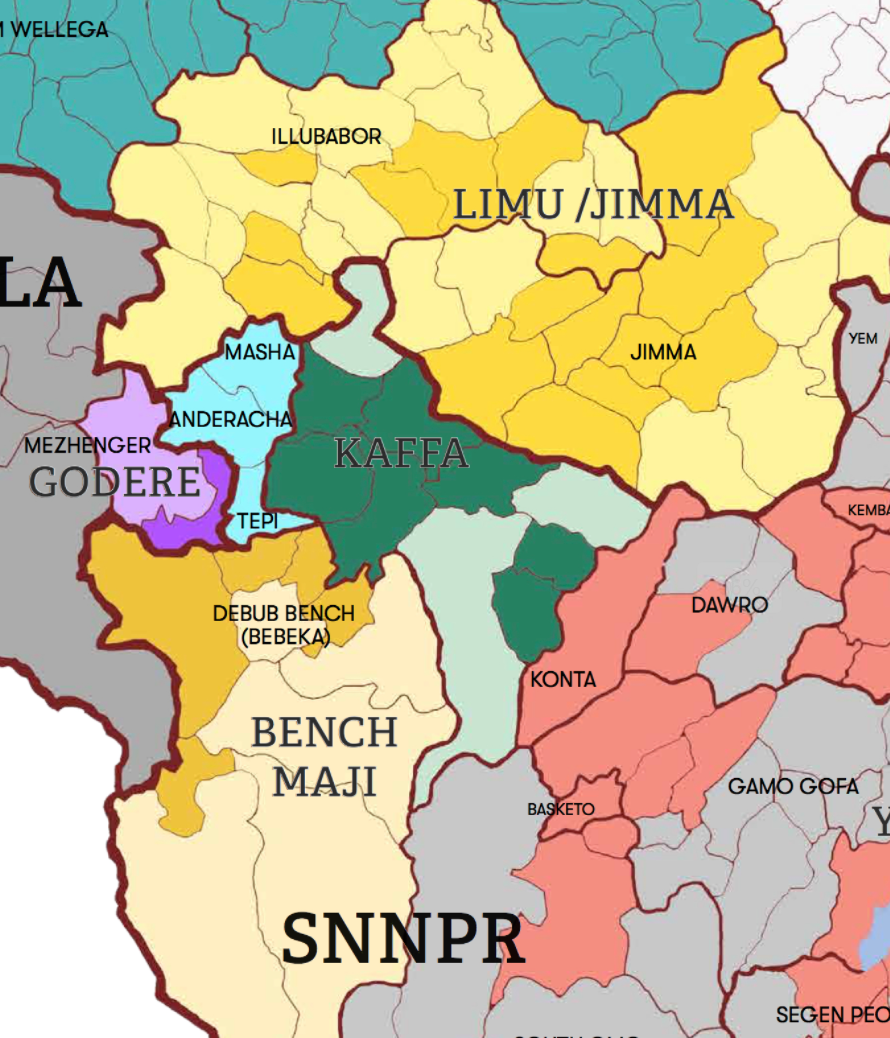
Chaka is a sub-brand under Gesha Village (瑰夏村莊園) focused on limited-edition, high-quality coffees. In 2011, the estate chose the Bench Maji region, located in southwestern Ethiopia bordering Sudan—not only a gateway to the Gesha homeland but also just about 20 kilometers from the renowned wild Gesha forest. From the nursery stage, the team implemented rigorous agronomic management, gradually selecting the three most expressive varietals from an initial six: Gori Gesha, Gesha 1931, and Illubabor. Chaka coffee beans come from this cultivation environment, coexisting with the pristine forest, preserving the purest genetics and potential of the varietals.
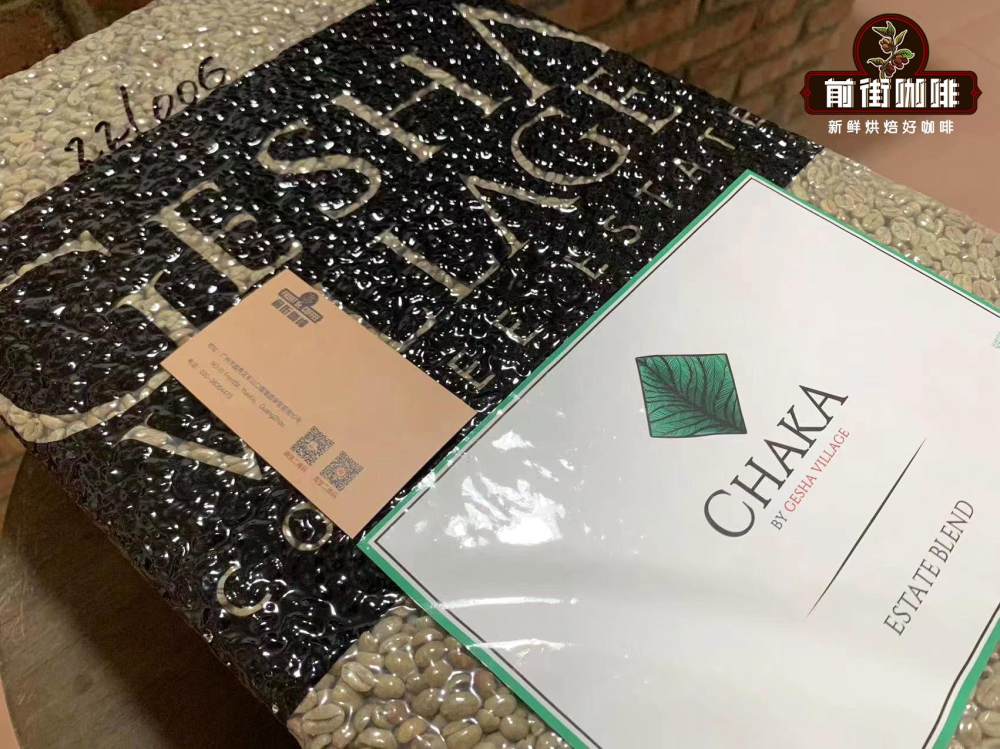
The Story Behind Gesha Village and the Influence of Willem Boot
The birth of Gesha Village stems from the dream of Adam Overton and Rachel Samuel. Originally documentary filmmakers, the couple developed a passion for growing Gesha after being commissioned to shoot a coffee-themed film in Ethiopia in 2007. After engaging with Willem Boot, a pioneer in Panamanian Gesha cultivation, they solidified their goal of establishing a farm in Gesha’s native land. After years of exploration, they finally found the ideal planting site in Bench Maji’s high-altitude mountains, ranging from 1,900 to 2,100 meters above sea level—ecologically superior and remote—officially launching the farm in 2011.
The Discovery of the Wild Gesha Forest and Variety Confirmation
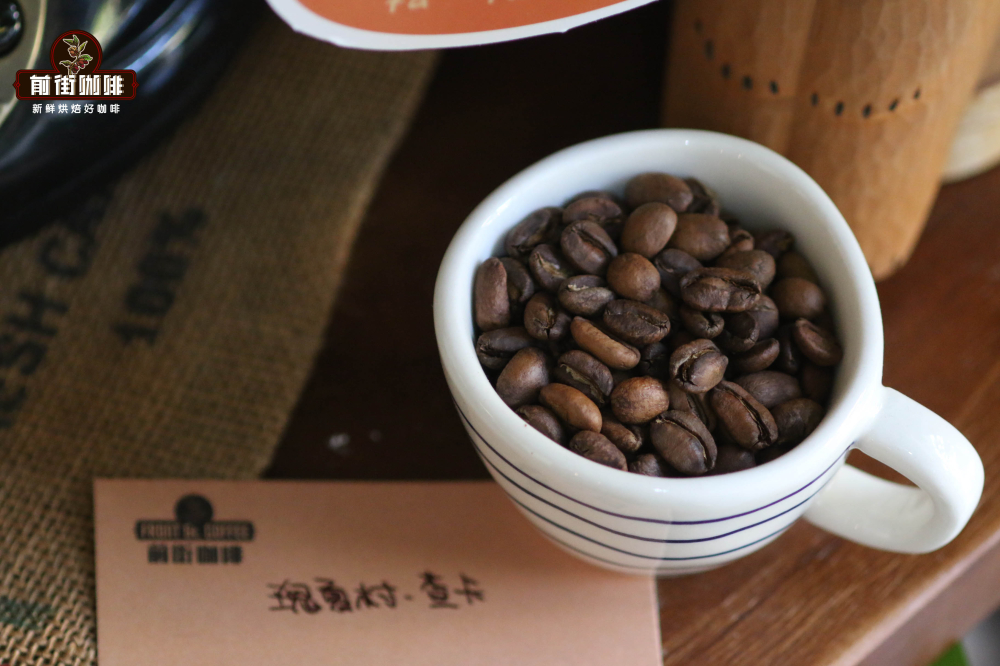
With the help of expert consultant Willem Boot, the team discovered a wild varietal in the nearby Gori Gesha forest that closely resembled Panamanian Gesha. This forest not only provided a crucial genetic source but also confirmed Bench Maji’s historical status as one of Gesha’s places of origin. In 2012, after multiple evaluations, the estate finalized the three major varietals currently planted: Gori Gesha, named directly after its discovery site; Gesha 1931, selected based on historical records and cupping performance; and Illubabor, a native disease-resistant varietal discovered in Ethiopia’s Illubabor forest in 1974.
Chaka Processing Methods: Washed vs. Natural Flavor Comparison
The Chaka project offers both washed and natural processed versions, each showcasing distinct flavor profiles in cupping.Washed VersionTypically exhibits higher acidity and a clean, crisp mouthfeel, with linear and pure flavors—ideal for those who prefer a refreshing structure.Natural VersionBoasts a richer, more layered profile, with pronounced berry-like aromas, prominent sweetness, and a silky texture reminiscent of honey and cream. The finish often carries a tea-like note with an oolong-like lingering sweetness. Based on actual cupping experience, the natural-processed Chaka excels in flavor complexity and memorability, also suiting various everyday brewing methods, including pour-over and cold brew.

Pour-Over Recommendations: Medium-Light Roast & Optimal Extraction Parameters
To highlight the bright acidity and delicate layers of Ethiopian high-altitude beans, Chaka is typically medium-light roasted. This roast level preserves more of the origin characteristics but also demands precise brewing technique. It is recommended to use a medium-fine grind (approximately 80% through a Chinese #20 sieve, similar in size to coarse sugar), paired with a V60 filter, with water temperature controlled between 90–91°C and a 1:15 coffee-to-water ratio.
For specific brewing, a three-pour method can be used:Begin with a bloom by pouring double the coffee’s weight in water (about 30g) and let it degas for 30 seconds,helping release gases and stabilize subsequent extraction. Then pour in small circles until reaching 125g for the first pour, continue until 225g total, then stop and wait for the V60 to finish dripping before removing it. Total brew time should ideally be around 2 minutes and 10 seconds. After brewing, gently swirl the coffee in the cup before drinking to achieve a more balanced flavor experience.
Flavor Characteristics of the Chaka Natural Version
The naturally processed Chaka reveals intense tropical fruit notes, with a bright entrance oflemon-like acidity,followed by sweet berry-like fruit acids and rich layers. The mid-palate is silky smooth, reminiscent of honey and cream, while the finish lingers with a gentle tea-like note and a hint of oolong-like sweetness. Overall, it presents a vibrant yet deep profile, making it highly enjoyable to savor during pour-over brewing.
The above content is compiled by CoffeeHunters, a coffee news website.


