







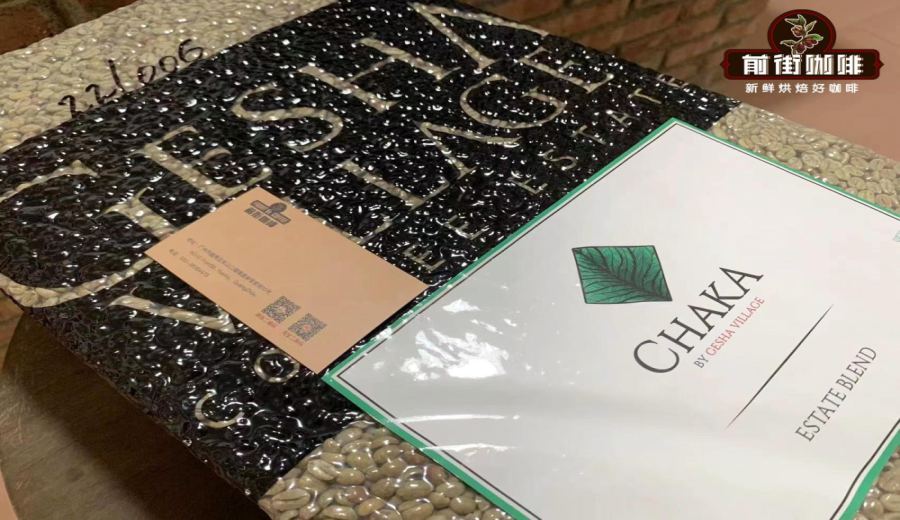
Introduction:Delve into the CHAKA Yirgacheffe Natural from Ethiopia’s Bench Maji region — from its heirloom origin, estate history, to its unique processing method and flavor profile. This article walks you through this distinctive coffee bean step by step. Alongside professional cupping insights, we also share practical pour over recommendations and parameter settings to help you fully experience its berry aroma and creamy mouthfeel.
Nestled deep within the pristine forests of the Yirgacheffe region in southern Ethiopia, the Geshia Village Estate has cultivated a highly representative limited-edition coffee — the CHAKA Yirgacheffe Natural — through meticulous varietal management and cultivation techniques. The beans trace their lineage to the Gori Gesha Forest, sharing the same roots as the globally renowned Panamanian Geisha, yet they follow a distinctly different flavor path, showcasing intense berry notes and a silky-smooth mouthfeel.
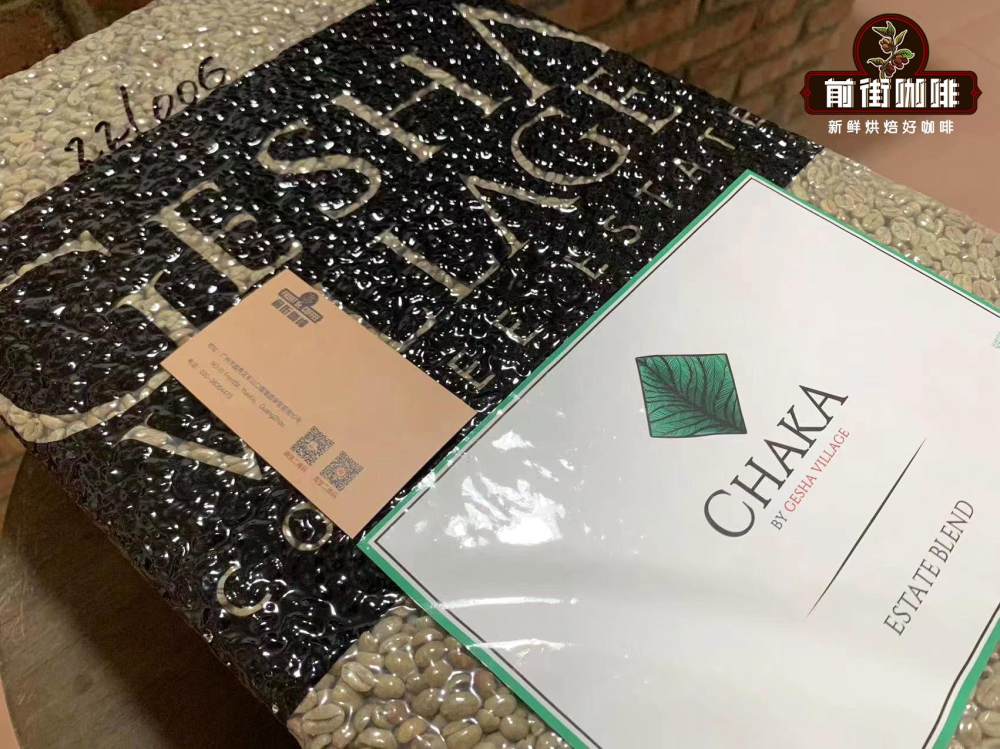
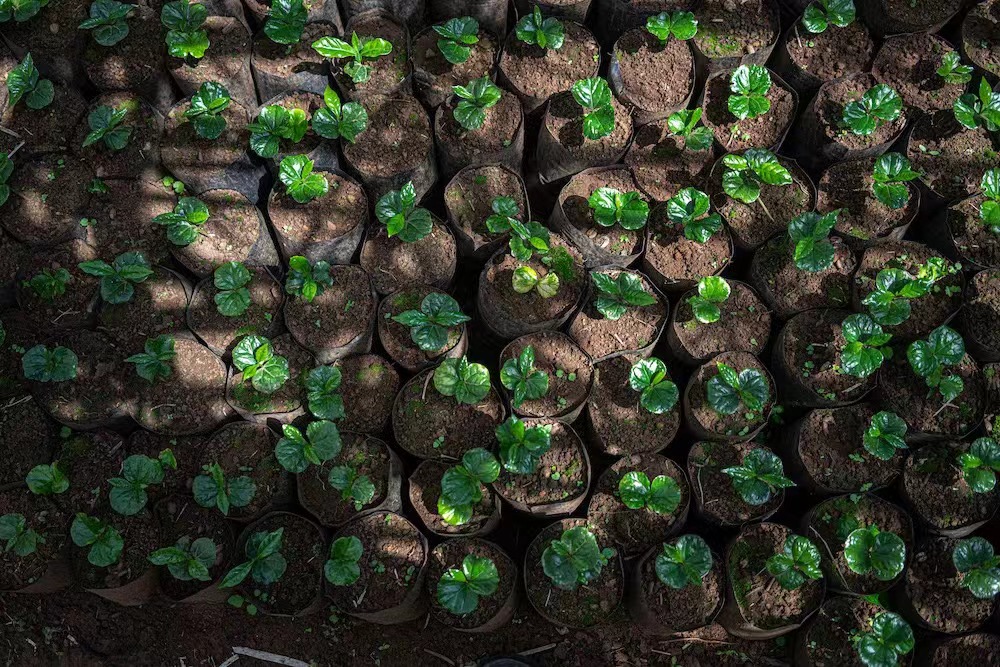
CHAKA is part of a specialty brand launched under the Geshia Village Estate, released in limited production. In 2011, the estate was established in Bench Maji, located just about 20 kilometers from the entrance of the legendary Ethiopian Geisha heirloom forest. From the nursery stage, the team invested significant effort in plant selection, optimizing agronomy and eventually retaining three of the most promising varieties: Gori Gesha (戈裡瑰夏), Gesha 1931 (瑰夏1931), and Illubabor (伊鲁巴伯). Among them, CHAKA originates from the wild variety found in the Gori Gesha Forest, displaying the most pure natural flavor potential.
The birth of this coffee is the result of a cross-border coffee dream journey. In 2007, Adam Overton, originally a documentary filmmaker, and his wife Rachel Samuel were invited by the Ethiopian government to film a documentary about coffee, thus beginning their enduring connection with coffee. Rachel is Ethiopian, and although Adam had no farming background, he was inspired to grow the world’s finest Geisha in his wife’s homeland. In 2009, through a friend’s introduction, they met Willem Boot, already well-known for growing Geisha in Panama, and traveled to the La Mula estate to learn from his experience.
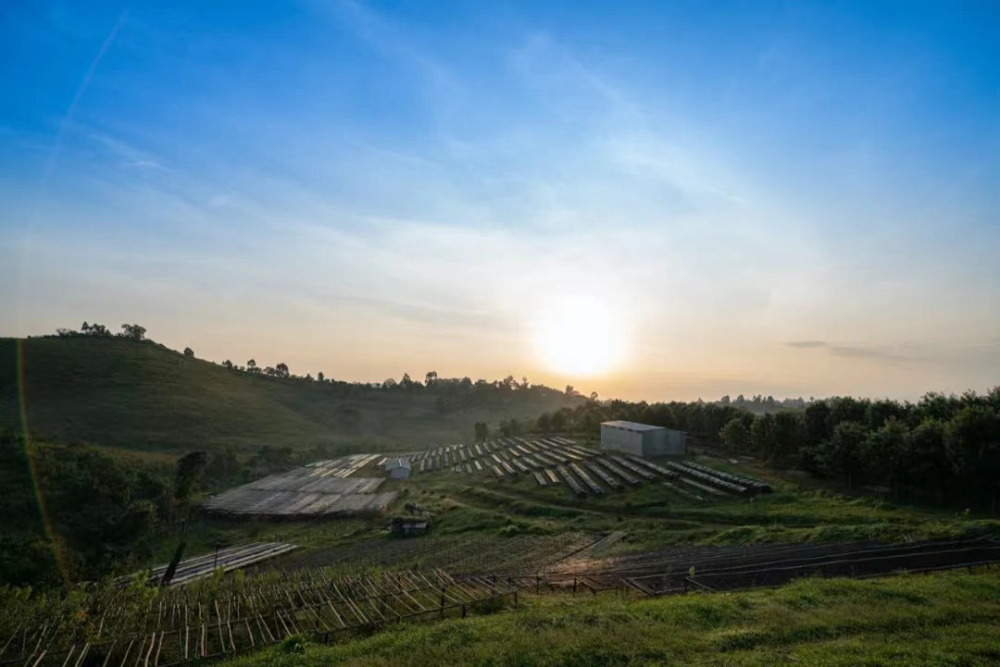
Initially, the Adams hoped to find a suitable location near the capital, Addis Ababa, but due to limitations in altitude, climate, and microclimate, they eventually turned their attention to the remote southwestern region — Bench Maji, bordering Sudan. The area not only boasts elevations of 1900 to 2100 meters but also retains Ethiopia’s most intact virgin forest ecosystem, making it an ideal environment for coffee trees. Guided by locals, they climbed the mountains and instantly fell in love with this untouched land, deciding on the spot to establish the Geshia Village Coffee Estate.
In 2011, construction of the estate officially began, with Willem Boot joining as a consultant. At the time, the environment was still very primitive — they even had to set up guard towers at night to prevent wildlife intrusions. Despite the challenges, the team discovered a pleasant surprise in the nearby forest — in the Gori Gesha wild coffee forest just 20 kilometers from the estate, they found trees strikingly similar in appearance to those in Panama, covered in blossoms and exuding a rich fragrance. Willem Boot recalled that the scene felt like "being in heaven," confirming that this forest is likely one of the original sources of the Panamanian Geisha.
Besides the natural process, Geshia Village also offers a washed version of CHAKA. Cupping comparisons show that the washed CHAKA has brighter acidity and a cleaner mouthfeel, but overall complexity and flavor depth are slightly less than the natural. In contrast,the CHAKA natural process reveals more pronounced berry aromas, multi-layered sweetness, and a finish reminiscent of the gentle sweetness of oolong tea.It presents a richer overall profile, suitable for various brewing methods, with pour over and cold brew particularly recommended.

The varieties used in CHAKA include Gori Gesha, Gesha 1931, and Illubabor. Among them, Gori Gesha is a wild variety directly discovered in the original forest, bearing a high visual resemblance to Panamanian Geisha; Gesha 1931 was carefully selected by the estate owner based on morphology, cupping results, and other comprehensive evaluations; Illubabor is a unique variety discovered in Ethiopia’s Illubabor Forest in 1974, known for its disease resistance and primarily grown at altitudes between 1916 and 2019 meters.
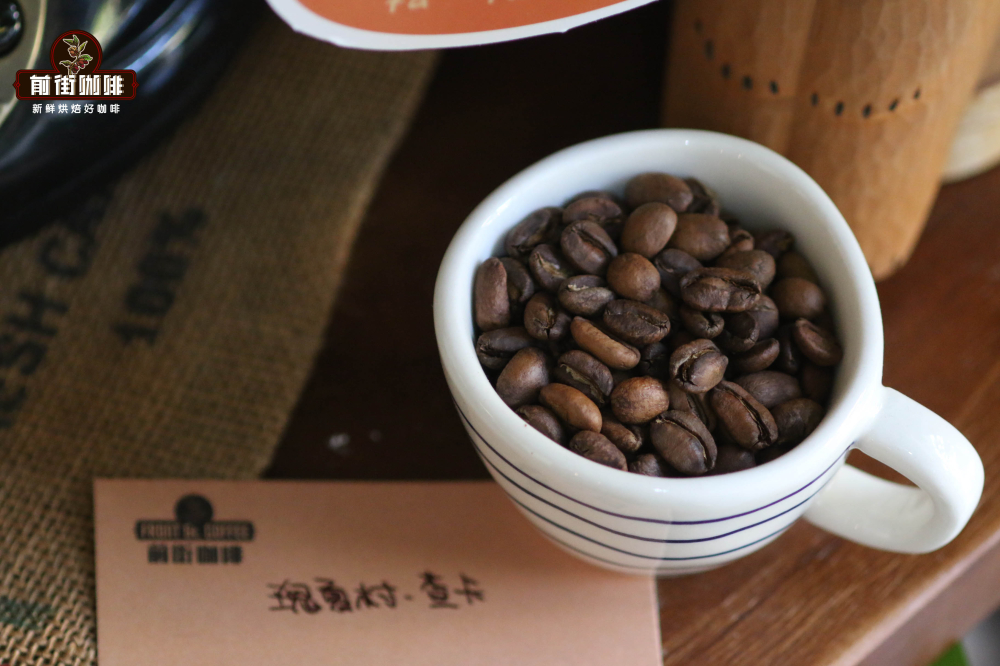
For pour over enthusiasts, it is recommended to use medium-light roasted CHAKA Yirgacheffe Natural to preserve its bright acidity and delicate flavors. Beans roasted lighter are denser, so a medium-fine grind (about 80% through a Chinese No. 20 sieve, similar to coarse sugar) is advised, using a V60 filter, with water temperature controlled at 90–91°C, and a coffee-to-water ratio of 1:15.
Specifically, start with a 30-second bloom using double the coffee’s weight in water (e.g., 60g water for 30g coffee) to release CO₂ and ensure even extraction. Then pour in a slow spiral to reach 125g, followed by additional pouring to a total of 225g. Once dripping is complete, remove the filter. Total brew time is approximately 2 minutes and 10 seconds. Finally, gently swirl the coffee before pouring to fully enjoy its complete flavor expression.
The flavor profile of CHAKA Yirgacheffe Natural is clear and distinct: the cup opens with a lemon-like bright acidity, followed by intense berry juice sensation, rich sweetness with layered complexity. Mid-palate reveals a honey-like smooth texture, while the finish lingers with the gentle sweetness of oolong tea. Overall, it balances vibrant fruit tones with a rounded body, making it a highly recognizable and premium-quality natural process coffee.
The above content is compiled by CoffeeHunters, a coffee news website.


