







Introduction:Kenya AA coffee is renowned for its distinctive tomato-like notes and vibrant acidity, making it a classic entry point for many pour-over enthusiasts. This article delves into its growing regions, varietal origins, and the unique K72 washed processing method to uncover the sources of its flavors. It also offers practical recommendations on grind size, water temperature, brew ratio, and pulse pouring techniques—tailored to its dense, hard beans—to help you consistently extract a clean, bright, and layered cup.
With its refreshing brightness and unique tomato-like flavor, Kenya AA coffee beans enjoy immense popularity among global pour-over aficionados. These beans are not only easily recognizable but also favored for their consistent quality and layered profile, making them a top choice for practicing pour-over techniques. This article will comprehensively analyze the flavor origins of this coffee—from Kenya’s geography and climate, the evolution of its coffee varieties, to its iconic K72 washed process—and provide a set of practical, repeatable pour-over parameters suited to its physical traits, so you too can brew a cup that showcases its signature tomato and berry notes.
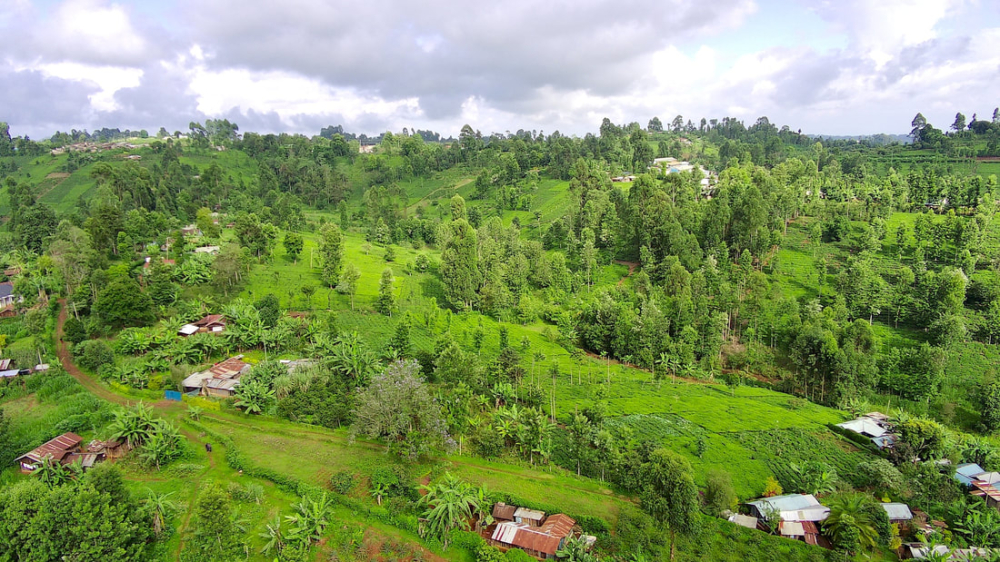
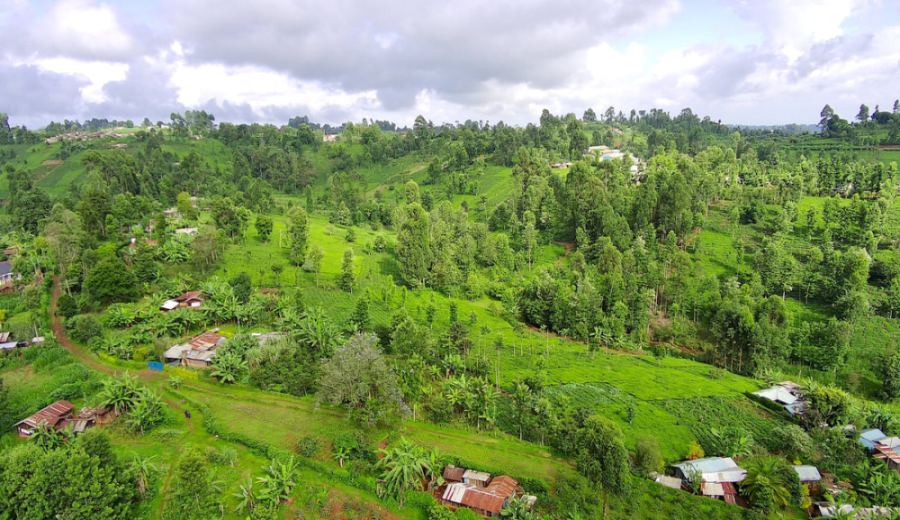
Kenya is located in East Africa, straddled by the equator, with a terrain dominated by plateaus and an average elevation of about 1,500 meters. Its climate is tropical monsoon, though diverse due to topographical variations. Coastal areas are humid and hot, while the central and western highlands enjoy relatively mild temperatures, with some mountainous regions even seeing occasional snowfall. The highest temperatures reach around 26°C, and the lowest about 12°C. The country experiences no distinct four seasons, only wet and dry seasons. This stable climate provides ideal conditions for coffee cultivation.
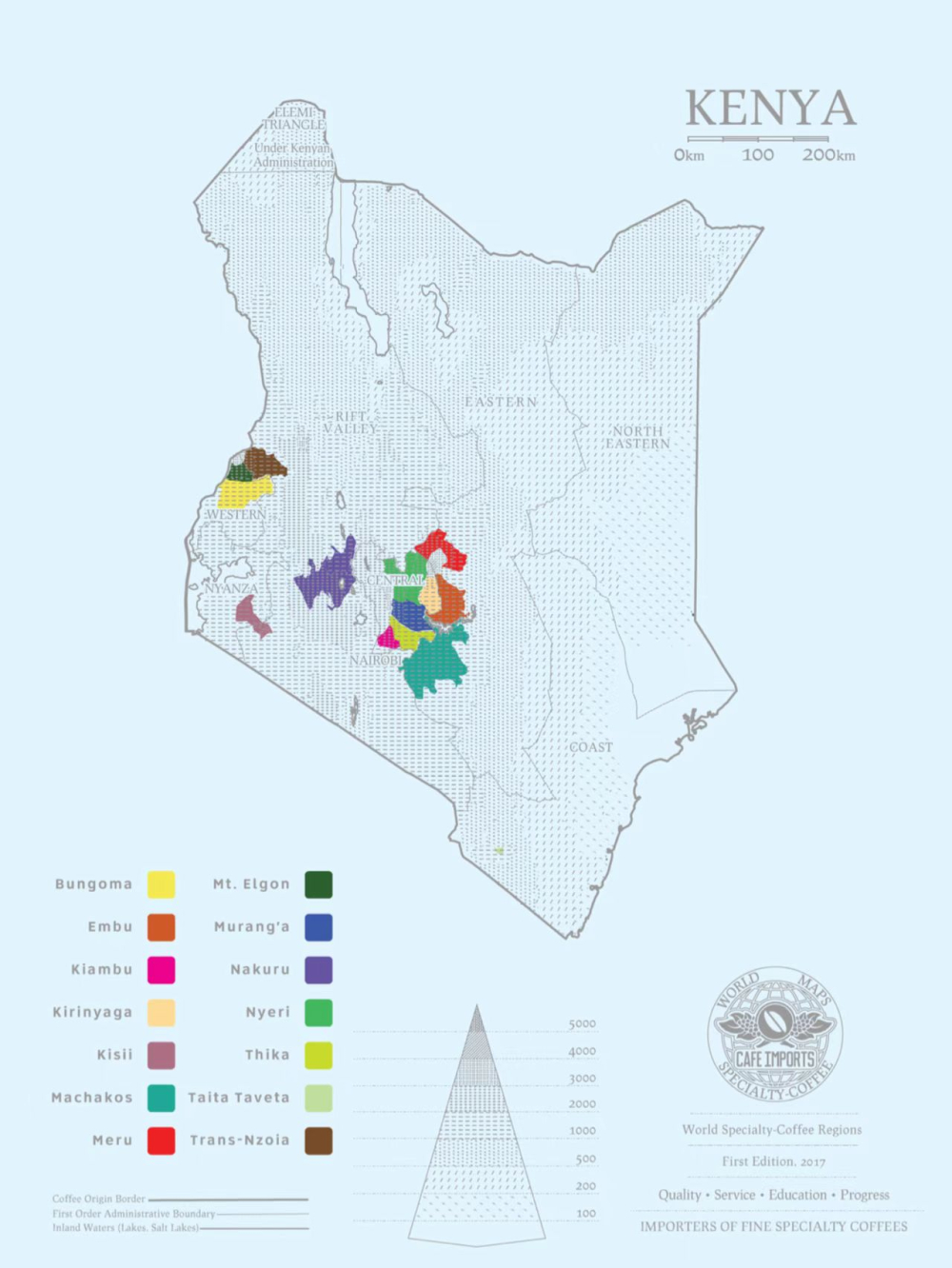
Coffee in Kenya is primarily grown in highland areas between 1,300 and 2,000 meters above sea level, with annual rainfall of about 900 to 1,200 millimeters and temperatures ranging from 15 to 24°C—perfect for Arabica varieties. Regions such as the Aberdare Mountains, Nyanza, Kisii, Bungoma, Kericho, and Nakuru are well-known producing areas. These locations not only have sufficient altitude but also mostly feature mineral-rich volcanic soils, which contribute to the complex flavor foundation of the coffee.
As early as the 1930s, Kenya began variety selection through the Scott Laboratories, successfully developing the classic SL28 and SL34 cultivars, known for their intense berry acidity and complexity. To this day, they remain benchmarks for many coffee lovers. Later, these two varieties were even introduced to some Central American countries—for example, award-winning beans in the Costa Rica COE competition were cultivated using a blend of SL28 and Geisha. Additionally, Kenya has continuously developed leaf-rust-resistant varieties such as Ruiru11, which, while somewhat milder in flavor, still meet certain market demands.
What truly sets Kenyan coffee apart is its unique K72 washed processing method. Unlike conventional washed processes that ferment for only 24 to 48 hours, Kenya’s approach is more elaborate: first, a 24-hour fermentation removes the mucilage, then the beans are washed and undergo a second 24-hour fermentation, followed by a final wash and third 24-hour fermentation—totaling 72 hours. This multi-stage fermentation not only cleans the beans more thoroughly but also helps stabilize quality and enhances the coffee’s bright acidity and sweet fruity aromas, which are key to why its tomato and dark plum notes stand out so vividly.

Kenyan coffee beans are graded by bean size, with AA being the highest grade and AB the next. AA-grade beans are typically plump, uniform in size, and conducive to even heat transfer during roasting. They also tend to express a more complete flavor profile during brewing. This is one reason why Kenyan coffees are widely recognized for their clear-cut tomato, berry, and citrus notes, contributing to their high flavor identifiability.
For beans like Kenya AA, which are relatively large and hard, it’s recommended to avoid producing too much fine powder during grinding to ensure smooth water flow and prevent channeling. Use a high-quality grinder or pair it with a sieve tool to achieve a grind fineness where about 75% passes through a standard #20 sieve—roughly equivalent to a medium-fine grind—balancing extraction efficiency and taste purity.
In terms of water temperature, it’s recommended to use hot water around 93°C, which helps fully draw out the fruitiness and sweet tomato notes in the beans. Too low a temperature may result in underwhelming flavors, while too high a temperature can make the acidity overly sharp or bring about astringency.
For brew ratio, a 1:16 proportion is recommended—for example, 15 grams of coffee to 240 milliliters of water. This ratio yields a coffee that is full-bodied yet not thin, while highlighting Kenya beans’ signature dark plum acidity and balanced tomato sweetness. If using a small V60 filter, aim for at least 15 grams of coffee; for a large V60, start with at least 25 grams for more stable extraction.
For the pouring strategy, control the water flow to avoid directly hitting the edge of the filter to minimize channeling and bottom clogging risks. Begin with a 30-second bloom using 30 ml of water to awaken the coffee grounds; then pour the second phase of 120 ml in a circular motion from the center outward. Once a golden foam forms on the surface, gradually narrow the pour toward the center, at which point the coffee bed should be about halfway up the shorter ribs of the filter. For the third phase, pour 90 ml in small circles roughly the size of a coin, and end the extraction once the dripping finishes—keeping the total brew time around 2 minutes (with a 10-second margin of error).
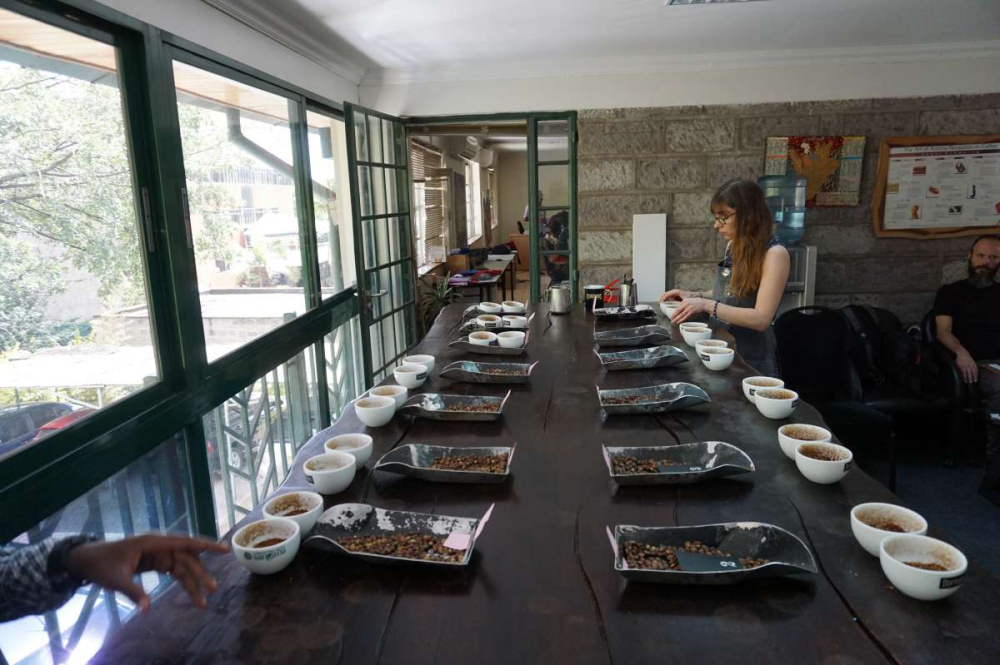
Using this set of pour-over parameters not only clearly highlights the tomato aroma and sweetness of Kenya AA beans but also steadily brings out its solid, bright dark plum acidity—resulting in a cup with distinct layers and a clean aftertaste. It’s highly recommended for pour-over enthusiasts who enjoy fruity acidity and are eager to experiment and adjust.
The above content is compiled by CoffeeHunters, a coffee news website.


