







Introduction:The key to selecting coffee beans suitable for pour over lies in understanding the unique flavor characteristics of the three major coffee regions. This article delves into the flavor differences across Africa, the Americas, and Asia, from bright fruit acids to rich nutty tones, helping you grasp the distinct traits of beans from different regions and providing practical buying tips to guide you toward your ideal pour over coffee experience.
To brew the perfect cup of pour over coffee at home, the first and foremost task is choosing the right beans. Many wonder: are all coffee beans suitable for pour over? In truth, any type of coffee bean can be used for pour over, but whether it delivers satisfying flavors depends on the bean’s freshness, roast level, and most importantly—whether its regional flavor profile aligns with your personal taste preferences. Global coffee beans can generally be divided into three major regions: African beans are known for their bright floral notes and fruity acidity, American beans offer an excellent balance of nuts, chocolate, and caramel, while Asian beans feature herbal, piney, and bold bitter notes. Grasping these basic profiles can help you quickly identify your preferred flavor types.
It’s often asked which type of coffee bean is best for pour over. In reality, any coffee bean can be used, but the difference lies in whether the resulting flavor meets your expectations. Rather than “can it be brewed,” more people are concerned with: which coffee beans will deliver the taste they love. For beginners new to coffee, finding beans that suit their palate among the many options does require some guidance; whereas experienced coffee enthusiasts usually already know their preferences. Generally speaking, global coffee flavors can be categorized by region into three main types: African beans are dominated by floral and fruity acid notes, offering a bright and refreshing taste; American beans provide balanced flavors with layers of nuts, chocolate, and caramel; Asian beans are known for their bold, bitter richness, often accompanied by herbal and piney notes. These three broad categories can help you quickly clarify your flavor preferences.
Below, we will introduce representative bean varieties and their flavor characteristics from these three major regions one by one, along with practical reference information to help you find the most suitable pour over beans based on flavor.
[African Beans: The Vibrant Representatives of Bright Acidity and Floral Notes]
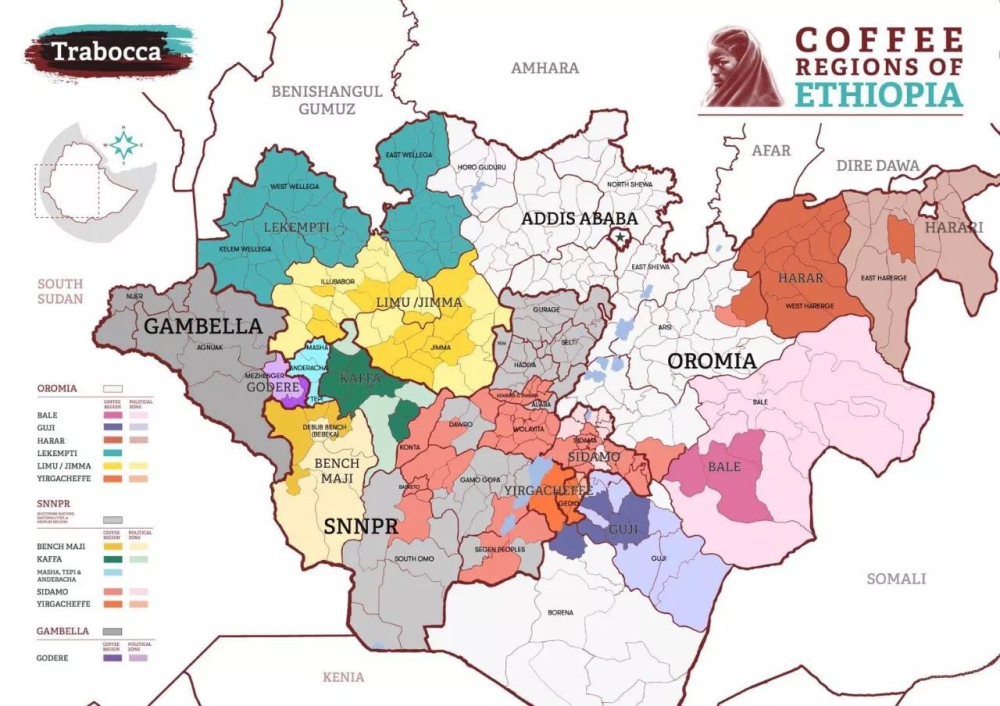
When it comes to African coffee, Ethiopia stands out above the rest. As the birthplace of coffee, it is renowned for its jasmine floral notes, lemony acidity, and berry-like tones, delivering a bright and refreshing flavor with a long-lasting aftertaste. Each producing region in Ethiopia has its own unique flavor profile, with Yirgacheffe and Sidamo being the two most celebrated.
Originally a sub-region of Sidamo, Yirgacheffe became so distinctive in its production methods and unique flavors that Ethiopia began labeling beans from other regions as Yirgacheffe, eventually leading to its recognition as an independent region. Yirgacheffe coffee is famed for its high-toned fruit acidity, clean mouthfeel, and delicate floral notes, often described as “a bouquet of flowers blooming upon drinking,” making it a favorite among many coffee lovers.
The Hambela coffee from the Sidamo region is known for its sweet strawberry cream-like flavors. Since making its debut at Ethiopia’s TOH (Top of the World) competition in 2017, it has gained widespread fame, showcasing remarkable layers of berry, jackfruit, mango, and honey—an exquisite representation of fruit-forward profiles.
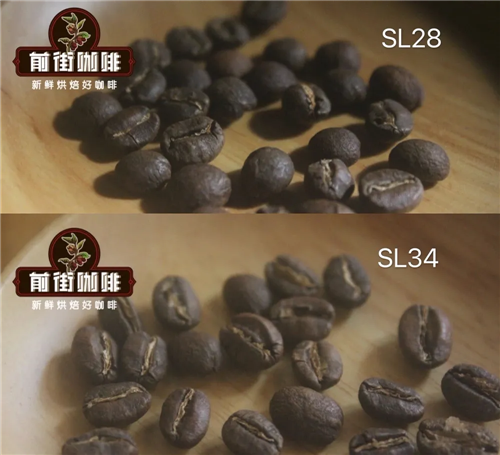
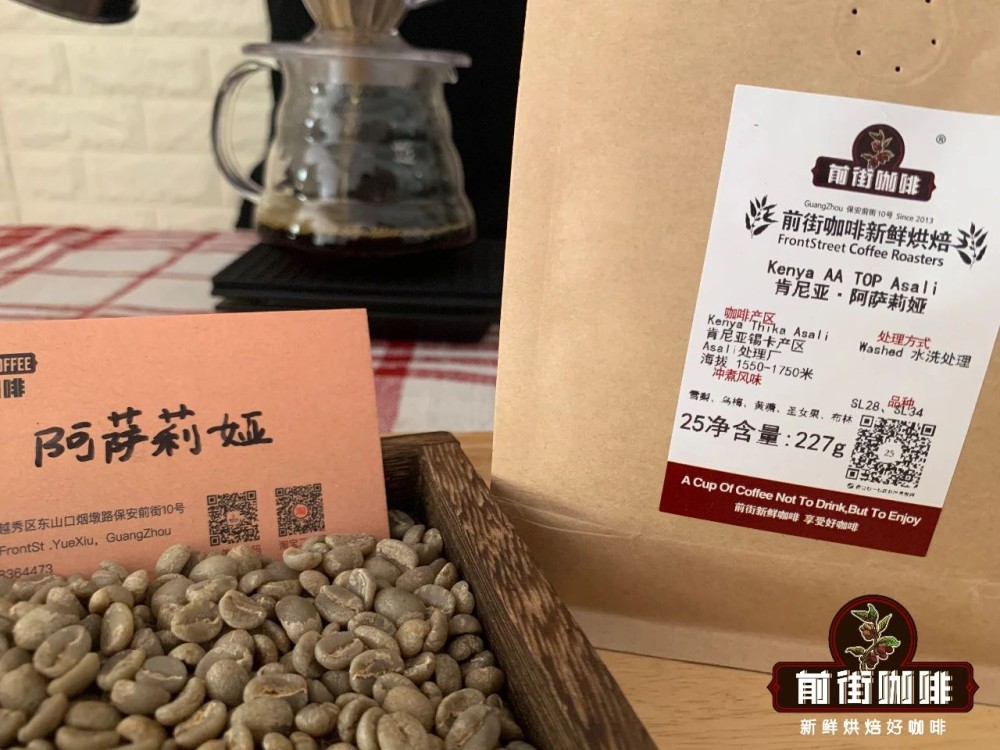
Kenyan coffee is another gem of African beans, celebrated for its unique blackberry acidity and bold intensity. Kenya’s most famous coffee varieties are SL28 and SL34, which thrive at high altitudes and in harsh conditions, producing coffee with rich acidity and intense flavors. Kenya’s signature K72 washed process, involving prolonged fermentation, imparts a cleaner and brighter flavor, making it an excellent choice for experiencing the vibrant acidity of African coffee.
[Americas Beans: The Classic of Balanced Flavors and Rich Mouthfeel]
Represented by Brazil and Colombia, American beans showcase an outstanding balance of nuts, chocolate, and caramel. As the world’s largest coffee producer, Brazil’s beans are typically grown at lower altitudes (400–1600 meters), resulting in softer beans with flavors leaning towards low acidity, rich nuttiness, and chocolate notes, with slight woody and earthy undertones—making them an ideal choice for those who prefer milder profiles.
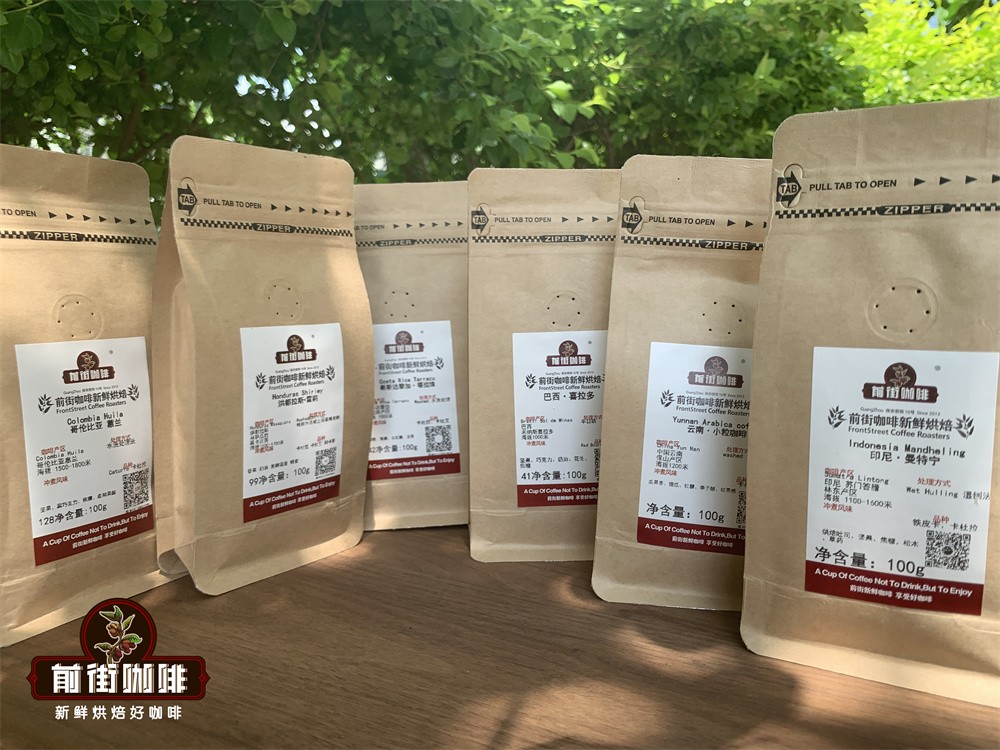
Colombia, known for its diverse climates and year-round harvests, offers mild yet layered flavors. Coffee from the Huila region, benefiting from high altitude and abundant water resources, features floral notes and gentle fruit acidity. Meanwhile, innovative processing methods in areas like Rosas & Exclusivas yield surprises with berry and fermented aromas.
Costa Rica is famed for its honey processing method, producing sweet and fruity coffees. High altitude and fertile volcanic soils give rise to Strictly Hard Bean (SHB) grade beans, with the grapefruit honey process imparting flavors of raisin, blueberry, sweetness, and floral notes. Panama’s Geisha coffee, meanwhile, is the pinnacle of specialty coffee, originating from the Gesha variety at Hacienda La Esmeralda. Grown at high altitudes with shaded cultivation and fertile soil, it delivers refined floral notes and elegant fruit acidity, making it a highly sought-after treasure among global specialty coffee enthusiasts.
[Asian Beans: The Deep Experience of Bold Bitterness and Unique Character]
Represented by Indonesia and Yunnan, Asian beans exhibit herbal, piney, and thick, bitter-rich characteristics. Indonesian Mandheling employs the unique wet-hulling process, resulting in a low-acid, thick-bodied, and earthy flavor profile. Sumatra’s Lintong and Golden Mandheling offer rich, clean herbal notes, making them top choices for those who enjoy bold flavors.
Although China’s Yunnan coffee has a relatively short history, with growing international brand involvement, it has gradually developed its own unique flavor. Dominated by the Catimor variety and grown in high-altitude mountainous regions, Yunnan coffee delivers a balanced and layered profile, making it an excellent starting point for exploring Asian coffee flavors.


When selecting pour over beans, in addition to regional flavor profiles, it’s also important to consider roast level and brewing details. Generally, light to medium roast beans better highlight the unique regional flavor characteristics, making them suitable for those seeking bright fruit acids and floral notes; whereas dark roast beans emphasize bold bitterness, rich texture, and caramel sweetness, catering to those who prefer intense flavors.
Practical pour over parameter suggestions: water temperature should be controlled between 88–91°C, with a recommended coffee-to-water ratio of 1:15 to 1:16. For light roast beans, using a V60 filter cone is advised to accentuate acidity and aroma, while dark roast beans suit the Kono filter cone to enhance body. Remember, good pour over coffee is 98.5% water—use filtered or mineral water, and adjust grind size according to the bean’s characteristics to achieve the optimal flavor extraction.
The above content is compiled by CoffeeHunters, a coffee news website.


