








Introduction:Although a well-known Panamanian Finca Esperanza estate is famous for its Geisha, its "Diamond Mountain" series is also worthy of attention. This article takes an in-depth look at a sun-dried Diamond Mountain Catuai lot imported by a specialty coffee shop. From the growing environment of the farm, variety characteristics, processing details, to the medium-light roast profile and V60 three-stage pour over parameters, it offers you the chance to experience estate-level flavors at a more accessible price.
When it comes to Finca Esperanza, many people’s first thought is Geisha. However, the estate also has a high-value product line—Diamond Mountain—that comes from the same carefully selected growing conditions but delivers premium flavors at a more affordable price.This article will take the sun-dried Diamond Mountain Catuai coffee beans from Finca Esperanza as an example.It will explore everything from brand structure, farm origin, varietal background, and processing techniques to roast and pour over recommendations, helping you gain a comprehensive understanding of this medium-light roasted specialty bean that’s definitely worth trying.
Looking at the official information from Finca Esperanza, their products are mainly divided into two varietal series: Geisha and Catuai. The Geisha series is further subdivided into Esmeralda Special (Red Label), Private Collection (Green Label), and Geisha 1500 (Blue Label); while the Catuai series includes two sub-brands: Diamond Mountain and Pamela. The star of this article—Diamond Mountain Catuai—is a highly representative product within the Catuai series.
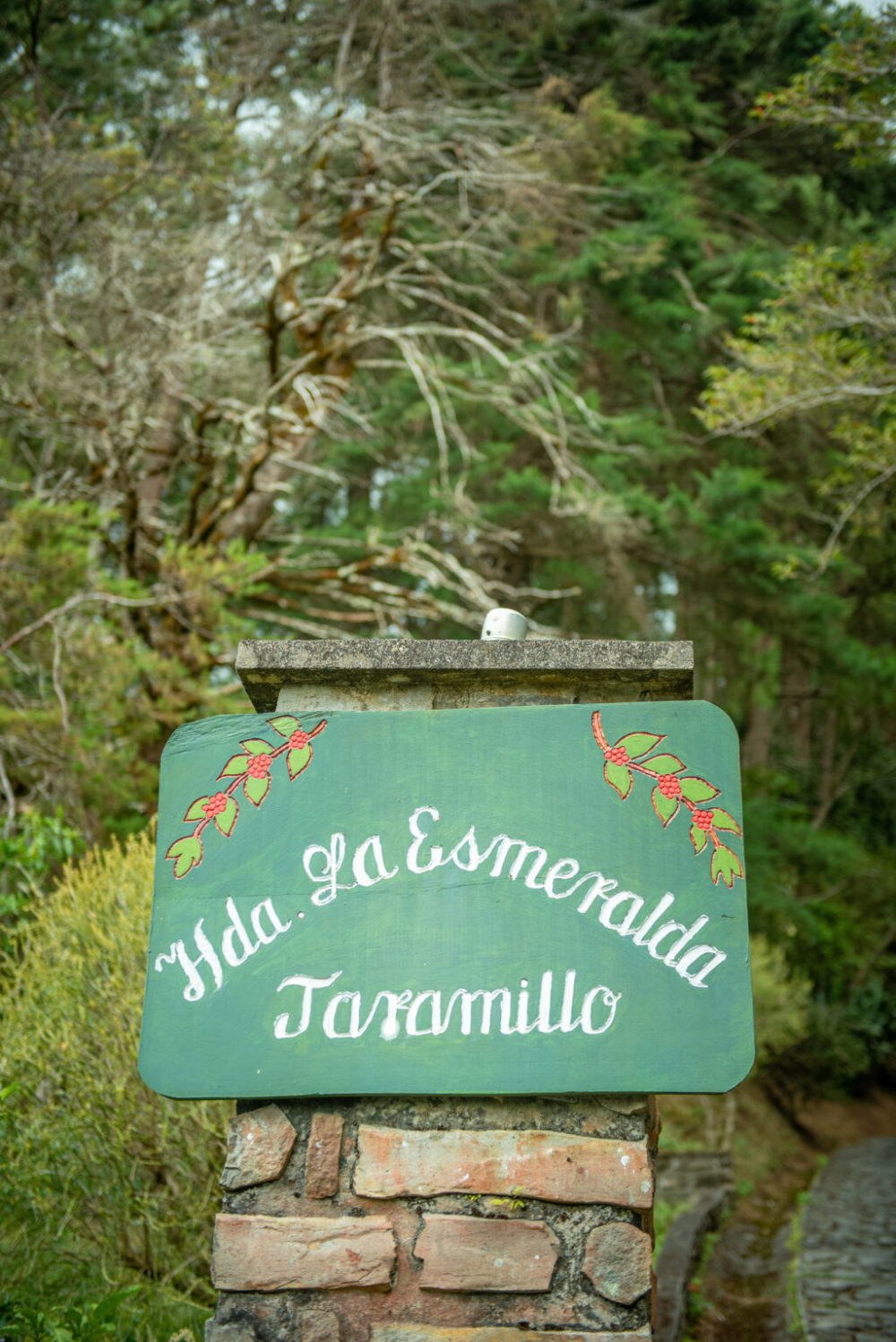
This batch of Diamond Mountain coffee beans comes from the Finca Esperanza estate in the Boquete region of Panama.They are specifically grown in two core farms within the estate: Jaramillo and Cañas Verdes. These two plots not only share similar altitudes, but also have microclimates that are extremely well-suited for specialty coffee cultivation.
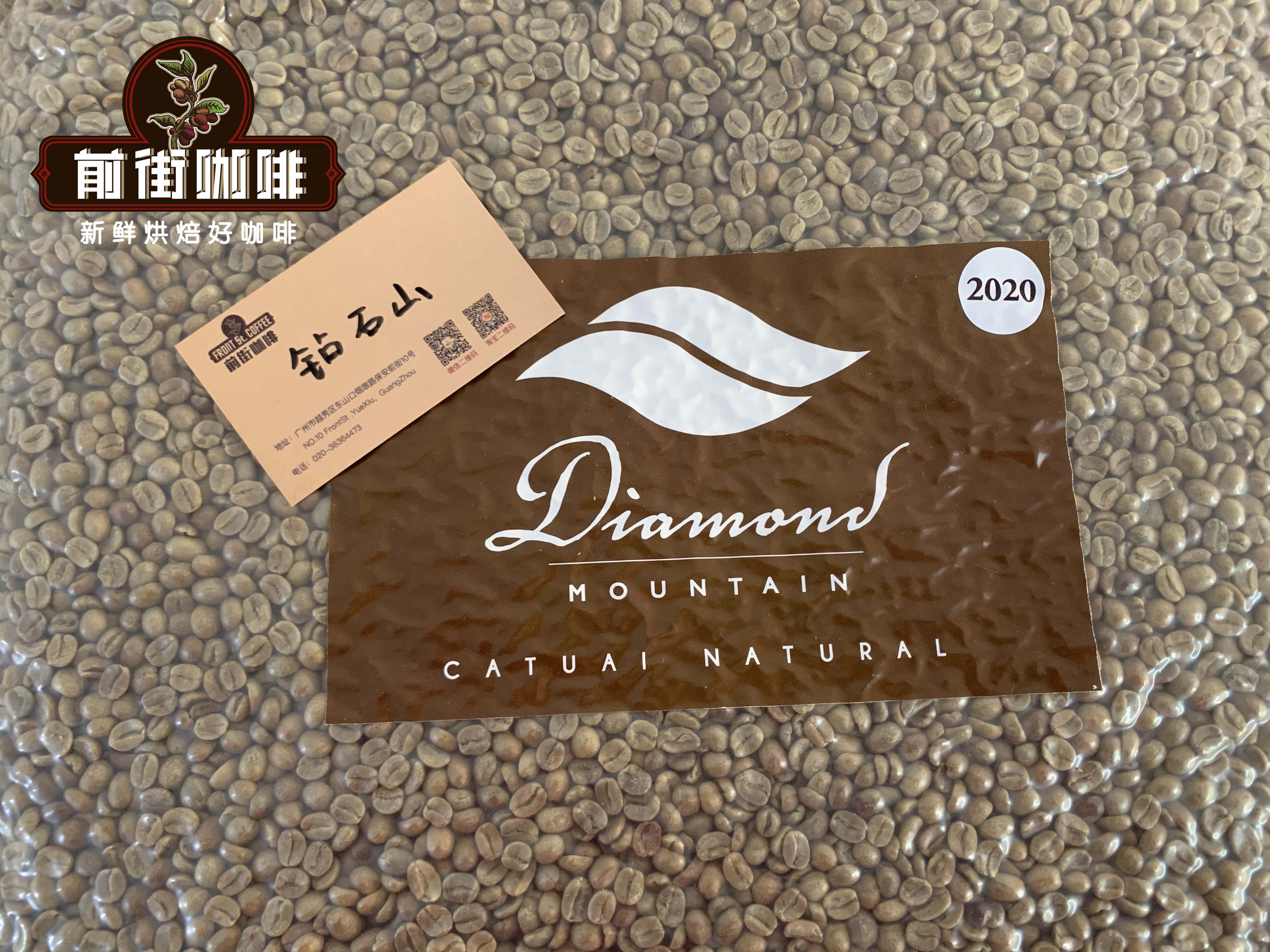
Let’s start with the Jaramillo farm, which has an average altitude of over 1,650 meters, a daytime average temperature of about 19–25°C, and nighttime temperatures dropping to 11–15°C.The significant diurnal temperature variation helps the coffee cherries accumulate sugars and flavor compounds.Annual rainfall reaches about 4,000 mm, providing ample moisture for the coffee trees. It's worth mentioning that this is the very origin where Finca Esperanza’s Geisha won the BOP championship in 2004, highlighting its terroir potential.
The other farm, Cañas Verdes, was originally a pasture and was gradually developed for coffee cultivation by the Peterson family. It currently includes nine plots, including Lino, all maintained at altitudes of over 1,650 meters. The day-night temperature difference is similar to that of Jaramillo, with daytime averages of 16–23°C and nighttime of 11–15°C. Annual rainfall is about 3,500 mm, with a distinct dry season of around 3 to 4 months. The overall climate is cool and stable, making it very suitable for the growth of the Catuai variety.

The varietal composition of this Diamond Mountain coffee consists of Catuai and Caturra. Among them, Catuai is a hybrid of yellow Caturra and the Mundo Novo variety, originally numbered H-2077, and its name in Guarani means "very good." This variety has a long planting history in Panama, not only offering high yields and strong disease resistance, but also often presenting clean, bright acidity and fruity flavor profiles in cupping.Compared to Bourbon, Catuai trees are shorter and can be planted at nearly double the density, resulting in excellent yield performance per unit area.It is a choice for many specialty farms aiming to balance quality and efficiency.
In terms of processing, this batch of Diamond Mountain uses the natural (sun-dried) process. The specific procedure is as follows: freshly harvested coffee cherries are directly spread out on drying beds, where the fruit slowly dehydrates under the sun, while the seeds (green beans) remain inside the pulp, gradually absorbing the sweetness and fruity notes from the fruit. Initially, they are sun-dried on concrete patios for 3 to 5 days (about 8 hours each day), until the moisture content drops to a certain level. Then, they are moved into a Guardiola dryer for 72 hours of controlled-temperature rotary drying to prevent over-fermentation. Finally, the pulp and skin are mechanically removed to complete the processing.
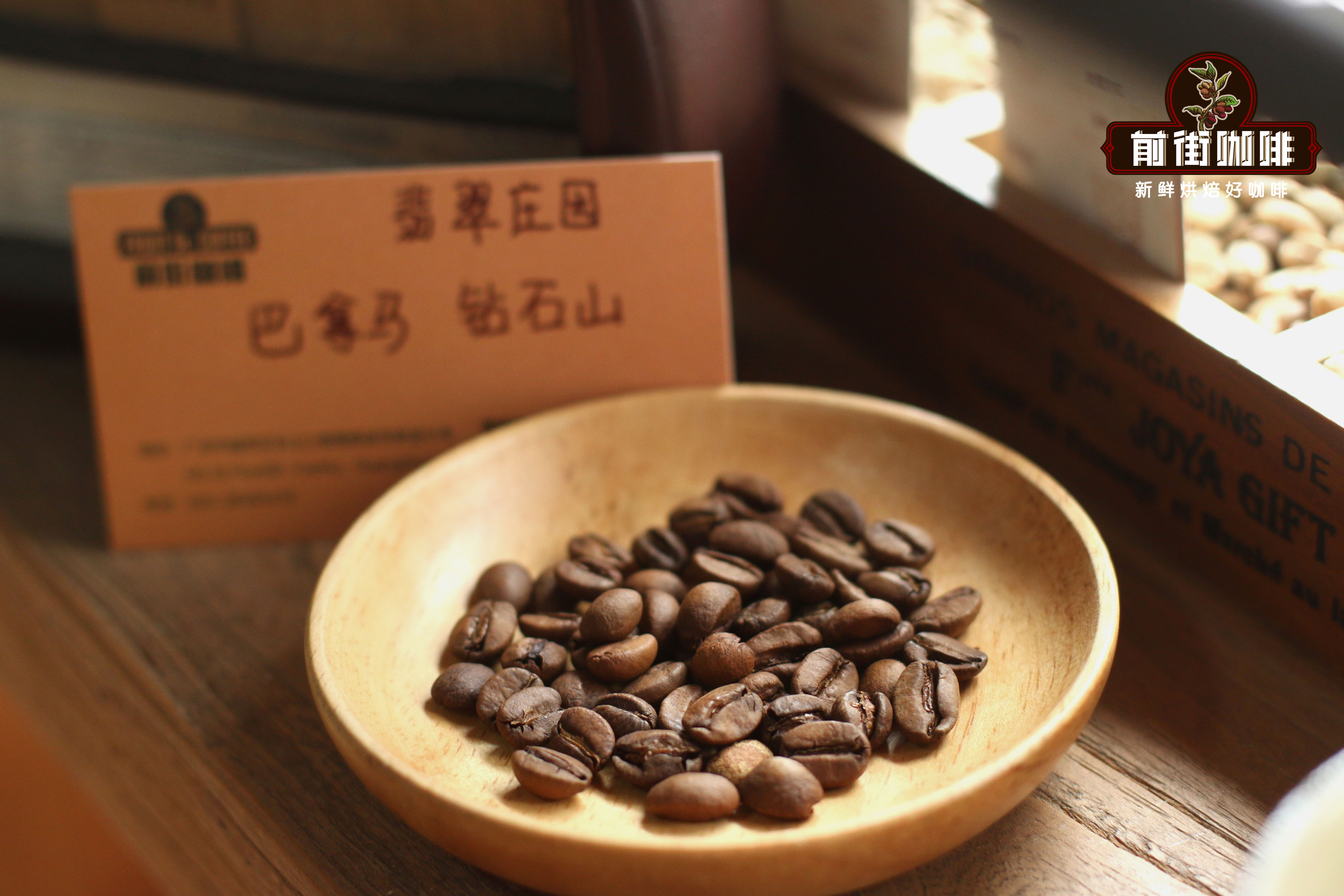
For roasting, a specialty coffee shop has adopted a medium-light roast strategy for this Catuai lot. The reason is simple: although Catuai’s flavor expression may not be as bold as Geisha, being grown in a high-altitude, meticulously managed environment means its potential is absolutely worth careful roasting. The recommended roast curve from the shop is as follows: charge at 165°C, with a flame power of 130 and air vent at level 3; turning point at 97.3°C (around 1 minute 36 seconds); when the drum temperature reaches 112°C, increase the air vent to level 4 while keeping the flame unchanged; at 153.2°C, when the bean surface turns yellow and grassy notes fade, it enters the dehydration phase; at 8 minutes 30 seconds, when the bean surface shows wrinkles and dark spots, and the aroma transitions from baked bread to coffee, that signals the pre-first crack stage. At 184°C, reduce the flame to 70, and listen carefully for the first crack; around 9 minutes 48 seconds the first crack begins, then immediately open the air vent to level 5. After first crack, allow for an additional 1 minute 20 seconds of development, and finally drop the batch at 191°C.
Cupping results show that this sun-dried Diamond Mountain Catuai presents clear citrus and berry notes, with a honey-like sweetness and smooth spice layers in the mid-palate. The finish is clean and lingering, with an overall balanced and layered profile, making it highly suitable for coffee lovers who enjoy a harmonious balance of fruitiness and sweetness.

If you’re planning to brew it at home using pour over, we recommend using a V60 #01 filter cone, with water temperature controlled at 90–91°C, a coffee dose of 15 grams, and a brew ratio of 1:15. Grind size should be medium-fine (about 80% extraction through a #20 Chinese standard sieve). The suggested brewing method is a three-stage pour: begin with a 30-gram bloom for 30 seconds; then pour in a slow circular motion to reach 125 grams for the first pour; once the water level drops and the coffee bed begins to show, pour again to reach 225 grams and stop; finally, remove the V60 just before the coffee bed is fully exposed again. Total brew time is about 1 minute 55 seconds. These parameters fully highlight the fruitiness, sweetness, and delicate layers of Diamond Mountain Catuai, making it a practical choice for entry-level specialty pour over brewing.
The above content is compiled by CoffeeHunters, a coffee news website.


