








Introduction:Iced americano is one of the most popular coffee choices in summer, but its flavor is not only determined by the espresso itself — it’s also closely related to the brewing method, ice ratio, and the flavor profile of the coffee beans. This article takes an in-depth look at how different Italian-style blends affect the taste of iced americano, introduces concentration variation techniques such as more ice or water reduction, and provides practical parameters for grind size and coffee-to-water ratio. Whether you’re at home or in a café, you can brew your ideal cup with ease.
On hot summer days, iced americano has almost become a daily essential for many people. Though this coffee seems to be just a simple combination of espresso, ice, and water, it actually offers a layered flavor experience and is greatly influenced by brewing details and bean selection. Mastering the right techniques allows you to enjoy a refreshing taste while also savoring the delicate aroma and balanced acidity-sweetness of the coffee itself.
At a well-known coffee shop, iced americano has long been a bestseller in summer. Its charm lies in its simplicity — just three steps: brew a shot of espresso, add some ice cubes, then pour in cold water to mix. But don’t underestimate these three steps. The amount of ice, the temperature and proportion of water, and even the extraction conditions of the espresso can greatly impact the final flavor. Some customers even challenge the “waterless version,” pouring the espresso directly over a large amount of ice to create a highly concentrated “sliding americano” with a unique flavor.

The soul of iced americano actually lies in the coffee beans used. Different blends not only bring unique flavor profiles but also influence overall acidity, sweetness, and body. Taking four classic Italian-style blends from a well-known coffee shop as examples, each blend has its own personality and suitable scenarios.
First recommended is the “Dark Cocoa Blend,” made from Brazilian and Yunnan beans. Its flavor leans toward creamy and nutty notes, with a smooth mouthfeel suitable for most milk-based coffee drinks. When used in iced americano, it delivers a stable base aroma. Next is the “Premium Blend,” which combines Brazilian and Colombian beans, using medium-dark roasting to bring out slight acidity and light sweetness. With a rich aroma and enhanced nuttiness, it has moderate crema performance and is considered a balanced choice by many baristas.
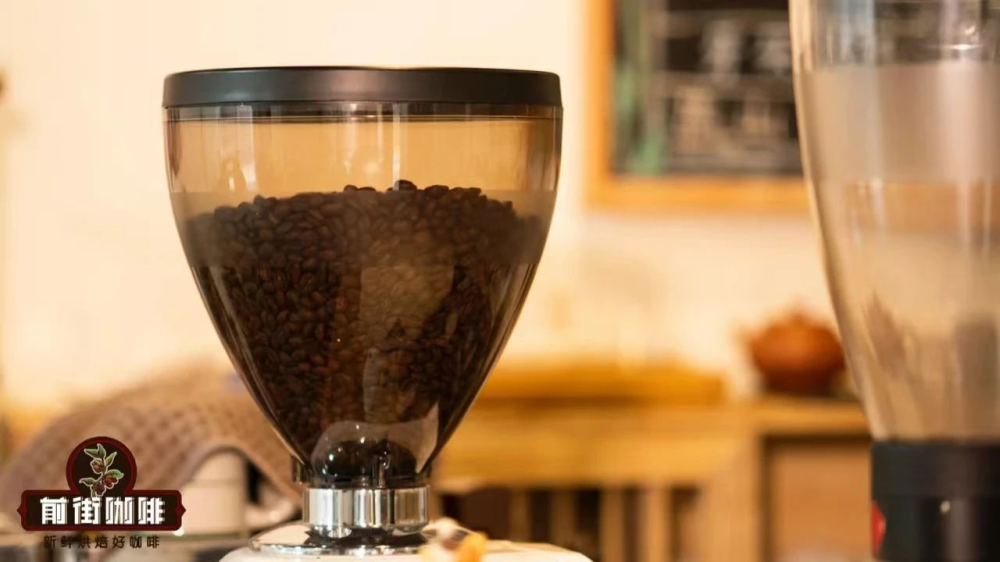
Another option, the “Commercial Blend,” adds an extra 10% Robusta beans to the Premium Blend. While this ratio is often misunderstood as compromising flavor, it actually enhances the body and crema of the espresso. The well-known coffee shop specifically points out that the 10% ratio is carefully designed to keep Arabica beans dominant while skillfully balancing the intense and slightly bitter characteristics of Robusta, giving cold coffee a solid mouthfeel. For consumers not used to 100% Arabica, this blend offers another bold option.
Finally, there’s the “Warm Sun Blend,” currently the mainstay for iced americano in-store. It features bright citrus and berry acidity paired with rich wine-like notes and a dark chocolate finish. Not only is it great on its own, but it also shows high recognizability when used in milk-based coffee, making it a flavor representative in the eyes of many customers.
Speaking of the benefits of iced americano, many consumers choose it as a weight-loss aid. According to medical research, moderate consumption of black coffee helps boost metabolism, promote fat burning, and has potential benefits for improving focus and reducing risks of chronic diseases and certain cancers. However, coffee quality should also be considered — low-quality beans or excessive intake may cause side effects like palpitations or insomnia. It’s recommended to adjust intake based on individual constitution.
Returning to the brewing methods, besides the traditional espresso plus ice and water, many home users also opt for drip coffee makers to brew Americano. The history of these machines dates back to the 19th century. As early as 1865, American James Nason applied for the first coffee filter patent, and over time, technology evolved until Philips launched the first modern-style American drip coffee machine in 1965, gradually leading to its widespread use. This history has made drip coffee an important part of Western home beverage culture.

If you choose to use a drip coffee maker at home to make iced americano, it’s recommended to use a grind size similar to that for pour over coffee. For example, when using an EK43s grinder, you can adjust to 9.7 (approximately 80% passing rate through a standard No. 20 sieve), to achieve even extraction. For the coffee-to-water ratio, the standard reference is 5 grams of coffee grounds to 100 milliliters of water, which can be adjusted according to personal taste preferences. Many drip machines come with reusable metal filters, and if you want to improve filtration clarity, you can also add trapezoidal filter paper to reduce fine particle interference.
In summary, a delicious iced americano is not just a combination of espresso and ice water, but the result of bean selection, brewing method, and personal preference. From more ice to water reduction, from Arabica to Robusta blends, each variation can bring a completely different taste experience. As long as you master the key parameters and details, you can easily brew your own personalized iced americano at home.
The above content is compiled by CoffeeHunters, a coffee news website.


