







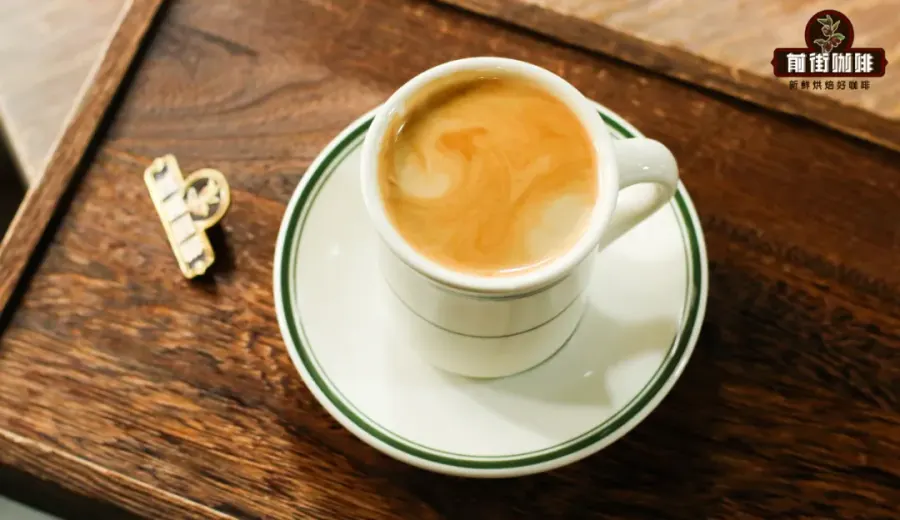
Introduction:Receiving a lukewarm or room-temperature coffee when you ordered an iced Americano without ice is a common confusion among many customers. Both are supposed to be "no ice" drinks—so why does an iced latte stay cold while an iced Americano does not? This article delves into the actual operational logic behind how coffee shops prepare no-ice coffee, explores why iced Americanos often end up at room temperature, demystifies why iced lattes remain cold, and offers handy tips for achieving your desired coffee temperature at home. It also includes a classic espresso blend recommendation for coffee enthusiasts.
Ordering an “iced Americano without ice” at a coffee shop only to be served a drink that’s lukewarm or even slightly warm is an experience many coffee drinkers can relate to. While both are labeled as “no ice,” it’s puzzling why an iced latte maintains a cool temperature but an iced Americano does not. The difference isn’t just about taste preferences—it also involves variations in preparation processes and the temperatures of the ingredients used.
From a production standpoint, “no ice” does not mean “chilled.”In most coffee shops, “no ice” means the drink is made without adding ice cubes, rather than the entire beverage being cooled down. For example, a standard iced Americano is typically made with room-temperature water, ice cubes, and espresso. A no-ice Americano, on the other hand, is made with just room-temperature water and espresso, lacking the cooling effect of ice. As a result, even without added ice, the drink remains close to room temperature or slightly warm.
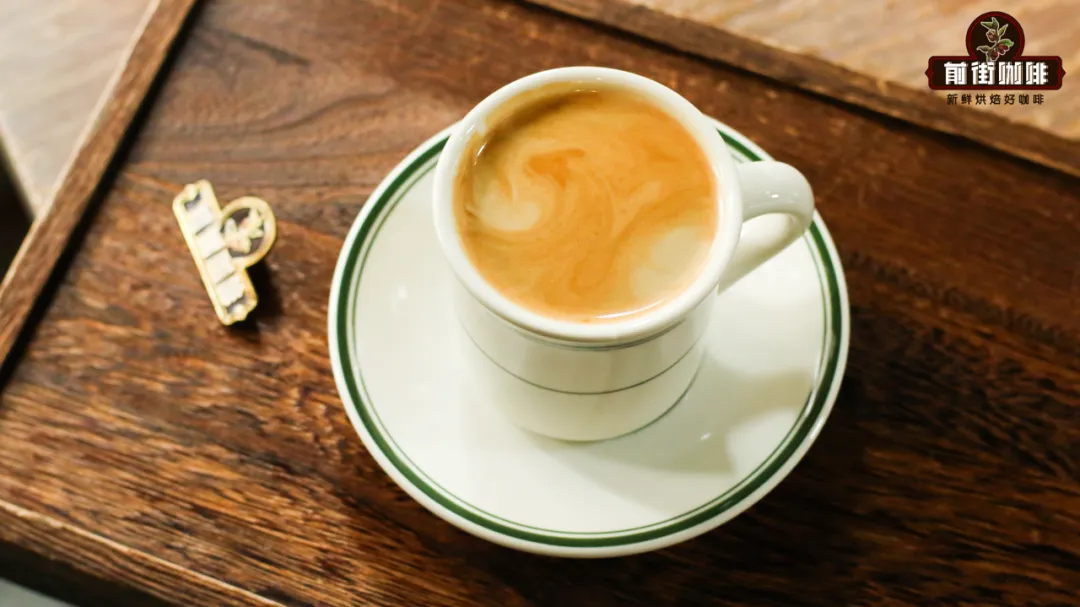
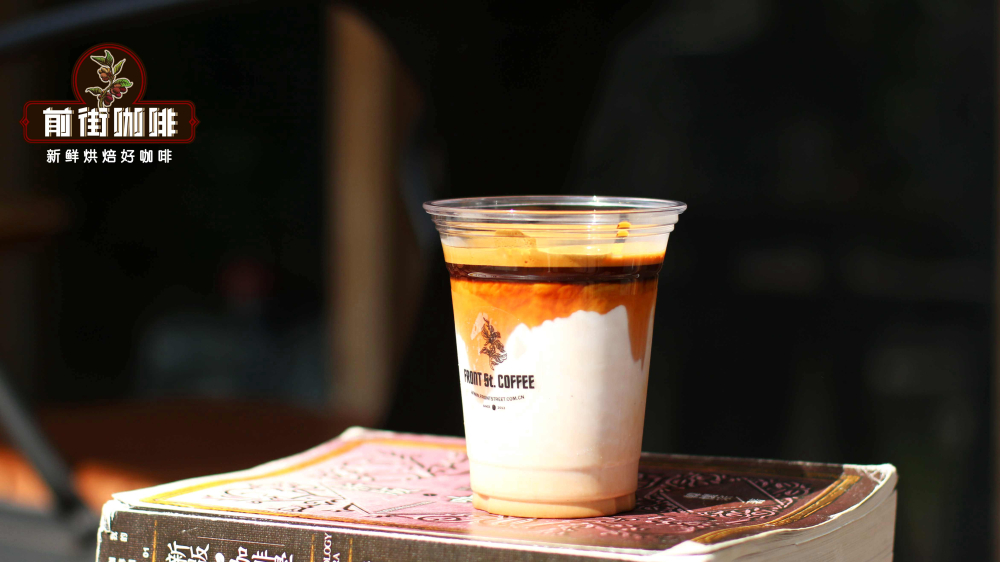
In contrast, a no-ice latte is made with milk and espresso—both of which are usually taken straight from refrigeration. Even without extra ice, these ingredients help maintain a cooler temperature. That’s why many customers find that no-ice lattes feel significantly colder than no-ice Americanos.
Some customers might wonder why coffee shops don’t pre-chill their water or use ice-cooled water to make no-ice drinks, similar to how bubble tea shops do. The answer lies in operational efficiency and cost considerations. Tea-based drinks often rely on ice to control both concentration and temperature, hence requiring actions such as adding or scooping out ice to adjust the taste. For coffee drinks, however, adjustments to concentration and temperature mainly depend on the temperature differences and proportions of the ingredients themselves. Pre-chilling or artificially cooling the water would add unnecessary steps to the process, which for high-volume coffee shops could negatively impact overall efficiency and storage management.

It’s worth noting that many coffee shops tend to choose espresso blends with rich crema and stable flavors, such as one classic blend. This medium-dark roasted formula, composed of beans from three origins, is not only ideal for making espresso bases but also excels in producing good crema, making it perfect for beginners learning latte art. Its recipe draws inspiration from the classic “Mamba” combination, with a slight adjustment that includes a small amount of Robusta to enhance overall aroma and body. It serves as a valuable reference for those practicing latte art at home or running a coffee shop.
So, what if you don’t like the room-temperature feel but also want to avoid the extreme chill of an iced Americano? A practical tip is to order an “iced Americano with less ice.” If the amount of ice is minimal, the room-temperature water and espresso will quickly melt the ice, achieving a temperature similar to that of a no-ice version. Many customers, after understanding why no-ice Americanos are lukewarm, opt for this alternative—enjoying a sensation close to no-ice while still retaining the refreshing taste of coffee.
In summary, iced Americanos often end up at room temperature or slightly warm primarily because they aren’t cooled during preparation and use room-temperature water. Iced lattes, on the other hand, stay cool due to the use of refrigerated milk—even without ice. Understanding the reasoning behind these preparation methods can help customers place more accurate orders and choose the coffee style that best suits their preferences. If you want to enjoy coffee at your ideal temperature at home, selecting the right beans and mastering water temperature are equally key.
The above content is compiled by CoffeeHunters, a coffee news website.


