







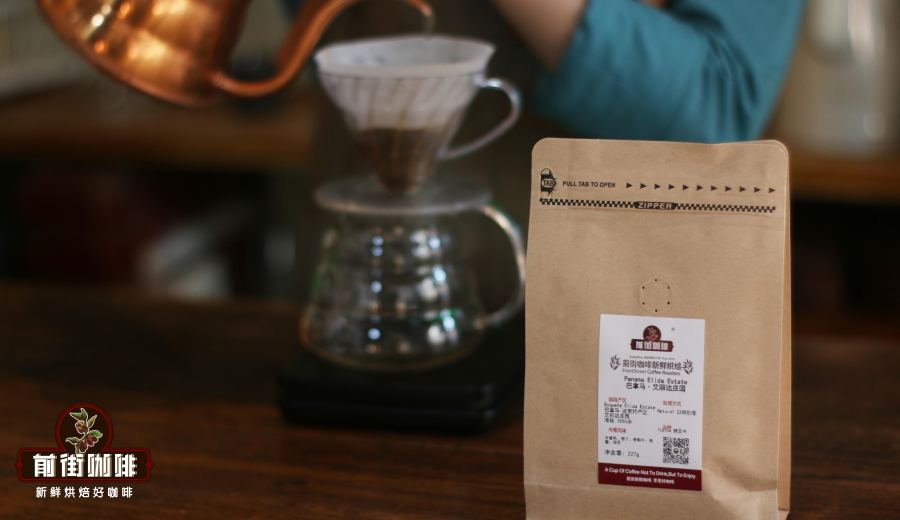
Introduction:Besides the renowned Geisha from Hacienda Esmeralda, Panama is home to many other boutique coffee regions and farms worth exploring. This article focuses on Elida Estate in the high-altitude region of Boquete, taking an in-depth look at its naturally processed Typica variety. From the microclimate of the region, the characteristics of the variety, the processing techniques, to cupping flavors, we also provide practical pour over parameters to help you understand this classic coffee bean that offers flavors of peach, raisin, and sugarcane sweetness.
In the world of specialty coffee, Panama is celebrated for its unique microclimates and high-altitude growing regions, with Boquete being one of the most representative coffee hubs. Located in the Chiriquí Province, this area, with its cool, foggy environment and mountainous terrain, nurtures many coffees with delicate flavors. Among the many outstanding regions, Elida Estate has gradually gained international attention due to its long history and consistent quality.
Elida EstateOwned by the Lamastus family, it has a history of over a century since its establishment in 1918. This high-altitude estate is now managed by the fourth-generation family member, Wilford Jr., who remains committed to refined coffee production. The estate grows a variety of cultivars including Typica, Catuai, and Geisha, among which Typica stands out for its classic traditional flavors and clear layered profiles.
This recommended coffee bean is grown at an altitude of1850 metersand processed using the traditionalnatural (sun-dried) method. The high altitude and foggy conditions result in slower ripening of the coffee cherries, helping them accumulate richer sugars and flavor compounds. The natural processing further enhances the fruitiness and sweetness, giving this Typica coffee a profile of intense tropical fruits and caramelized sweetness.
Typica, one of the oldest Arabica varieties, originated in Ethiopia. It is known for its slender beans, clean flavors, but relatively low yield. Compared to other high-yield varieties, Typica places more emphasis on the purity and detail of flavors, often exhibiting notes of citrus, floral, and sweet candy. This Typica from Elida Estate, after natural processing, fully showcases the sweetness of dried fruits, peaches, and sugarcane, while maintaining a bright acidity and good body.
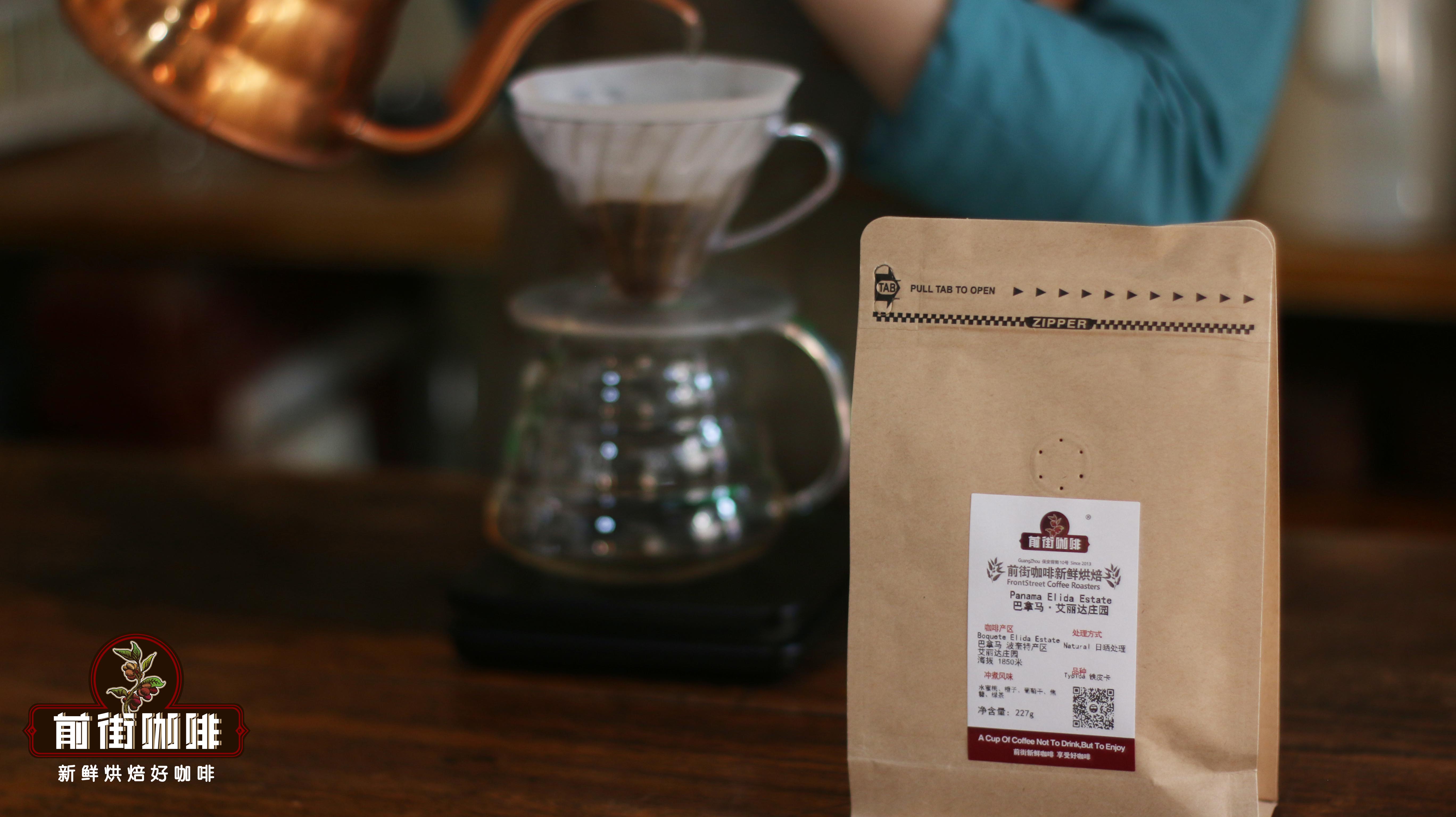
During processing, the coffee cherries are immediately transported to the processing facility located halfway up the mountain after harvest to ensure freshness and processing quality. Natural processing requires strict control of weather conditions and the frequency of turning to achieve the ideal balance of sugar fermentation and drying. This method, common in high-altitude regions, highlights fruity and sweet notes, making it a favorite among many specialty coffee enthusiasts.
In terms of roasting, it is recommended to use a medium-low charge temperature to preserve more of the origin characteristics, and toextend the development time moderately after first crackto bring out caramel and sweet aromas. This coffee was roasted using a Yangjia 800N machine, with a charge temperature of about170°C, and heat application was controlled via the slip technique to avoid excessive bitterness, with the final drop temperature kept around190°Cto achieve optimal balance.
In cupping, this coffee shows strongcaramel, roasted almond, and floralnotes in the dry aroma, while the wet aroma presents complex layers of jackfruit and fermented wine-like scents. Upon tasting, the fruit flavors of peach, raisin, orange, and melon are prominent, paired with the sweetness of cane sugar and caramel. The overall flavor is clean and well-layered, with a finish that offers a green tea-like freshness and lingering sweetness.
If you’d like to recreate the captivating flavors of this coffee at home, it is recommended to use aV60 #01 filter, with water temperature controlled at91°C, a powder-to-water ratio of1:15, and a grind size approximately equivalent to80% through a #20 sieve(similar to the coarseness of fine sugar). For pour over, it is suggested to use a three-pour method: the first pour adds 30g of water for a 30-second bloom, followed by 95g of water, then when the water level drops to two-thirds of the coffee bed, pour the final 100g. The total brew time is about 2 minutes and 10 seconds, effectively highlighting its fruity and sweet profiles.
In summary, this naturally processed Typica from Elida Estate in Panama not only showcases the refined flavors of a high-altitude region but also delivers the captivating sweetness of peach, raisin, and sugarcane through traditional processing and careful roasting. Whether you’re new to specialty coffee or a seasoned enthusiast, this is a classic bean worth savoring.
The above content is compiled by CoffeeHunters, a coffee news website.


