







Introduction:Although Bolivia is sandwiched between two major coffee-producing powerhouses, it has developed a unique "low-altitude" coffee cultivation route thanks to its distinctive geography. This article takes you on a journey through the Yungas and Caranavi regions, exploring how the local climate and microenvironments influence coffee flavor profiles. It also spotlights a specialty coffee bean from Finca Vallecito, featuring the Java variety and an innovative cocoa sun-drying processing method. In addition to a detailed breakdown of its processing workflow and roasting curve, we provide practical V60 brewing parameters and cupping insights — making this a must-read guide for pour-over enthusiasts and those curious about unique processing methods.
Bolivia is located in the heart of South America, neighboring globally renowned coffee powerhouses Brazil and Peru. This highland-known country has its capital, La Paz, sitting at an elevation of 3,660 meters. The harsh, frigid mountain environment poses significant challenges to most Arabica varieties. However, in the Yungas region to the northeast of La Paz, relatively lower altitudes and fertile soils make it one of the few suitable areas for coffee cultivation in the country, giving rise to Bolivia’s unique development path of "moving toward low-altitude" coffee farming.
Bolivia’s coffee cultivation history dates back to 1880, initially dominated by large estates. But between 1932 and 1983, due to political instability and civil war, the industry saw little to no growth. It wasn’t until 1991, when the political situation stabilized, that the government initiated programs encouraging indigenous communities to participate in coffee farming. At the time, however, there was still limited emphasis on coffee quality, and poor transportation infrastructure made it difficult for many high-quality beans to reach the market.
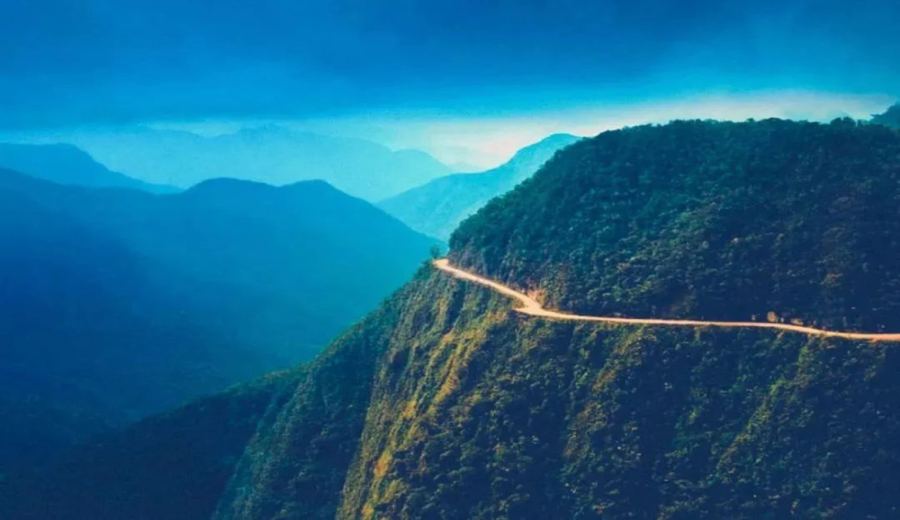
The Yungas region lies on the eastern foothills of the Andes, near La Paz, featuring rugged terrain and home to the infamous "Death Road." Despite transportation challenges, the area boasts unique microclimates and high-altitude environments. For instance, the world’s highest-elevation coffee farm, Finca Takesi, is located here at 2,500 meters, producing many distinctive coffees. In contrast, Caranavi in northern Yungas, with an average elevation of about 1,500 meters, is slightly less complex but offers a more pronounced chocolate profile.
Among the many regions and varieties, after numerous cuppings and sourcing efforts, we discovered a specialty coffee bean from Finca Vallecito, the Java variety. This farm is located in the La Paz region at an altitude of approximately 1,600 meters and employs an innovative cocoa sun-drying process, imparting a complex and captivating flavor profile to the coffee.
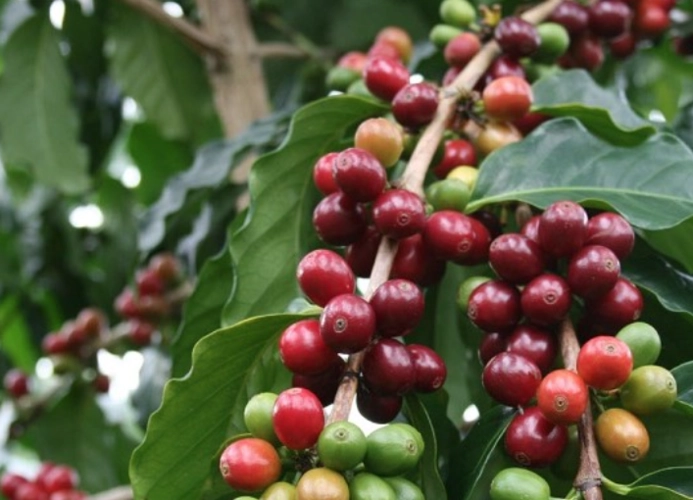
The Java variety is often referred to as the "long berry" in Bolivia due to its slender shape. In fact, the Java variety originally comes from the primeval forests of Ethiopia and later spread to Indonesia via Yemen, hence the association with the Indonesian island of Java. Though once mistakenly thought to be a Typica variant, genetic research reveals it actually originates from Ethiopia’s Abysinia variety, possessing a unique genetic background and flavor potential.
In terms of processing, Finca Vallecito specifically hires skilled pickers from the Porvenir community. These workers have undergone professional training to select only fully ripe coffee cherries and harvest them in batches to ensure optimal ripeness. The harvested cherries are transported in crates, which not only prevent damage but also facilitate ventilation and reduce the risk of early fermentation. After washing, the cherries are placed on African-style raised beds, turned daily to ensure even drying, and after about a week, moved into a cocoa dryer for further processing.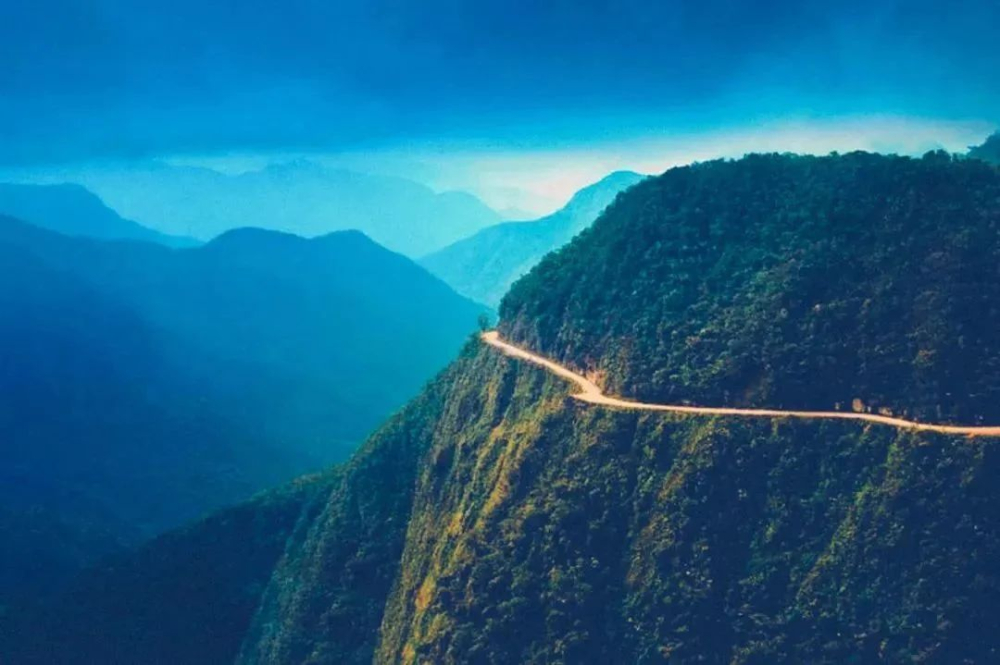
Using a cocoa dryer to process coffee beans is a major innovation by Finca Vallecito. This method was pioneered by Pedro, a family member of the farm, who found that the cocoa dryer could slowly and steadily dry the coffee beans at temperatures below 40°C for up to 35 hours, with stirring every 30 minutes. This greatly reduces the impact of weather on the drying process and ensures consistency and delicacy in flavor. Once dried, the beans are sent to La Luna factory in La Paz for hulling and fine sorting. The process combines mechanical handling with manual UV and natural light screening to guarantee uncompromised quality.
Regarding roasting, to highlight the fermentation aromas brought by the cocoa sun-drying process, as well as the Java variety’s inherent floral, berry, and nutty notes, the roaster opted for a medium-light roast. For pour-over brewing, it is recommended to use a higher water temperature of 90–91°C, which helps fully release the aromatic compounds and acidity characteristic of light roasts, while improving extraction efficiency and avoiding unpleasant sharp acidity.
Suggested roasting curve: Charge temperature 170°C, initial heat 120, air vent 3; when the temperature reaches 111°C, maintain the heat and adjust the air vent to 4. At this point, the beans gradually turn from green to yellow, grassy notes fade, and the dehydration phase begins. Around 6’26”, the beans turn yellow and emit a toast-like aroma; at 146°C, reduce the heat to 100 while keeping the air vent at 4. By 9’38”, the bean surface shows wrinkles and dark spots, the toast aroma transitions to a distinct coffee scent, marking the prelude to first crack. First crack begins at 10’18”, with the air vent remaining at 4. Development after first crack lasts about 1 minute, and the beans are dropped at 190°C.
Cupping results show that this Bolivian cocoa sun-dried Java bean carries a slight fermentation note, with flavors of black grape and chocolate sweetness interwoven, alongside clear fruit acidity, resulting in a rich and balanced profile.
For actual pour-over brewing, it is recommended to use a V60 dripper. Its large holes and spiral ribs help with air release, improving flow rate and clarity. Suggested parameters: water temperature 90–91°C, grind size similar to superfine sugar (20-mesh sieve passing rate 78%), brew ratio 1:15, coffee dose 15 grams. Start with a 30-gram bloom for 30 seconds. After the coffee grounds expand, pour 95 grams of water in a circular motion from the center outward (total weight ~125 grams). At around 1 minute, pour the remaining 100 grams of water (total weight ~225 grams), and finish dripping by 1’55” to 2’00”. Avoid excessive stirring during brewing; a steady circular pouring technique helps achieve balanced flavor expression.
This Java variety coffee from Finca Vallecito in Bolivia, through its innovative cocoa sun-drying process and refined roasting and pour-over parameters, showcases the captivating flavors born from high-altitude terroir and meticulous craftsmanship. Whether you’re a processing-method enthusiast or simply looking to explore new flavor dimensions, this coffee is well worth savoring.
The above content is compiled by CoffeeHunters, a coffee news website.


