







Introduction:From Ethiopia’s native Geisha to internationally auctioned stars, this article provides an in-depth analysis of Gesha Village Estate’s five-tier classification system. It details the unique flavor profiles of Gold Label, Red Label, and other batches, reveals key steps in the natural processing method, and offers professional cupping data along with pour over parameter adjustments to help you precisely capture the layered charm of this legendary coffee.
When it comes to Geisha coffee, most enthusiasts immediately think of Panama. Indeed, Panamanian Geisha is world-renowned for its bright citrus notes, rich floral layers, and a sweet profile that intertwines almond and honey. However, what’s lesser known is that this variety, which has captivated the global coffee industry, actually originated in Ethiopia. This article will take you into Ethiopia’s Gesha Village Estate, systematically tracing the journey from the discovery of wild Geisha to the establishment of a top-tier estate, offering an in-depth look at its unique five-tier classification system, and analyzing the essence of its natural processing technique from a professional perspective.
When people mention Geisha, they often think of the remarkable achievements of the Panamanian producing region. Panamanian Geisha is indeed unforgettable for its distinctive flavor profile: intense citrus notes, complex and varied floral layers, and a delicate sweetness reminiscent of almond and honey, often leaving a profound impression. However, Geisha did not originate in Panama — its true homeland is the Gesha Mountains in southern Ethiopia. This high-altitude area (approximately 1700–2100 meters), located on the southwestern edge of the Kafa forest and near the Sudanese border, is the original birthplace of the Geisha variety. So why did this variety ultimately flourish abroad? Research shows that although Geisha in its place of origin possesses excellent resistance to leaf rust and was commonly used as a mother plant for hybrid breeding, it had relatively low yields, slender beans, and unremarkable flavor performance. It was the unique terroir and strict cultivation environment of Panama that unlocked the full potential of the Geisha variety.
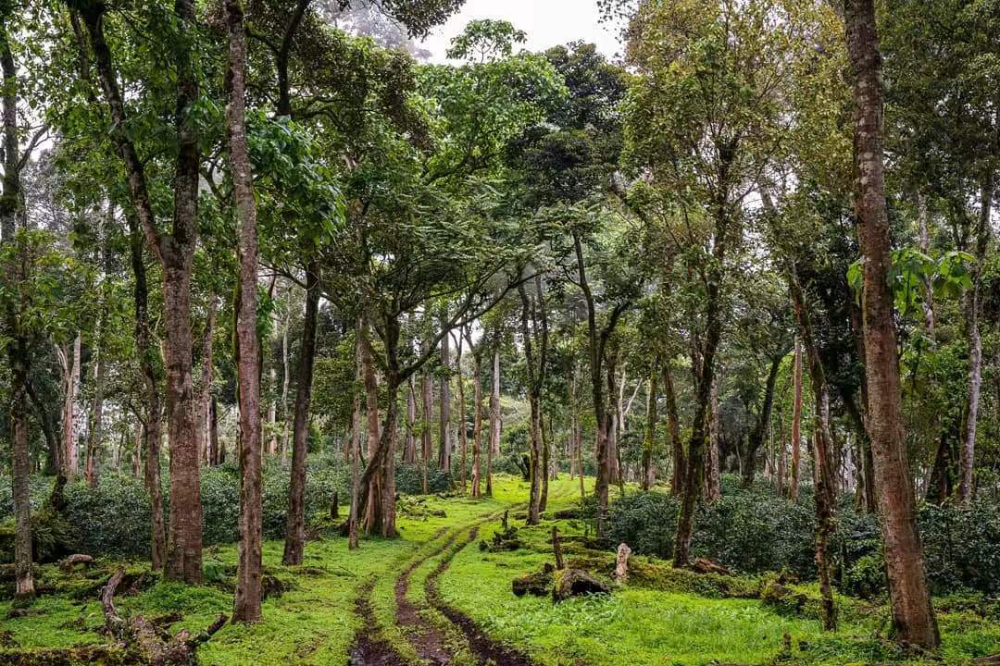
The story of Gesha Village Estate began in 2007, when documentary filmmaker Adam Overton and his photographer wife Rachel Samuel were filming a coffee-themed documentary for the Ethiopian government and ventured deep into the Gera Coffee Forest in the Bench Maji region. This experience not only gave them a renewed appreciation for Ethiopia’s rich coffee resources but also inspired the idea of establishing their own coffee estate. In 2009, the couple had the fortune of meeting mule estate owner and BOP judge Willem Boot. Boot’s suggestion to “return to Ethiopia to find the origin of Geisha” pointed their coffee venture in a new direction.
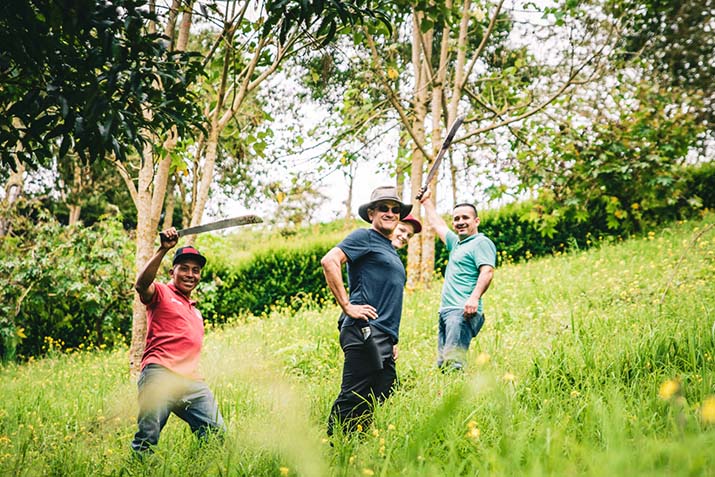
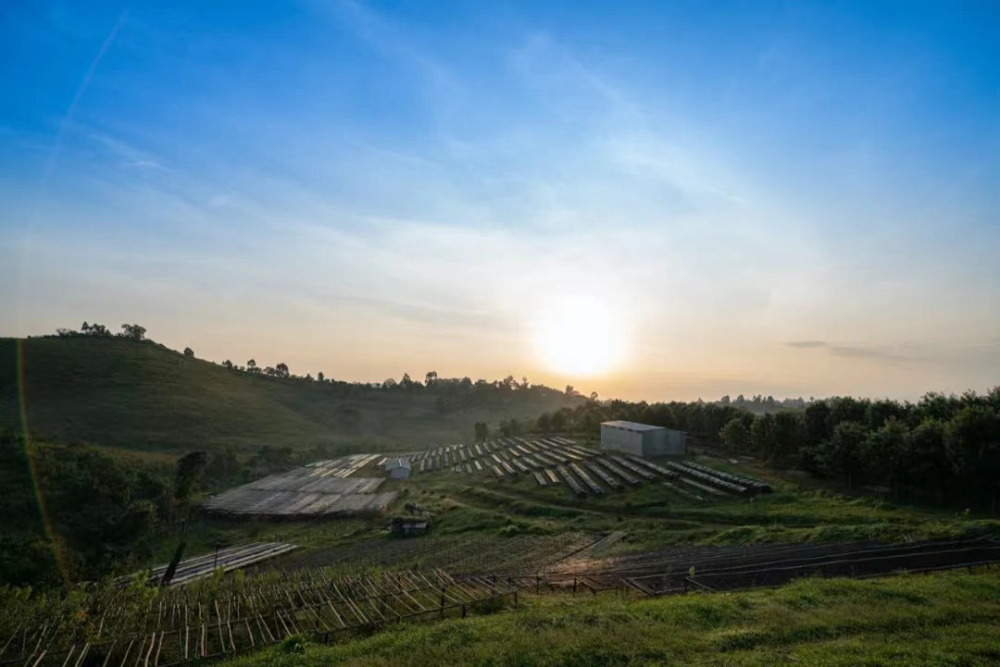
In 2011, they returned to the Bench Maji region. Locally, several areas are referred to as Gesha Villages, believed to be the most likely places to find the original Geisha variety. Under Willem Boot’s guidance, Adam explored the surrounding forests and discovered multiple wild coffee tree species in the Gori Gesha Forest, surrounded by dense virgin forest — the most precious of which was the native Geisha variety. They collected seeds from these wild Geisha trees, carefully selected them, and planted them in the Gesha Village area, deciding to establish an estate there, named Gesha Village Coffee Estate. The estate is located about 12 miles from the Gori Gesha Forest and covers 475 hectares.
Gesha Village Estate is vastly different from most smallholder farms in Ethiopia. This nearly 500-hectare large-scale farm is equipped with modern washed processing facilities and professional laboratory infrastructure. In 2015, the estate had its first harvest, and its high-quality coffee beans quickly gained industry recognition. With the assistance of Panamanian mule estate owner Willem Boot, the estate successfully held its first international auction on May 31, 2017, launching 21 micro-lots of coffee beans, 19 of which were 120 kg lots, with the rest in smaller quantities.
Gesha Village Estate’s coffees have performed outstandingly in international competitions, with numerous renowned baristas using beans from the estate to win awards. These include: Hong Kong’s Kenny Chow, who won third place in the 2017 World Barista Championship using Gesha Village Estate beans; and in the same year, Japan’s Toshiyuki Ishiya also claimed his first Japan Barista Championship (JBC) title in his ten-year competing career with beans from the same estate.
Gesha Village Estate implements a strict grading system, primarily divided into five tiers: Auction Lots, Gold Label (RARITIES), Red Label (RESERVE), Green Label (SINGLE-TERRAOR), and Chaka (CHAKA) lots.
Auction Lots account for only 3.7% of annual production and are top-tier products that have undergone rigorous selection, available only through global auctions. Gold Label lots make up about 10% of annual production, featuring complex flavors and limited availability. They are the most premium offerings after Auction Lots, often chosen by baristas for competition and preferred by roasters seeking high quality. Red Label lots account for approximately 15% of annual production, with full traceability and cupping scores above 88 (SCA standard), showcasing the classic Gesha Village flavor profile and offering excellent value. Green Label lots come from single plots of a single variety, providing complete batch traceability including plot name, variety, and processing date. Chaka lots are blends of beans from all plots and across the entire production season, available in both natural and washed processes, and include three varieties: Geisha 1931, Gori Gesha, and Illubabor.
Gesha Village Estate’s coffee beans primarily use the natural (sun-dried) processing method. The professional process includes: first removing impurities and floaters, then drying the beans in thin layers on African-style raised beds, with plastic sheeting used for appropriate covering. During the sun-drying process, multiple screenings are conducted to remove insect-damaged beans and those with abnormal coloration. The entire drying process typically lasts 18 to 30 days to ensure the beans reach the ideal moisture content and optimal flavor development.
Taking the popular Red Label Natural Geisha as an example, this lot comes from the Shewa-Jibabu plot in the northwest of the estate, grown at elevations between 1973 and 2069 meters. Professional roasting considerations include: for new-crop beans, it is recommended to extend the drying phase to ensure even heat penetration between the bean surface and core. To highlight its bright acidity and rich fruity and floral aromas, a light roast is typically used. Professional cupping results show that this coffee features pronounced yellow stone fruit notes, fresh white floral tones, and a delicate tea-like mouthfeel, accompanied by a notable creamy aftertaste. Its standout characteristic is the consistently high sweetness throughout, with soft acidity in the front and a prominent creamy sensation in the finish. It should be noted that this lot has relatively light body, and its flavor profile may become more subdued as it cools.
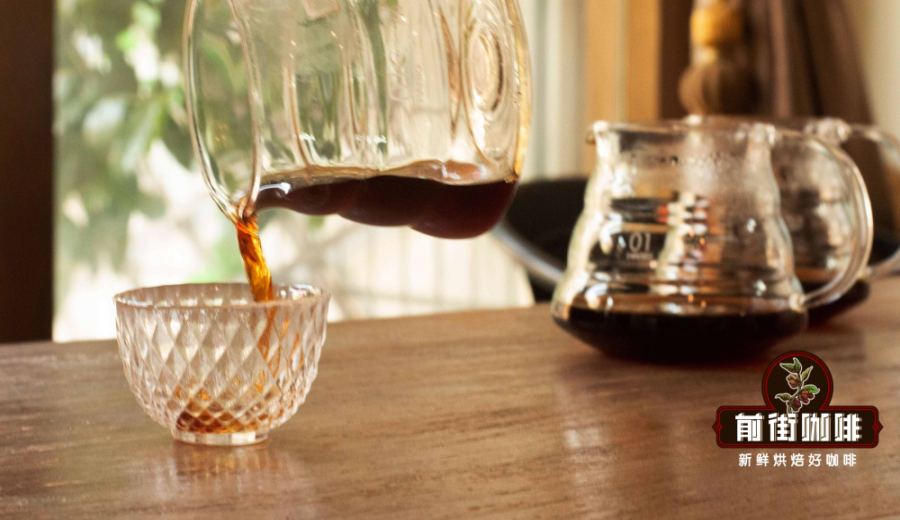
Professional pour over recommendation: Use a V60 #01 filter, water temperature at 91°C, 15 grams of coffee, a 1:15 coffee-to-water ratio, and medium-fine grind (80% passing through a Chinese standard No. 20 sieve). Use a staged extraction method: start with a 30-second bloom using 30 grams of water, then pour in a slow circular motion until reaching 125 grams for the first pour, continue pouring when the water level drops just before exposing the coffee bed until 225 grams, and finally remove the filter just before the water level exposes the coffee bed again. Total extraction time is about 1 minute and 55 seconds, aiming for a concentration of around 1.32% and an extraction yield of about 18.13%. This parameter setup achieves a relatively high concentration within the Golden Cup range while ensuring proper extraction yield, helping to enhance the overall body and flavor complexity of the coffee.
Through this professional brewing method, you can experience bright citrus acidity and good body at high temperatures; as the temperature slightly drops, the acidity becomes softer, the flavors shift toward yellow stone fruit tones, accompanied by creamy sweetness and subtle floral notes; at lower temperatures, complex flavors of maple syrup and berries emerge. Mastering these points will allow you to fully appreciate the unique charm of Ethiopia’s native Geisha.
The above content is compiled by CoffeeHunters, a coffee news website.


