







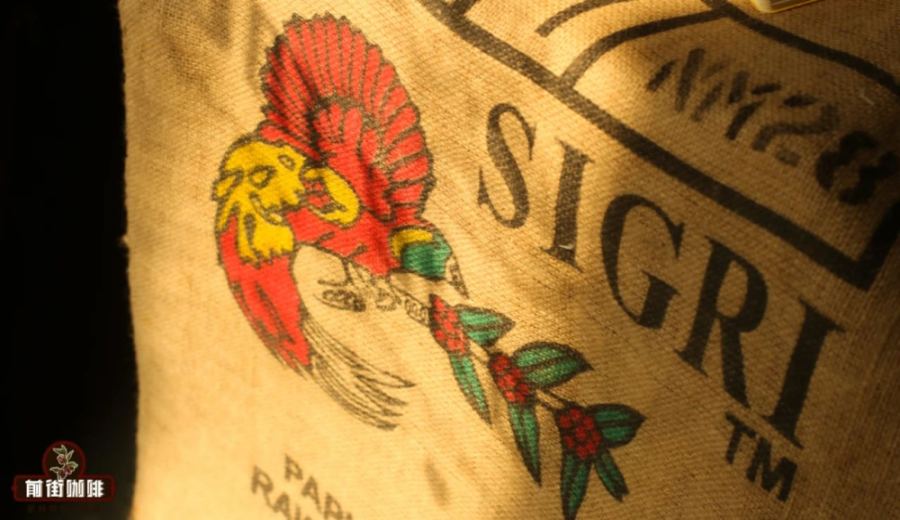
Introduction:Coming from Papua New Guinea in the South Pacific, Bird of Paradise coffee is hailed as the "Little Blue Mountain" and is renowned for its clean, bright floral and fruity profile with a balanced mouthfeel. This article delves into the origin background, processing method, roasting curve, and pour over extraction parameters of this washed Typica coffee, helping you understand how to brew it to achieve optimal flavor and master its unique aromatic layers.
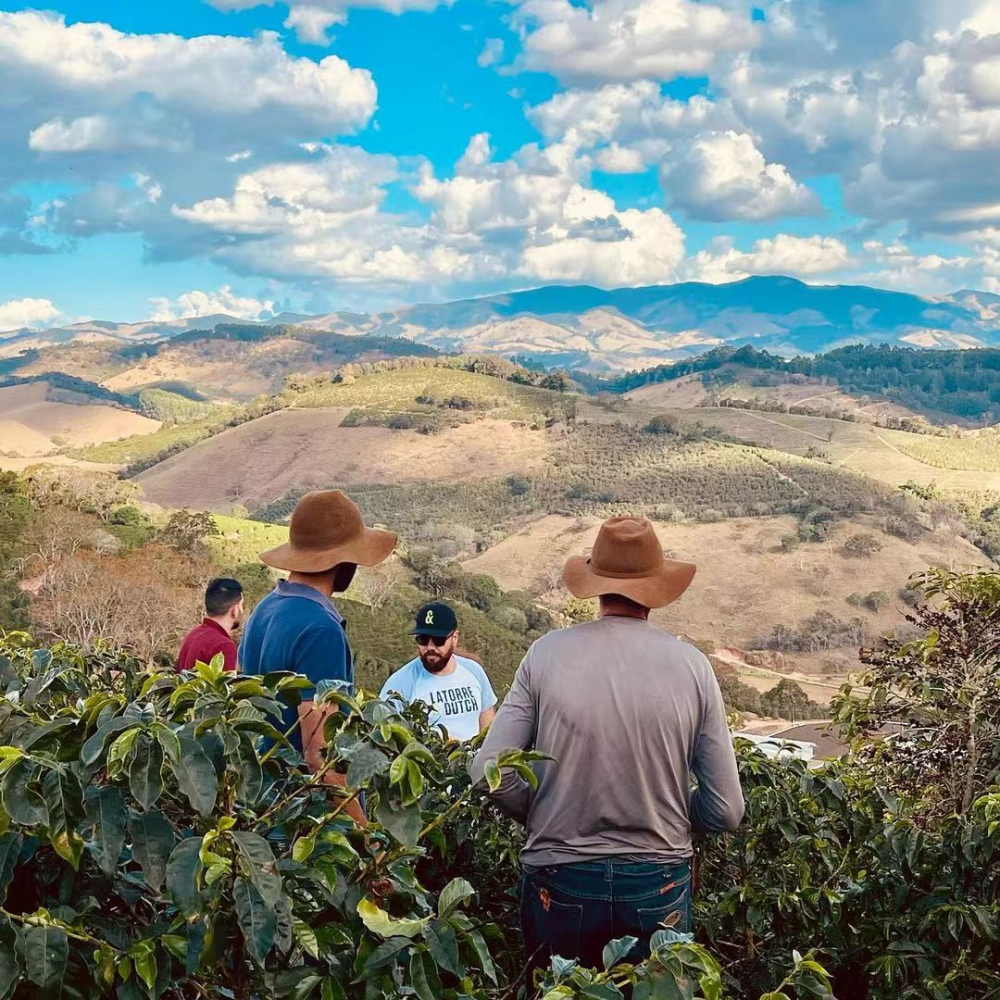
Located in the South Pacific, Papua New Guinea may not have a large land area, but it boasts exceptionally favorable conditions for coffee cultivation. This island nation lies between tropical rainforests and highland regions, with elevations generally ranging from 1200 to 2500 meters. Its climate is typically island-style—hot and humid—making it very suitable for growing Arabica varieties. Among these, washed Typica coffee is the most celebrated, not only known as the "Little Blue Mountain" but also gaining international attention in the specialty coffee market for its clear flavors and balanced acidity and sweetness. Even Starbucks’ Reserve series has released products related to it.
Coffee-growing regions in Papua New Guinea are mainly concentrated in highlands above 1300 meters in elevation. Cultivation here is predominantly carried out by smallholder farms, with about 85% of the coffee coming from such family-based cultivation systems. Smallholders often join cooperatives to share processing equipment and technical resources, ensuring stable coffee quality. Thanks to the use of organic and shaded farming methods, coupled with washed processing, the coffee from this region exhibits distinct fruity and floral notes, forming a stark contrast with the herbal and spicy profiles commonly found in Indonesian coffees. Its flavors are closer to the cleanliness and brightness typical of South American coffees.
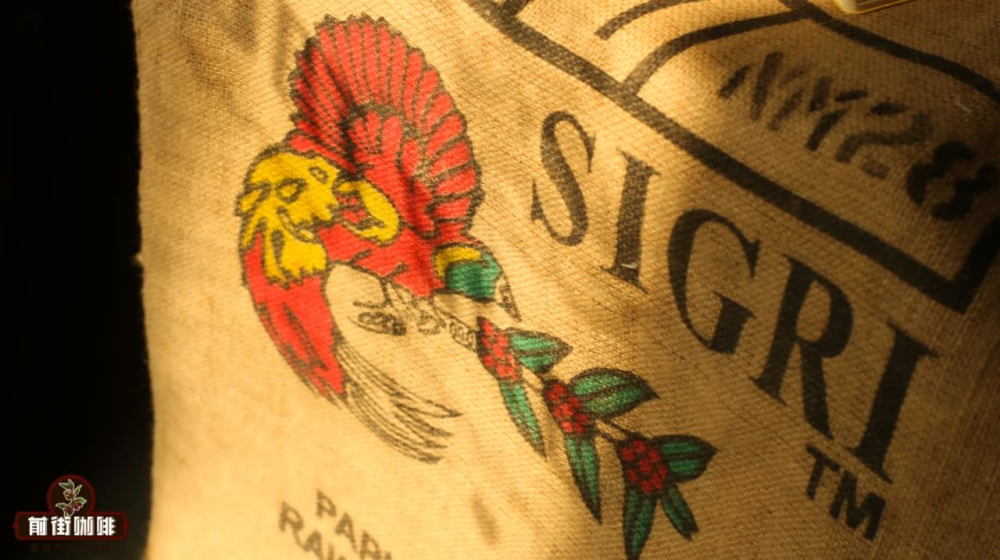
Sigri Estate is one of the most representative coffee farms in Papua New Guinea, named for the various bird species—including the Bird of Paradise—that inhabit the estate. The estate is part of WR CARPENTER COMPANY-PNG, the largest coffee producer and exporter in Papua New Guinea, exporting 1.6 million kilograms of washed Arabica annually. The estate not only has its own washed processing facility but also benefits from the participation of local Opais ethnic smallholder farmers, creating a private cooperative-style production model that ensures every step from planting to processing maintains a high standard.
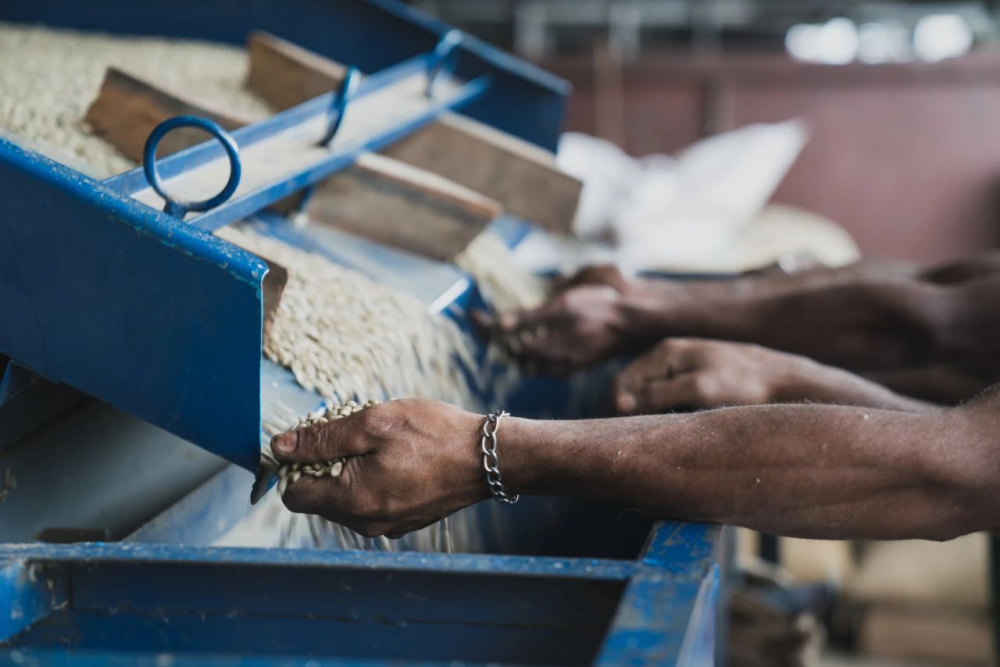
The washed processing procedure at Sigri Estate is quite meticulous. After harvesting fully ripe red cherries, they are immediately transported to the processing plant for three rounds of water fermentation, each lasting about 24 hours, with fresh water changed each time to prevent the accumulation of impurities and undesirable flavors. After fermentation, the beans are carefully washed to remove mucilage and outer skins, then naturally sun-dried with strict control over drying levels. Finally, they undergo hulling and precise grading to ensure only the highest-quality beans enter the export market. This processing method gives the beans bright acidity, delicate sweetness, and a long-lasting aftertaste.
The coffee beans from Sigri Estate are of the Typica variety, one of the oldest and most classic in Arabica, known for its distinctive flavors. Typica beans are slightly long and slender, with bronze-tipped leaves, hence also called "red-tipped coffee." Though less resistant to disease, they offer a clear and layered flavor profile, with gentle yet vibrant acidity, often accompanied by tea-like notes and sweetness. Due to their lower bean density, special attention must be paid to heat and temperature control during roasting to fully bring out their fruity character and rich finish.
When roasting this Bird of Paradise coffee, a certain coffee brand opted for a medium-dark roast level to enhance the foundational cocoa and nutty flavors while preserving moderate fruit acidity and floral notes. The recommended charge temperature is 170°C, with the air damper set to 3, initial flame at 140°C, and the turning point around 1 minute and 36 seconds. Subsequently, adjustments to the air damper and flame are made based on bean color change and dehydration status. Before first crack, the temperature is raised and the rate of rise is controlled. Roasting continues for 3 minutes after first crack, with the coffee dropped at 198.5°C to achieve optimal sweetness and flavor balance.
For cupping, it is recommended to use a 200ml ceramic cupping bowl, with a brew ratio of 1:18.18, water temperature at 94°C, and grind size passing 70%-75% through a #20 sieve. Cupping results from a certain brand showed that this coffee has caramel and citrus notes in the dry aroma, while the wet aroma presents distinct herbal characteristics. The flavor profile reveals layers of nuts, cocoa, cream, and caramel, with soft acidity, noticeable sweetness, excellent cleanliness, making it ideal for coffee lovers who enjoy balanced flavors and refined aftertastes.
If choosing the pour over method, it is recommended to use a Kono filter, with about 15 grams of coffee, a brew ratio of 1:15, and a medium-coarse grind (similar to coarse sugar, 75% passing a #20 sieve). Water temperature should be slightly lowered to 89°C to preserve more acidity and aroma. The pour over is suggested to be done using a three-stage extraction method: begin with a 30-second bloom using 30 grams of water, then pour in small circles until 125 grams for the first pour. After the water level drops, continue pouring to 225 grams, and finally remove the filter just before the coffee bed is exposed. The total extraction time is about 2 minutes. These parameters help to highlight the coffee’s nutty sweetness, subtle acidity, and unique spicy finish, resulting in a rich yet refreshing drinking experience.
In summary, Papua New Guinea Bird of Paradise coffee stands out among many Asian-origin coffees with its washed Typica’s clear flavors, bright acidity, and elegant balance. Whether as a daily drinker or an entry point for exploring flavor complexity, this coffee offers a surprisingly delightful tasting experience. By mastering the correct roasting and brewing methods, one can fully showcase its elegant quality akin to Blue Mountain, making it well worth savoring by every coffee enthusiast.
The above content is compiled by CoffeeHunters, a coffee news website.


