







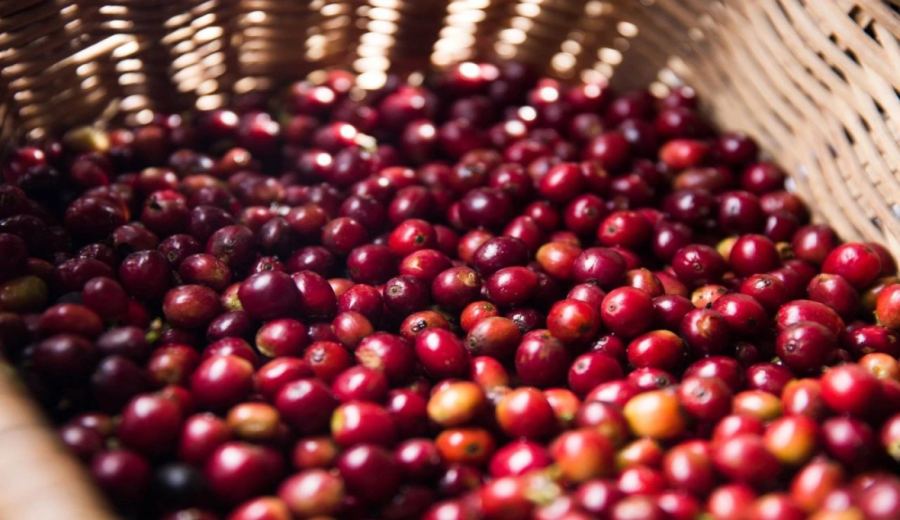
Introduction:The Asia-Pacific coffee-growing region is renowned for its rich and full-bodied flavor profile, standing in contrast to the bright fruit acids of Africa and the nutty, chocolatey notes of the Americas. It serves as an essential base for many espresso blends. This article delves into representative regions such as Indonesia’s Mandheling, China’s Yunnan small-bean variety, and Papua New Guinea’s Bird of Paradise, offering insights into varieties, processing methods, and optimal brewing techniques. Practical pour over and brewing parameters are provided alongside detailed flavor descriptions to help coffee enthusiasts fully grasp the characteristics of Asian beans.
Within the global coffee map, the Asia-Pacific region stands out with its unique richness and sweetness. Compared to the bright acidity of African beans and the intense chocolate and nut profiles of the Americas, Asian coffees often exhibit deeper flavors and complex layers, making them especially suitable for espresso blends while also delivering impressive pour over performances.
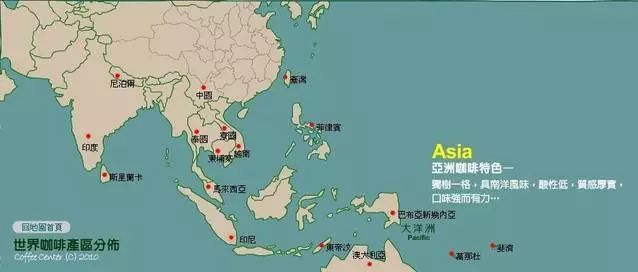
This article will guide readers through major Asian coffee-producing countries including Indonesia, China’s Yunnan, Vietnam, India, and Papua New Guinea, focusing on representative varieties, common processing techniques, and suitable brewing methods. Among them, Indonesia’s Sumatran Mandheling, Yunnan Baoshan’s small-bean variety, and Papua New Guinea’s “Bird of Paradise” coffee are key examples for understanding the flavor profile of Asian coffee.
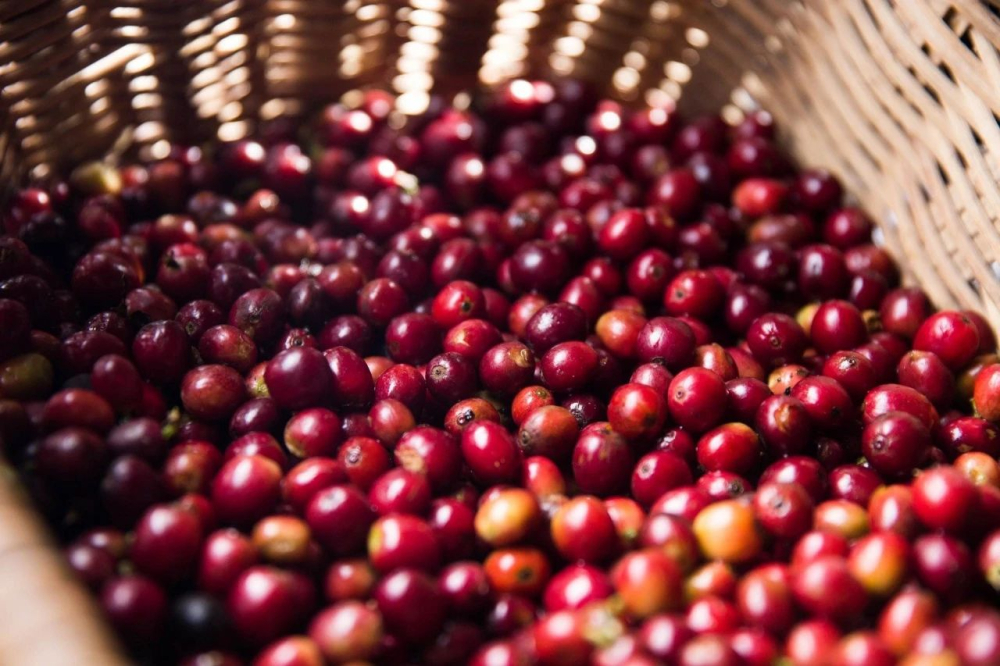
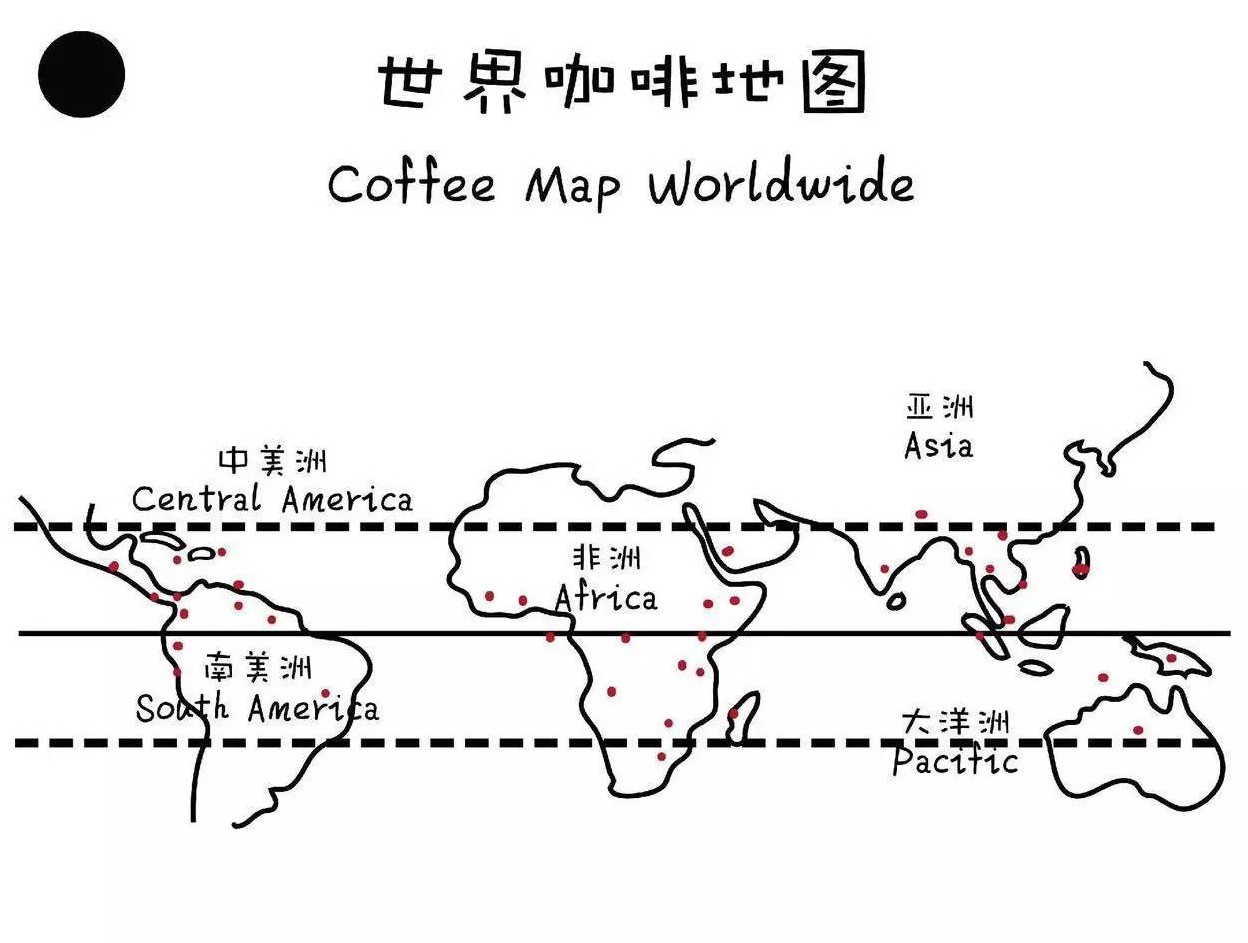
From a global coffee belt perspective, although Asia has fewer producing countries than Africa or the Americas, its overall production volume and distinctive flavor identity are remarkable. Asian coffees are generally characterized by their richness, abundant sweetness, and smooth mouthfeel, often serving as stable bases in blends while also surprising as excellent single-origin offerings.
Common and notable Asian coffee-producing countries include Indonesia, China (mainly Yunnan and Taiwan), Vietnam, India, and Papua New Guinea. The following sections will introduce the regional characteristics and flavor profiles of beans from each.
Indonesia: The Charm of Wet-Hulling and the Diversity of Mandheling
As a significant coffee-growing region in Southeast Asia, Indonesia’s coffee cultivation history dates back to 1696 when the Dutch introduced it to Java. However, the leaf rust disaster of 1877 nearly destroyed local Arabica plantations, forcing Indonesia to turn to the more disease-resistant Robusta—now one of the world’s largest producers. Nevertheless, Arabica from northern Sumatra, particularly the famous Mandheling, continues to win global acclaim.
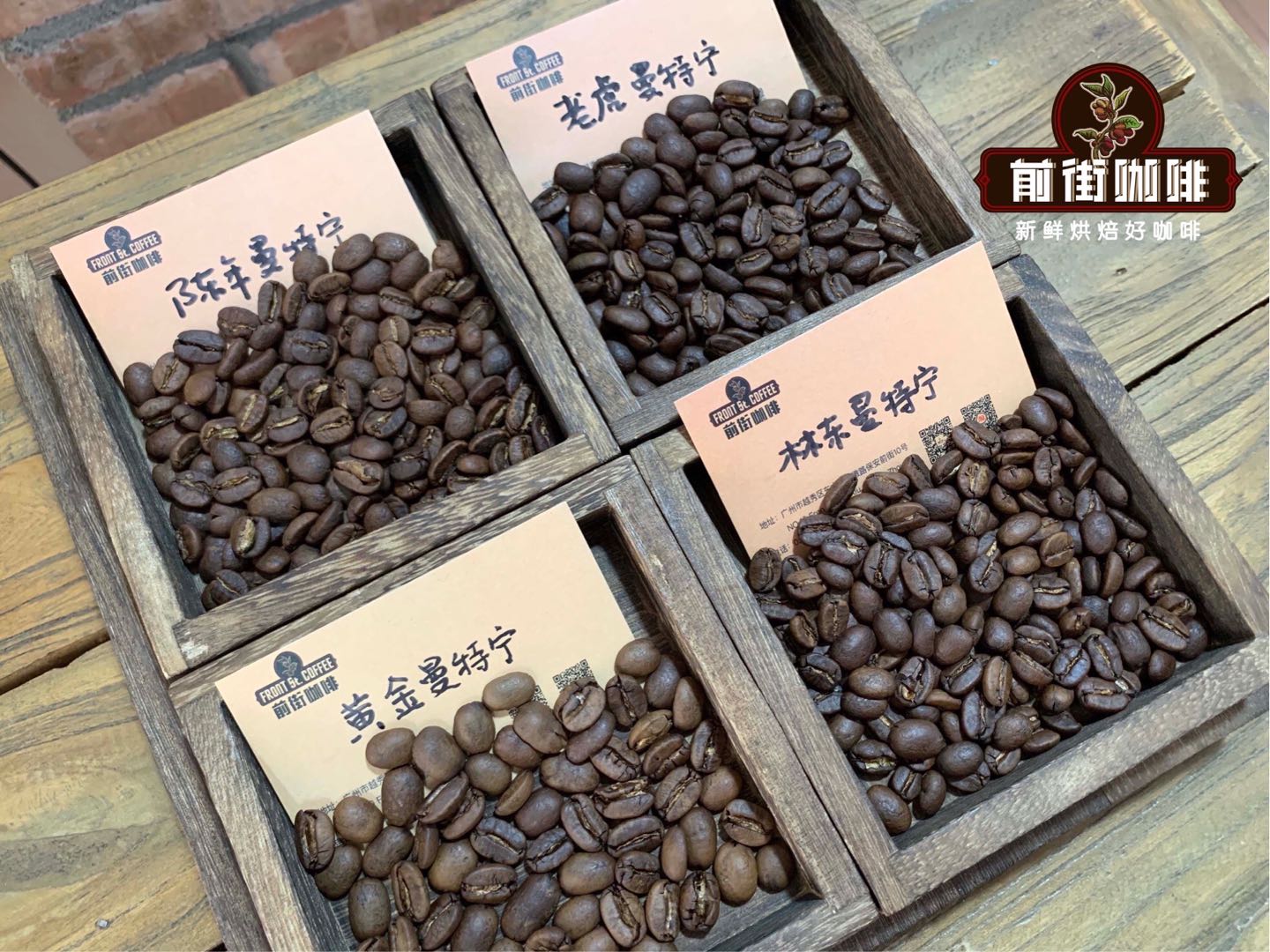
Common processing methods in Indonesia include natural (sun-dried), washed, and wet-hulled, with the latter being particularly unique. Due to the region’s humid and rainy climate, farmers often use this method to accelerate drying. Wet-hulling involves removing the pulp and mucilage, followed by a short fermentation, then scraping off part of the parchment layer to allow the beans to dry quickly at higher humidity, typically maintaining a moisture content of 12–13%. This method gives Mandheling its signature boldness and low acidity, and the common “elephant ear” bean marks are normal—not defects.
Additionally, some Mandheling beans undergo 2–3 years of storage aging, known as “aged wet-hulled,” which softens acidity and develops richer sweetness, though the flavor is more intense—suited for advanced enthusiasts.
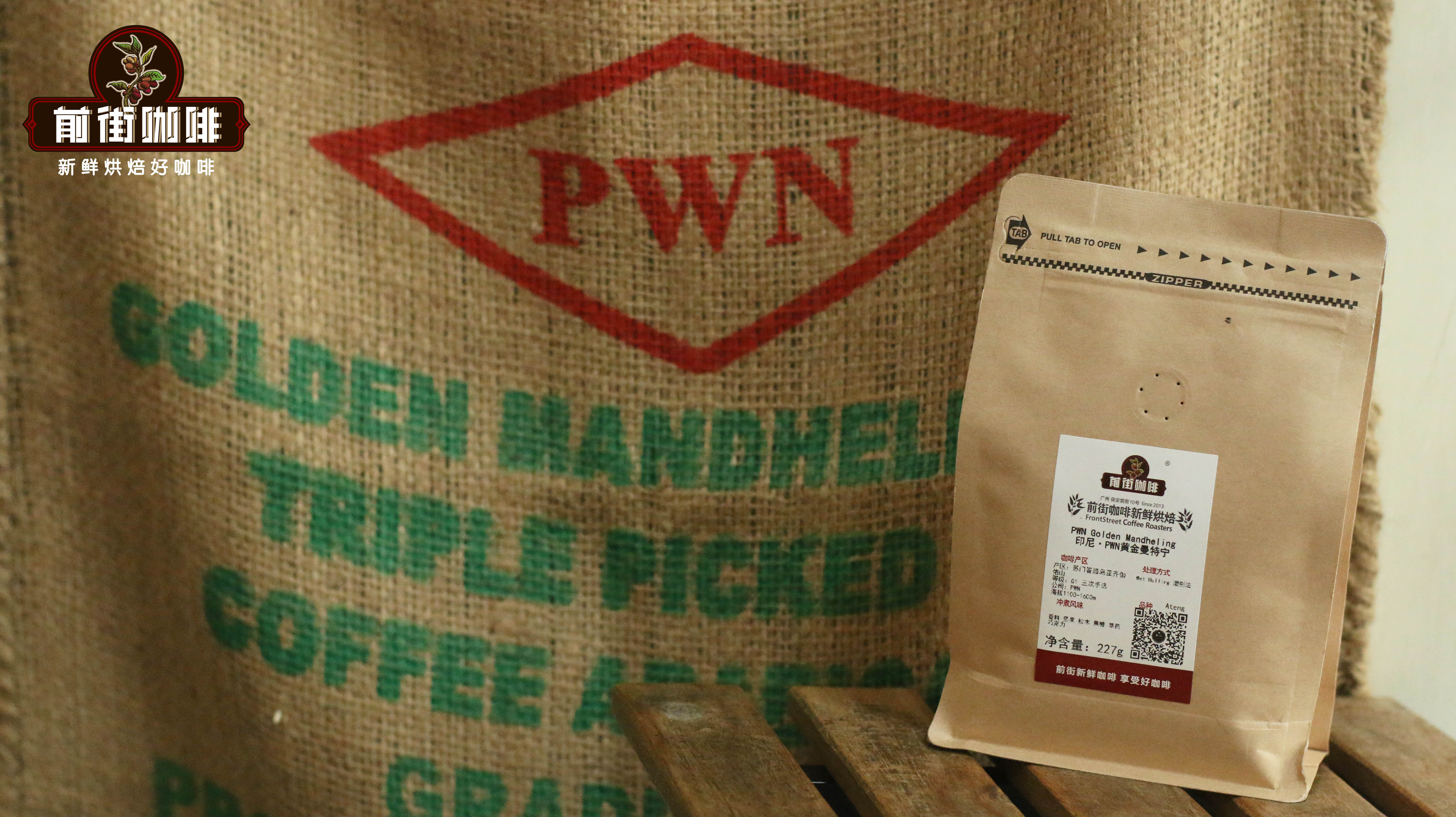
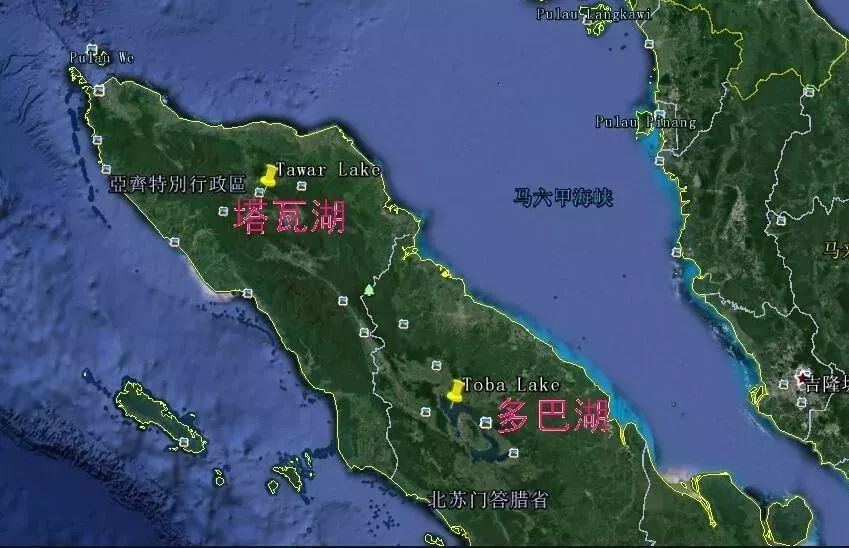
The Lake Toba area in northern Sumatra is a major Mandheling-producing region, with common types including Lintong Mandheling, PWN Golden Mandheling, and Aged Mandheling. PWN Golden Mandheling is a high-grade, carefully selected bean with uniform size and multiple hand-pickings, offering a clean and bright taste with distinct richness. Lintong Mandheling showcases typical herbal and earthy notes, while Aged Mandheling gains more intense and complex tones through the aging process.
Front Street Coffee PWN Golden Mandheling Reference Parameters:
Region: Gayo Mountains, North Sumatra, Indonesia | Elevation: 1100–1600m | Variety: Ateng | Grade: G1, 3-time hand-picked | Processing: Wet-Hulled
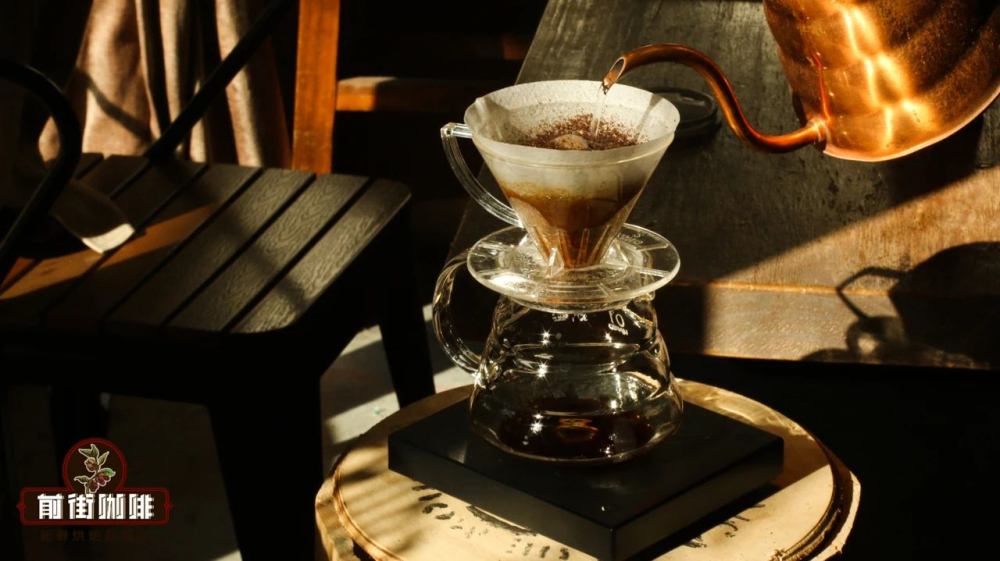
Recommended Brewing Settings (Kono Filter):Water temperature: 88°C, 15g coffee, 1:15 coffee-to-water ratio, medium-fine grind (70–75% through a #20 sieve)
Brewing Technique:30g water bloom for 30 seconds, then pour in stages to 125g and 225g, total brew time around 2 minutes
Flavor Profile:Nuts, spices, herbs, licorice, chocolate, and caramel, with a linear and balanced overall flavor.
Lintong Mandheling and Aged Mandheling from Indonesia also have their own unique characteristics—choose the processing version that suits your taste preference.
Yunnan, China: The Rise of Small-Bean Varieties and Local Flavor
China’s coffee cultivation is mainly concentrated in Yunnan, Hainan, and Taiwan, with Yunnan’s Arabica small-bean variety being the most representative. Located south of the Tropic of Cancer, Yunnan enjoys a subtropical highland climate with fertile, well-drained red soil—ideal for growing small-bean varieties (i.e., the Catimor variety). The Baoshan region is the core production area, with stable climate and no frost, regarded as the golden zone for China’s small-bean coffee.
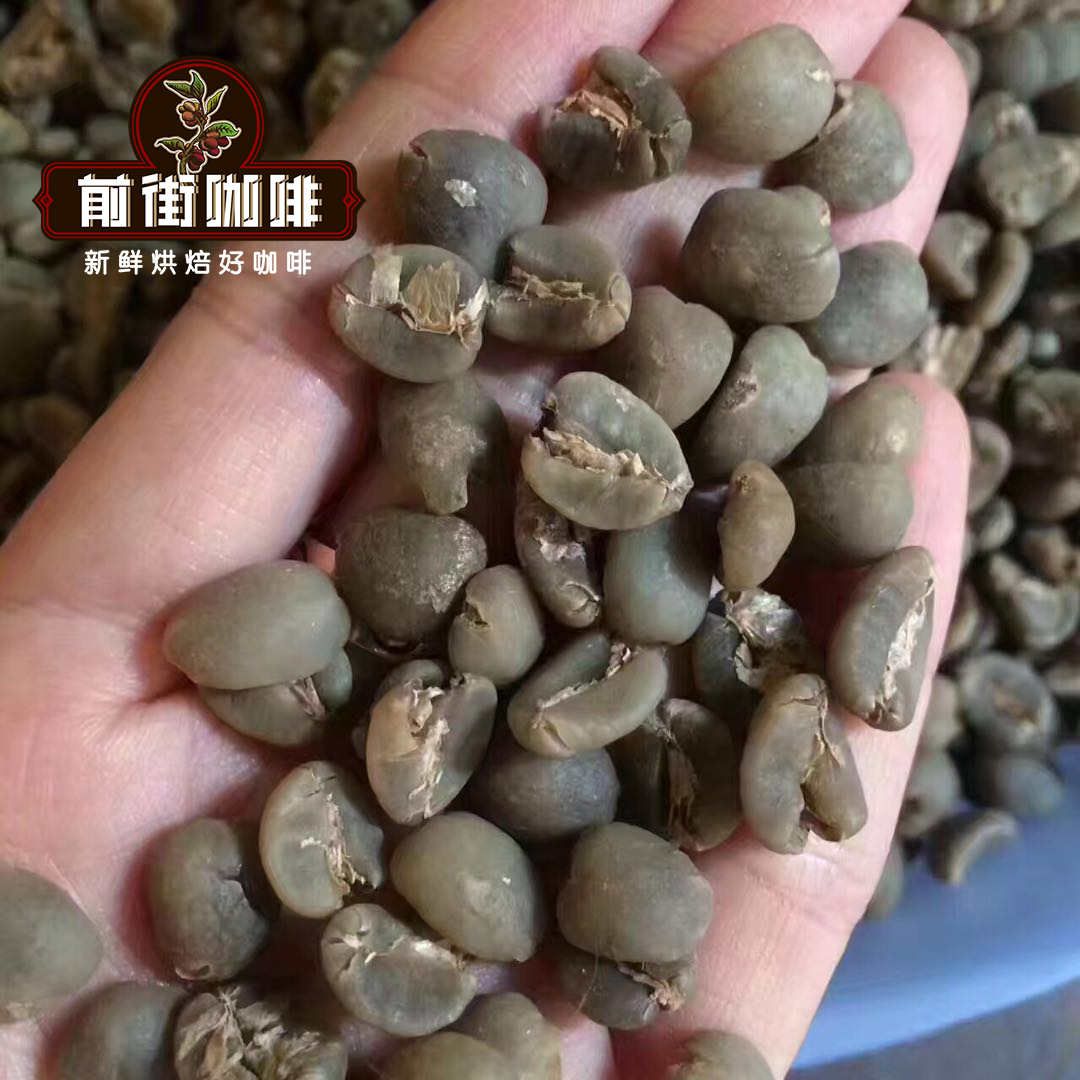
Yunnan’s small-bean coffee is often described as “strong but not bitter, fragrant but not cloying,” with mild fruity notes and pronounced sweetness. Currently, about 70% of China’s coffee-growing area and 83% of its production are concentrated in Yunnan, making it the country’s most important coffee region.
Yunnan coffee processing methods are becoming increasingly diverse, including natural, washed, and experimental techniques like anaerobic fermentation, reflecting a dynamic pursuit of quality. Common varieties include Typica and Catimor—the former an ancient Ethiopian landrace with clean flavor but lower yield and disease susceptibility, while the latter is favored for its disease resistance and high-yield adaptability, now the mainstream.
Yunnan Baoshan Small-Bean Coffee Reference Info:
Region: Baoshan, Yunnan | Elevation: 1200m | Processing: Washed | Variety: Catimor
Brewing Recommendation (Kono Filter):15g coffee, 1:15 ratio, medium-fine grind, water temperature around 88–90°C
Pour Over Technique:30g water bloom for 30 seconds, then pour in stages to 125g and 225g, total time around 2 minutes
Flavor:Nutty aroma, herbal notes, chocolate and caramel aftertaste, with slight fruity acidity.
Vietnam: The Coffee Image of a Robusta Giant
Vietnam is the world’s largest Robusta producer, with coffee cultivation deeply influenced by French colonialism. Though production is massive, it is primarily used for commercial blends. Its quality still lags behind specialty beans from Central or South America, but it remains appealing to consumers who enjoy strong, low-acid flavors.
India: The Unique Tradition of Monsooned Processing
Indian coffee processing is famed for its distinctive monsooned (or monsoon) method, also called air-seasoned processing. This technique mimics the color and flavor changes that occurred historically when coffee beans were exposed to prolonged high humidity during sea voyages. Today, it is deliberately simulated by controlling humidity and turning the beans to impart special characteristics. Such coffees often carry caramel, raisin, and herbal aromas, with flavors reminiscent of genmaicha and a berry-like aftertaste.
Indian Monsooned Malabar Coffee Reference:
Region: Malabar Coast, India | Elevation: 1100–1200m | Varieties: Kents, S795, Catimor, Selection 9 | Processing: Monsooned Natural
Brewing Recommendation:15g coffee, 1:15 ratio, medium-fine grind, Kono Filter
Technique & Flavor:Brew via pulsed pouring; flavors present rich caramel and herbal notes, with a berry-like aftertaste.
Papua New Guinea: Bird of Paradise and Little Blue Mountain Heritage
Coffee in Papua New Guinea (PNG) is mostly grown by smallholders, accounting for about a third of the nation’s agricultural income. The region primarily uses washed processing, resulting in clean and layered flavors. Some high-altitude estates also employ natural processing, yielding even richer profiles. PNG coffee is often dubbed “Little Blue Mountain” because some varieties originate from Jamaican Blue Mountain Typica.
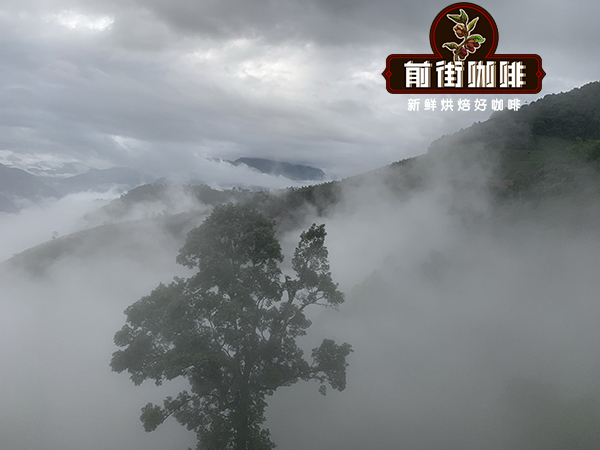
Bird of Paradise coffee comes from the Sigri Estate, a PNG AA-grade specialty bean. Washed processing gives it bright acidity and spicy notes, with a vibrant and layered flavor.
PNG Bird of Paradise Coffee Info:
Region: Sigri Estate, Papua New Guinea | Elevation: 1600–1800m | Variety: Typica | Grade: AA | Processing: Washed
Brewing Parameters:15g coffee, 1:15 ratio, medium-fine grind, Kono Filter
Pour Over Recommendation:30g water bloom for 30 seconds, then pour in stages to 125g and 225g, total time around 2 minutes
Flavor Description:Sweet, bright acidity, spicy character, with a rich and balanced mouthfeel.
The above content is compiled by CoffeeHunters, a coffee news website.


