







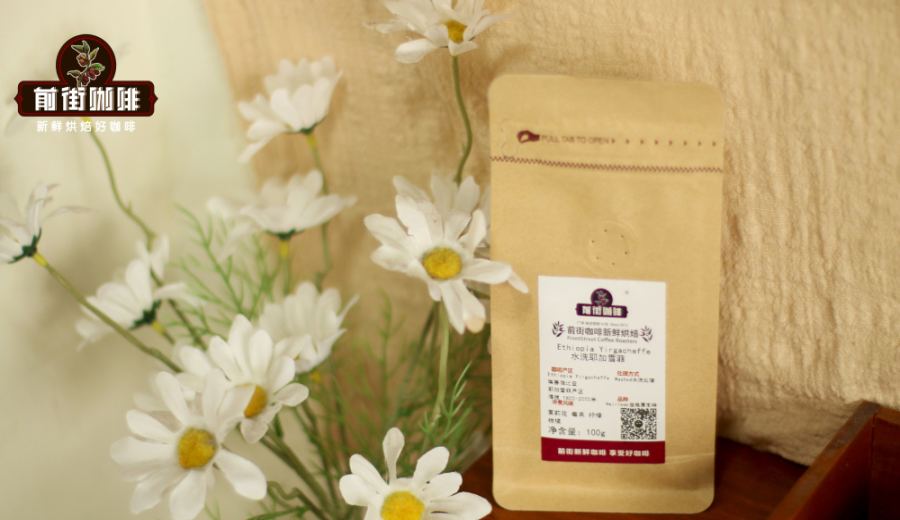
Introduction:Yirgacheffe is often the first choice for many people entering the world of specialty coffee. Its washed and natural processing methods create distinctly different flavor profiles. The washed version excels with bright acidity and high clarity, while the natural showcases rich sweetness and layered fruit aromas. This article delves into the regional backgrounds, processing differences, green bean identification tips for both, and offers practical roasting and pour over brewing advice to help you find the one that suits your palate best.
As Ethiopia’s most iconic coffee region, Yirgacheffe’s washed and natural processing methods are frequently compared. These beans, hailed as the "holy land of coffee," have gained global popularity among coffee enthusiasts for their unique citrus notes and floral-fruity aromas. What exactly are the differences between the washed and natural versions? Which one suits your taste better? Let’s start with the characteristics of the region and break it down step by step.
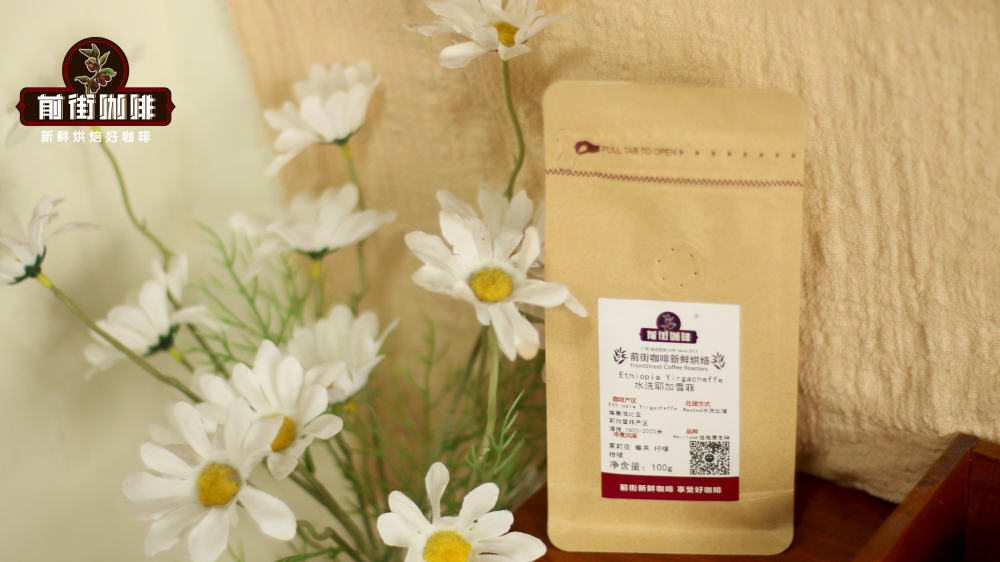
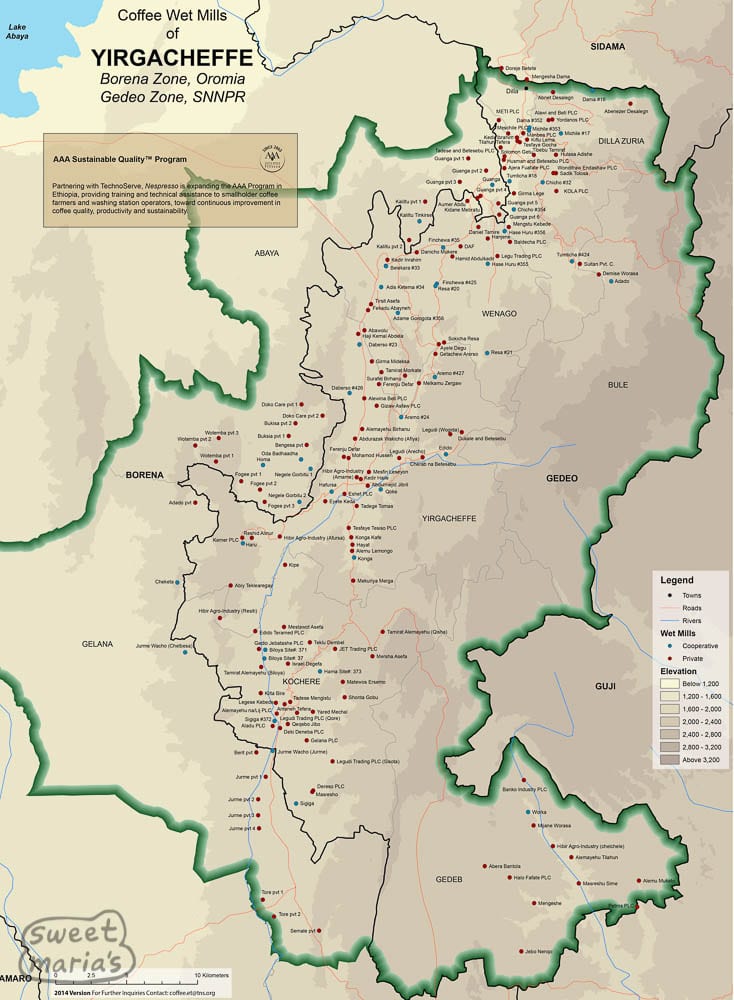
Located in the highlands of the East African Rift Valley, Yirgacheffe sits at an altitude of 1,800 to 2,000 meters. Abundant rainfall and acidic red soil nurture coffee with vivid flavors. Early on, the region primarily used the natural processing method. It wasn’t until the 1970s, when Ethiopia introduced washed techniques from Central and South America, that the now-famous bright acidity began to develop. In recent years, as the specialty coffee community has re-examined traditional craftsmanship, the natural version of Yirgacheffe has once again surged in popularity.
Looking back at the revival of the natural process, we must mention the “Edido Natural Specialty Coffee Beans” launched in 2006 by a local trader. This groundbreaking processed lot, with its rich fruitiness and balanced sweetness, quickly made a name for itself in international competitions. Soon after, smaller regions like Biloya and Aricha also began producing high-quality natural beans, proving that Yirgacheffe is not only suited for washed processing but that the natural method can also yield stunning flavors.
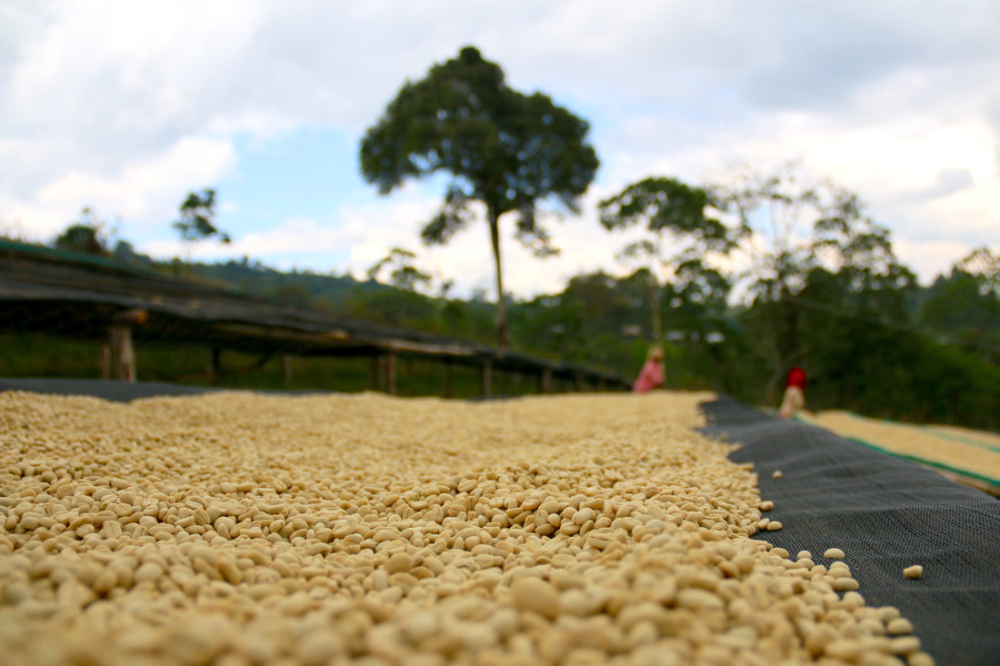
The key to washed processing lies in using fermentation and washing steps to completely remove the pulp and mucilage. This technique highlights the coffee’s bright citrus acidity and tea-like finish. The green beans typically have a uniform bluish-green appearance, with silver skin that is relatively intact and cleanly removed.The standard process includes removing floaters, initial pulping with a depulper, 24-hour fermentation to remove mucilage, water washing, and drying on raised beds.The final moisture content needs to be controlled around 12%. It’s worth noting that over-fermentation can lead to the risk of “stinker” beans, so strict monitoring of water quality and temperature is required.
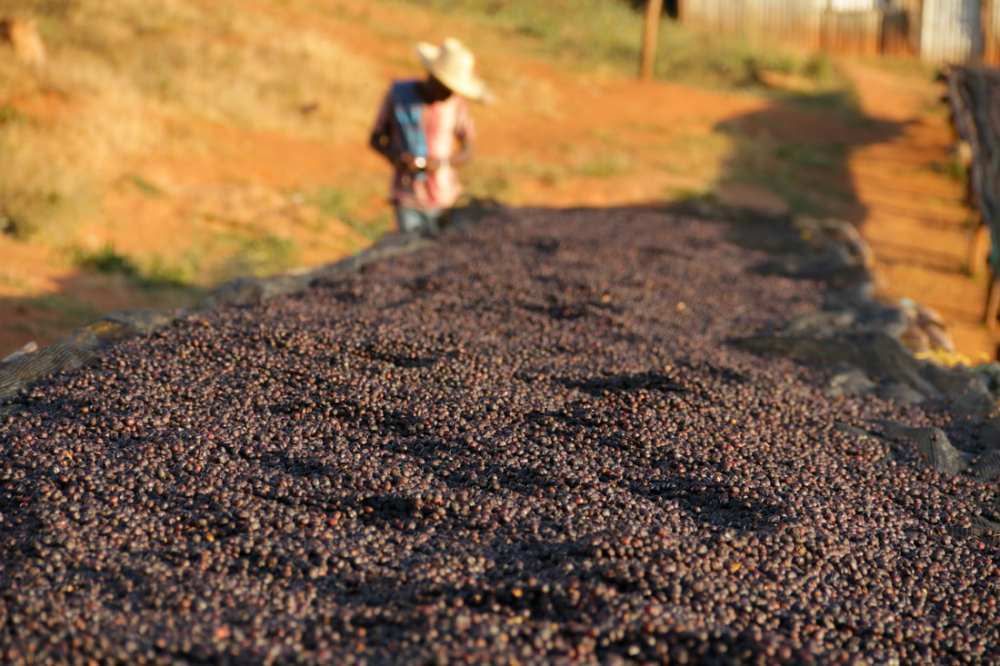
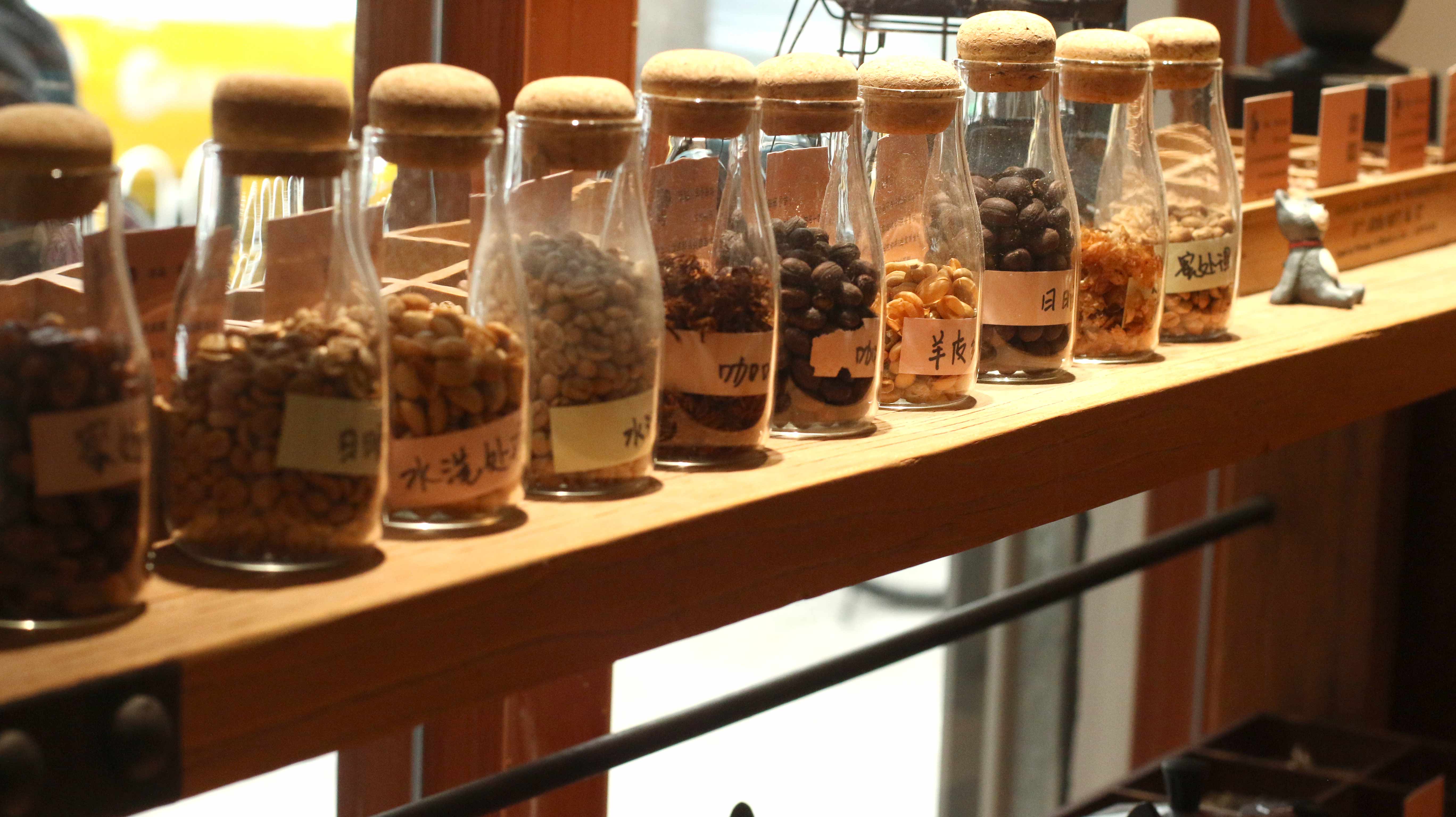
In contrast, natural processing retains the entire coffee fruit during drying, allowing sugars and mucilage to naturally penetrate the bean core.The typical practice is to place the selected berries on elevated drying beds and expose them to sunlight for 14–21 days,during which they are turned daily to ensure even heat exposure. This method imparts a richer berry sweetness and wine-like aftertaste to the coffee, but demands higher drying expertise to avoid mold. The green beans are often yellowish-green with noticeably attached silver skin, and the way the silver skin separates after roasting also differs significantly from the washed version.
Observing the appearance of green beans can quickly distinguish between the two processing methods: washed beans have less silver skin and a bluish-green hue, with a smooth surface; natural beans often display yellowish-green tones and abundant silver skin. The differences after roasting are even more pronounced—the silver skin of natural beans, due to its continuous attachment, mostly separates cleanly after drying; washed beans, because the centerline silver skin is tightly bound, often show residual silver skin sticking. These details provide practical guidance for roasters adjusting heat and airflow parameters.
Practical test data from one brand shows that for Red Cherry Naturals, a medium-to-high temperature with a steep ramp curve is recommended:initial charge temperature of 200°C, reduce heat to 130°C at 148°C, first crack begins at 9’07”, and final discharge temperature is 194°C. These parameters help highlight the fruit aroma layers while preserving moderate sweetness. For washed beans like Gu Ding Ding, a gentler roast is suitable:charge at 175°C, maintain 193.5°C during first crack development phase, and adjust the air vent to avoid over-development that could lead to acidity loss.
During cupping, the differences in processing methods are evident: the natural version emits intense strawberry and dried mango aromas, with honey-like sweetness in the wet aroma, and a full-bodied mouthfeel akin to fruit tea; the washed version focuses on passion fruit and citrus acidity, paired with a tea-like finish and honey sweetness, delivering an overall clean and bright profile. The recommended grind size is a fine sugar consistency with 80% passing through a #20 sieve, matching the flow rate characteristics of the V60 #01 filter.
For practical pour over brewing parameters, washed beans are best brewed with90–91°C water temperature, a 1:15 coffee-to-water ratio, and BG6M grind size, using a three-stage pouring method: first, bloom 30 grams for 30 seconds, then pour in 95 grams in stages, and finally slowly add 100 grams to reach a total of 225 grams. This approach balances citrus acidity with caramelized sweetness in the finish. For natural beans, the water temperature can be slightly increased to 92°C, and the post-first-crack development time extended to enhance berry sweetness and the rich body reminiscent of black tea.
The above content is compiled by CoffeeHunters, a coffee news website.


