







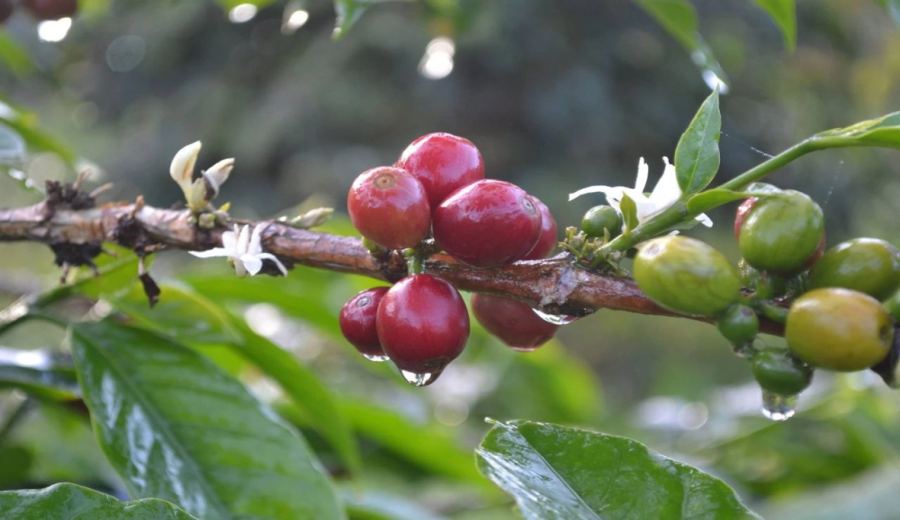
Introduction:Toraja coffee from Sulawesi Island is distinctly different from the rich, spicy flavors commonly associated with Indonesian coffees. It showcases bright acidity and delicate floral notes, making it a highly promising specialty coffee bean. This article will delve into the Toraja people, the high-altitude growing environment, the characteristics of the semi-washed processing method, as well as three renowned regional farms. We’ll also provide practical pour over parameters and roasting recommendations to help you gain a more comprehensive understanding of this uniquely flavored coffee.
Indonesian coffee has long been known for its bold, low-acid, and herbal-spiced profiles, especially Sumatra’s Mandheling, which is a classic favorite among many coffee enthusiasts. However, in the Toraja region of Sulawesi Island, a specialty coffee with a completely different flavor profile is cultivated — it boasts brighter acidity, soft caramel sweetness, and even a hint of subtle floral notes. Its layered complexity and distinct identity make it stand out.
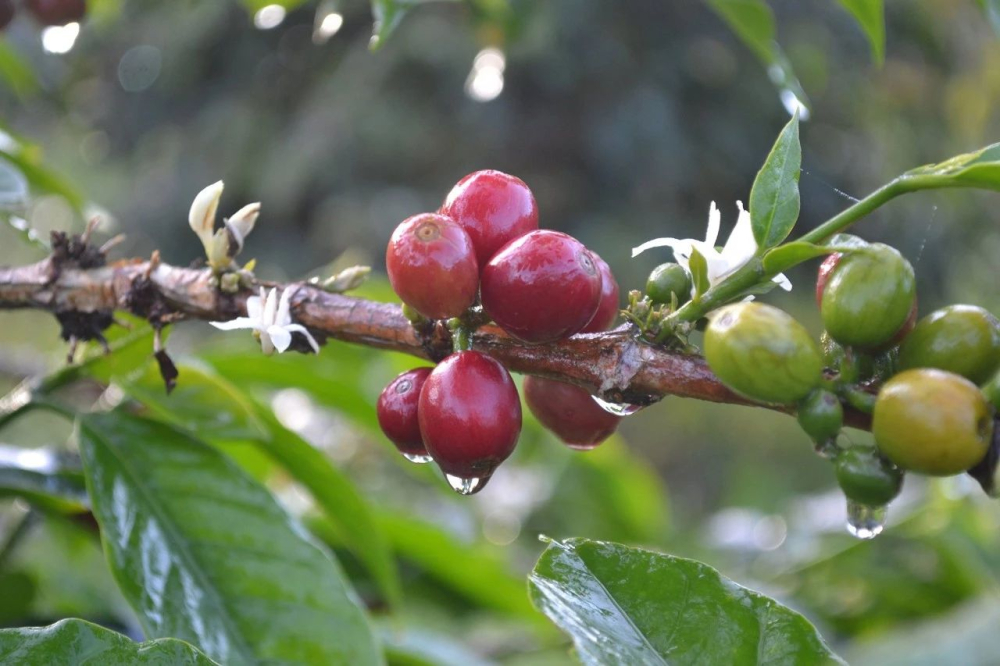
Sulawesi Island, formerly known as Celebes, is an ancient landmass in the Indonesian archipelago with a long history, where the surface rock layers date back over a million years. The island’s unique yellowish-red lateritic soil is often underlain by multi-layered clay rich in iron, providing distinctive mineral nutrients for coffee tree growth. Among its most representative specialty coffee regions is the central highlands of South Sulawesi, located at an altitude of about 1,200 meters — Toraja.
It’s worth mentioning that “Toraja” refers not merely to a place name or coffee variety, but to an ethnic minority residing in the mountainous central region of Sulawesi. They possess a unique culture and still maintain traditional customs such as boat-shaped houses and hanging coffins. It is said that this ethnic group may be descendants of a historical migration wave, once ruling certain areas, but later relocated to the highlands due to warfare. The Toraja people traditionally live in villages situated on rugged highlands to defend against outside invasions. This challenging natural environment has also fostered a distinctive agricultural culture and coffee cultivation techniques.
The production of Toraja coffee is extremely limited, with an annual output of only around 1,000 metric tons, mainly grown on steep slopes at altitudes of approximately 1,200 meters. Due to terrain limitations and harvesting difficulties,the average annual yield per hectare is only about 300 kilograms, which is considered very low compared to typical coffee-growing regions. The area primarily employs the semi-washed processing method, which is quite common in Sulawesi and helps preserve more fruity and acidic characteristics.
In the processing procedure, local farmers usually remove the outer skin of the coffee cherry using a manual pulper after harvest. The mucilage-covered seeds are then soaked in water basins and placed in plastic bags for fermentation. After fermentation, the beans are dried together with their parchment layer until the moisture content drops to11% to 13%, after which they are sent to the downstream collection hub of Kalosi for further refining. Because many Toraja coffees are consolidated here, the coffee is sometimes also referred to as “Kalosi coffee.”
There are three major large-scale coffee farms in the Toraja region, including Pt Kapal Api with 2,000 hectares of planted area, CSR with 1,100 hectares, and the Toarco Jaya farm operated by Japan’s Key Coffee, covering 700 hectares. Although Robusta coffee is also produced here, the Arabica specialty beans originating from Toraja land are often regarded as a more precious choice than Golden Mandheling, thanks to their elegant flavor profiles.
The flavor profile of this coffee is distinctly different from Sumatran beans: its bright acidity carries a mildly sweet tone reminiscent of ripe grapes, with a refreshing yet full-bodied mouthfeel. The sweetness gradually unfolds in the mid-to-late stages, dominated by rich caramel notes, while herbal and spicy flavors are significantly subdued, giving way to a faint hint of floral aroma that adds dimension and leaves a lingering impression.
For this delicately flavored coffee, it is recommended to usemedium roast, which preserves the vibrancy of the acidity while allowing the caramel and sweet notes to fully develop. If you prefer pour over brewing, the following parameters are worth trying:
Filter: V60 #01
Water temperature: 90–91°C
Coffee dose: 15 grams
Coffee-to-water ratio: 1:15
Grind size: Medium-fine grind (approximately 80% passing through a No. 20 Chinese standard sieve)
Three-stage pour over recommendation:
1. Start with a 30-gram bloom, lasting about 30 seconds.
2. Then pour in a small circular motion up to 125 grams, pausing around the 1:00 minute mark for the first pour.
3. When the water level is about to uncover the coffee bed, continue pouring to 225 grams, around the 1:50 minute mark.
4. Finally, when the water level drops again and is about to uncover the coffee bed, remove the filter. Total brew time should be controlled between 2:00 and 2:10 minutes.
The above content is compiled by CoffeeHunters, a coffee news website.


