







Introduction:As an inland country in Africa, Rwanda has transformed its coffee industry from producing low-quality beans during the colonial era into becoming a significant source of specialty coffee. What changes have taken place behind this transformation? This article delves into the development journey of Rwandan coffee, its major producing regions, the characteristics of the Bourbon variety, and the washed processing method. It also provides practical roasting and pour over parameter suggestions to help you fully understand this uniquely flavored African coffee.
Located in Central Africa, Rwanda is a mountainous inland country, often referred to as the "Land of a Thousand Hills." Its coffee industry is one of the key pillars of the national economy and has been gradually making a name for itself in the specialty coffee sector. But did you know that, due to the quantity-focused policies of the colonial era, Rwandan coffee was long overlooked in the international market for its quality? After years of effort, Rwandan coffee today is renowned for its washed Bourbon variety, winning the favor of many coffee enthusiasts with its balanced acidity and sweetness, as well as its rich layers of fruity flavors.
Looking back at the development of Rwandan coffee, its cultivation dates back to the colonial period, but production at that time focused solely on quantity, with generally poor quality and little presence in the international market. Notably, Brazil, also affected by colonialism, went through a similar phase of prioritizing yield over quality, leading to its long-standing reputation as a producer of low-grade coffee. Rwanda’s situation was similar until the reconstruction of its coffee industry after the 1994 ethnic conflict. With the assistance of international organizations such as USAID, initiatives like PEARL and SPREAD have been working since 2000 to improve coffee quality and farmer incomes, laying the foundation for Rwanda’s current status in the specialty coffee scene.
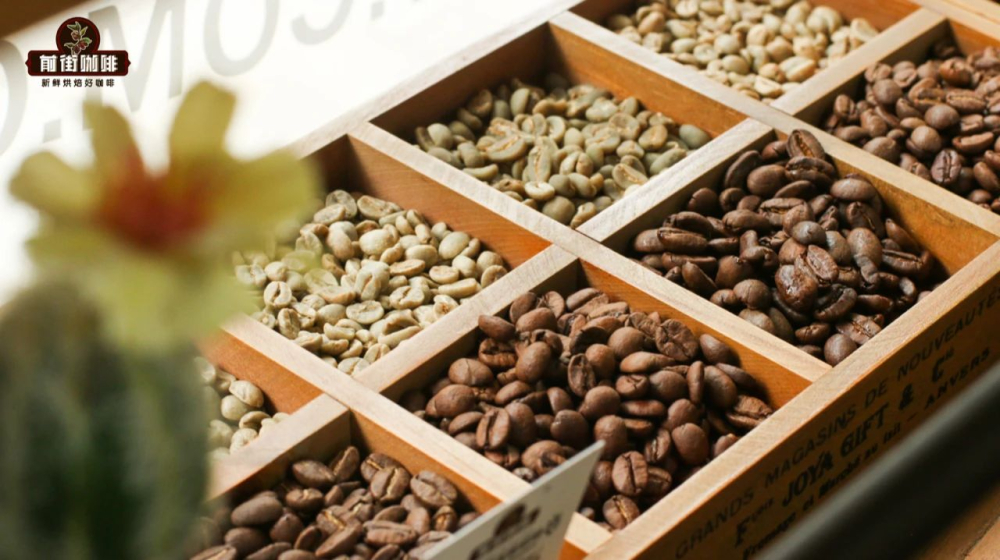
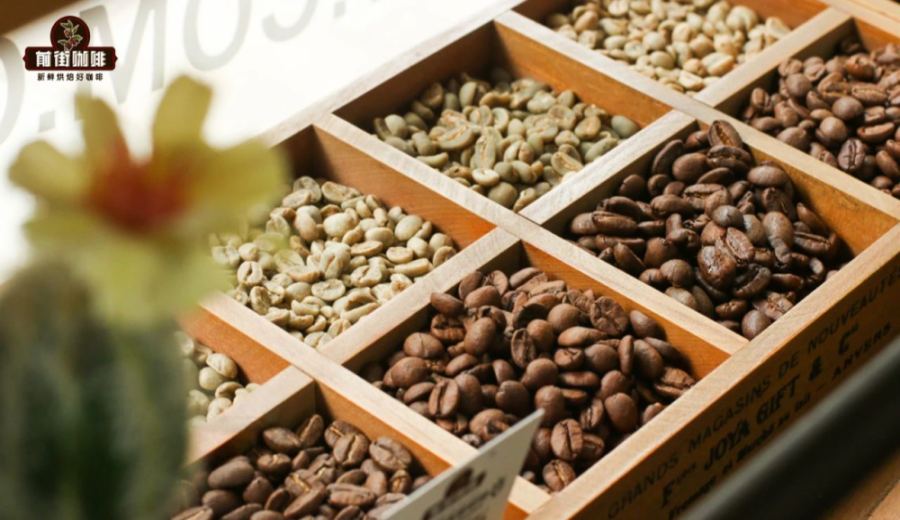
Currently, coffee in Rwanda is primarily grown at elevations between 1700 and 2000 meters in highlands and mountainous regions. These altitudes give the beans distinctly bright acidity and complex aromas. Over 90% of the coffee trees are of the Bourbon variety or its sub-varieties, which not only thrive in high-altitude environments but also possess strong disease resistance. Compared to other African coffee regions, Rwandan coffee offers relatively balanced flavor profiles. Alongside common berry and citrus acidity, it presents a rich finish of almond and chocolate notes, appealing to those who prefer milder acidity. Particularly, the washed Bourbons from the southern Huye Mountains and Nyamagabe region showcase delicate floral notes and clear fruit tones, making them an excellent choice for those new to African specialty coffee.
Although Rwanda’s coffee-growing regions are not vast, they are mainly concentrated in the southern and western parts. The southern areas, such as Nyamasheke and the Huye Mountains, benefit from higher altitudes, resulting in coffees often characterized by pronounced floral notes and the freshness of citrus fruits. In contrast, the western Nyamasheke region near Lake Kivu, due to differing soil and water conditions, produces coffees with juicier profiles and more intense aromas. While the differences between regions may not be as stark as in other coffee-producing countries, careful tasting can still reveal their subtle distinctions. If you’re just beginning to explore African coffee, it’s recommended to try various lots of Rwandan coffee to develop a keener sensitivity to flavor layers.
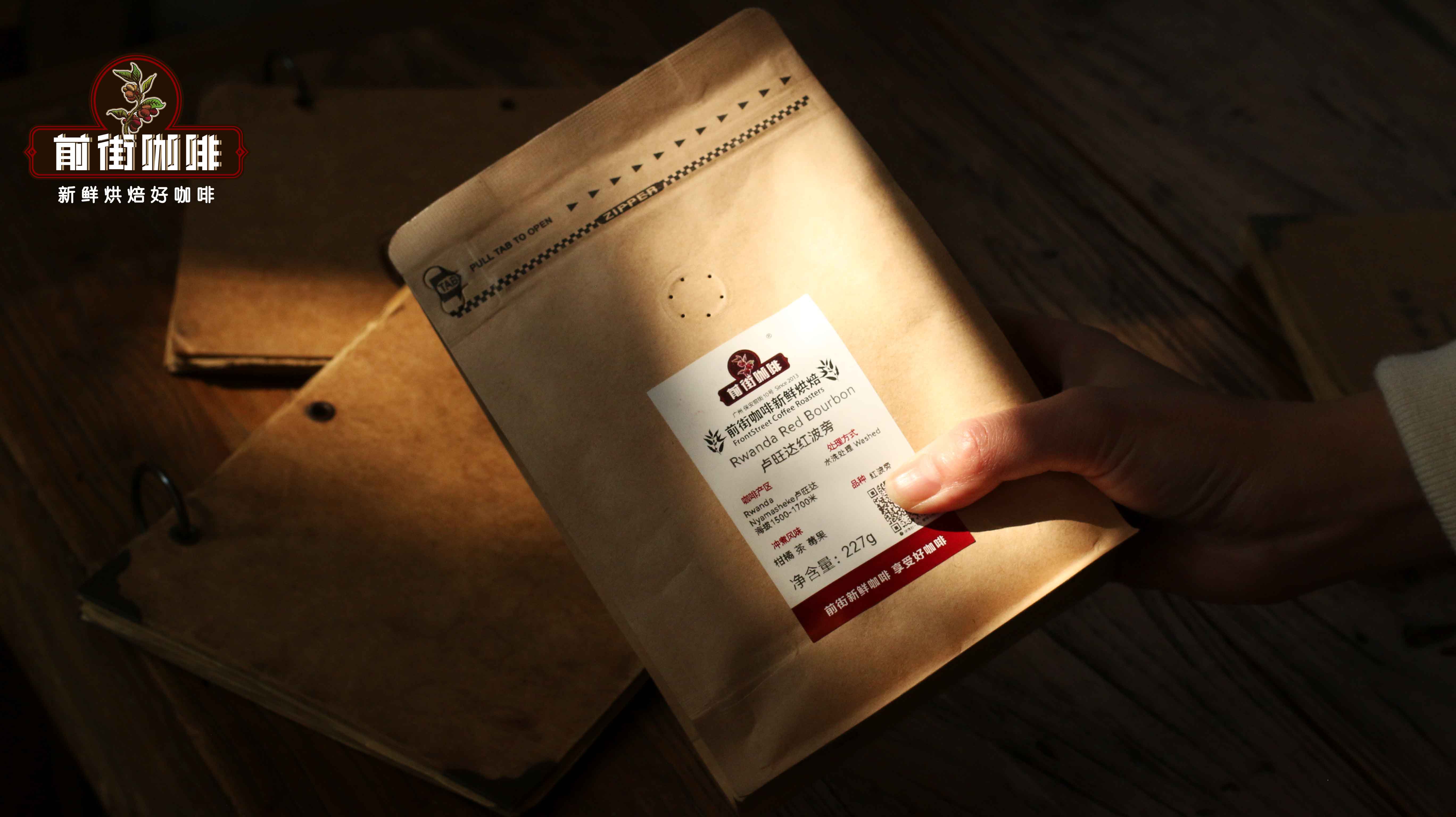
When it comes to processing methods, washed processing is undoubtedly the most representative technique in Rwanda. Since 2000, with international aid and government support, Rwanda has established 46 specialized washing stations, significantly improving processing quality and export competitiveness. The steps of washed processing include: selecting ripe red cherries, removing the pulp and skin, fermenting for 12 to 18 hours to remove the mucilage, thoroughly washing with clean water, and finally drying the beans on raised beds until their moisture content is below 14%. This method effectively highlights the inherent flavors of the coffee, minimizes interference from impurities, and allows the bright acidity and fruity characteristics of the Bourbon variety to shine.
For roasting recommendations, due to the bright and vibrant acidity of Rwandan coffee, a medium-light roast level is advised to preserve its delicate fruity and floral notes. Practical parameters include: setting the charge temperature to 175°C, then gradually increasing the temperature after the beans turn yellow (approximately 5 minutes and 55 seconds, at 152.1°C), continuing until the first crack begins (around 9 minutes and 20 seconds, at 183°C), followed by about 2 minutes of development until the exit temperature reaches 194.4°C. This roast curve helps highlight the balance between acidity and sweetness while avoiding over-roasting that could mask the coffee’s intrinsic flavors.
For those who prefer the pour over method, here are some practical parameters: use 15 grams of coffee grounds with a 1:15 coffee-to-water ratio, and maintain a water temperature of 90°C. The grind size is recommended to be fine (approximately 80% passing through a #20 sieve). The brewing process is suggested to follow a pulse pouring technique: start with a 30-second bloom using 30 grams of water, then pour in a circular motion with a small stream of water until reaching 125 grams for the first pour. After the water level drops, continue pouring up to 225 grams, and finally remove the filter when the water level is nearly gone. The total extraction time should be kept around 2 minutes to help fully release the coffee’s aroma and layered flavors.
In terms of flavor profile, Rwandan washed Bourbon typically exhibits pronounced floral and berry aromas, with the wet aroma revealing sweet notes of honey and nuts. Upon tasting, the acidity unfolds in distinct layers of citrus, berries, and plum, transitioning mid-palate to a mellow nuttiness, and finishing with a lingering caramel sweetness. The overall cup is well-balanced and layered, making it an ideal choice for everyday specialty coffee enjoyment.

The above content is compiled by CoffeeHunters, a coffee news website.


