







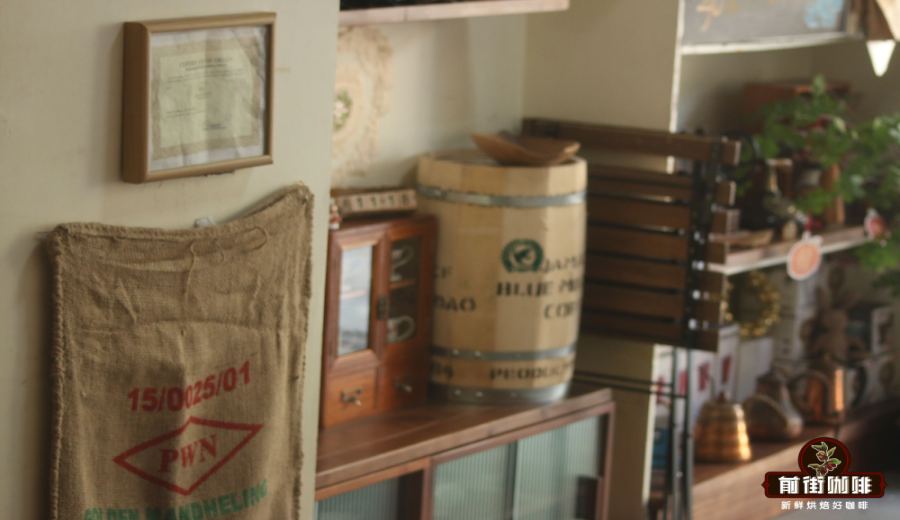
Introduction:Indonesian wet hulling is a unique local green coffee processing method that gives Mandheling coffees their classic low-acidity, full-bodied profile with herbal aromas. This article will delve into the differences between wet hulling and washed or natural processes, detailing the complete workflow from pulping, fermentation, two-stage drying to wet hulling and parchment removal. Using PWN Golden Mandheling as an example, it also provides practical roasting curves and KONO filter pour over parameters to help you master the brewing essence of this classic Southeast Asian bean.
Wet hulling (known locally in Indonesia as Giling Basah) is a coffee processing method developed to suit the region’s humid, rainy climate. This technique is also considered a semi-washed method, and its most distinctive feature is the removal of the parchment layer before the beans are fully dried. This results in a unique “hoof-shaped” appearance during subsequent drying and fosters a flavor profile that is low in acidity, richly dense, and carries earthy and spicy notes.
So, what exactly is the difference between wet hulling and the common washed process? The key lies in the sequence of drying and hulling. In the traditional washed method, after the mucilage is removed, the beans—still covered in parchment—are fully dried to around 11% moisture content before hulling. In contrast, wet hulling removes the parchment when the beans are at a moisture level of 20%–35%, i.e., in a semi-dry state, and then continues drying to the target moisture level. This difference not only affects the physical appearance of the beans but also directly shapes the direction of the final flavor.
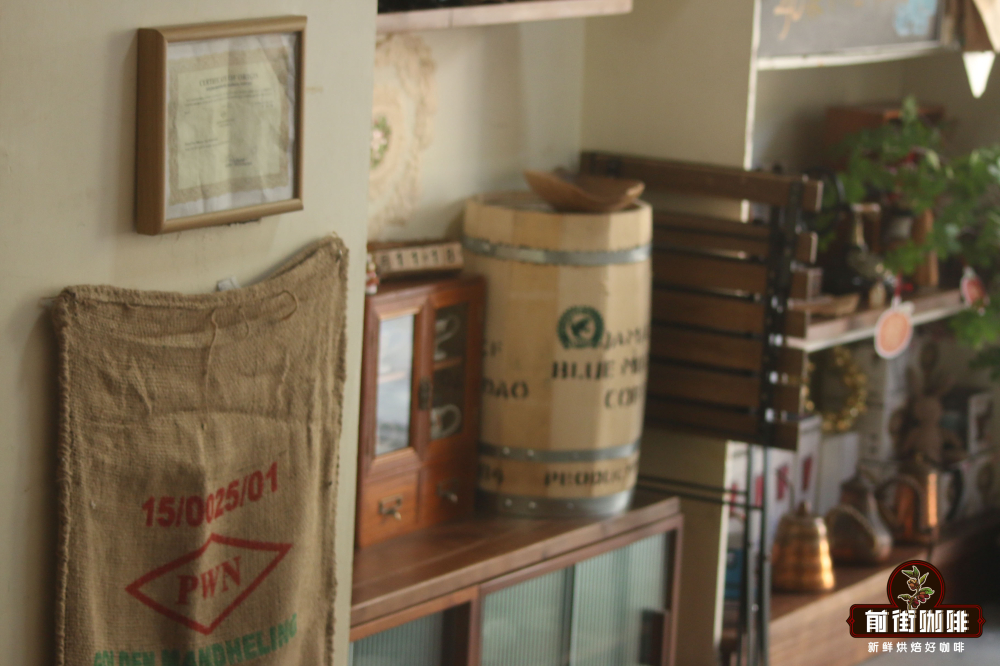
The widespread adoption of wet hulling in Indonesia is mainly due to its climate conditions. The region is perpetually humid with frequent rainfall, lacking sufficient continuous sunshine for traditional sun-drying and making it difficult to maintain the stable drying environment required by the washed process. As a result, wet hulling has become a practical solution that balances efficiency and quality, and it has also incidentally created the distinctive full-bodied character and rich herbal aroma of Mandheling series coffees.
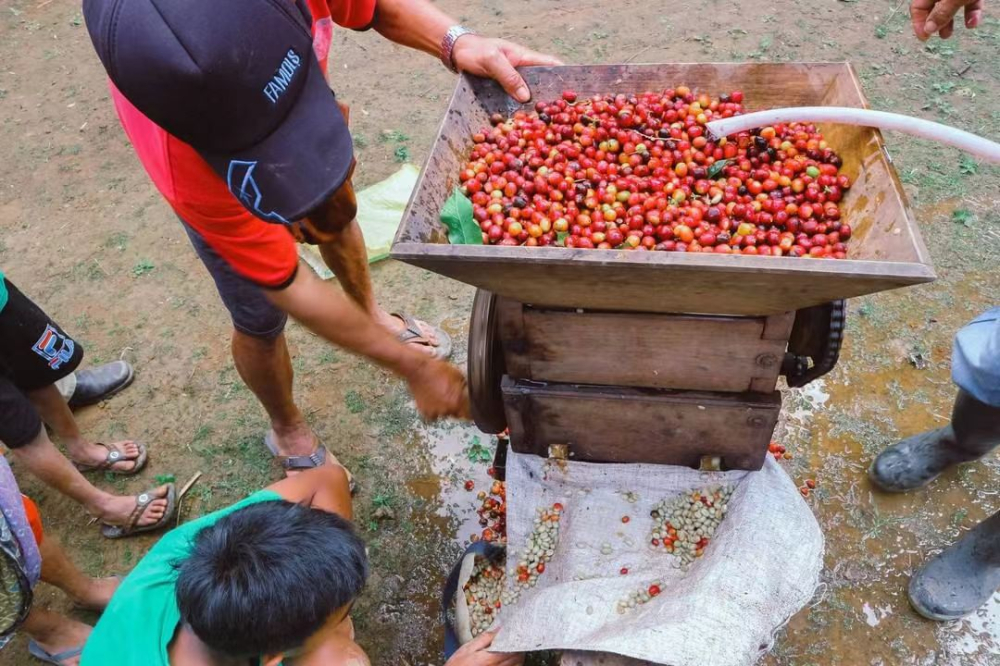
The wet hulling process can be broken down into the following steps: First is pulping and initial mucilage removal. After harvest, the coffee cherries are depulped and have some of their flesh removed by smallholder farmers themselves, similar to the preliminary steps of the washed process. This is followed by 1–2 hours of soaking and washing, using friction between the beans to remove excess mucilage. Then, the coffee beans are subjected to their first drying phase at the farmers’ homes, reducing the moisture content to 20%–35%.
Once the initial drying is completed, the beans are sent to market for trade. At this stage, the mucilage layer is still sticky and not fully hardened. After being collected by buyers, the beans enter the processing facility for a second drying phase, further reducing the moisture content to around 18%. Next comes the most crucial step: wet hulling and parchment removal. While the beans are still in a semi-dry state, a hulling machine is used to remove the remaining mucilage and parchment layer. This is distinctly different from other processing methods—most retain the parchment until the final drying stage.
Finally, the hulled naked beans undergo a final drying phase, aiming for a moisture content of 11%, before being bagged and stored for export. This entire process not only gives the coffee beans their characteristic “hoof-shaped” appearance but also establishes a unique flavor foundation for subsequent roasting and brewing.
Industry professionals who have handled multiple batches of Indonesian wet-hulled Mandheling green beans note that the common “hoof-shaped” appearance of these beans is due to the mechanical removal of the parchment layer while the beans are in a semi-dry state. The moisture makes the beans more fragile and prone to cracking under pressure, resulting in impressions that resemble hoof prints. While not a defect, this trait is a clear identifying mark of wet-hulled beans, especially common in the Mandheling producing regions.
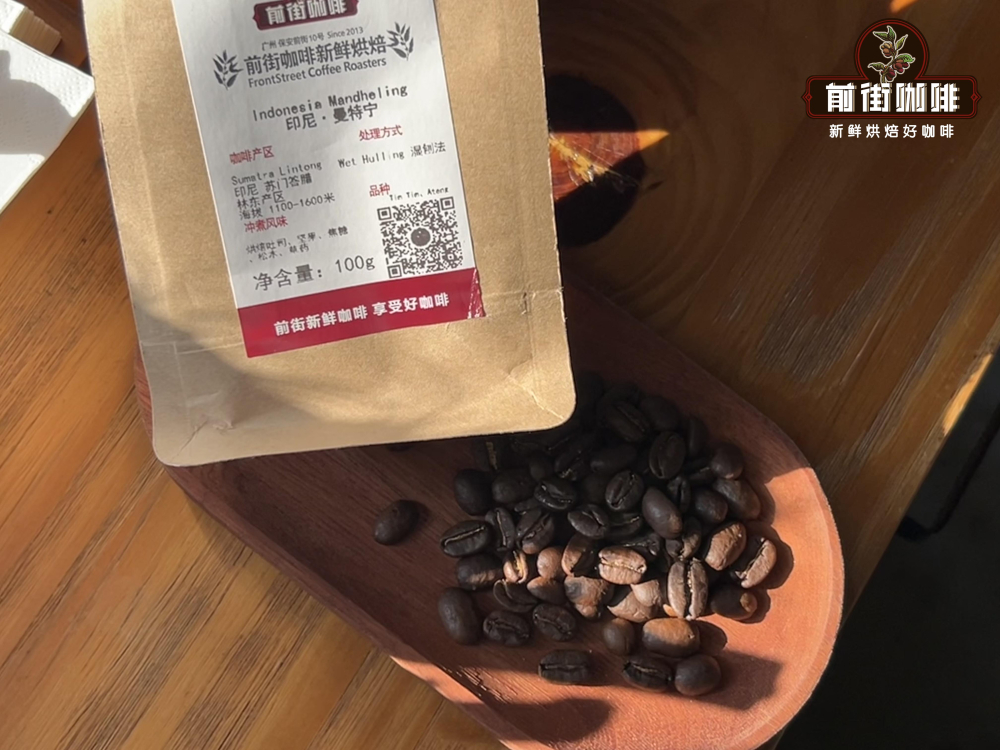
Take PWN Golden Mandheling from Gayo Mountain, Aceh, Sumatra, Indonesia, as an example. This bean uses the Ateng variety, is graded G1 and has undergone three rounds of hand sorting. After processing via wet hulling, it showcases the classic low-acid, full-bodied flavor profile with herbal and spicy notes. However, since the producing region has a high proportion of smallholders, there may be some batch-to-batch variation in quality, so choosing a reputable supplier is particularly important.
For wet-hulled Golden Mandheling, a medium-to-dark roast is recommended to fully bring out its rich body. During roasting, special attention should be paid to the drying phase: for high-moisture green beans, you may close the air vent for 30 seconds after dropping the beans to allow for soaking, then adjust the air vent to level 3. When the bean color turns light green or whitish, open the air vent to level 4, and fully open it to level 5 after first crack. It’s advisable to record information such as the moisture content, density, and origin of the green beans in advance, and adjust the curve according to the roasting environment’s temperature and humidity to achieve the best flavor expression.
Reference roasting curve as follows: Drop beans at 200°C, air vent at level 3; after 1 minute, reduce heat to 160, keep air vent unchanged; at 5 minutes 40 seconds when temperature reaches 148°C and bean color turns yellow (dehydration complete), reduce heat to 140, adjust air vent to level 4; around 9 minutes 40 seconds, signs of first crack appear, entering first crack at 9 minutes 54 seconds, reduce heat to 60, fully open air vent, and drop the beans at 204.5°C.
For brewing, medium-to-dark roasted wet-hulled Mandheling is well suited for the KONO filter. This filter’s exhaust channels are concentrated in the upper quarter of its height. When the water level exceeds the ribs, the weight of the water creates pressure, and the smaller outlet extends the contact time between water and coffee grounds, fully extracting the coffee’s rich body. Recommended parameters: water temperature 88°C, coffee dose 15g, coffee-to-water ratio 1:15, grind size with 65% passing through a 0.85mm sieve.
In practice, start by pouring hot water equal to twice the coffee dose (30g) for a 30-second bloom; then pour in a thin stream in a circular motion until reaching 125g, then pause. When the water level drops and is about to expose the coffee bed, continue pouring to 225g, then remove the filter. Total brew time is approximately 2 minutes. With these parameters, the coffee exhibits a base of spices and nuts, complemented by layers of herbs, licorice, chocolate, and caramel, offering a balanced flavor with a notable aftertaste.
The above content is compiled by CoffeeHunters, a coffee news website.


