







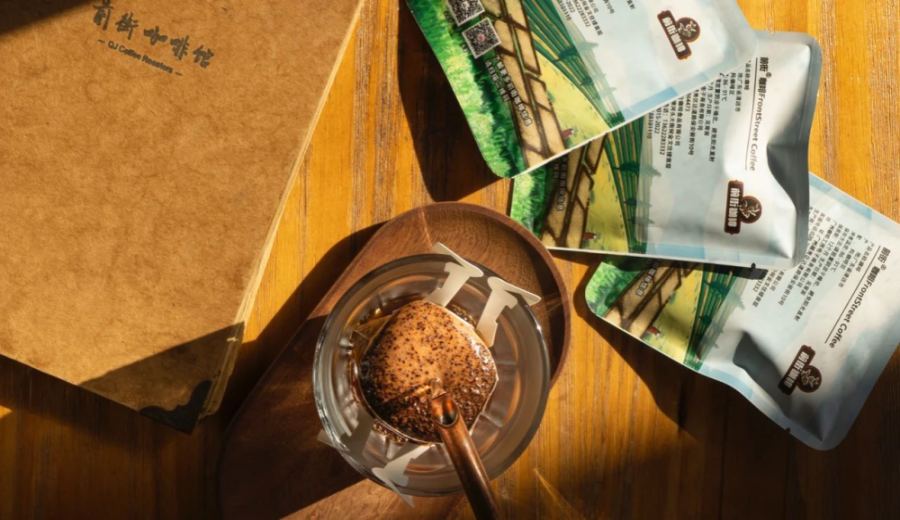
Introduction:Drip bags combine the convenience of pour over with the layered complexity of single-origin coffee, making them a popular choice in today’s busy lifestyles. This article delves into the essential differences between drip bags and black coffee—from their Japanese origins to the evolution of filter bag design. You’ll learn the golden 1:15 brewing ratio, the three-stage pouring technique, and why prolonged steeping should be avoided. With tips on compatible equipment and answers to common questions, you’ll be able to easily brew balanced and rich coffee flavors.
In fast-paced life, drip bags have gradually become a daily choice for many coffee lovers due to their balance of convenience and flavor. Compared to traditional instant coffee, simply hang the filter bag on the edge of a cup, pour in hot water, and within minutes you can enjoy the unique fruity or nutty notes of single-origin coffee. This brewing method also retains the ritual feel of pour over.
Most drip bags on the market are made with Arabica beans. For example, one brand offers a bean menu featuring over fifty regional profiles, from Ethiopia’s sun-dried Hua Kui to Sumatra’s Mandheling. Consumers can choose based on their preference for floral-fruity notes or rich, sweet aftertastes. It’s worth noting that the core difference between drip coffee and pure black coffee is that the former uses standardized filter bags to control extraction variables, while the latter broadly refers to any brewing method without added milk or sugar.
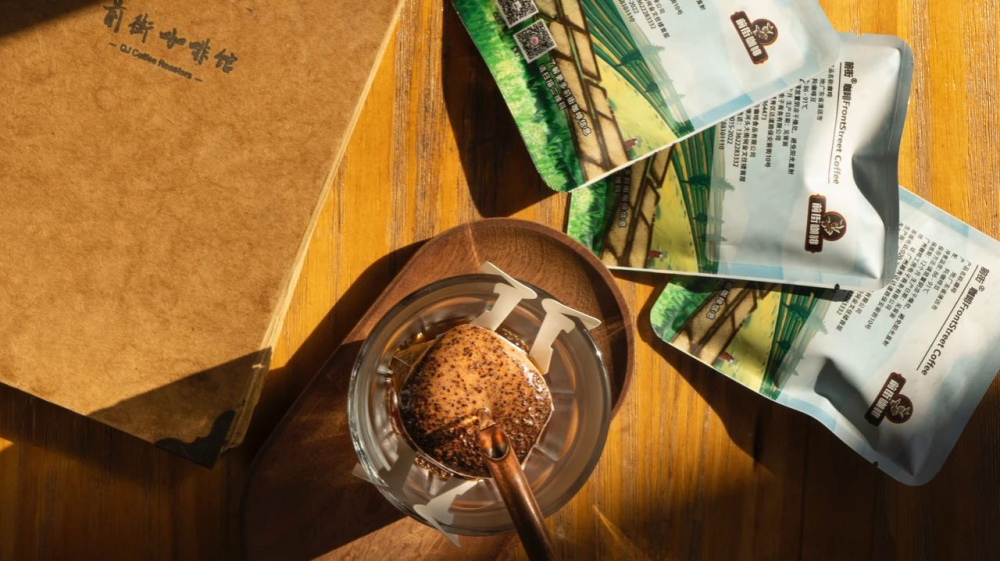
Tracing the development of drip coffee, it dates back to the 1990s when Japan’s Yamachū Sangyō attempted to improve tea bags. Early designs failed to hold the weight of coffee grounds, resulting in uneven extraction. It wasn’t until 2001 when UCC Ueshima Coffee refined the filter bag structure and secured a patent that the modern drip bag form was officially introduced. This invention successfully addressed the hassle of carrying multiple tools required by traditional filter cones, allowing users to achieve professional-level brewing with just hot water.
Regarding the brewing principle, the coffee grounds in drip bags are usually ground to a medium-fine consistency (about 0.8–1.2 mm particle size), filtered through layers of non-woven fabric. When 85–92°C hot water passes through at an appropriate flow rate, soluble substances such as caffeine, acidity, and oils are gradually released. Empirical data shows that the first blooming stage alone releases about 30% of aromatic compounds, and the full brewing process can extract approximately 18–22% of total components, with the remainder mainly consisting of less soluble fibers.
A common misconception is that drip bags can be steeped like tea bags for extended periods. In reality, this leads to over-extraction. When brewed beyond the recommended time (usually within 3 minutes), wooden fibers and impurities are released into the solution, resulting in noticeable bitterness and astringency. The correct practice is to remove the filter bag immediately after the last drop of coffee falls, avoiding continued extraction from residual heat.
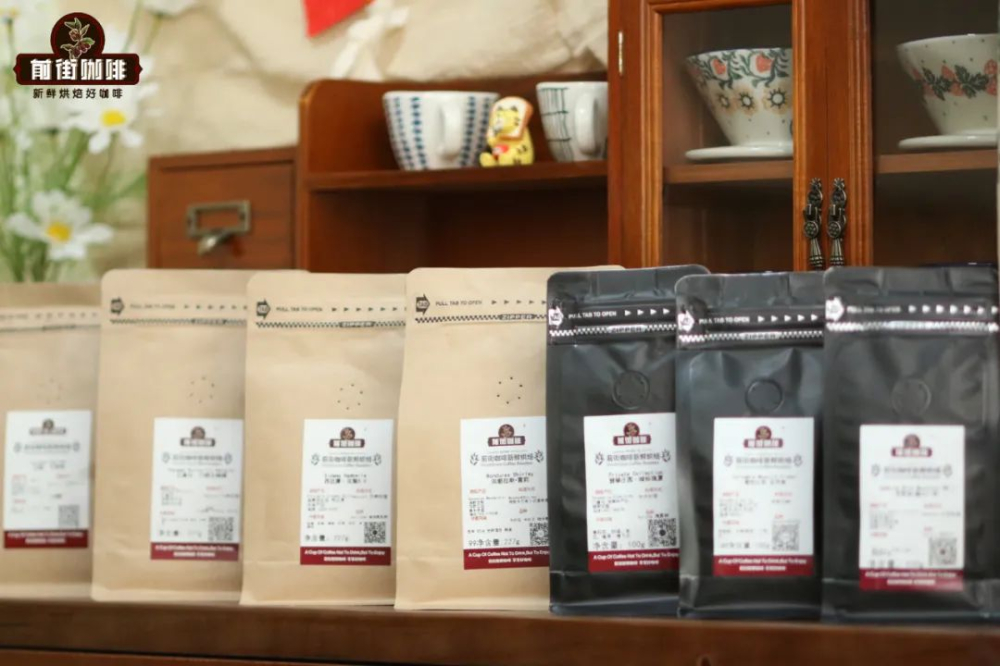
The standard brewing process can be divided into three key steps: First, tear open the aluminum foil package and take out the filter bag, then tear along the OPEN dotted line and unfold the two side handles. It’s recommended to use a ceramic cup with a capacity of 200–300 ml. After hanging the filter bag securely, perform pre-wetting—pour 30 ml of hot water to cover all the coffee grounds and let it sit for 10–20 seconds to release carbon dioxide. Then proceed with three stages of pouring: start by pouring until the water level reaches one-third of the filter bag height, wait until the liquid level drops by half, then continue pouring until near the edge. Repeat this process until the total water volume reaches 150 ml (calculated based on a 1:15 coffee-to-water ratio). Maintain a steady water flow throughout, and it’s recommended to pour in a center-radiating manner to avoid directly hitting the edges of the filter bag.
For beginners, even without professional scales or thermometers, as long as the water temperature is around 90°C (slightly cooled from boiling) and you brew according to the 10 g coffee dosage indicated on the package, you can still achieve consistent results. For more precise control, you can adjust the water flow rate with a pour over kettle or use a grinder to customize the grind size to suit your personal taste preferences.
In summary, drip coffee represents a balance between efficiency and quality in modern dining culture. By understanding its design principles and operational details, even busy professionals can easily replicate café-quality single-origin coffee experiences at home or in the office. Remember the golden brewing ratio and the basic rule of avoiding over-extraction. With the right bean selection, each cup can showcase unique regional flavor characteristics.
The above content is compiled by CoffeeHunters, a coffee news website.


