







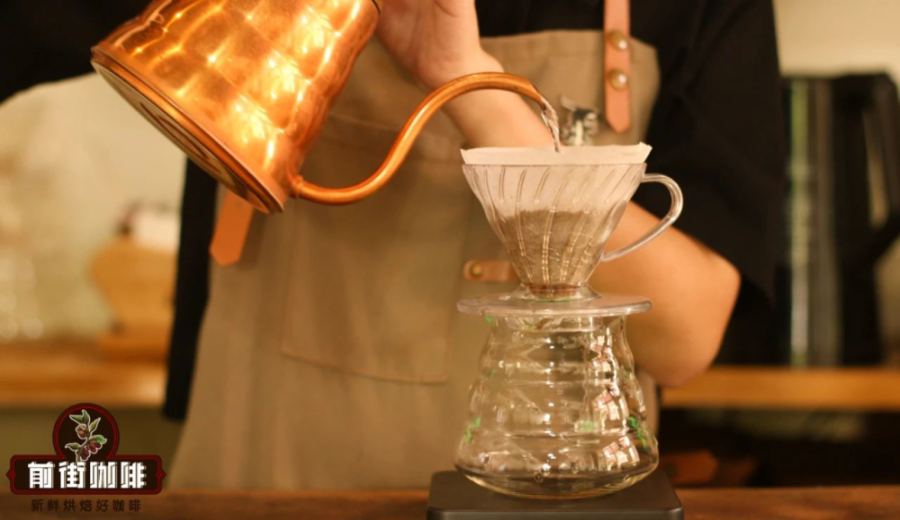
Introduction:Pour-over coffee enthusiasts often wonder how much water they should use to brew their coffee grounds, especially why the 1:15 coffee-to-water ratio is so commonly used. This article delves into the relationship between concentration and extraction yield in the Golden Cup extraction theory, explains why 1:15 has become a stable and low-risk choice, and discusses the necessity of tail-cutting to help you more accurately master pour-over parameters and flavor performance.
In pour-over coffee, the coffee-to-water ratio is a key factor that determines the strength and flavor profile of a cup. The 1:15 ratio is frequently mentioned, but where does it come from? Does it align with the SCA Golden Cup extraction standards? Starting from basic concepts and combining them with the Golden Cup extraction chart, this article provides an in-depth analysis of why 1:15 is the preferred choice for most enthusiasts, and further explores whether tail-cutting is truly necessary.
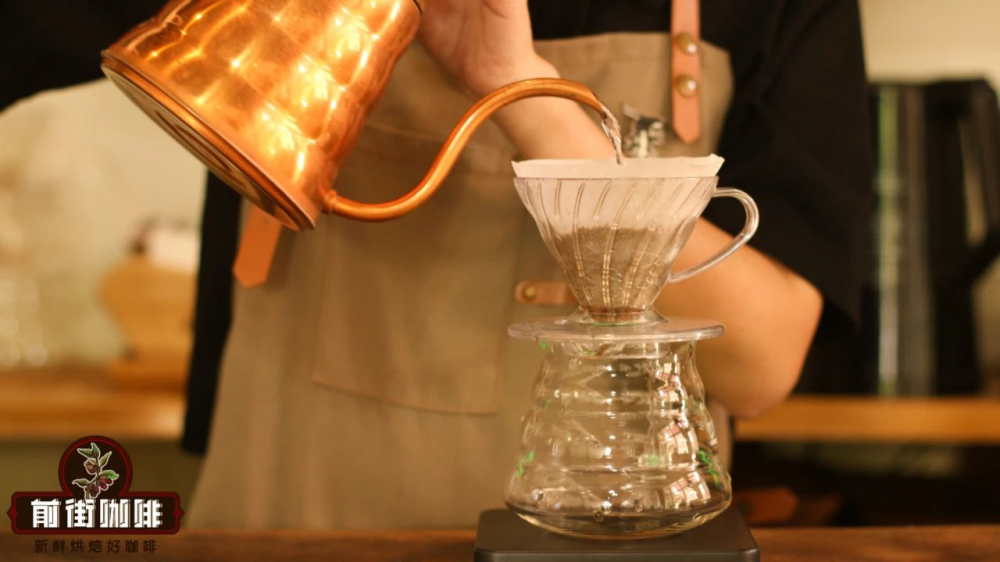
For beginners new to pour-over, a common question is: “How much water should I use for this amount of coffee grounds?” In fact, the fundamental purpose of setting a coffee-to-water ratio is to control the final concentration of the coffee, ensuring the flavors are neither overly intense and unpleasant, nor too weak and bland. The right coffee-to-water ratio is the key to finding that balance.
First, we need to clarify two basic concepts. The first is the coffee-to-water ratio, which refers to the proportion between the amount of coffee grounds and the water used for extraction—for example, 1:15 means using 15 parts water to 1 part coffee grounds. The second is the water absorption rate of coffee grounds, which generally absorb about twice their own weight in water. While this figure may vary slightly, it generally stays within this range. This means that under a 1:15 ratio, although you pour in 15 parts of water, approximately 2 parts will be absorbed by the coffee grounds, leaving around 13 parts as the final brewed coffee liquid.
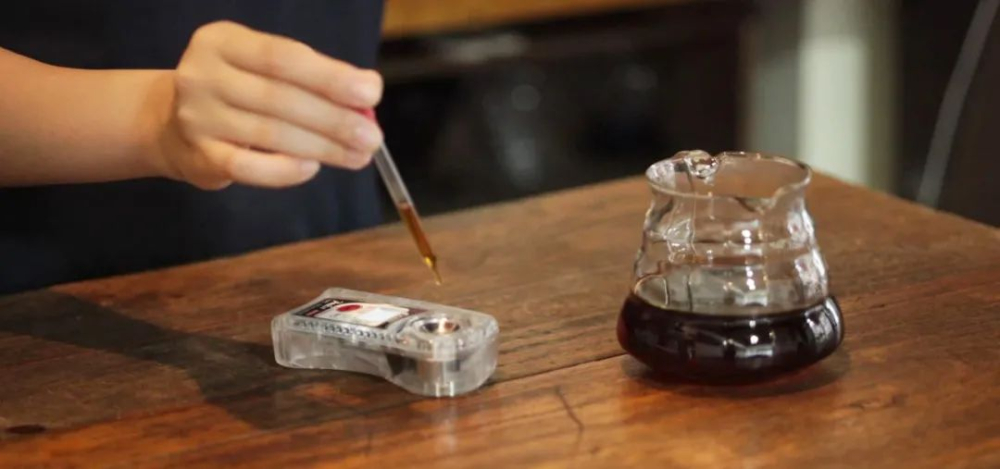
The Golden Cup extraction theory proposed by the SCA (Specialty Coffee Association) is one of the widely referenced brewing standards in the industry. According to this theory, the ideal range for Golden Cup extraction is an extraction yield of 18%–22%, with a coffee liquid concentration between 1.15%–1.45%. This range reflects the taste preferences of consumers in Europe and America, and is considered “tasty” by most people, though it doesn’t necessarily suit everyone’s palate.
Observing the Golden Cup extraction chart, we can see the extreme cases of coffee-to-water ratios: when the ratio is 1:20.9, the concentration is 1.15% and the extraction yield is 22%, still within the Golden Cup range; when the ratio is reduced to 1:14.3, the concentration rises to 1.45% and the extraction yield is 18%, also meeting the standard. However, the 1:17 line covers the widest area of the Golden Cup zone, meaning it is the easiest ratio to land within the ideal range, followed by 1:16 and 1:18. In comparison, hitting the Golden Cup range exactly with a 1:15 ratio is actually more difficult.
So why do many enthusiasts, including professional shop owners, still prefer using 1:15? Looking at the Golden Cup chart, 1:16 to 1:18 might seem more ideal, but in practice, increasing the ratio—such as using 1:18—while potentially keeping the extraction yield and concentration within the Golden Cup range, can easily lead to unpleasant flavors, especially as the extraction yield becomes harder to control steadily. Therefore, to ensure overall flavor stability and a higher margin for error, most people opt to tighten the ratio slightly, using 1:15 as a compromise.
Through multiple tests using light-roast coffee beans, it was found that at a 1:15 ratio, the coffee liquid concentration typically falls between 1.35%–1.42%, with an extraction yield ranging from 17.79%–18.73%. Although these figures only narrowly meet the Golden Cup standards, sensory evaluations showed good flavor performance without the astringency or sourness typical of under-extraction. This makes 1:15 suitable for most coffee beans. Compared to the risks of over-extraction or bitterness that may come with larger ratios, 1:15 is clearly a safer and more controllable option.
It’s worth noting that a concentration of 1.35%–1.42% is considered on the higher side according to Golden Cup standards, but this is mainly based on the taste preferences of European and American consumers and may not apply to drinking habits worldwide.
Some may ask: Is the Golden Cup theory wrong? Not at all. In addition to the coffee-to-water ratio, there are many other factors that influence extraction yield, such as the brewing method. The Golden Cup originally referenced immersion brewing, using a much higher coffee-to-water ratio of 1:18.18 (i.e., 11 grams of coffee grounds with 200 grams of water), which is easier to achieve ideal extraction under immersion conditions. Pour-over, on the other hand, is a drip-filtering method that relies on water flow to agitate the coffee grounds to improve extraction efficiency. Therefore, a lower coffee-to-water ratio is actually more suitable for this brewing style.
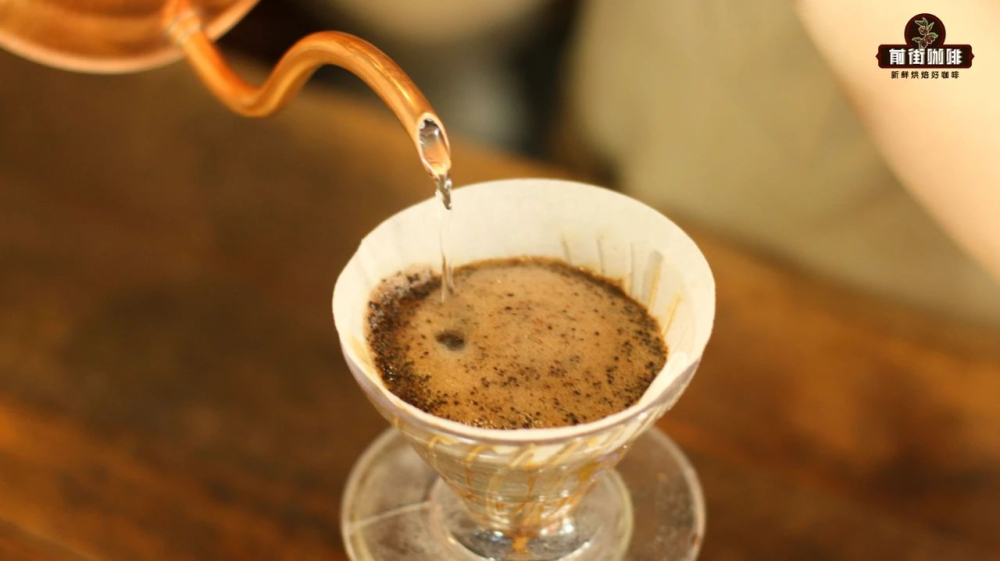
Regarding tail-cutting, this is an action many players consider during the later stages of brewing. Some consumers, worried that the final coffee liquid may carry bitter or off-flavors, choose to remove the filter early to avoid these negative tastes. However, actual tests show that when brewing at a regular 1:15 ratio, the tail-cut portion does not exhibit significant bitterness or unwanted flavors. Blindly cutting the tail may instead lead to the loss of some flavor compounds, reducing the coffee’s aftertaste and complexity.
Generally speaking, if the coffee flavor is still unsatisfactory under normal brewing procedures, the issue is often not with the tail portion, but rather with the quality of the coffee beans themselves, or inconsistencies in brewing parameters such as water temperature, grind size, or pouring technique. Many specialty coffee beans from well-known regions are of high quality and less prone to producing undesirable flavors, so special tail-cutting is usually unnecessary.
Of course, we don’t deny that professional competitors can skillfully use tail-cutting techniques in competitions, based on their thorough understanding of specific coffee beans and repeated trials. But for the average enthusiast, tail-cutting is better used as an auxiliary tool for flavor adjustment, rather than a mandatory step in every brew. Premature or arbitrary tail-cutting not only fails to guarantee stable flavors, but may also lead to inconsistent results each time, undermining the joy and exploration inherent in pour-over coffee.
The above content is compiled by CoffeeHunters, a coffee news website.


