







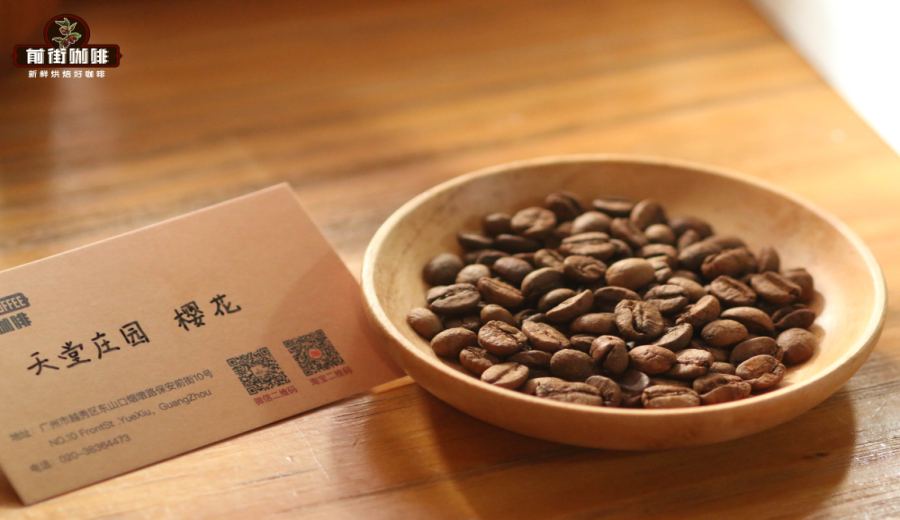
Introduction:Finca El Paraíso in Colombia’s Cauca region is renowned for its high altitude and refined processing methods. These coffee beans, crafted from the Castillo variety using a double anaerobic washed process, showcase unique layers of berry, strawberry jam, and mugwort spice flavors. This article delves into the growing environment, varietal characteristics, processing techniques, and provides tested pour over parameters and flavor guidance to help you master the key details from roasting to brewing.
Located in Colombia’s Cauca region, Finca El Paraíso (Heavenly Estate),at an elevation of2050 meters, benefits from mineral-rich volcanic soil, producing premium coffee with delicate flavors. The estate was founded in 2008 by Mr. Diego Samuel, starting from a modest2.5-hectare
family farm. Through continuous optimization of cultivation and processing techniques, it won the local green bean competition in 2015, establishing its reputation in the specialty coffee industry.This coffee, named "Sakura," uses the Castillo variety, which is highly resistant to leaf rust, combined with an innovativedouble anaerobic washed process
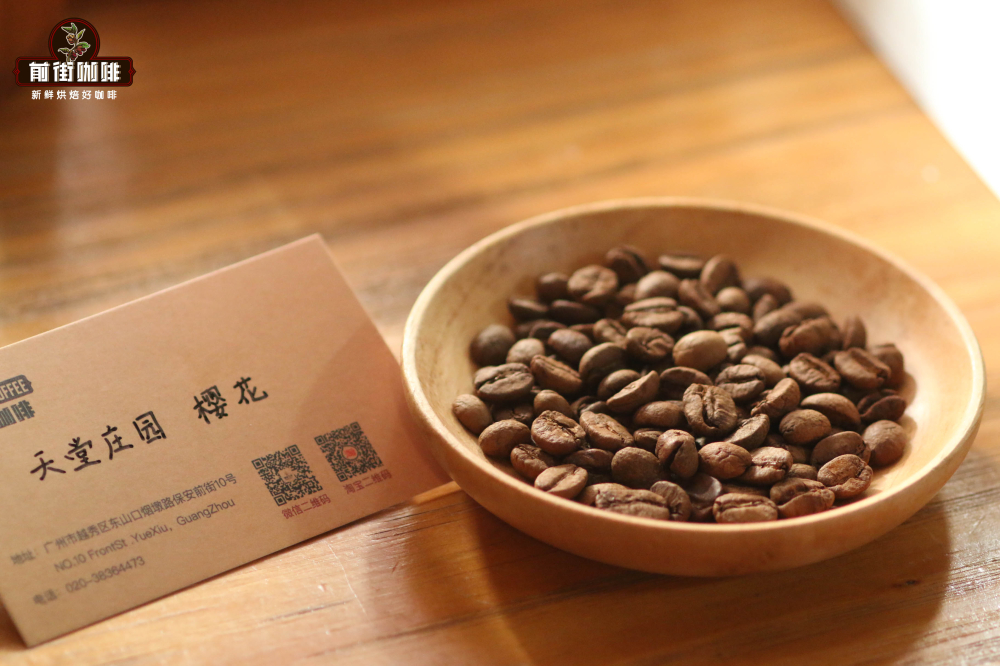
: it undergoes two rounds of constant-temperature anaerobic fermentation, with the mucilage layer removed via washing midway, followed by extended fermentation and then sun drying. This process highlights distinct fruit acidity notes such as berries, raspberries, and strawberry jam, along with a unique mugwort-like spicy aroma, offering a rich and accessible flavor profile.The geographic conditions of the Cauca region provide an ideal environment for coffee growth. The areais 80% mountainous,
with the central mountain range including the Sotara and Petacas volcanoes. Coupled with a single-peak precipitation pattern (dry season concentrated in August and September, followed by the rainy season), it not only promotes coffee flower bud differentiation but also ensures stability during the harvest period. Volcanic soil is nutrient-rich, and the combination of average annual temperature and high altitude creates a significant day-night temperature difference, aiding in the slow maturation of coffee cherries and the accumulation of more complex flavor compounds.To fully highlight the fruitiness of this coffee, roasters typically opt formedium roast.
Cupping results show that its dry aroma features rich spices and strawberry notes, with an entrance that reveals a base of mugwort and spices, paired with a balanced acidity of black tea, berries, and citrus. The body is medium, and the finish carries a subtle floral note. It’s important to note that due to the anaerobic process reducing the cell wall density of the beans, the internal structure becomes looser after roasting. Brewing parameters may need adjustment to prevent flavor loss.Tested recommended pour over parameters are as follows: use aV60 dripper,15 gramsof coffee, with a1:15brew ratio (not specified in original text),82%grind setting at EK43S#9.5 (equivalent to a 20-mesh sieve retention rate of, close to the coarseness of fine sugar). The specific steps are: first pour double the coffee weight in water (about 30 grams) for a30-secondbloom,then switch to a small stream of water and circle from the inside out. At125 grams,make the first pour; once the coffee bed drops to half the height of the dripper, continue pouring to225 gramsto complete extraction, with a total brew time of about90°C2 minutes.
It is recommended to control the water temperature at, and pay attention to increasing the pouring speed to counteract lower resistance from the brew ratio.Common issues include under-extraction due to overly coarse grind or over-extraction bitterness caused by too slow water flow. If the flavor seems flat, try adjusting the grind to91-92°C80–85% sieve retentionor increasing the water temperature to; if acidity is too prominent, reduce the bloom time to25 secondsand shorten the total brew time to
The above content is compiled by CoffeeHunters, a coffee news website.


