







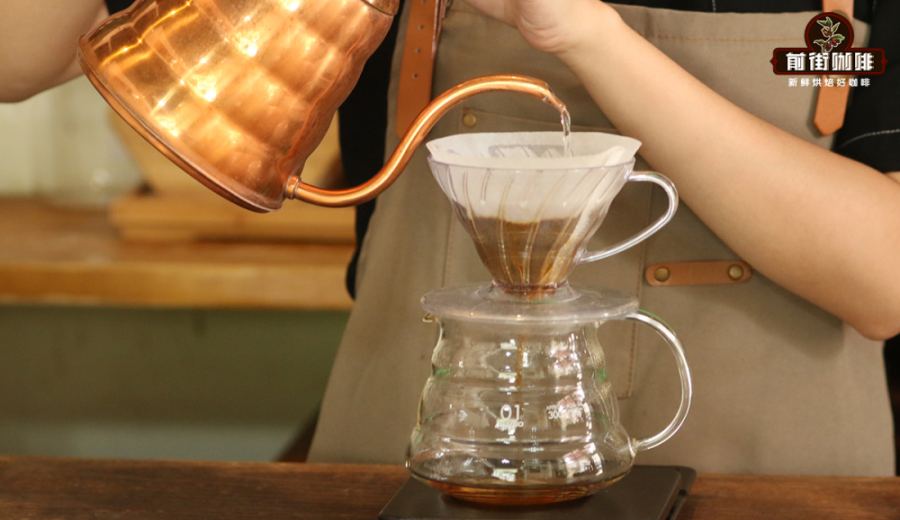
Introduction:When starting out with pour over coffee, beginners often encounter basic questions such as grind-to-water ratio, coffee bean dosage, and single-origin bean selection. This article, based on the SCA Golden Cup extraction theory, provides a detailed breakdown of how practical grind-to-water ratios from 1:12 to 1:16 impact flavor, and calculates the classic brewing parameters using 15 grams of beans with 225 milliliters of water. It also systematically introduces the characteristics of major Arabica varieties such as Typica, Bourbon, and Caturra, compares the differences between Robusta and Liberica, helping you build a scientific understanding of single-origin coffee.
In recent years, pour over coffee has gradually become a daily ritual for coffee enthusiasts, but many beginners are often troubled by basic issues in practice: How much coffee should I use? What grind-to-water ratio will bring out the ideal flavors? These questions may seem simple, but they are key factors affecting coffee quality. By combining professional extraction theory with actual brewing experience, we’ll outline a clear operational framework for coffee beginners.
How does grind-to-water ratio affect the flavor profile of pour over coffee?
The grind-to-water ratio is like the rice-to-water ratio in cooking—it directly affects the final concentration and layering of the brew. When the water-to-coffee ratio is too high (e.g., above 1:16), the coffee tends to taste thin and watery, with flavors that are diffuse. Conversely, if the ratio is too low (e.g., below 1:10), the taste becomes overly intense and distinctly bitter or astringent. According to SCA Golden Cup standards,a grind-to-water ratio of 1:12 to 1:13 (converted to unbrewed water, this is 1:14.5 to 1:15.5)is the golden range that best balances extraction yield (18%–22%) and concentration (1.15%–1.35%), allowing the coffee’s sweetness and acidity to shine without over-extraction that leads to tannic bitterness.
For practical application, it is recommended to start witha user-friendly ratio of 1:15—that is, using 225 milliliters of water for every 15 grams of coffee grounds. This value not only aligns with the capacity design of most filter cones but also makes it easier to control brewing time. For those who prefer a stronger flavor, you can opt for 1:12 to 1:13, or adjust to 1:14 to 1:16 if you want a brighter, fruitier acidity.
How is the standard amount of coffee beans for pour over calculated?
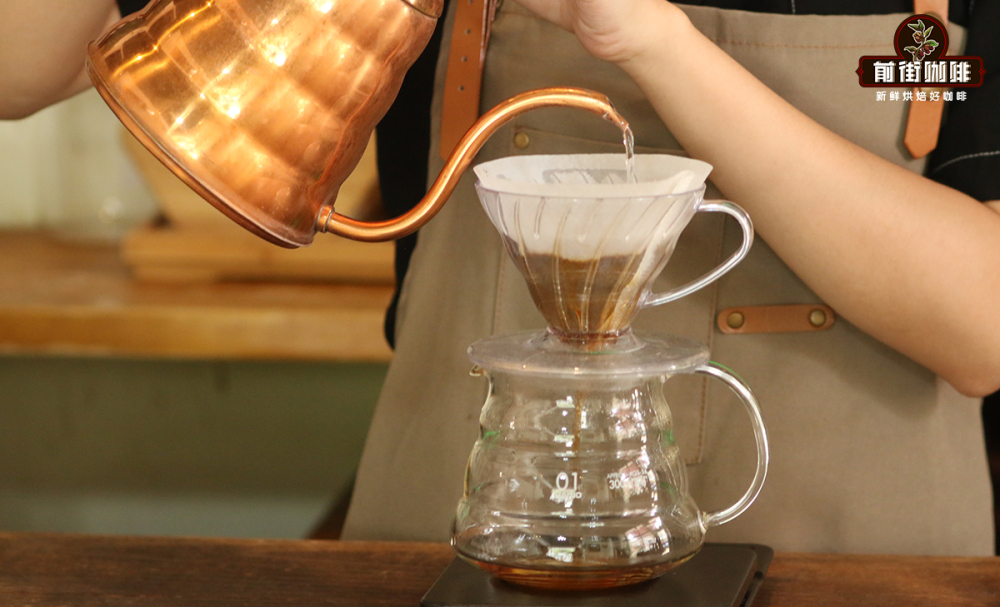
Taking the golden ratio of 1:15 as an example, to make a cup of pour over coffee with about 225 milliliters, you need to accurately weigh15 grams of coffee grounds. In actual practice, it is recommended to use an electronic scale for double calibration: first weigh the coffee beans, then confirm the ground coffee weight after grinding to avoid errors caused by residual grounds in the grinder. For water measurement, a pour over kettle with volume markers is recommended—pour slowly from the center while maintaining a circular flow to ensure all coffee grounds are evenly saturated.
Definition and core value of single-origin coffee beans
The unique charm of pour over coffee lies in its focus on showcasing beans from a single origin, variety, or processing method. Single-origin coffee beans refer specifically to purebred beans from a particular growing region, farm, or processing method, without any additives such as milk or sugar, fully preserving the terroir characteristics. These beans typically have distinct regional fingerprints—for example, Ethiopian beans may express citrus and floral notes, while Colombian beans might showcase nutty and chocolatey tones, in sharp contrast to the consistent yet ordinary profiles of commercial blends.
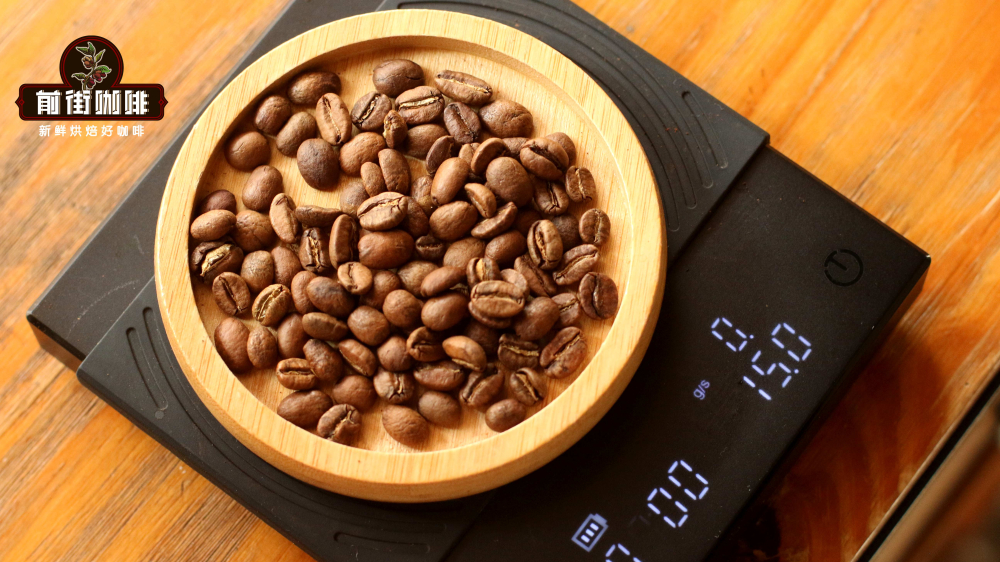
Most single-origin beans in the global specialty coffee system belong to the Arabica species, which are generally grown at altitudes above 1200 meters. The long growth cycle allows the fruit to develop more complex aromatic compounds. It’s worth noting that high-quality single-origin beans must achieve a cupping score of 80 or above—a key benchmark professional roasters use when selecting green beans.
Analysis of Star Varieties in the Arabica Family
Among the many Arabica varieties, four classic lineages are worth exploring in depth:
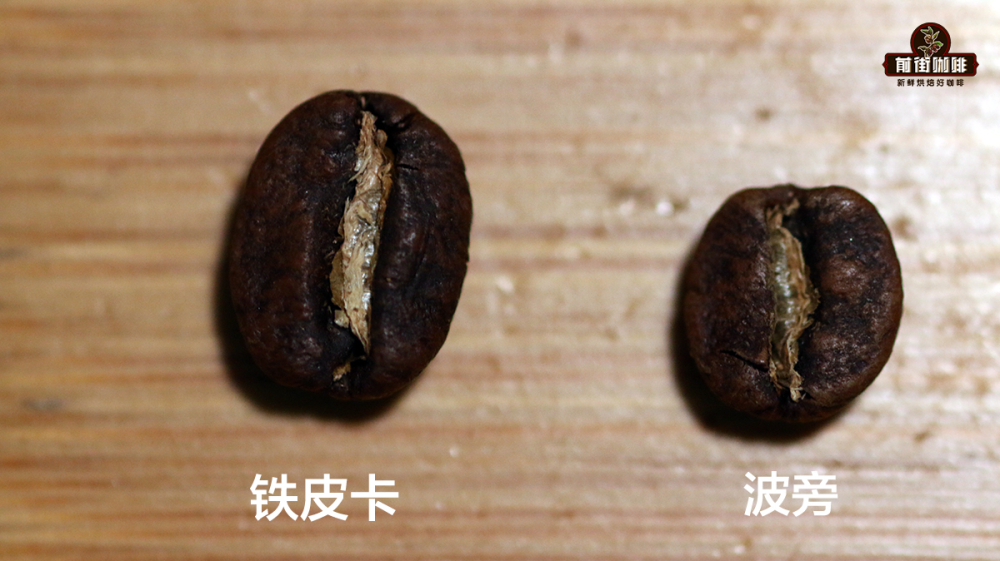
• Typica: An original variety originating from Yemen, with long, flat beans that offer a unique blueberry-like tone and a tea-like aftertaste. Due to its relatively weak disease resistance, it is now mostly found in high-altitude protected areas such as Jamaica Blue Mountain or small growing regions in Yunnan.
• Bourbon: A natural mutation of Typica, where ripe red fruit gives off a wine-like richness. Classic producing regions include Kenya and Guatemala. Special mutations such as Yellow Bourbon and Pink Bourbon, due to their rare yields, often become collectible items in the specialty coffee market.
• Caturra: A dwarfed and improved variety suitable for dense planting and hand-picking, known for its bright lemony acidity and black tea-like texture, and is one of the signature varieties of Colombian coffee.
• Catuai: A hybrid offspring of Caturra and the Mundo Novo variety, combining leaf rust resistance with a rich berry flavor, and is widely planted in Central America.
Positioning of Other Important Coffee Species
Although Robusta is commonly used in espresso blends or instant coffee due to its high caffeine content and strong disease resistance, some specialty-growing regions (such as Indonesia) have managed to highlight unique nutty and caramel flavors through special processing methods. Liberica, the largest coffee bean species in size, is currently only found in laboratory research stages. Its strong woody tones struggle to meet the aesthetic standards of modern specialty coffee.
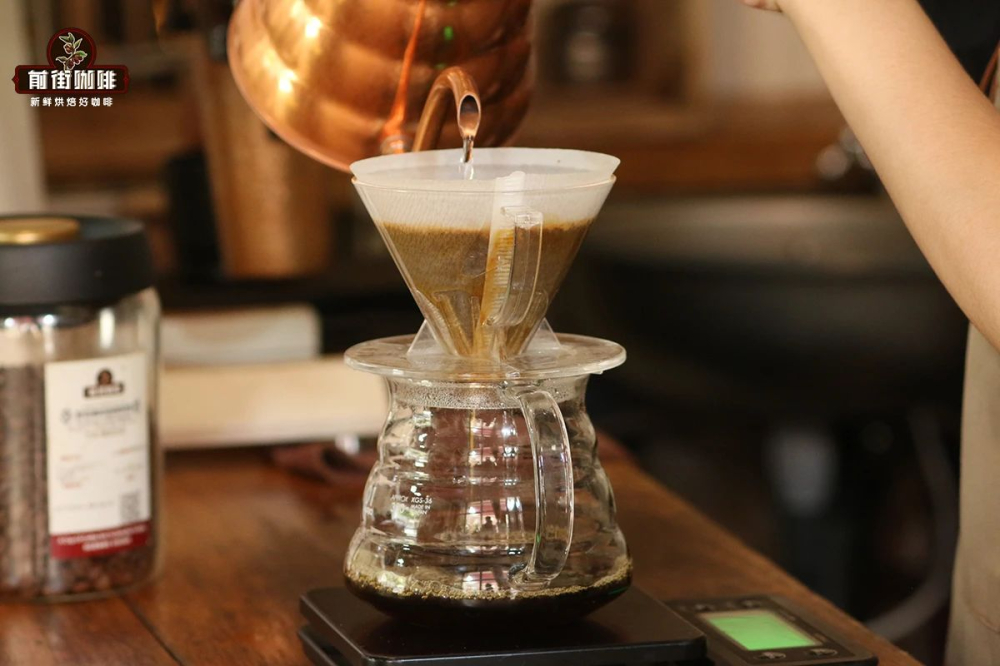
With these foundational insights, enthusiasts can choose matching origins and processing methods based on personal taste preferences. Remember: the right brewing parameters paired with carefully selected single-origin beans are the key to unlocking the deeper flavors of pour over coffee.
The above content is compiled by CoffeeHunters, a coffee news website.


