







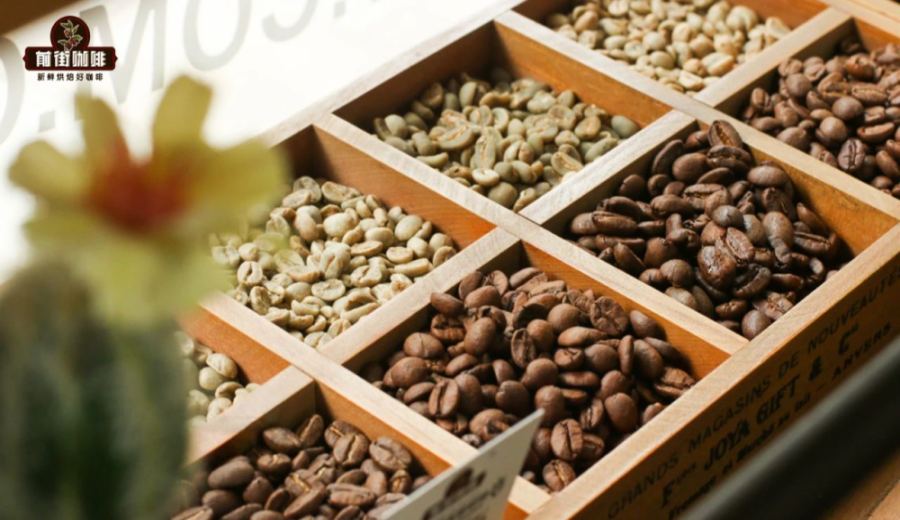
Introduction:Ethiopia is hailed as the birthplace of coffee, nurturing world-renowned regions such as Yirgacheffe. This article delves into the country's coffee-growing geography, varietal diversity, and processing techniques, analyzes the famous trademark dispute between Starbucks and the Ethiopian government over regional names, and provides detailed flavor profiles and pour-over recommendations for both washed and natural Yirgacheffe, helping you better understand the essence of this coffee sanctuary.
Ethiopia is not only the origin of coffee but also boasts numerous world-class specialty coffee regions thanks to its unique high altitudes and diverse microclimates. Among them, Yirgacheffe, Sidamo, and Harar are star origins in the international market. This article will explore Ethiopia’s coffee diversity through its regional distribution, varietal characteristics, and processing methods, while also revisiting the trademark registration dispute between Starbucks and the local government over the three major regions, as well as the industry’s practical evaluations and brewing recommendations for washed and natural Yirgacheffe flavors.
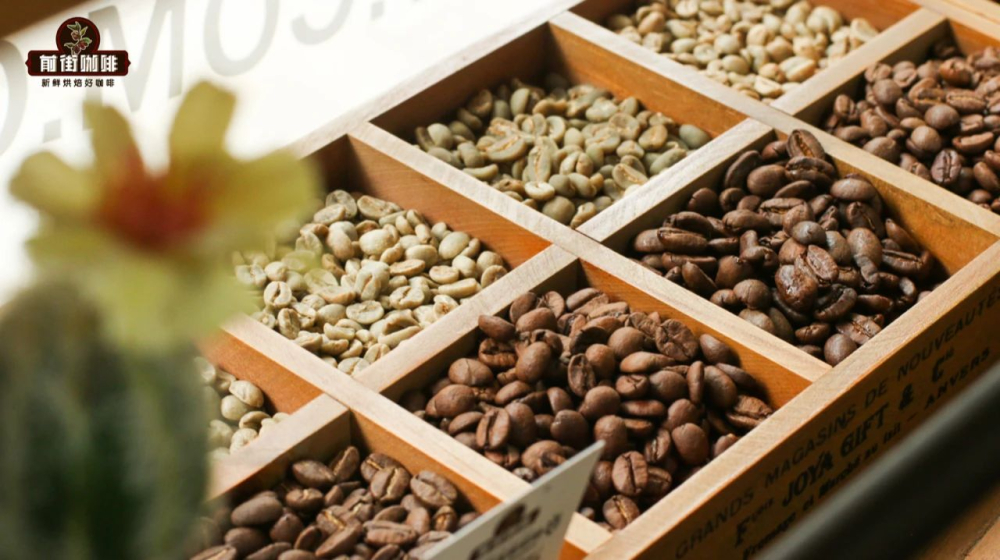
Ethiopia is currently one of Africa’s top coffee-exporting countries, but around 60% of its coffee beans are consumed domestically, often used in weddings or religious ceremonies, blended with honey, herbs, and other ingredients as blessings. This shows how deeply coffee is rooted in the local culture. Among the many regions, Yirgacheffe stands out with its unique citrus notes and floral-fruity aromas, becoming a classic among specialty coffee enthusiasts. Among the industry’s everyday coffee bean offerings, there is also a washed Yirgacheffe that showcases the region’s most iconic core flavors—highly recognizable and offering great value.
Going back to 2003, Starbucks launched the “Commitment to Origins” (CTO) initiative, emphasizing the use of high-altitude, carefully graded Arabica beans to shape its specialty image. Ethiopian coffee, with its fresh floral and spicy layers, was described by Starbucks as a “gentle tribute to the birthplace of coffee.” However, behind this collaboration, a dispute over the trademark rights of regional names once erupted.
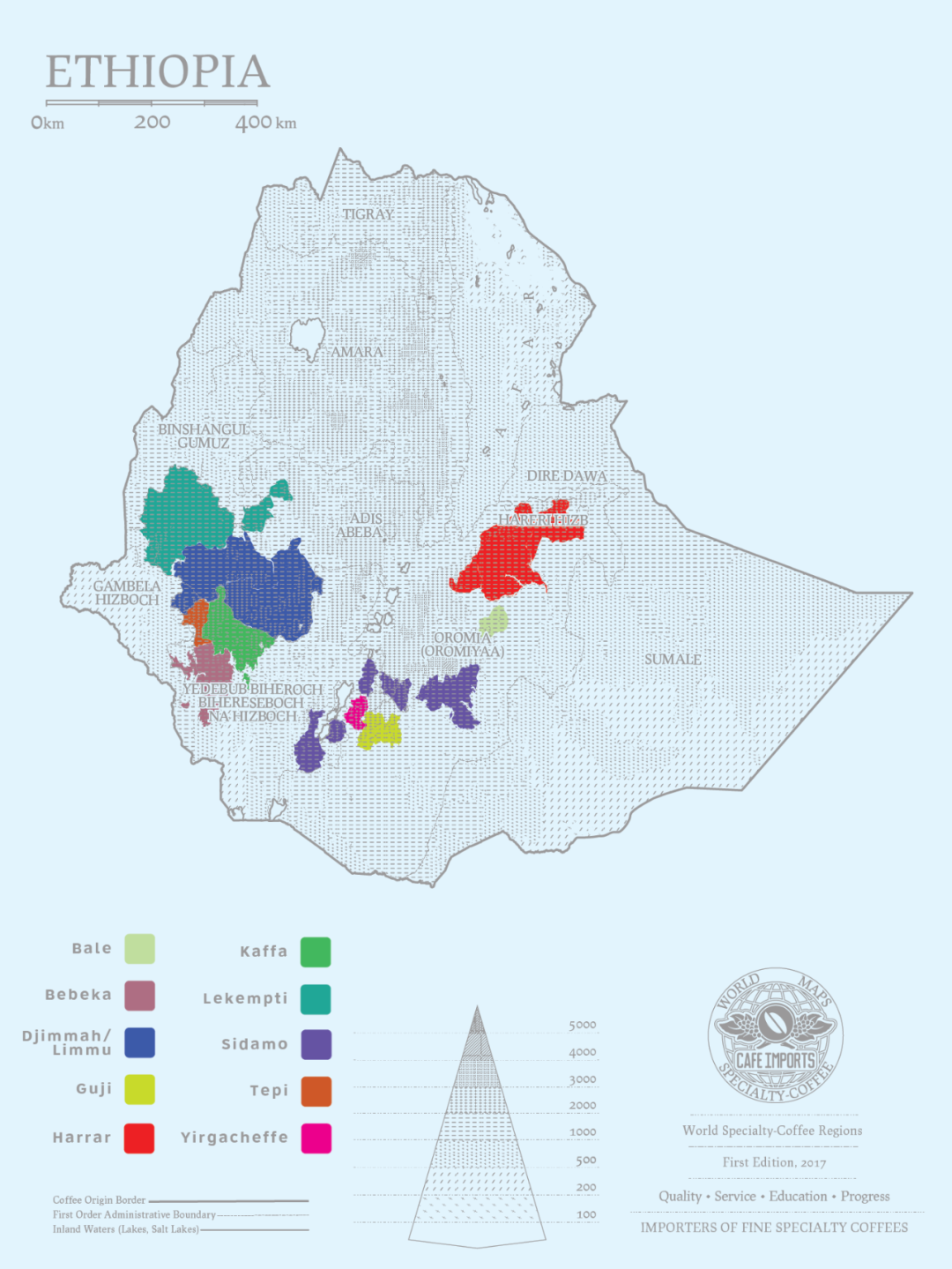
In 2006, the Ethiopian government applied to the United States Patent and Trademark Office to register the regional names Sidamo, Harar, and Yirgacheffe as geographical indication trademarks, aiming to boost farmers’ incomes through branding. Unexpectedly, international brands including Starbucks opposed the move, citing concerns about their product strategies. At the time, Ethiopian farmers were selling coffee beans to Starbucks for about $0.75 per pound, while Starbucks’ retail price reached up to $13 per pound—a huge price gap. The trademark dispute finally concluded on May 9, 2007, with both parties reaching an agreement. Starbucks pledged to respect the uniqueness of Ethiopian coffee varieties on product labels and to advocate for greater rights for farmers.
Coffee cultivation in Ethiopia is mainly concentrated in the western and southern regions, managed by approximately 1.2 million smallholder farming families, with each household typically farming less than 4 hectares. The planting altitude mostly ranges between 1,000 and 2,300 meters, with about 1,000 to 1,800 coffee trees planted per hectare and an average yield of around 600 kilograms. Notably, after the 1995 administrative redivision, the former Sidamo Province was split into today’s Sidama Region and Oromia Region, while Yirgacheffe belongs to the Gedeo Zone. As a result, it’s common to see mixed usage of old and new place names in the market. Consumers are advised to refer to the latest administrative divisions when understanding regional information.
Ethiopia has over 2,000 registered coffee varieties, of which 1,927 are native and 128 are introduced. Since most coffee trees are interplanted, harvested beans often vary in size, and commercially available products are usually labeled as “local native varieties.” However, in recent years, Ethiopian international competitions like COE (Cup of Excellence) have gradually started using numbered varieties (such as 74158, 74110) or traditional names (such as Typica, Kurume) for labeling, helping consumers more accurately identify flavor sources. For example, in the 22nd COE, the West Arsi region of Sidamo—though less known than Yirgacheffe—had 9 entries ranked in the top 28, showcasing the region’s potential.
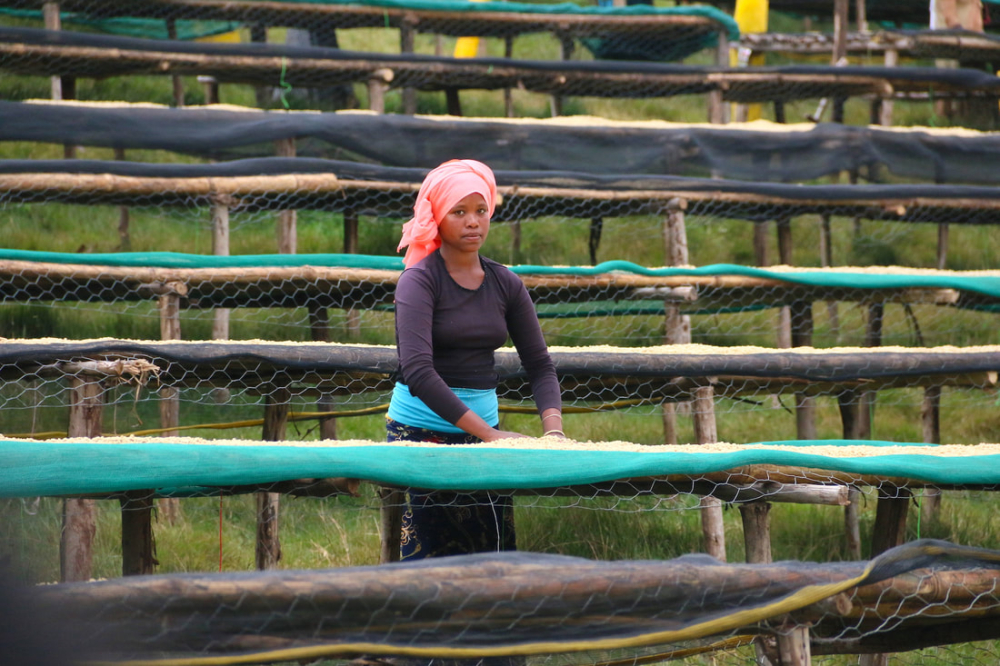
In terms of processing methods, Ethiopia primarily uses two traditional techniques: washed and natural. Washed processing involves removing the pulp, fermenting, and rinsing with clean water, followed by shade drying, emphasizing clean acidity and delicate floral-fruity notes, typically making up the majority of production. Natural processing skips the fermentation and washing steps, instead directly sun-drying the coffee cherries to a moisture content of 12%, resulting in richer sweetness and a fuller body. For consumers trying Ethiopian coffee for the first time, it’s recommended to start with washed processing to experience its bright acidity and citrus-floral notes; if you prefer intense fruitiness and molasses-like sweetness, the natural version is a great choice.
For light-roasted coffee beans from the Yirgacheffe region, here are suggested pour-over parameters: Use a V60 filter, control the water temperature at around 90°C, and maintain a coffee-to-water ratio of 1:15 (e.g., 15 grams of coffee to 225 milliliters of water). The grind size should be similar to that of granulated sugar passing through a Chinese No. 20 sieve at 80% fineness. Use a pulse pouring method: first pour double the coffee’s weight in water (about 30 grams) for a 30-second bloom, then pour in a circular motion with a slow stream until reaching 125 grams, pause briefly, then continue pouring to 225 grams to finish. Total extraction time is about 2 minutes.
In terms of flavor, industry tastings indicate that natural Yirgacheffe often carries subtle wine-like aromas, with a full-bodied mouthfeel blending citrus, honey, and cocoa layers, and a long-lasting finish. The washed version, on the other hand, showcases livelier lemon acidity paired with fresh citrus and black tea notes, offering a clean and balanced profile. Regardless of the processing method chosen, Yirgacheffe is known for its bright fruit acidity and juicy mouthfeel, making it an excellent entry point for exploring the charm of Ethiopian coffee.
The above content is compiled by CoffeeHunters, a coffee news website.


