








Introduction:Wondering how Starbucks Flat White, Flat White (Au Lait), Americano, and Cappuccino differ, but always get confused about which is more bitter or smoother? This article delves into the recipe background, extraction details, and flavor profiles of these four common coffee drinks. From the espresso base and milk ratio to the texture of the milk foam, it helps you grasp the unique taste of each. Whether you're new to coffee or a enthusiast, you'll learn to distinguish them and find your perfect match.
In the world of espresso-based drinks, simply adjusting the ratios of espresso, milk, and water can give rise to multiple classic beverages, such as Flat White, Cappuccino, Latte, and Americano. But many people still have only a vague understanding of the actual differences between Starbucks Flat White, Flat White (Au Lait), Americano, and Cappuccino—especially when it comes to taste, intensity, and milk foam texture. This article starts from the basic recipes and explains their distinctions in detail, including which has a stronger coffee flavor, which is smoother and easier to drink, and even provides practical extraction and milk frothing parameters so you can replicate similar flavor profiles at home.

First, it’s important to understand the basic logic of espresso-based drinks: they typically use espresso as the base, then add varying proportions of water or milk according to preference. For example, adding hot water creates what we know as an Americano; adding milk results in variations like Latte, Cappuccino, and Flat White. According to online sources, only pouring water directly into the espresso is called an Americano; if you pour the coffee into the water, it’s referred to by another name—Long Black. This type of coffee is characterized by a layer of crema (coffee oils) on the surface, a feature that Americanos lack.
Compared to the bold and straightforward taste of an Americano, drinks with milk—such as Flat White and Cappuccino—usually have a softer, sweeter flavor and rarely exhibit strong bitterness. However, there are still very subtle differences among these milk-based coffees, even professional baristas may take time to fully grasp them. Especially in the Chinese market, the same “Flat White” goes by different translated names across brands—for example, Starbucks calls it “Flat White (Au Lait),” COSTA names it “醇艺白,” and Luckin offers it as “澳瑞白.”

Looking more closely at the differences between Latte, Cappuccino, and Flat White (Au Lait), the key factors lie in three elements: the amount of coffee liquid, the proportion of milk, and the fineness and thickness of the milk foam. Some consumers even find it hard to tell them apart just by appearance, and for baristas, nailing these details isn’t easy either. This article focuses on these common espresso-based drinks, clarifying their personalities and differences from recipe origins to real-world flavors.
Speaking of Flat White, its origins can be traced back to New Zealand in the 1970s and 1980s, later becoming popular in Australia and around the world, though with slight regional recipe adjustments. For instance, the New Zealand version prefers using a double ristretto shot, while Australia typically uses a single shot of espresso. The core feature of Flat White is blending extremely fine, almost liquid-like milk foam into one or two shots of espresso, creating a rich yet smooth taste.
Strictly speaking, Flat White is made by blending fine milk foam with the coffee, then adding about twice the amount of milk compared to the coffee—but the total milk volume is still significantly less than in a Latte. Additionally, the biggest difference between Flat White and Cappuccino lies in the presentation of the milk foam—Flat White has almost no visible foam on top, whereas Cappuccino features a relatively thick layer of foam, sometimes even slightly higher than the rim of the cup. Latte falls in between, with a thicker milk foam layer and a more balanced ratio of coffee to milk.

As for Cappuccino, its name is said to be related to the hooded robes worn by Capuchin monks in Italy. This classic coffee is also made up of espresso, milk, and milk foam. The standard method for making a Cappuccino involves adding steamed milk and frothed milk foam to a freshly extracted espresso, often served in a larger cup, with the foam layer usually rising slightly above the rim—a key visual characteristic.
It’s worth noting that in a Cappuccino, the volume of milk foam is usually greater than that of the milk itself, giving it a denser texture and more pronounced foam structure compared to a Latte, which also makes it very suitable for latte art. In contrast, Flat White (i.e., Starbucks' Flat White (Au Lait)) takes a different approach—it uses less milk and a stronger coffee ratio, paired with extremely fine milk foam, resulting in a smooth-tasting drink with soft milk aroma that doesn’t overpower. Simply put, the milk foam in Flat White is closer to a liquid texture, while Cappuccino's foam is relatively coarse, fluffy, and elastic.
So, if you want to make a Flat White at home that’s close to the quality of a café version, what key parameters should you pay attention to? It’s generally recommended to use 20 grams of coffee grounds to extract about 40 milliliters of espresso as the base, paired with fine milk foam about 5 millimeters thick. When frothing the milk, it’s advised to keep the temperature between 50 to 60 degrees Celsius—too low a temperature may fail to release the lactose sweetness in the milk, affecting the overall roundness of the flavor; too high a temperature can damage the protein structure in the milk, making the foam feel rough or clumpy.
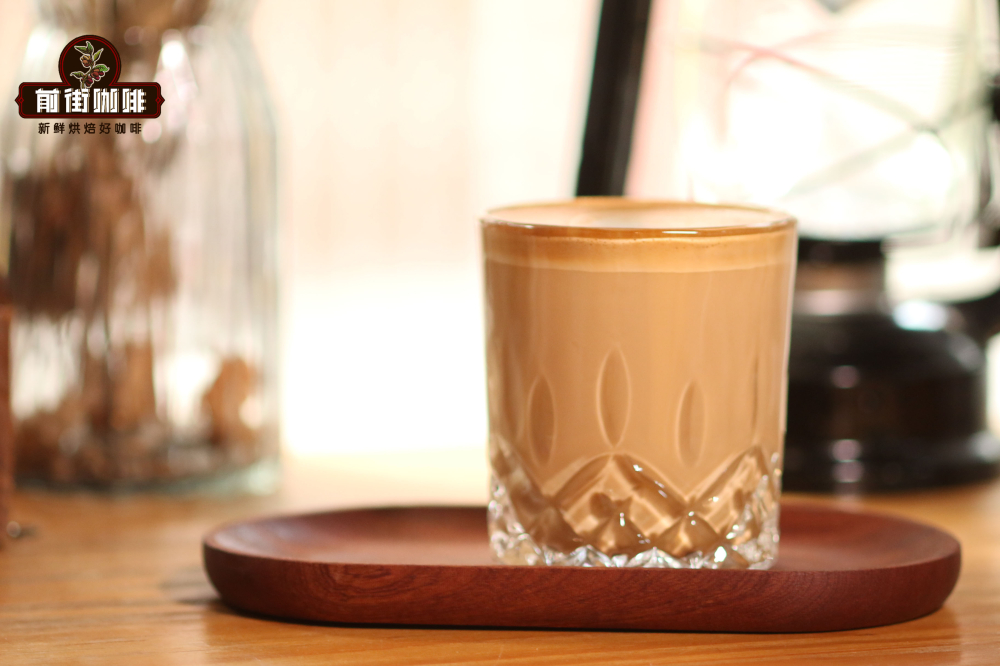
As for making a Cappuccino, its espresso extraction parameters are similar to those of a Latte, but the key difference lies in the thickness and texture of the milk foam. One coffee brand commonly uses the following extraction method: 20 grams of coffee grounds, a 1:2 coffee-to-water ratio, and an extraction time controlled between 28 to 30 seconds. This results in a well-balanced espresso with a refreshing taste. The espresso base usually exhibits noticeable fruity acidity, berry aromas, along with hints of wine-like notes and a rich chocolate aftertaste, with a pleasantly smooth finish.
The coffee beans commonly used to make both Flat White and Cappuccino are a house-roasted "Sunflower Warm Sun Blend" from a certain coffee brand, but depending on different needs, other blends can also be chosen—for example, a Dark Cocoa Blend with caramel sweetness and nutty flavors, a specialty coffee blend with a mild flavor and medium body, or a commercial blend with balanced acidity and sweetness and a long aftertaste. Each blend has its own unique flavor profile, capable of giving the coffee different characteristics and layers.
Finally, frothing the milk is also a key step that affects the taste of a Cappuccino. It’s recommended to pour about half the capacity of milk into the pitcher, insert the steam wand vertically into the center or near the edge of the milk, letting the steam tip just touch the milk surface. Start the steam at about half power and keep the pitcher stable without shaking. When the milk temperature approaches 50°C, gradually reduce the steam power, and turn it off completely at around 60°C. The final milk temperature will rise to about 66°C, and the resulting milk foam will have a moderate thickness, giving the Cappuccino a firmer and smoother texture.
The above content is compiled by CoffeeHunters, a coffee news website.


