







Introduction:Although Mandheling and espresso are often mentioned in the same breath, they actually belong to entirely different coffee systems. This article delves into the unique flavor characteristics of single-origin Mandheling coffee, explores the fundamental differences between it and espresso, and explains in detail the origins and features of the processing method used for Sumatra’s Golden Mandheling. It also provides practical pour-over recommendations, including grind size, water temperature, coffee-to-water ratio, and a complete brewing procedure, helping you master the brewing essentials and flavor profile of this classic Indonesian bean.
When it comes to Mandheling and espresso, many people love to compare the two, but they actually stem from different coffee cultural contexts. Espresso emphasizes quick extraction and bold flavors, suiting the fast-paced modern lifestyle; single-origin coffee, on the other hand, focuses on showcasing regional characteristics and subtle flavor layers, with a history even older than that of espresso. Among them, Mandheling coffee from Indonesia, thanks to its unique wet-hulling process, develops low acidity, a full body, and distinctive herbal and woody aromas, making it a classic choice for many coffee enthusiasts.
To truly understand the differences between Mandheling and espresso, one must first recognize that their positioning is fundamentally distinct. Simply put, espresso can be seen as the representative of “quick concentration,” emphasizing convenience and intense flavor impact; whereas single-origin coffee aligns more with the concept of “slowly savoring terroir,” akin to tea tasting, where regional flavors and nuanced layers take center stage. In fact, the history of single-origin coffee predates that of espresso, representing a more primal aspect of coffee culture.
Espresso, as the name suggests, originates from Italy and emerged alongside the second industrial revolution and the rise of steam technology in the 18th century. The advent of the first-generation steam-powered coffee machines allowed for high-pressure extraction in a short time, resulting in a rich and layered flavor profile. Today, espresso is often made with blended beans to balance flavor and ensure stability. For example, a classic blend combines wild-aroma Mandheling, Brazilian beans, and a small amount of Robusta, delivering a complex profile of butter, nuts, spices, and dark chocolate, with a thick crema and bold flavors—making it an excellent entry point into espresso.
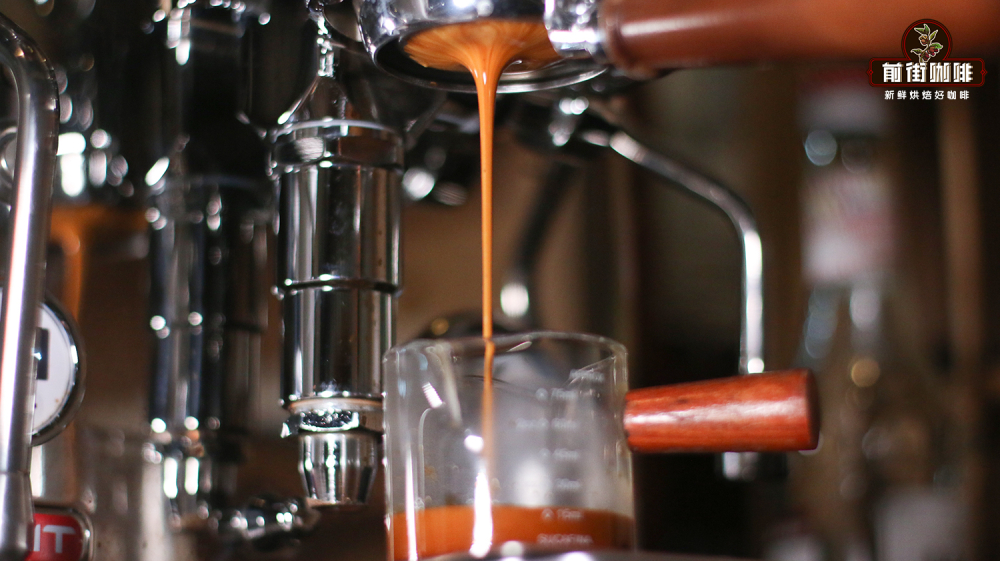
It’s worth mentioning that some well-known cafés use Mandheling beans not only for single-origin brewing but also as single-origin espresso (SOE), which, when diluted with water, becomes a clear-flavored Americano. This shows that espresso is essentially an extraction method, and it doesn’t conflict with the strategy of using either single-origin or blended beans. In contrast, single-origin coffee emphasizes the use of beans from a single origin or variety, showcasing the unique flavor characteristics of that particular batch through refined brewing techniques—an excellent way to explore the essence of coffee.
Speaking of Mandheling, one cannot overlook the renowned PWN Golden Mandheling from a certain well-known shop. This premium coffee from Indonesia is regarded as the top-tier representative of Mandheling. Its growing region is in the Gayo Highlands of Aceh Province in northern Sumatra, at an altitude of about 1,100 to 1,600 meters, with the Ateng variety, processed using the region’s unique wet-hulling method. This bean is not only a model of Indonesian specialty coffee but also boasts high recognizability and a loyal following due to its distinctive processing technique and regional characteristics.
The origin of the name “Mandheling” has an interesting backstory. Legend has it that during the Japanese occupation of Indonesia, a Japanese soldier drank a memorable cup of coffee and asked the shopkeeper what kind of coffee it was. Due to a language misunderstanding, the shopkeeper replied in the local language “Mandailing” (referring to the Mandailing region), but the soldier misheard it as “Mandheling.” After the war, the soldier asked a friend to find this coffee, and that friend turned out to be the founder of Indonesia’s PWN company (Pwani Coffee Company). PWN also became the first company to export Golden Mandheling to Japan. Over the years, a certain well-known shop has continued to use PWN Golden Mandheling, with its packaging specifications changing from the original 60-kilogram sacks to 30-kilogram sacks, and the growing region adjusted from the original Lintong to the current Gayo Highlands, reflecting a continuous pursuit of quality and flavor.
The uniquely distinctive flavor profile of Mandheling is inseparable from its use of the wet-hulling process. Indonesia, located near the equator, has a humid and rainy climate, coupled with frequent typhoons, making traditional sun-drying methods difficult to carry out, while washed processing requires higher equipment and costs. As a result, the region developed its unique wet-hulling method. This semi-washed processing approach, through a three-stage mucilage drying process, creates Mandheling’s low acidity, full body, and distinctive herbal and woody aromas—its most notable flavor traits.
If you want to brew a flavorful Mandheling yourself, the pour-over parameters for a certain well-known shop’s PWN Golden Mandheling are worth trying. It’s recommended to use a Kono filter, with the water temperature controlled at88°C, a coffee dose of about15 grams, a coffee-to-water ratio set at1:15, and a grind size of approximately 20-mesh Chinese standard screen passing rate of70%-75%, roughly falling between medium-fine and fine.
The specific pour-over steps are as follows: begin with a30-second bloom, using about30 grams of water; then proceed witha slow circular pour, and when the total water volume reaches125 grams, perform the first pour break. When the water level drops and is about to expose the coffee bed, continue pouring until225 grams, then stop. Wait again for the water level to drop and nearly expose the coffee bed before removing the filter to finish extraction. The total brewing time should be controlled at around2 minutes, yielding a balanced and layered flavor.
In terms of flavor, a certain well-known shop’s PWN Golden Mandheling showcases distinct nutty notes, accompanied by soft spices, herbs, and licorice aromas, with a sweet finish of chocolate and caramel. The overall flavor profile is clean, full-bodied yet delicate—a classic choice for experiencing the charm of Indonesian specialty coffee.
The above content is compiled by CoffeeHunters, a coffee news website.


