







Introduction:An in-depth exploration of the unique flavors, processing methods, and optimal brewing techniques of major Asian coffee regions such as Indonesia Mandheling, Yunnan small-bean varieties, and Vietnam Robusta. From the classic wet-hulled method to monsoon processing, we comprehensively analyze the characteristics of coffee beans from each region and provide professional pour-over recommendations to help you more precisely master the essence of brewing Asian coffee.
Although Asia is one of the world’s three major coffee-producing regions, its number of well-known producing countries may not rival those of Africa or the Americas. Yet, with its stable output and distinctive flavor profiles, it holds a solid place in the global coffee market. Overall, Asian coffees generally feature a full-bodied mouthfeel and rich sweetness, making them highly suitable as the base for espresso blends, while also capable of showcasing captivating flavors as single-origin pour-overs. This article focuses on representative regions including Indonesia, China, Vietnam, India, and Papua New Guinea, analyzing the coffee characteristics and common processing methods of each area, and providing practical pour-over parameters and flavor descriptions for several popular beans such as Indonesia Mandheling, Yunnan small-bean, India Monsoon Malabar, and Papua New Guinea Bird of Paradise.
【Indonesia: The Moisture-Rich Flavors of the Wet-Hulled Method】
Coffee was introduced to Indonesia by the Dutch in 1696, initially planted on Java Island. Later, due to the devastating leaf rust disease outbreak in 1877, which nearly wiped out local Arabica, disease-resistant Robusta was planted instead. To this day, Indonesia has become the world’s largest producer of Robusta. Its Robusta is mainly concentrated in southern Sumatra, while Arabica is mostly grown in northern Sumatra. Although Arabica accounts for only about 10% of total production, Mandheling is the most renowned among them.
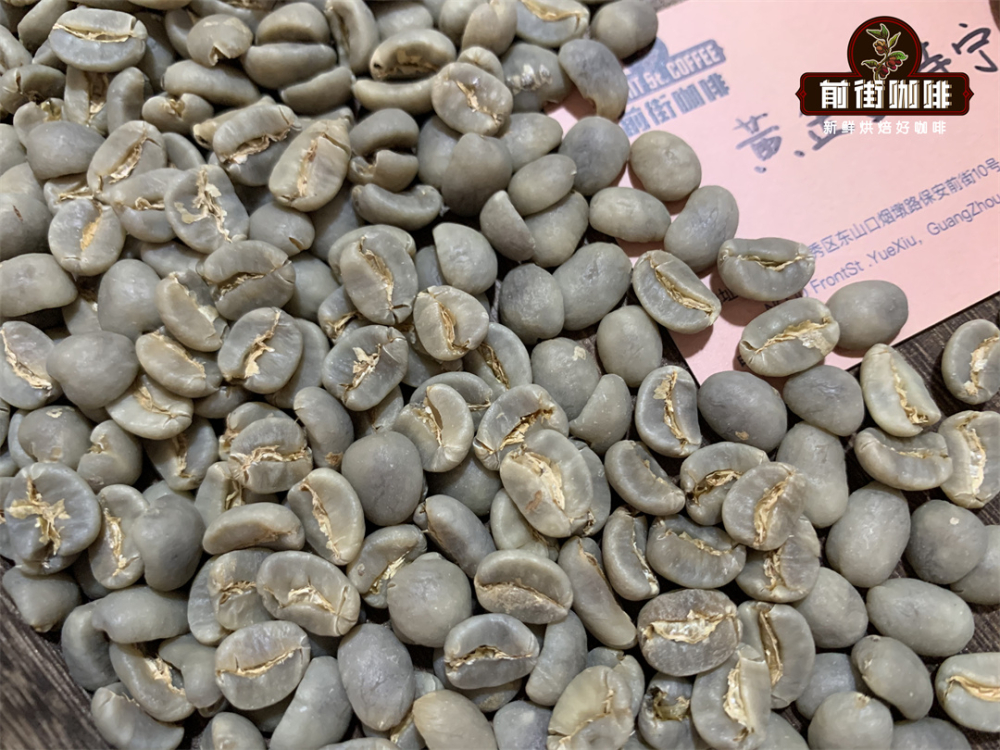
The most common processing methods for Indonesian coffee include natural (sun-dried), washed, and the most iconicwet-hulled method. Due to the humid and rainy climate, quick drying is essential, making washed and wet-hulled methods the preferred choices. The wet-hulled method is primarily popular in western Sumatra and is key to creating Mandheling’s bold character. This technique involves a short fermentation after removing the fruit skin and pulp, followed by the removal of part of the parchment layer, allowing the coffee beans to dry quickly under higher humidity, with moisture content controlled between 12-13%. This method often results in the bean developing a hoof-like crack, which is normal and also a unique hallmark of Mandheling. There is also an aged wet-hulled method, where processed beans are stored for 2–3 years, gradually transforming acidity into rich sugary notes, resulting in a thicker, more mature-aged Mandheling.
【The Diverse Profiles of Mandheling】
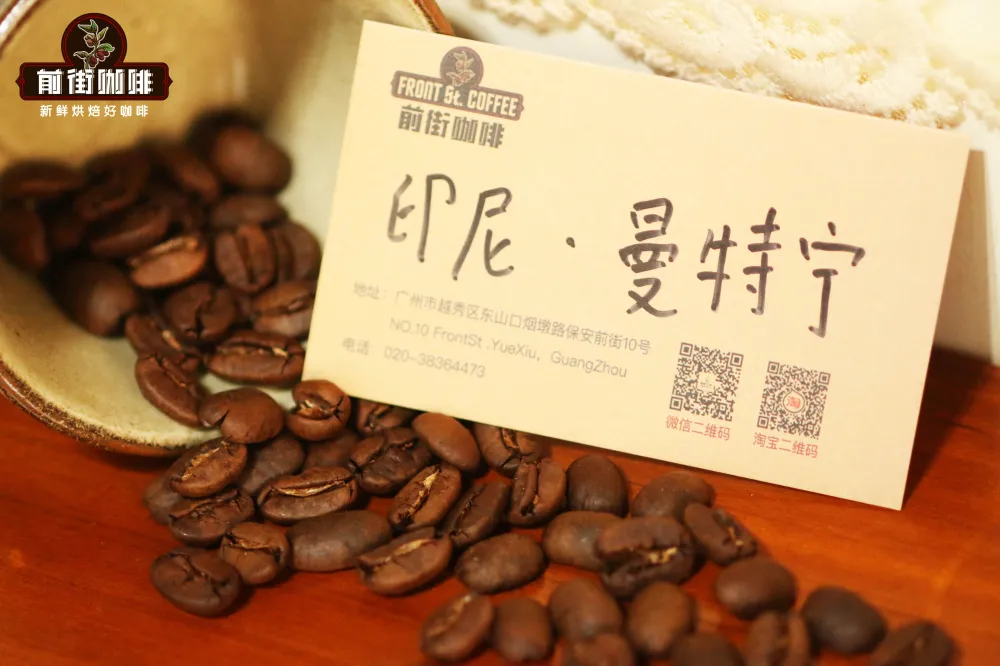
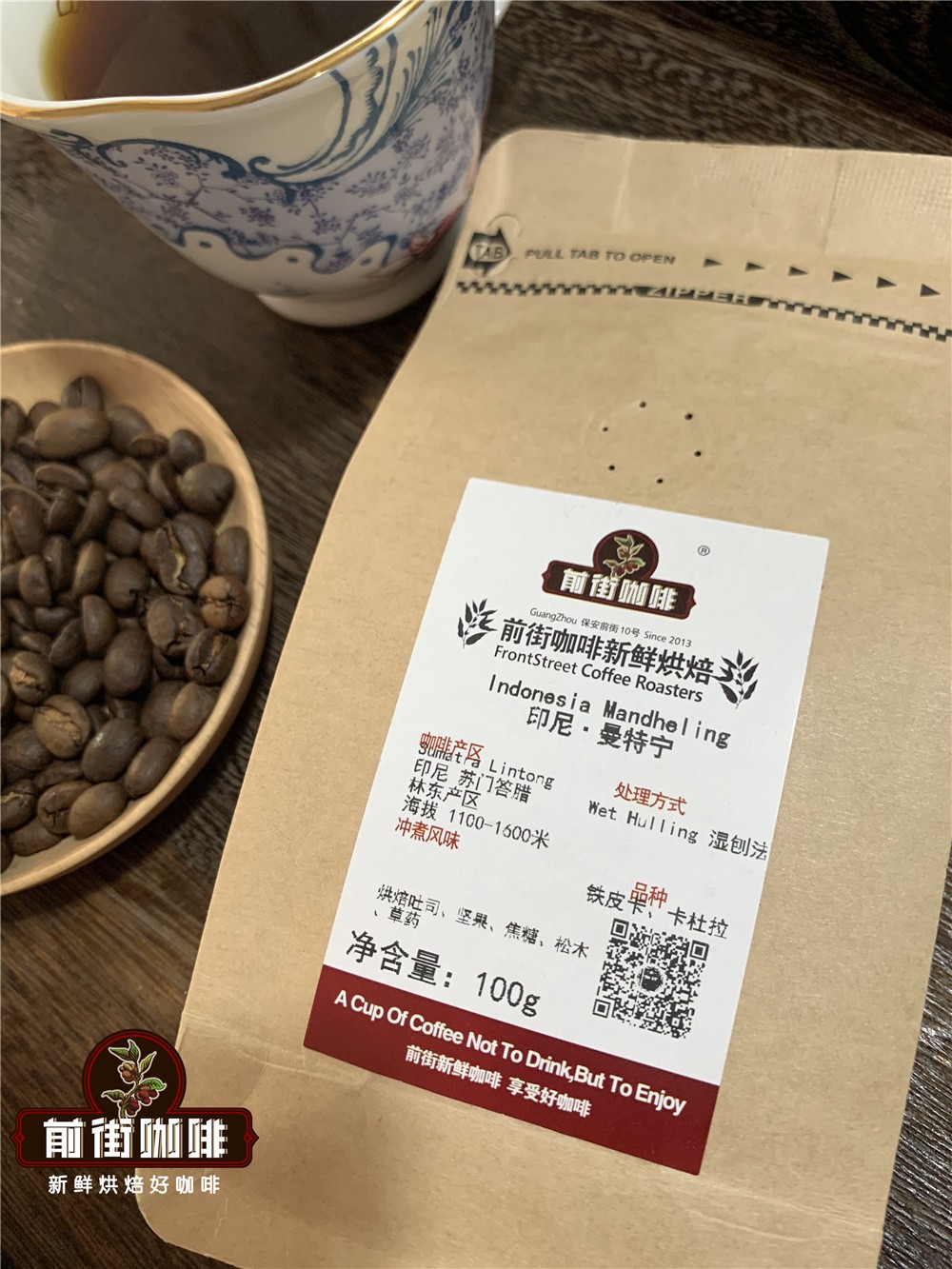
Mandheling is mainly produced around Lake Toba in northern Sumatra, including well-known varieties such as PWN Golden Mandheling, Lintong Mandheling, Tiger Mandheling, and Aged Mandheling. PWN Golden Mandheling is strictly selected, choosing only beans larger than 18 mesh and undergoing at least four rounds of manual sorting, offering a clean, bright, and full-bodied flavor; Lintong Mandheling showcases typical herbal and chocolate notes, suitable for everyday drinking; Tiger Mandheling emphasizes beans larger than seventeen mesh with a defect rate below 4%, featuring strong herbal and creamy aromas; Aged Mandheling, due to prolonged maturation, sees acidity decrease while sweetness and body increase, resulting in a deeper flavor profile.
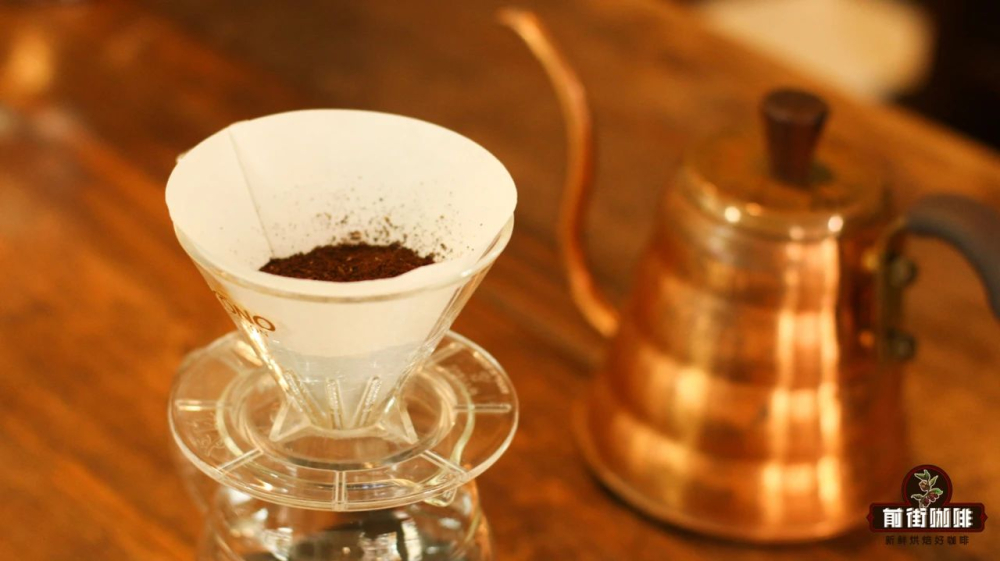
It is recommended to use aKono filter, with a water temperature of approximately88°C, a powder-to-water ratio of1:15, and a grind size ofBG#6W (medium-fine). Use a staged extraction method: start with 30 grams of water for a 30-second bloom, then pour in small streams until reaching 125 grams for the first pour, wait for the water level to drop, and continue pouring to 225 grams. Total extraction time is about2 minutes. Flavor notes commonly include nuts, spices, herbs, chocolate, and caramel, with an overall profile that is full-bodied and balanced.
【China Yunnan: Highland Flavors of the Small-Bean Variety】
Coffee cultivation in China is mainly distributed across Yunnan, Hainan, and Taiwan, with Yunnan being the most renowned. Located south of the Tropic of Cancer, Yunnan features a subtropical mountainous inland climate with fertile highland red soil, making it particularly suitable for growing small-bean (i.e., Arabica) coffee, especially the Catimor variety. Yunnan coffee is known for being rich yet not bitter, fragrant without being cloying, and slightly fruity. It received international market acclaim as early as the 1950s. Major producing areas include Lincang, Baoshan, Simao, Xishuangbanna, and Dehong, among which Baoshan is considered the best region for small-bean coffee cultivation due to its stable climate and almost frost-free environment.
Currently, about 70% of China’s coffee cultivation area and 83% of its production are concentrated in Yunnan, firmly establishing its leading domestic position. Local processing methods are becoming increasingly diverse, including natural, washed, and anaerobic processes, reflecting rich experimentation and market exploration.
Recommended pour-over parameters: use aKono filter,1:15 powder-to-water ratio,15 grams of coffee grounds, medium-fine grind. Staged extraction: 30 grams of water for a 30-second bloom, then pour in small streams until reaching 125 grams, then continue to 225 grams. Total time is about2 minutes. Flavor profile typically includes nutty aromas, with herbal, chocolate, and caramel notes on the palate, and a mild fruity acidity in the aftertaste, delivering an overall harmonious cup.
【Vietnam: The Domain of Robusta】
As Asia’s largest coffee-producing country, Vietnam’s coffee industry has been deeply influenced by French colonialism, with varieties predominantly consisting of Robusta, accounting for over 96% of its exports, mostly sourced from small farms. Vietnamese coffee is often rich, full-bodied, and carries a distinctive French-style character. While primarily used in commercial blends, it has also gradually expanded into the specialty market in recent years.
【India: Flavors Transformed by the Monsoon】
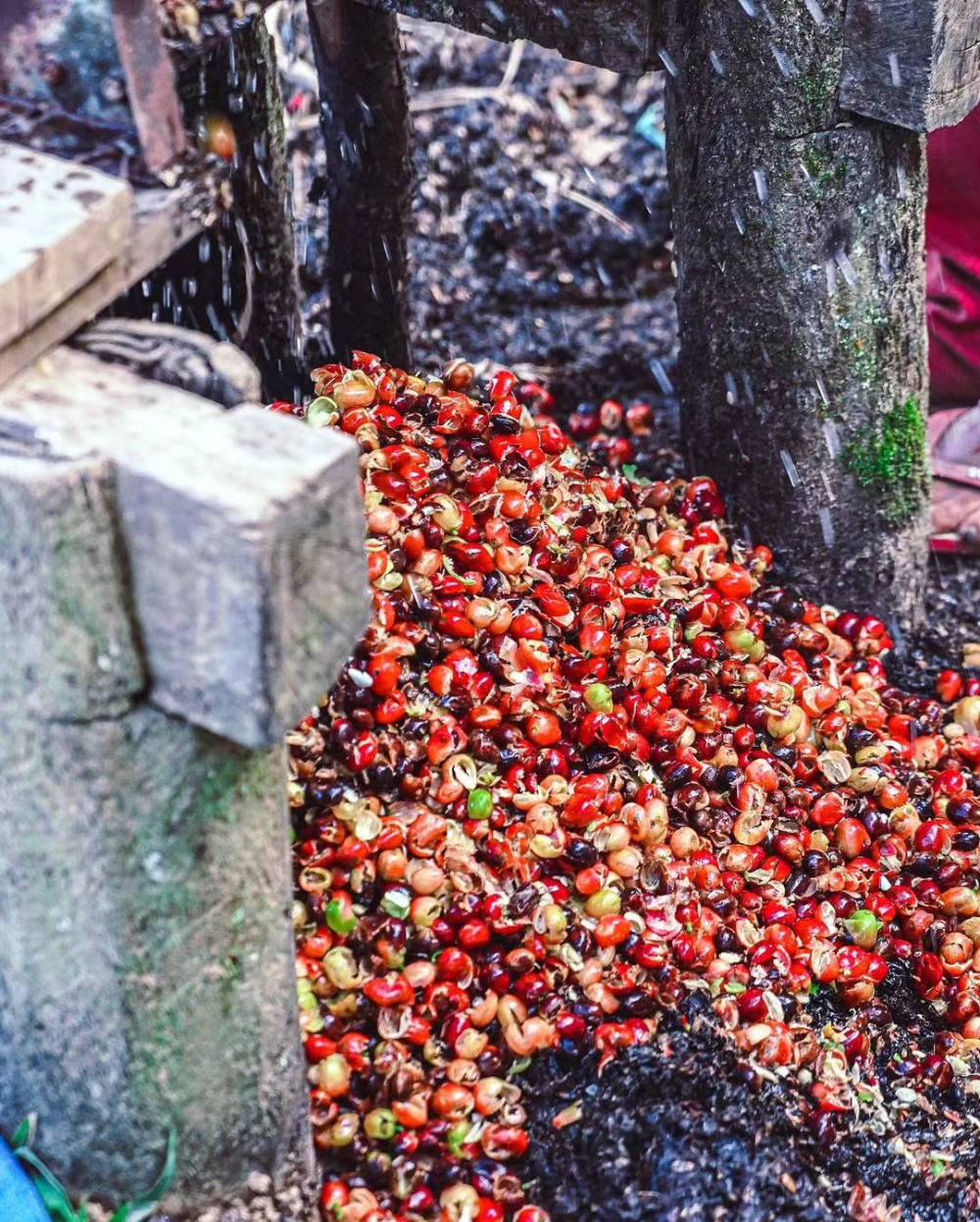
India’s coffee processing shares similarities with the aged processing of Indonesia’s Mandheling. The region’s famous monsoon processing method (also called monsooned processing) originated from the days of sailboat transport, during which coffee beans were exposed to high-humidity air for extended periods, resulting in changes in color and flavor. Today, this process is simulated by placing green beans in specially designed open spaces during the monsoon season from May to June, regularly turning them to ensure even absorption of humid air. Over about seven weeks, the beans change color and develop altered flavors, after which beans unaffected by the process are manually sorted out prior to export. This method imparts special characteristics to the coffee, such as caramel, raisin, and herbal aromas.
Recommended pour-over parameters: also use aKono filter,1:15 powder-to-water ratio,15 grams of coffee grounds, medium-fine grind. Staged extraction: 30 grams of water for a 30-second bloom, then pour in small streams until reaching 125 grams, then continue to 225 grams. Total time is about2 minutes. Common flavor notes include rich caramel, raisins, and herbal notes, with a lingering aftertaste featuring berry-like and genmaicha-like layers.
【Papua New Guinea: The Alpine Spirit of Bird of Paradise】
In Papua New Guinea, coffee is considered an important cash crop, with about 90% grown by smallholder farmers, supporting one-third of the country’s income. Local coffees are mostly processed using the washed method, resulting in rich flavors without earthy tones. A small portion uses the natural (sun-dried) method, showcasing more pronounced fruit characteristics. Smallholder estates such as PNG AA Sigri produce Arabica coffee known as “Bird of Paradise Coffee,” characterized by spicy notes and bright sweet-sour profiles, with complex flavor layers. Many of its varieties originate from Typica planted from Jamaica Blue Mountain and are referred to as the “Little Blue Mountain.”
Recommended pour-over settings: use aKono filter,1:15 powder-to-water ratio,15 grams of coffee grounds, medium-fine grind. Staged extraction: 30 grams of water for a 30-second bloom, then pour in small streams until reaching 125 grams, then continue to 225 grams. Total time is about2 minutes. Flavor description: layered and complex, with pronounced sweetness, bright acidity, and a unique spicy note in the finish, delivering an overall full-bodied and balanced cup.
The above content is compiled by CoffeeHunters, a coffee news website.


