







Introduction:Indonesian coffee is renowned for its rich herbal and spicy flavors, a key characteristic rooted in its unique wet-hulling process. This article provides an in-depth look at the seven-step Giling Basah method, the climatic reasons behind its adoption, and how this technique shapes the low-acid, full-bodied profile typical of Mandheling coffee. It also includes a recommended roast profile for Golden Mandheling and KONO filter brewing parameters to help coffee enthusiasts master the entire journey from green bean to cup.
Many coffee drinkers, upon first tasting Indonesian Golden Mandheling, often wonder why local beans are commonly processed using the wet-hulling method rather than the more widely seen washed or natural processes. In fact, this semi-washed technique, known as Giling Basah, is a practical solution developed by Indonesian coffee-growing regions based on local climate and resource conditions. This article will systematically break down the key aspects of the wet-hulling method—from definition and process to visual characteristics and flavor expression—and includes practical roasting and brewing recommendations for the popular PWN Golden Mandheling.
[Fundamental Differences Between Wet-Hulling and Washed Processing]
One common question is what fundamentally distinguishes the wet-hulling method from the washed process. The traditional washed method begins with fermenting the mucilage to remove it, then rinsing away residual substances with clean water, and finally drying the beans along with their parchment layer. In contrast, while the wet-hulling method also starts with water fermentation, it involves removing the parchment layer when the beans’ moisture content is reduced to 20%–35%—during the semi-dry stage—and only completes drying to a final 11% moisture level. This unique sequence of processing is precisely what gives Indonesian coffee its distinctive texture.
[Why Does Indonesia Choose the Wet-Hulling Process?]
The choice of processing method is often closely tied to environmental conditions. The natural method suits dry, hot, and water-scarce regions, while the washed process relies on ample water supply. Indonesia’s high-humidity, rainy tropical climate makes prolonged sun exposure difficult, making wet-hulling the most practical solution. The industry generally believes that this method not only overcomes climatic limitations but also unexpectedly produces a flavor profile that is bold, full-bodied, and distinctly herbal and spicy.
[A Step-by-Step Breakdown of the Wet-Hulling Process]
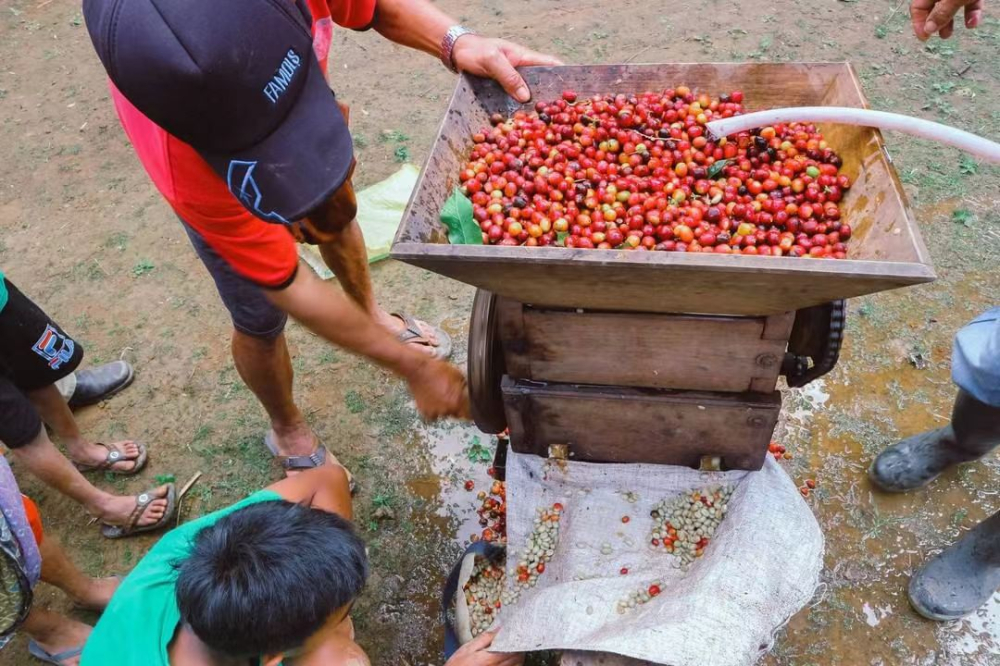
1. Husking and Pulping: Harvested coffee cherries must be processed immediately, usually by smallholder farmers at home, starting with the removal of the skin and some of the pulp.
2. Washing: The depulped beans are soaked for 1–2 hours, during which friction is used to remove residual mucilage.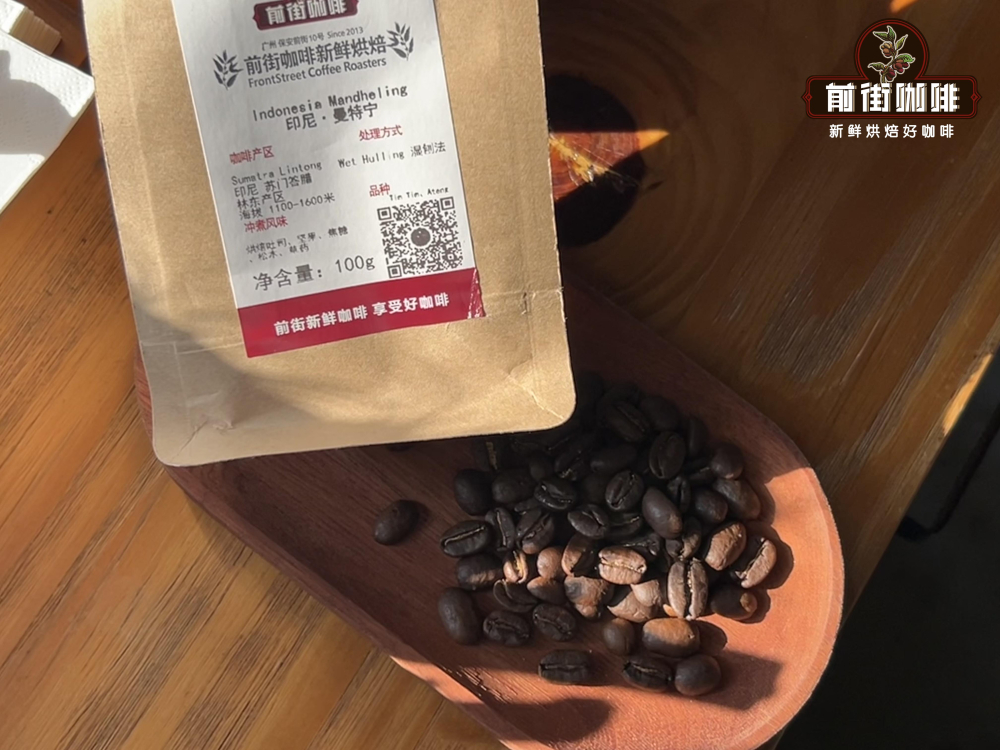
3. Initial Drying: Farmers dry the beans to a moisture level of 20%–35% to prepare them for subsequent processing.
4. Centralized Selling: The still-moist, sticky beans are transported to the market and purchased by processing mills.
5. Secondary Drying: The mills further reduce the moisture content to around 18%.
6. Wet Hulling (Milling): The critical step—when the moisture content is not yet stable, a specialized machine removes the parchment and mucilage layers. At this point, the beans, being semi-hard and semi-soft, are prone to pressure damage.
7. Final Drying and Storage: The beans are dried again to reach 11% moisture content, then bagged and prepared for export.
[The Unique “Goat Hoof” Shape]
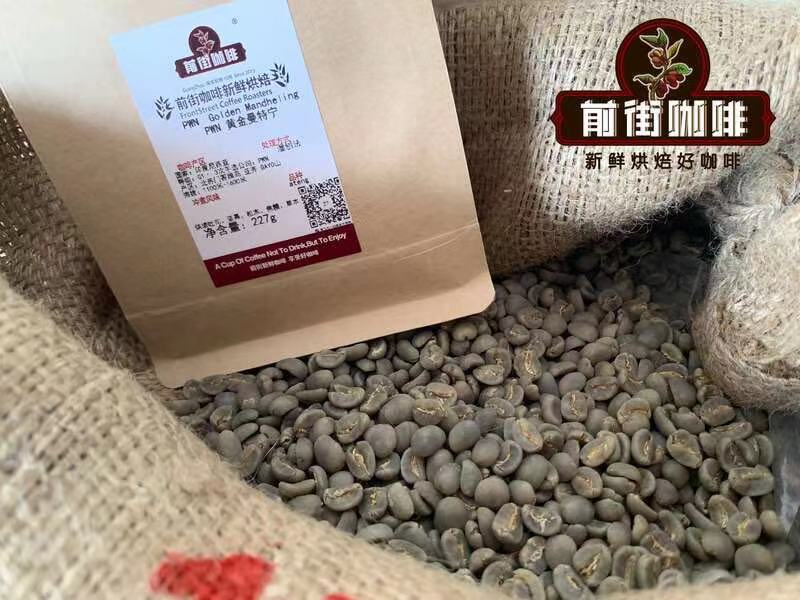
Processed Mandheling green beans often exhibit a distinct curved appearance, nicknamed “goat hoof beans” in the industry. This is caused by uneven pressure during the mechanical hulling of moist beans, leading to cracks that form a shape reminiscent of a goat’s hoof. It’s important to note that this phenomenon is a normal byproduct of the process and not considered a defect.
[Flavor Profile and Challenges]
Cupping tests have shown that wet-hulled Mandheling generally features low acidity, a full body, and pronounced herbal and spicy notes. Han Huai-zong once noted in his writings that this method “accidentally” creates a unique muted aromatic profile. However, some batches may show lower consistency in quality, typically due to variations in the raw bean quality itself rather than the processing technique alone.
[Golden Mandheling Practical Parameters]
Taking PWN-certified G1 grade beans from Gayo Mountain, Aceh, Sumatra, as an example—grown at altitudes of 1100–1600 meters, using the Ateng variety and wet-hulling processing—these beans produce the classic flavor profile. For roasting, it's important to account for the high moisture content: charge temperature at 200°C, initial pre-infusion for 30 seconds (with fan setting at 3), then gradually adjust until full fan opening after first crack (drop temperature at 204.5°C). For pour over, the KONO filter is recommended with a water temperature of 88°C and a 1:15 coffee-to-water ratio. Use pulsed pouring to enhance the full-bodied character, aiming to highlight a balanced profile of nuts, spices, chocolate, and caramel.
The above content is compiled by CoffeeHunters, a coffee news website.


