







Introduction:Colombian Rose Valley coffee is renowned for its distinctive flavors of peach, cranberry, fortified wine chocolate, and rose floral notes, attracting many coffee enthusiasts to give it a try. Where do these captivating flavors come from? Are they artificially flavored? This article delves into its growing environment, variety characteristics, and the popular anaerobic enzymatic washed processing method in recent years to uncover the true reasons behind the aromas, along with practical V60 pour over parameters to help you brew a well-balanced, sweet-and-acidic specialty coffee at home.
In the world of specialty coffee, Colombian Rose Valley coffee stands out as a dream brew for many enthusiasts with its vibrant fruitiness and enchanting layers of floral aroma. This coffee often exhibits the sweetness of peaches, the bright acidity of cranberries, the richness of fortified wine chocolate, and the delicate scent of roses, offering a rich yet harmonious flavor profile. But how exactly are these complex and alluring aromas formed? Is it really a "flavored bean" with added artificial fragrances?
The answer, of course, is no. The unique flavors of Colombian Rose Valley coffee primarily stem from its exceptional growing environment, carefully selected varieties, and innovative anaerobic enzymatic washed processing. It is the synergy of these factors that gives rise to this unforgettable coffee.
First, let’s take a look at its origin — the Santander region of Colombia. The altitude here ranges between 1,400 to 1,600 meters, classifying it as a high-altitude growing area with a cool climate and significant day-night temperature variation, making it highly suitable for coffee tree cultivation. In such high-altitude conditions, the ripening process of coffee cherries slows down, aiding the accumulation of flavor compounds and typically resulting in coffee with brighter acidity and richer aromas.
Additionally, the soil in this region is volcanic and rich in minerals, which plays a pivotal role in shaping the coffee’s flavor. In fact, in 2008, volcanic activity occurred in Huila Province in southern Colombia. Though it did not cause severe damage, a large amount of ejected ash and volcanic dust covered the surrounding coffee farms. This volcanic ash is rich in minerals beneficial to plant growth such as potassium, phosphorus, and calcium, which can promote the development of coffee tree root systems and thereby enhance both the quality and flavor expression of the coffee cherries. Many local coffee farmers believe that it is precisely because of this volcanic ash deposition that the overall quality of Colombian coffee has significantly improved in the following years, frequently achieving outstanding results in international competitions.
Beyond the environment and soil, the variety also plays a crucial role in flavor. Colombian Rose Valley is made from the Caturra variety, a classic Arabica type known for its bright acidity, good sweetness, and moderate body. Caturra is naturally suited to high-altitude cultivation, capable of showcasing clear berry notes and rich aromas, laying a solid foundation for subsequent processing and flavor development.
However, what truly sets Colombian Rose Valley coffee apart is its use ofanaerobic enzymatic washed processing. This is an innovative processing technique that has gradually gained popularity after 2014 and is considered one of the representatives of the so-called "fourth wave of coffee." Unlike traditional aerobic fermentation methods, anaerobic processing is carried out in an oxygen-free environment. By controlling oxygen exposure, microorganisms such as yeast and lactic acid bacteria act under specific conditions, producing a more diverse and complex array of aromatic compounds — including fruity, floral, lactic, and alcoholic notes.
During this processing, coffee cherries are first washed to remove defective beans, then the mucilage-covered beans are placed in a sealed anaerobic fermentation container with carbon dioxide injected to displace oxygen. In this environment, the rate of sugar fermentation slows down, the drop in pH becomes more gradual, and the overall fermentation time can be extended. This slow and controlled fermentation process allows the coffee to develop softer acidity, richer sweetness, and a more balanced overall flavor structure.
It’s worth noting that the enzymes used in anaerobic enzymatic washed processing are actually proteins naturally secreted by yeast during fermentation — entirely natural substances, not artificially added flavorings or enhancers. Therefore, this processing method not only enhances flavor but also preserves the purity and natural characteristics of the coffee itself.
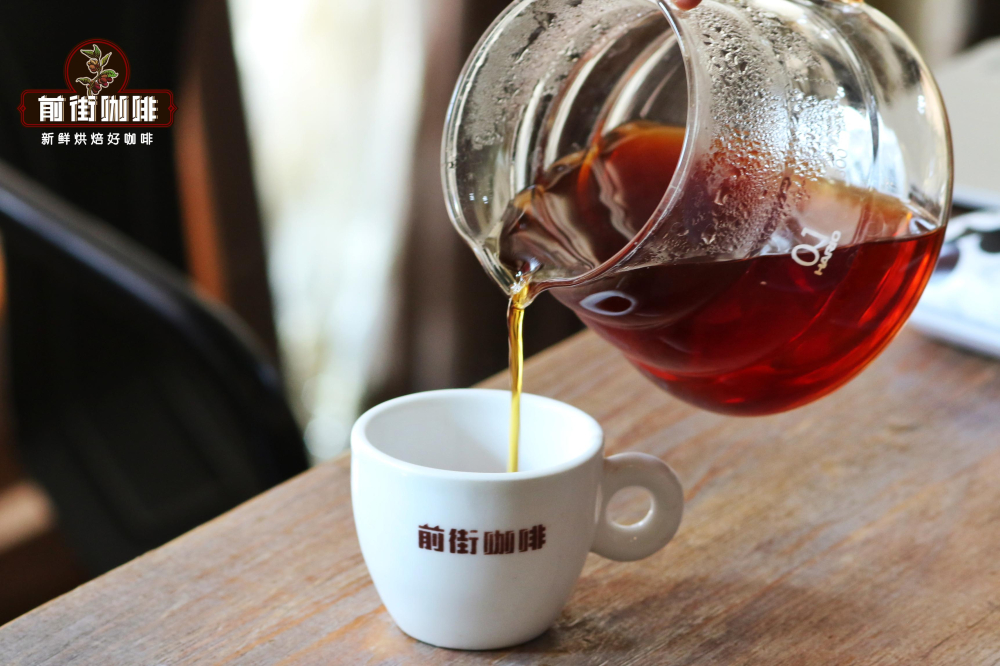
So, how can you brew this uniquely flavored Colombian Rose Valley coffee at home? To fully highlight its berry-like acidity and caramel sweetness, it is recommended to usea V60 filter conefor pour over, along withmedium-roastedbeans, which allow the coffee’s aromatic and flavor compounds to be more easily released.
The recommended brewing parameters are as follows: set the water temperature to90°C, use coffee grounds ground to a coarseness similar towhite sugar(approximately 75% passing rate through a Chinese Standard No. 20 sieve),with a coffee-to-water ratio of 1:15— that is, 225 grams of water for every 15 grams of coffee. A total of 15 grams of coffee is suggested, brewed usinga three-stage extraction method.
The specific steps are as follows: First, place the coffee grounds into the V60 filter cone, then pour hot water equal to twice the weight of the coffee (about 30 grams) for the bloom, letting it sit for about 30 seconds to allow the grounds to fully expand and release aroma. Next, pour water steadily and finely in small circles from the inside out. When the total water volume reaches 125 grams, pause pouring and let the coffee bed settle slightly. Finally, continue pouring with the same fine stream until you reach 225 grams total. The entire extraction process should be controlled to around 2 minutes. This brewing method balances sweetness and acidity, highlights the layers of flavor, and allows you to enjoy a café-quality cupping experience at home.
The above content is compiled by CoffeeHunters, a coffee news website.


