







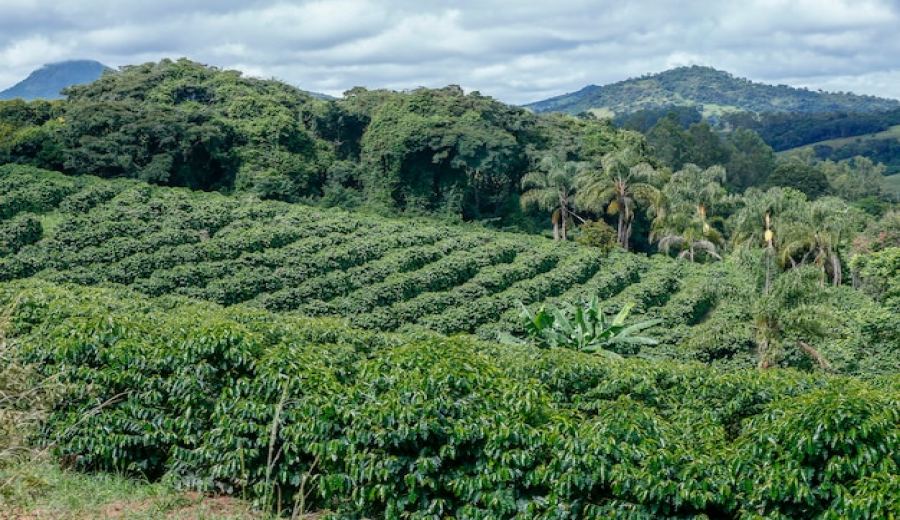
Introduction:Brazil is the world’s largest producer of Arabica coffee, known for its rich, low-acid profile with notes of chocolate and nuts. This article delves into Brazil’s three most representative coffee varieties—Red Bourbon, Yellow Bourbon, and Mundo Novo—analyzing their historical origins, flavor characteristics, and suitable brewing methods. Based on actual cupping experiences, it also provides hand brewing recommendations for medium-dark roasts to help you better understand the unique charm of Brazilian coffee.
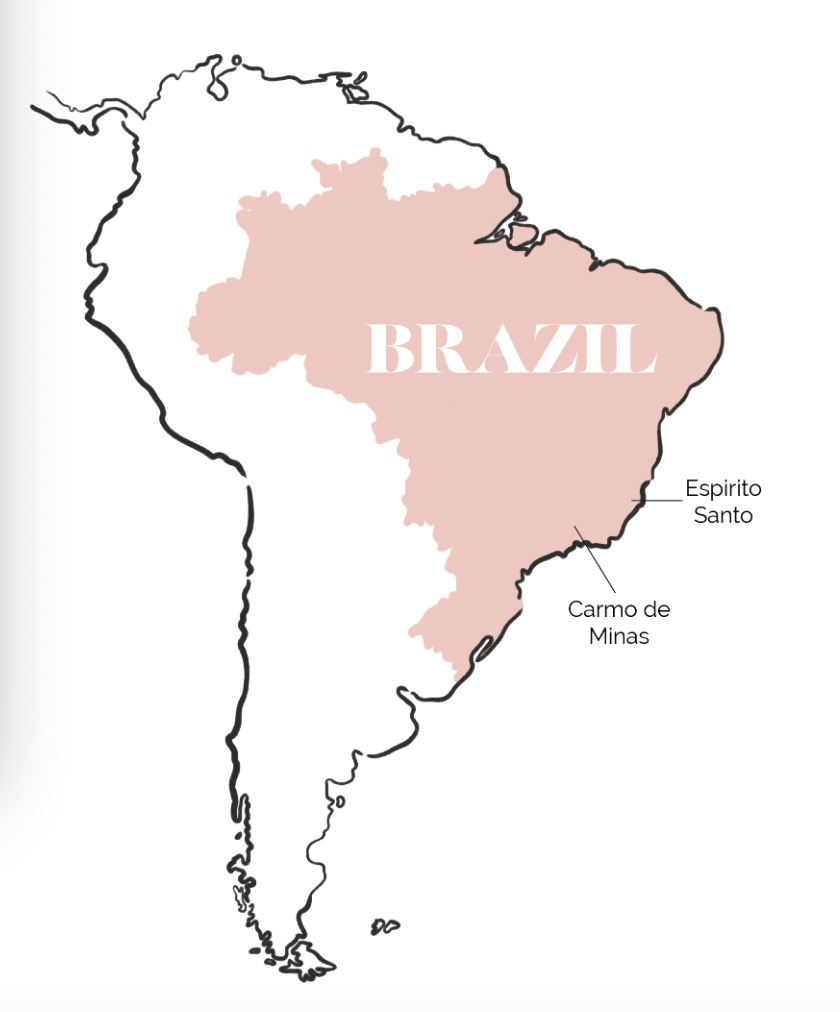
As the country with the highest production of Arabica coffee globally, Brazil not only holds a pivotal position in the commercial bean market, but its specialty coffee beans also have a profound impact on the global market. The ICE (International Coffee Organization) often uses Brazilian coffee prices as a key indicator when setting futures prices for Arabica coffee. Brazil’s coffee is primarily produced in four major regions: Minas Gerais, São Paulo, Bahia, and Espírito Santo, which together account for about 90% of the country’s total coffee exports.
Due to its predominantly plateau and gentle hilly terrain—with generally low altitudes—and relatively stable climate with few significant microclimatic variations, Brazilian coffee has developed a flavor profile distinct from other producing regions: low acidity, full body, and pronounced notes of nuts, caramel, and chocolate. These are the typical characteristics of what is known as “Brazilian soft beans.”
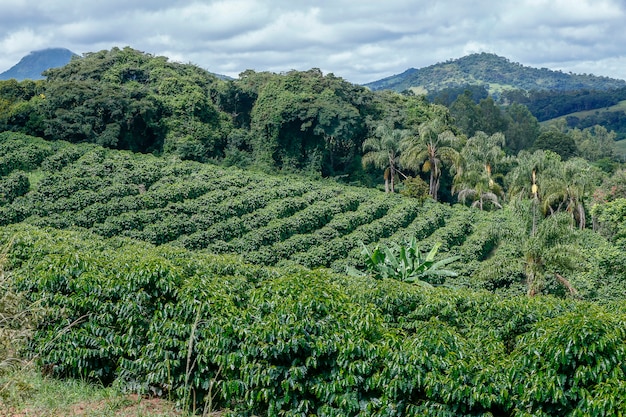
Among the many cultivated varieties, Red Bourbon, Yellow Bourbon, and Mundo Novo can be considered the three most representative and mainstream varieties in Brazil. Not only are they widely planted, but they are also often used to showcase the local flavors of Brazilian coffee. Below, we will detail the history, cupping flavor profiles, and key brewing considerations for these three varieties.
Red Bourbon Variety
Red Bourbon is a member of the Bourbon family, which originated from a natural mutation of the ancient Typica variety. It is also one of the most popular varieties in today’s global specialty coffee market. The term “Red Bourbon” refers to the bright red color of the coffee cherries when fully ripe, making it more distinguishable compared to other color mutations.
Based on actual cupping experience, Red Bourbon grown at around 1100 meters above sea level can often exhibit a richer aromatic complexity and brighter acidity, with prominent sweetness and sometimes even complex aftertastes reminiscent of red wine. In the high-altitude Cerrado region of Minas Gerais, Brazil, Red Bourbon performs particularly well.
Red Bourbon coffee processed using the pulped natural method, when medium-dark roasted appropriately, can release intense nutty aromas during brewing, accompanied by a soft lemony note. The mid-palate reveals a full-bodied sweetness, while the finish leaves a clear dark chocolate aftertaste. The overall mouthfeel is round and distinctly reflective of Brazil’s terroir.
Yellow Bourbon Variety
Yellow Bourbon is a unique color variant within the Bourbon family, characterized by its beautiful orange-yellow coffee cherries when ripe, rather than the typical red of other Bourbons—hence its name. This variety first gained attention in the Mogiana region of São Paulo, Brazil, and became a staple cultivar for many boutique coffee farms in the area.
The flavor profile of Yellow Bourbon is generally softer than that of Red Bourbon, with balanced and clean acidity, and a bright, refreshing quality. Its sweetness is pronounced, often presenting sugarcane juice, black tea, or ripe fruit-like sweet notes, along with delicate nutty and chocolate aromas. The bitterness is mild, resulting in an overall smooth and gentle mouthfeel, making it highly suitable for coffee drinkers who prefer low-acid, mellow flavors.
Take Fazenda Rainha, a renowned Brazilian estate known for its meticulous management and certifications such as BSCA and Utz, as an example. Their Yellow Bourbon coffee, produced through manual harvesting and carefully controlled drying processes, demonstrates high consistency and stability in quality. With a medium-dark roast, it highlights its distinct nutty and chocolate notes, along with soft fruit sweetness and a full-bodied mouthfeel.
Mundo Novo Variety
The Mundo Novo variety is a natural cross between Bourbon and Typica, first discovered in 1943 in the region of Trití-Mirim (now called Urupês) in São Paulo, Brazil. It quickly became one of the pillars of Brazil’s coffee industry. This variety is not only highly adaptable and stable in yield, but also offers respectable flavor performance, earning it the reputation as the “new hope of Brazilian coffee.”
Mundo Novo plants are robust and disease-resistant, making them well-suited to the environmental conditions of most Brazilian coffee-growing regions. Its cupping profile typically showcases a full body and moderate acidity, with chocolate and nutty notes, appealing to consumers who prefer stronger flavors. In Brazil, Mundo Novo is not only widely planted but was also exported to other South American countries, though it did not gain widespread popularity there due to adaptability or market factors.
How to Brew Brazilian Coffee for the Best Flavor?
To fully highlight the rich, low-acid profile of Brazilian coffee with its nutty and chocolatey notes, it is recommended to choose freshly roasted beans with a medium-dark roast level, and use a medium-coarse grind with slightly lower water temperature for brewing. This helps balance extraction, avoid over-extraction that leads to bitterness, and accentuate its sweetness and aroma.
In practice, the recommended brewing parameters are as follows: start with a 30-second bloom using 30 grams of hot water; then pour up to around 125 grams, and when the water level drops by half, continue pouring until reaching a total of 225 grams. Keep the total brew time around 2 minutes and 10 seconds. Using water at 90–92°C, paired with a medium-coarse grind (such as the medium-fine commonly used in pour over filters), can better bring out the mellow qualities of Brazilian coffee.
The above content is compiled by CoffeeHunters, a coffee news website.


