








Introduction:Want to easily brew rich-flavored, low-bitterness cold brew coffee at home? This article will delve into the characteristics of cold brew coffee, key brewing parameters including the ideal coffee-to-water ratio, grind size, and optimal steeping time, and analyze how it differs from hot brewed coffee. Additionally, we’ll share the historical origins of cold brew coffee and the types of coffee beans that suit it best, helping you go from beginner to expert and craft your own perfect iced coffee.
If you’re looking to enjoy a smooth, uniquely flavored iced coffee, cold brew is definitely your best bet. Compared to traditional pour over or hot brewing methods, cold brew’s low-temperature, long-steeping process effectively reduces bitterness while highlighting the coffee’s sweetness and layered aromas. This article starts with the basics of cold brew, then step-by-step explains each key part of home brewing — including how to choose the right coffee-to-water ratio, grind size, and steeping time — so you can get started easily and make professional-grade cold brew coffee.

What is Cold Brew Coffee?
Cold brew coffee is known in English as Cold Brew Coffee, and is also referred to as cold steeped coffee, ice-brewed coffee, or cold-brewed coffee. Its brewing method is very simple: just mix coarsely ground coffee powder with room temperature or iced water, let it steep for about 12 hours, then filter out the coffee grounds to get a cup of mild, low-stimulation cold brew coffee.
The biggest advantage of this brewing method is that there’s no need to control water temperature or use complicated pouring techniques — it’s perfect for those who want a simple process but still enjoy high-quality coffee. With just a sealed container, the right amount of coffee powder, and water, leave it overnight and the next day you can enjoy a rich-bodied, flavor-clear iced coffee.

Compared to high-temperature extraction, cold brew’s lower extraction temperature effectively suppresses the release of bitter substances, making it better at bringing out delicate flavors such as floral and fruity notes in the coffee. The final brew usually has a smoother mouthfeel and more pronounced sweetness, making it suitable for users who prefer a refreshing, low-acidity taste.
How to Make Cold Brew Coffee? Mastering Key Parameters
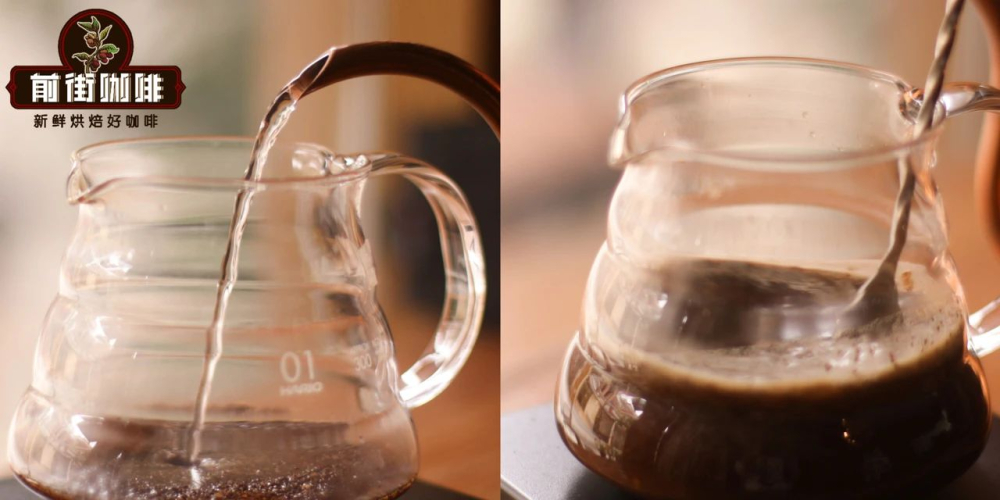
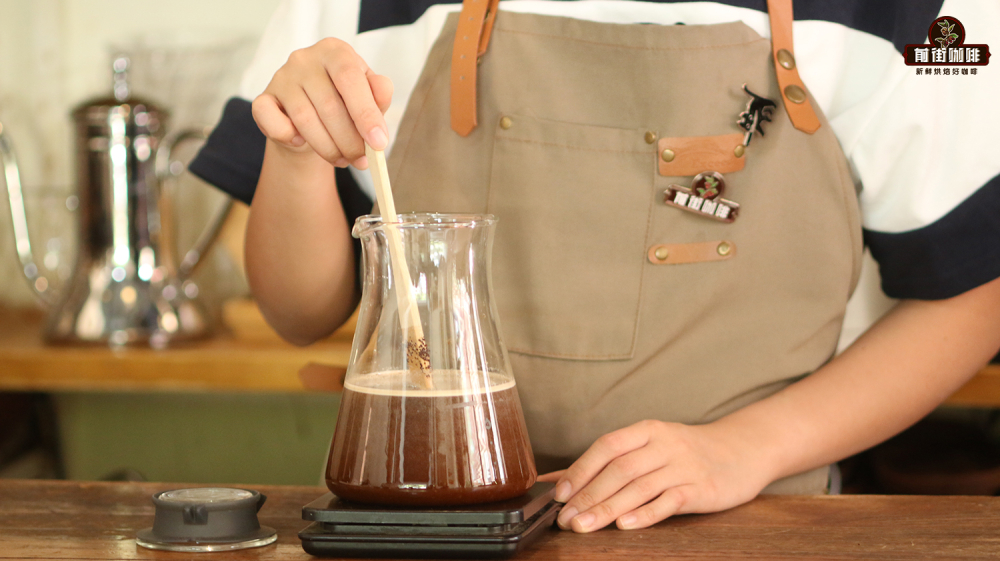
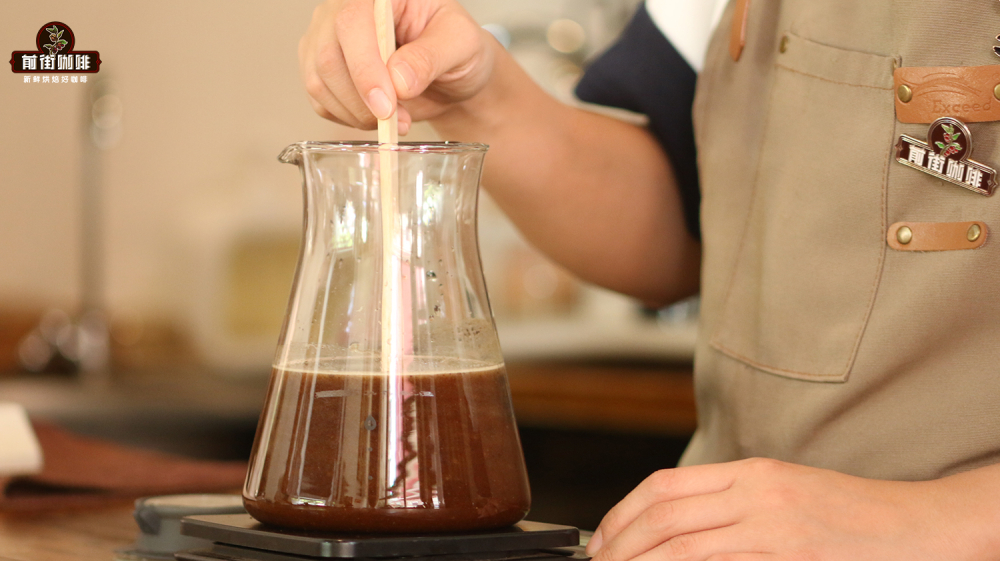
For making cold brew coffee at home, it is recommended to use a coffee-to-water ratio of 1:13. For example, using 40 grams of coffee powder with 520 grams of iced water(note: only use cold or iced water, not water with ice cubes), can achieve the best extraction results. After thoroughly mixing the coffee powder and iced water, it is recommended to stir evenly with a stirring stick or spoon, then place it in the refrigerator to steep for 12 to 24 hours, adjusting the time based on personal taste preference.
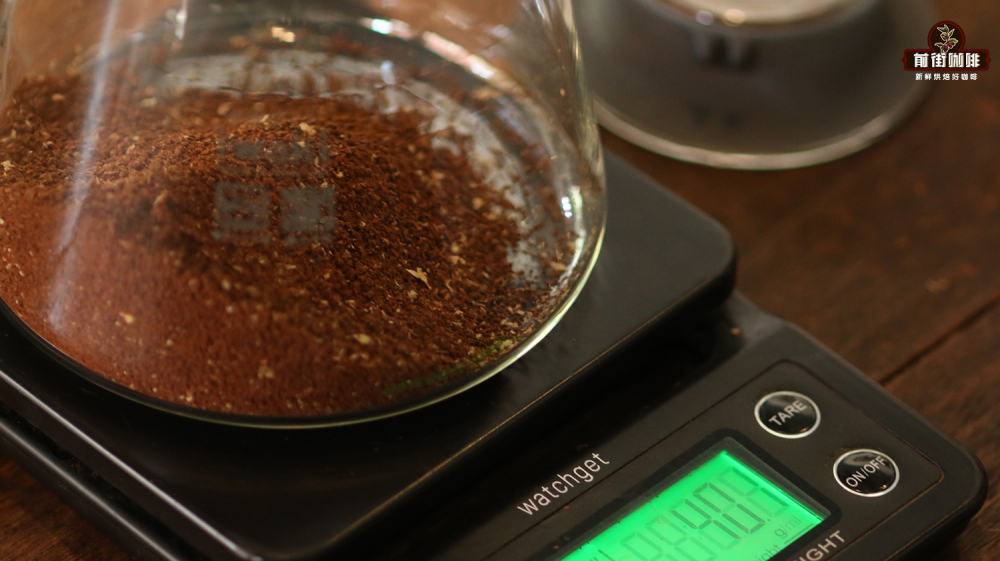
Regarding the grind size of the coffee powder, it is recommended to use a coarseness close tothat of fine sugar, which is a standard sieve 0.85mm with about 80% to 85% passing rate , indicating a coarse grind. This grind size helps ensure the water flows evenly through the coffee layer in the low-temperature extraction environment, avoiding over-extraction or uneven extraction.
If the coffee powder is ground too finely, it can easily lead to over-extraction, causing unnecessary off-flavors or even woody notes, affecting the overall flavor purity. At the same time, overly fine coffee powder is also prone to clumping during steeping, resulting in uneven extraction. Therefore, a slightly coarser grind is one of the keys to successful cold brew.
Brewing Process and Storage Recommendations
The steps for making cold brew coffee are actually very simple: prepare the right amount of coffee powder and iced water, mix them evenly, then place them in the refrigerator to steep. It is recommended to use a clean, oil-free sealed container of at least 600 milliliters or more, ensuring the coffee powder is fully immersed in the water. After steeping, carefully filter out the coffee grounds using filter paper or a fine mesh filter to enjoy freshly made cold brew coffee.
As for storage, it is recommended to consume within 72 hours after filteringto maintain the best flavor. Although cold brew coffee can be stored in the refrigerator for a longer time, over time it may gradually develop fermented flavors that affect the originally refreshing taste. If you prefer a stronger fermented flavor, you can try extending the storage time, but it is generally recommended to drink it within 2 to 3 days for the most balanced flavor profile.
When enjoying, you can add ice cubes according to personal preference. This not only maintains the cool feeling of the drink but also dilutes it to bring out richer layers and detailed flavors.
The Historical Origins of Cold Brew Coffee
Cold brew coffee is not a modern invention. It is said to date back to the 1600s in the Netherlands, where sailors, unable to access hot water, tried steeping coffee powder in cold water and unexpectedly discovered that this method could also produce tasty coffee. Over time, cold brew gradually became popular in Western countries, especially after the mid-19th century, when it spread widely around the world, including for military use.
It wasn’t until the 1960s that an American named Todd Simpson discovered and fell in love with local cold brew coffee in Peru, which led him to develop the Toddy Cold Brewing System. This system later became the foundational tool for many commercial brands, including Starbucks, in making cold brew coffee.
Recommended Coffee Beans for Cold Brew
Due to its low-temperature extraction characteristics, cold brew coffee can highlight the fruit acidity and sweetness in coffee, so it’s recommended to choose beans with distinct fruity, floral, or sweet characteristics, which can make the final product more layered and flavorful.
For example, sherry barrel-fermented coffee beans from Honduras often have noticeable wine, cream, and vanilla notes; while the Lipland variety, processed in brandy barrels, showcases intense lychee, dark chocolate, and cream aromas. In addition, Ethiopian Yirgacheffe beans, whether washed or sun-dried, are loved for their rich berry, citrus, and fermented aromas. Varieties such as Panama’s Geisha also suit cold brew due to their soft tea-like feel and floral notes.
In summary, cold brew coffee is a brewing method that is simple to make yet full of possibilities. As long as you master the coffee-to-water ratio, grind size, and steeping time, and choose the right coffee beans, you can easily enjoy a professional-grade iced coffee at home.
The above content is compiled by CoffeeHunters, a coffee news website.


