








Introduction:Yirgacheffe is an entry-level specialty coffee for many beginners, with its washed and natural processing methods offering distinctly different flavor experiences. This article delves into the characteristics and differences of these two processing methods, and provides detailed brewing parameters—including grind size, filter type, water temperature, and brew ratio—for two popular beans from a well-known shop: the washed Gedeo Cooperative Fruit Dingding and the natural Aletaland Red Cherry. These tips will help you easily extract either a bright and refreshing or richly sweet Yirgacheffe cup.
Yirgacheffe, a renowned coffee-growing region originating in Ethiopia, is almost the first stop for every coffee enthusiast entering the world of specialty coffee. The coffee from this area is famed for its unique fruity aromas and bright acidity, especially when processed via washed and natural methods, which showcase highly distinctive flavor profiles. This article will take you through the evolution of processing methods in the region, detailing how Yirgacheffe transitioned from traditional natural processing to modern washed methods, and then provide complete brewing parameters for two popular pour-over beans, allowing you to enjoy a professional-grade coffee experience at home.
Many people only realize how rich and diverse the coffee world is—far beyond simple bitterness—when they first taste a certain well-known shop’s Yirgacheffe. Originally part of a small zone within Ethiopia’s Sidamo region, this coffee stood out due to its exceptionally bright and delicate flavors, eventually becoming an independent region known globally as Yirgacheffe. Its most defining feature is that refreshing citrus and floral note, a unique charm bestowed by the washed processing method.
In the early days, Yirgacheffe was processed using the traditional natural method, where whole coffee cherries were directly sun-dried. However, limited by the technology and environment of the time, this approach often led to pulp residue and earthy off-flavors, resulting in highly inconsistent coffee quality. To address this, the Ethiopian government introduced modern washed processing techniques from Central and South America in 1972. By removing the pulp, fermenting, and rinsing with clean water, the washed method not only significantly improved the coffee’s cleanliness but also fully highlighted Yirgacheffe’s signature citrus and jasmine notes, making it a favorite among many coffee newcomers.
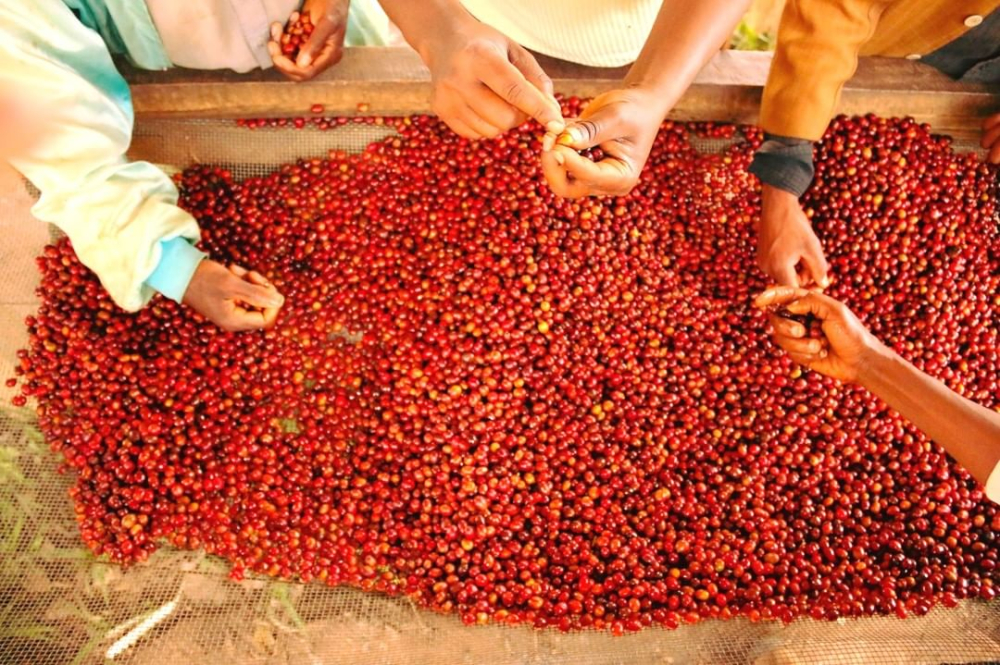
As washed processing became widespread, Yirgacheffe’s natural beans were once overlooked by the market. It wasn’t until a trader revisited and improved natural processing techniques—switching to African raised beds for drying while strictly controlling temperature and turnover frequency to prevent the beans from touching the ground or being overexposed to the sun. In 2006, his “Edido Natural Specialty Coffee Beans” quickly gained market acclaim, not only bringing back intense fermented fruit aromas but also emphasizing the unique sweet pulp sensation of natural processing, completely reshaping Yirgacheffe’s flavor map.
When facing these two vastly different Yirgacheffes—washed and natural—different brewing strategies are naturally required. Washed Yirgacheffe typically features bright acidity and fresh citrus-floral notes, benefiting from moderate water temperature and precise grind size to enhance its flexibility and layering. In contrast, the natural version excels in rich fruitiness and sweet taste, requiring slightly higher water temperature and shorter extraction time to lock in its full-bodied flavors.
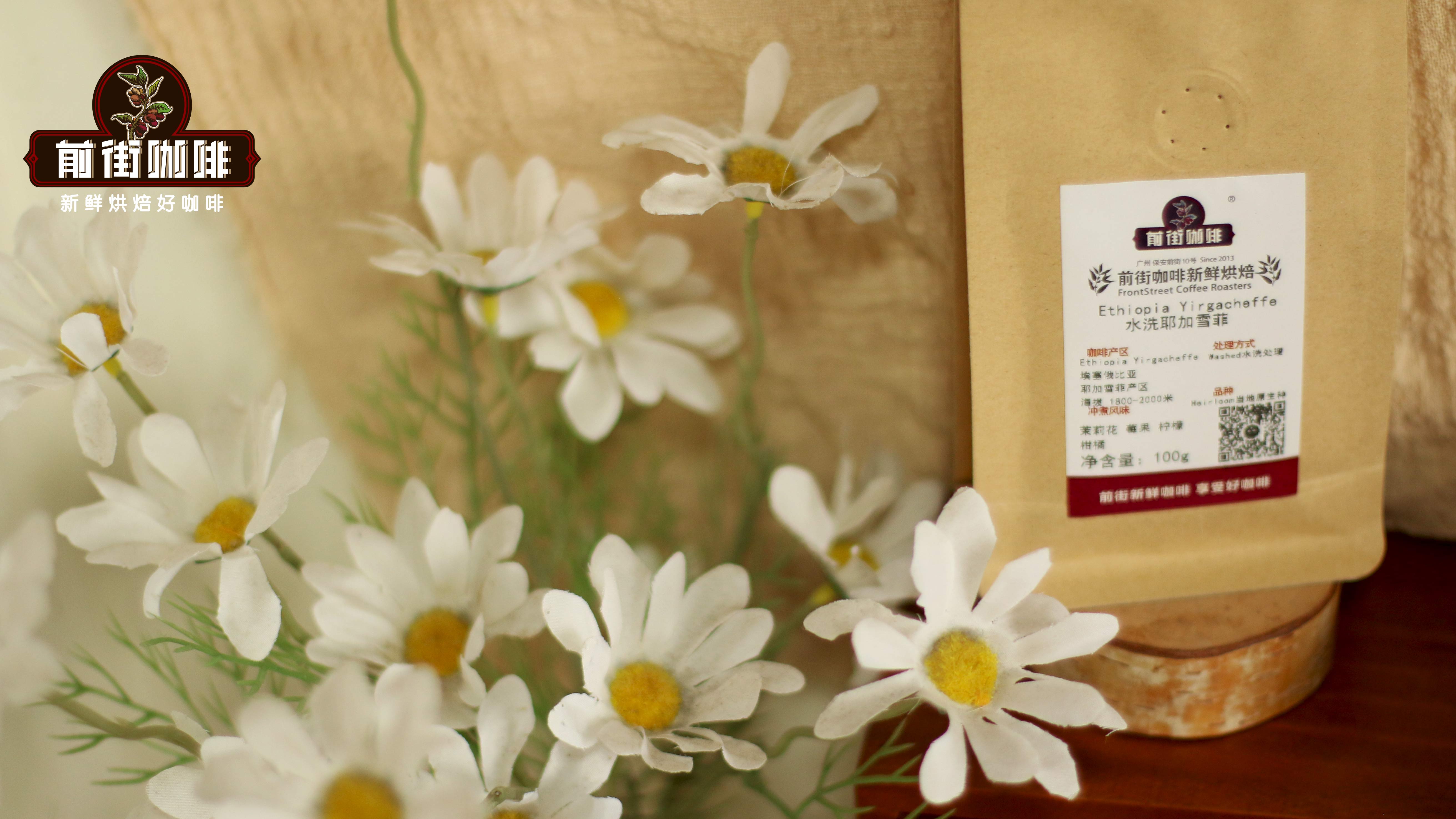
Take the medium-light roasted washed Yirgacheffe from the Gedeo Cooperative Fruit Dingding beans offered by a well-known shop as an example. This bean’s cupping profile is very typical: the dry fragrance carries distinct citrus and white floral notes. As the temperature changes, you can perceive a bright acidity dominated by citrus tones, accompanied by honey-like sweetness and delicate tea-like aftertaste. It is recommended to use a medium-fine grind (approximately 78% passing through a Chinese standard No. 20 sieve), paired with the classic V60 filter cone. Its unique spiral ridges promote gas release, making it easier for acidic aromatic compounds to be released. For pouring, a three-stage method is suggested, with water temperature between 90°C and 93°C—adjust based on your desired acidity level. For a bright and vibrant acidity, opt for 90°C–91°C; if you prefer a rounder acidity with a fuller body, go up to 92°C–93°C. The brew ratio is advised to be set at 1:16, helping to balance the fresh floral notes and honey sweetness without over-dilution.
Another popular choice is the medium-light roasted natural Yirgacheffe Aletaland Red Cherry Cooperative beans from the same well-known shop. This bean exhibits rich berry and ripe fruit acidity-sweetness during cupping, along with noticeable honey sweetness and a soft black tea aftertaste, offering a smooth mouthfeel and layered complexity. Although also brewed using a V60 filter cone and a medium-fine grind (approximately 80% passing through a No. 20 sieve), it is recommended to use the center-pour method, maintaining a stable water temperature of 91°C–92°C to fully activate the sweet pulp and rich juice flavors. The brew ratio can be adjusted to 1:15 to make the overall flavor more concentrated and robust, highlighting the natural process’s characteristic sweetness and full body.
In summary, whether you prefer the bright and refreshing washed Yirgacheffe or the richly sweet natural version, mastering the right grind size, filter selection, water temperature control, and brew ratio will allow you to easily brew a professional-grade specialty coffee experience at home. Remember, the charm of pour-over lies in the fine-tuning of details and exploration of flavors. Through continuous experimentation, you’ll better appreciate the diverse profiles of this classic origin.
The above content is compiled by CoffeeHunters, a coffee news website.


