








Introduction:Choosing coffee beans that suit your personal taste is the first step into the world of coffee. This article arranges seven representative types of coffee beans along an axis from highest to lowest acidity and from refreshing to rich flavors, including Ethiopian natural, Costa Rican black honey, Brazilian pulped natural, Indonesian wet-hulled, and classic Italian blends. It also explains the flavor characteristics, recommended brewing methods, and suitable audiences for each type, helping you find the one that suits you best.
Faced with the wide variety of coffee beans on the market, have you ever wondered how to choose the one that truly suits you? This article introduces seven representative types of coffee beans based on their flavor profiles, ranging from bright and acidic to rich and bitter, detailing their unique flavor profiles, recommended brewing methods, and suitable consumer groups. Whether you're a beginner or a coffee enthusiast looking for new flavors, you'll find something you love here.
This article begins with Ethiopian natural coffee, a type often characterized by bright fruit acidity and floral-fruity aromas, making it the top choice for those seeking a fresh and vibrant taste.Image location:
First up is Ethiopian natural coffee, represented by the Hambela flower, showcasing intense rose floral notes and a sweet-tart profile reminiscent of strawberries, with a tail often carrying brandy-like wine aromas. The overall fruitiness is pronounced, the acidity is lively, and the texture is light. This type of bean is perfect for consumers who enjoy fruity and refreshing flavors, but due to its higher acidity, it is not recommended for use with espresso machines or moka pots. Pour-over or filter brewing methods better highlight its delicate layers.
Next is Costa Rican black honey-processed coffee. These beans, thanks to the honey process that retains more mucilage, develop a sweet flavor profile after roasting that blends longan, grapes, and honey, while maintaining subtle floral notes. The mouthfeel is smooth and rich, with a clear aftertaste. This option is suitable for consumers who don’t prefer overly high acidity but still want to experience complex layers. It’s a well-balanced choice with sweet-and-sour harmony and a long-lasting finish.
The third type is Brazilian pulped natural coffee, represented by the Cerrado Red Bourbon, which leans toward a rich and mellow flavor profile of chocolate and nuts. It has very low acidity, with a warm and full-bodied mouthfeel, making it an ideal base for milk-based drinks or dessert-style coffees. This type of coffee bean is generally favored by drinkers who prefer low acidity and rich flavors, and it’s suitable for brewing with a moka pot or espresso machine.
Image location: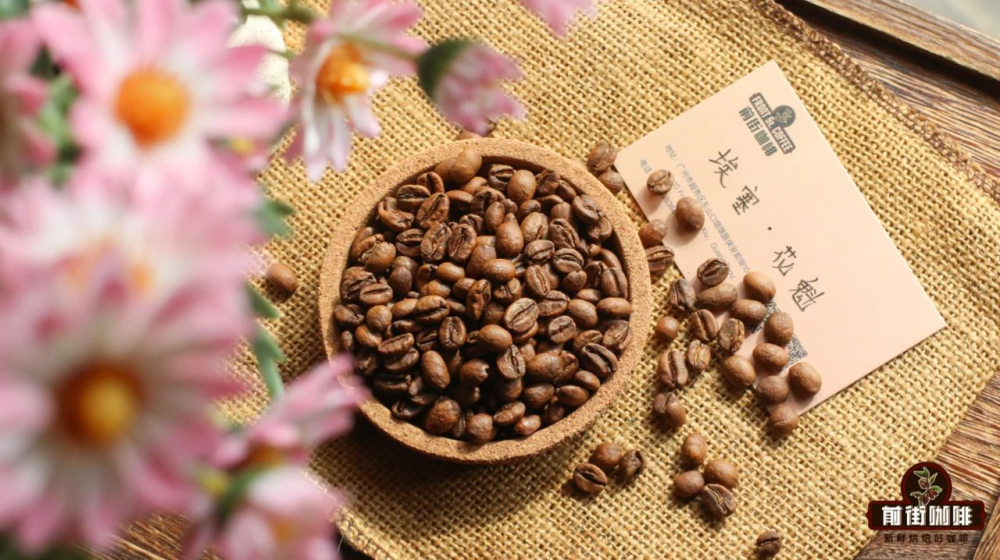
The fourth is the Indonesian wet-hulled Yellow Mandheling, a classic bean variety known for its thick and full-bodied mouthfeel. The herbal and earthy notes are relatively toned down, giving way to a sweet profile of dark chocolate and caramel. For consumers who completely avoid acidity and seek a bold black coffee experience, this is an excellent choice. This bean is often considered the finest among Mandheling varieties, with rich layers and a uniquely mysterious charm.
Moving into the realm of Italian blends, the first introduced is the strawberry candy-flavored blend. Designed specifically for milk coffee, this blend has low acidity and strong richness, which, when combined with milk, presents a smooth and mellow chocolate tone. It’s suitable for brewing with an espresso machine or moka pot, making it an ideal choice for milk coffee lovers.
The sixth is the classic Italian blend, a go-to for many coffee beginners or those seeking convenience. This blend offers balanced flavors, with a base of nuts and chocolate, neither acidic nor bitter, and a naturally sweet taste. It works well hot or cold, with or without milk, and is easy to enjoy. Suitable for various brewing methods and requiring almost no special skills, it’s a versatile option for both beginners and everyday drinking.Image location: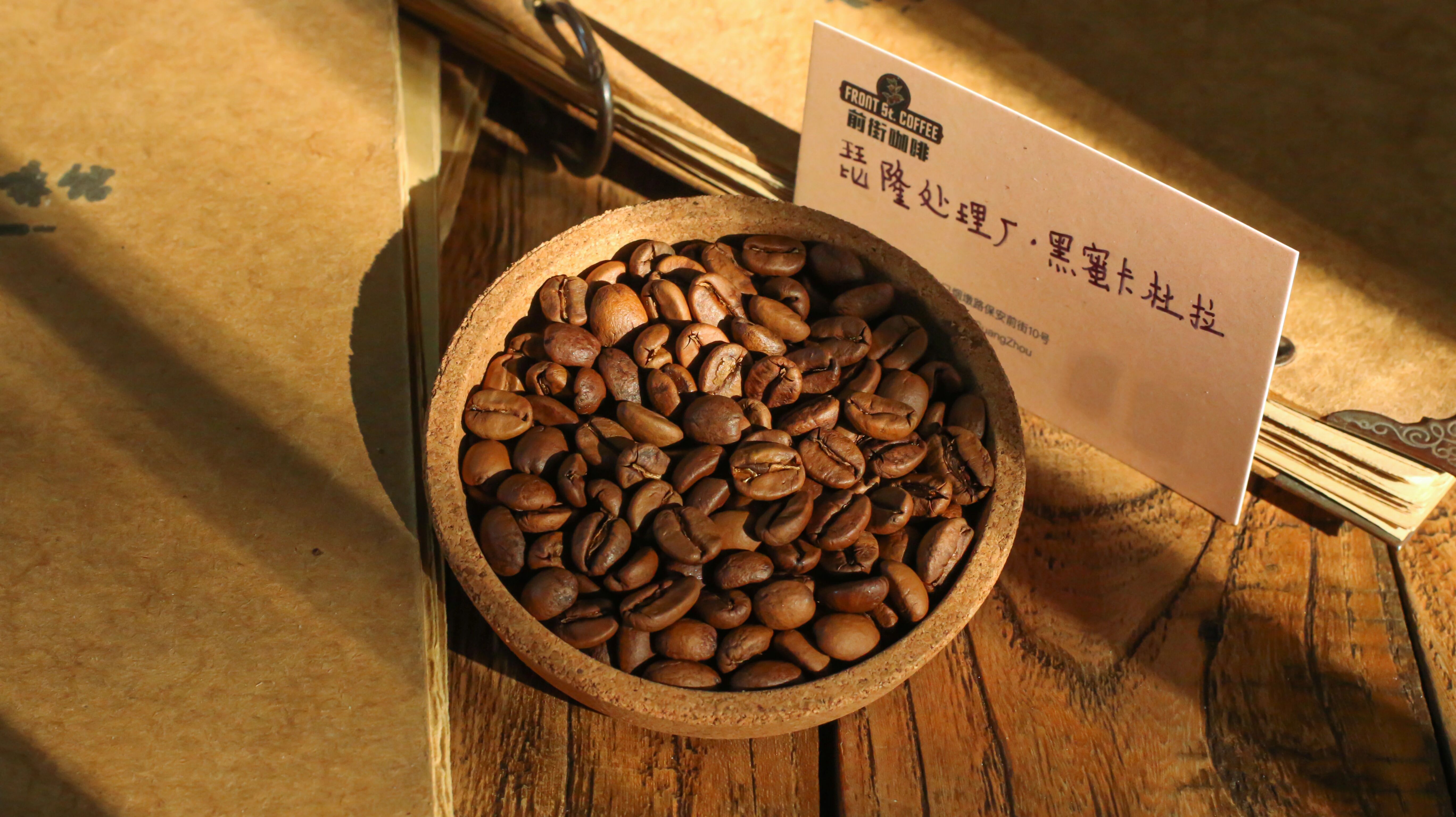
Finally, we introduce the Geisha coffee bean, which often features prominent fermented flavors, such as the intense fruitiness of passionfruit, grapes, apricots, and citrus, with a tail that carries the aftertaste of fruity sweet wine, alongside a hint of chocolate-like sweetness. This type is particularly suitable for consumers who love iced coffee, cold brew, or fermented-style flavors, serving as a window to explore innovative taste profiles.
Through this coffee bean flavor map ranging from acidity to bitterness, and from freshness to richness, you can quickly identify the most suitable coffee type based on your own taste preferences. Whether you’re a pour-over enthusiast, a milk coffee lover, or just starting your journey into the world of coffee, this guide can help you establish your own personalized coffee flavor map.
The above content is compiled by CoffeeHunters, a coffee news website.


