








Introduction:Ristretto is a more concentrated and flavor-focused style of espresso compared to traditional espresso, making it ideal for coffee lovers who enjoy intense and deep-tasting beverages. This article delves into the definition of Ristretto, how it differs from espresso, and provides two practical extraction methods. It also recommends two blends well-suited for making Ristretto, helping you master the key techniques and flavor characteristics of this refined small cup of coffee.
Ristretto, commonly translated in Chinese as 芮斯崔朵咖啡 (Ruisicuiduo Coffee), 意式特濃咖啡 (Yìshì tènóng kāfēi), or 精粹濃縮咖啡 (Jīngcuì nóngsuō kāfēi), shares the same origin as the familiar espresso but delivers a distinctly different flavor profile. Compared to standard espresso, Ristretto has a more intense and concentrated flavor with a stronger kick, making it a classic that many coffee enthusiasts shouldn’t miss.
So, how exactly is Ristretto made? Simply put, it’s a version where only the “first half” of the espresso extraction is taken. A regular espresso shot is typically about 30 ml, while a Ristretto is only the first half, usually around 15–20 ml, with a correspondingly shorter extraction time. As a result, the flavors are richer, sweetness and acidity more focused, while bitterness and unwanted flavors are reduced—making it a small cup of coffee that demands technical precision and attention to detail.

To successfully brew high-quality Ristretto, choosing the right beans is crucial. It is recommended to use freshly roasted medium to dark roast coffee beans. The reason is that light-roast beans struggle to release enough oils and flavors under short, high-pressure extractions, often resulting in a thin-tasting cup; and stale beans will also have significantly diminished aroma. Additionally, blends tend to have more balanced flavor layers, generally performing better under the high-pressure environment of an espresso machine, contributing to a more stable extraction.
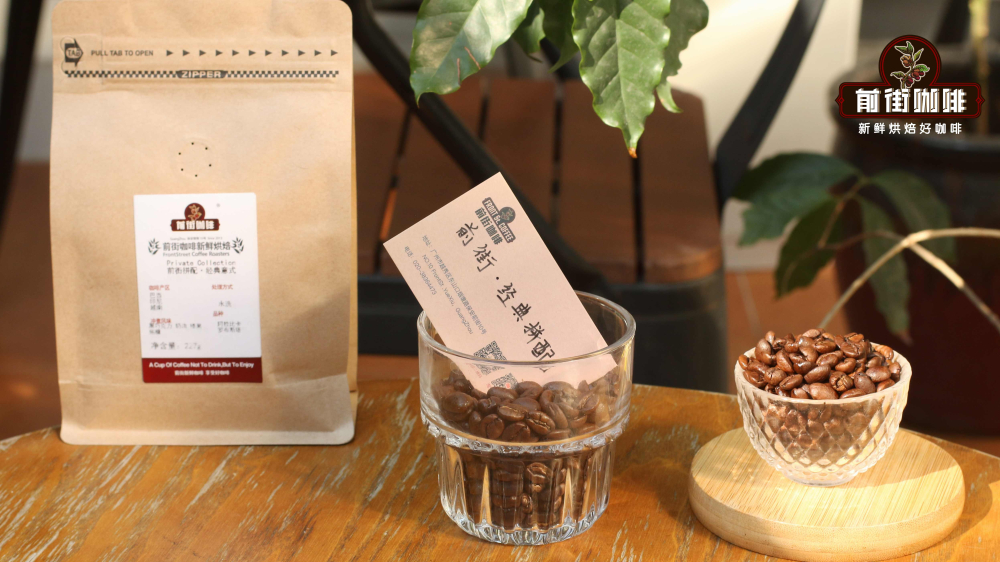
If you prefer a rich, smooth texture with plenty of crema, consider using a classic blend coffee bean. This bean is medium to dark roasted and combines various processing methods such as semi-washed, wet-hulled, and washed, delivering a complex flavor profile of dark chocolate, hazelnut, butter, caramel, and almond—an excellent base for Ristretto.
If you’re looking for a balance between value and overall flavor harmony, the Dark Cocoa blend is also a great choice. This medium to dark roast bean, processed through washed and semi-sunny drying methods, showcases notes of nuts, chocolate, brown sugar, and a subtle tea-like finish. It's ideal for users on a budget who still want to experience the charm of Ristretto.
The name Ristretto actually comes from the Italian word meaning “restricted,” which perfectly reflects its brewing philosophy—restricting both the volume and time of extraction during the standard espresso process, taking only the most essential first part. Currently, there are two mainstream methods for making Ristretto, both of which require adjustments based on standard espresso extraction parameters. The following reference espresso extraction method uses 20 grams of coffee grounds to produce 40 grams of espresso, with a total extraction time of about 27 seconds.
Method One: Without adjusting grind size or coffee dose, only reduce extraction time and output. Specifically, use 20 grams of coffee grounds and extract 27 grams of coffee in 20 seconds. This preserves the richest essence from the initial extraction phase, while avoiding the off-flavors and bitterness caused by over-extraction.
Method Two: Adjust the grind size by grinding the coffee finer. Still using 20 grams of coffee, extract 27 grams of coffee in 27 seconds. This method allows for greater control over extraction pressure and flow rate, but requires more precise adjustment of grind coarseness—otherwise, over-extraction is likely.
For most coffee shops or home users, Method One is recommended due to its simplicity, stability, and the fact that it doesn’t require frequent grinder adjustments.
Visually, Ristretto has noticeably less liquid than espresso, and its crema is darker in color and denser in texture. Since only the initial phase is extracted, Ristretto is more concentrated, with sharper flavors—acidity and berry-like notes are more pronounced, accompanied by distinct notes of wine and caramel. Interestingly, its total caffeine content is slightly lower than that of standard espresso.
Although Ristretto is also not commonly consumed on its own, it serves as an excellent base for many classic coffee drinks, especially Flat White. Due to Ristretto’s inherently bold flavors, when combined with milk, it highlights the essential aromatic qualities of the coffee more clearly, while enhancing the overall drink’s texture and smoothness—making it a must-try combination for advanced coffee drinkers.
The above content is compiled by CoffeeHunters, a coffee news website.


