







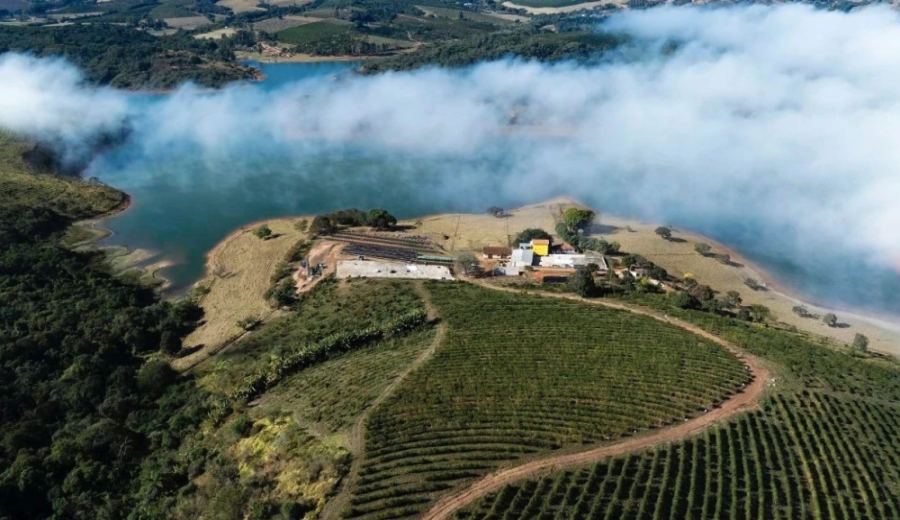
Introduction:Want to explore the flavor essence and cultivation secrets of fine Brazilian coffee? This article takes you deep into the three high-altitude regions of South Minas, Cerrado, and Mogiana, analyzing the unique variety characteristics of Yellow Bourbon from Fazenda Rainha, and detailing how the pulped natural processing method enhances the coffee’s sweetness and cleanliness. It also provides practical pour over parameters and flavor descriptions, making it a comprehensive guide for coffee enthusiasts new to Brazilian beans.
As the world’s largest producer of Arabica coffee, Brazil not only supplies the vast majority of commercial-grade beans in the market but also cultivates many high-quality specialty coffees. Its production fluctuations often influence the price trends of international coffee futures, especially the main inventory at the ICE coffee futures exchange, which largely comes from this South American country. If you want to delve into the charm of Brazilian coffee, start with its most representative specialty regions and the Yellow Bourbon variety.
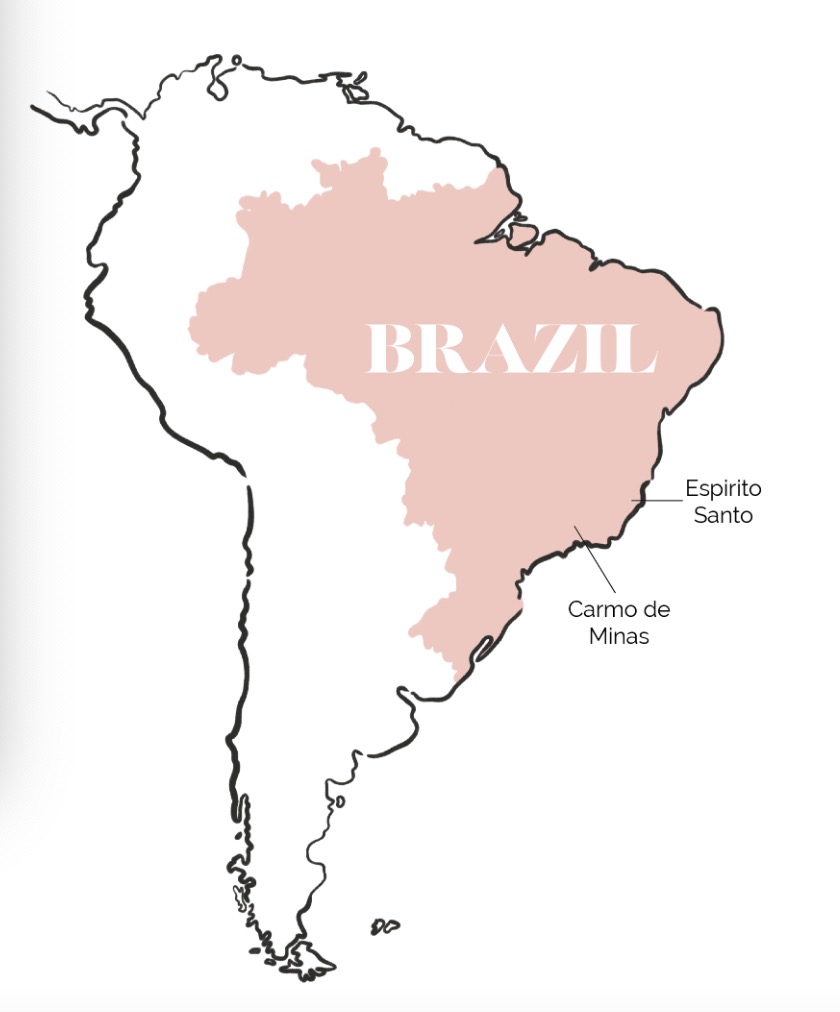
Brazil has over 300,000 coffee plantations, spread across 1,950 municipalities (source: Mello 2012). Among them, Minas Gerais is the largest contributor, accounting for about 50% of the national total output. This is thanks to the region’s vast mountainous terrain, suitable microclimate, and relatively low land and labor costs. Specialty coffee is mainly concentrated in four core regions: Minas Gerais, São Paulo, Bahia, and Espírito Santo, which together account for 90% of the country’s coffee exports.
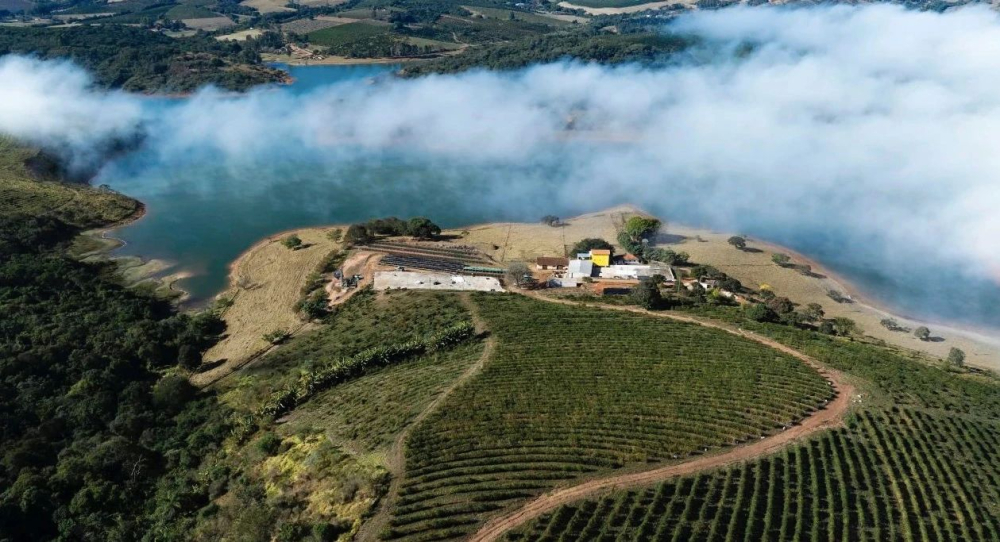
Within Minas Gerais, South Minas is a standout hub for specialty coffee. The region has an average altitude of about 1,100 meters, an annual average temperature of around 22°C, significant day-night temperature variations, and distinct dry and wet seasons, creating diverse microclimates. Such conditions are particularly suitable for varieties like Bourbon and Yellow Bourbon, which are highly responsive to terroir. Commonly cultivated varieties in the area also include Catuai, Mundo Novo, and Icatu. Cupping observations show that coffees from this region often exhibit a rich body with subtle citrus acidity and clear fruit aromas.
The Cerrado region, though sharing a name with the savanna, can only be called "Cerrado coffee" if grown at altitudes between 1,100 and 1,300 meters. This area is known for its fertile soil and stable climate, making it one of the important sources of specialty Brazilian coffee. Its main cultivated varieties are also Catuai and Mundo Novo. Cupping results indicate that Cerrado coffee typically exudes intense nutty, caramel, and chocolatey sweetness. If you prefer Brazilian beans with a smooth mouthfeel, pronounced sweetness, and great value, the pulped natural Red Bourbon from Cerrado is an excellent choice.
The Mogiana region is geographically close to South Minas, with equally diverse terrain and ecosystems where coffee trees often grow alongside shrubs and grasslands. The area features both traditional large farms and modern smallholder estates, combining traditional wisdom with modern techniques to produce beans with delicate flavors. The main cultivated varieties are also Catuai and Mundo Novo. In cuppings, Mogiana coffee often displays prominent nutty aromas and a sugarcane-like sweetness. The Yellow Bourbon from Fazenda Rainha (Queen Estate) in this region, processed using the pulped natural method, showcases a highly distinctive flavor profile.
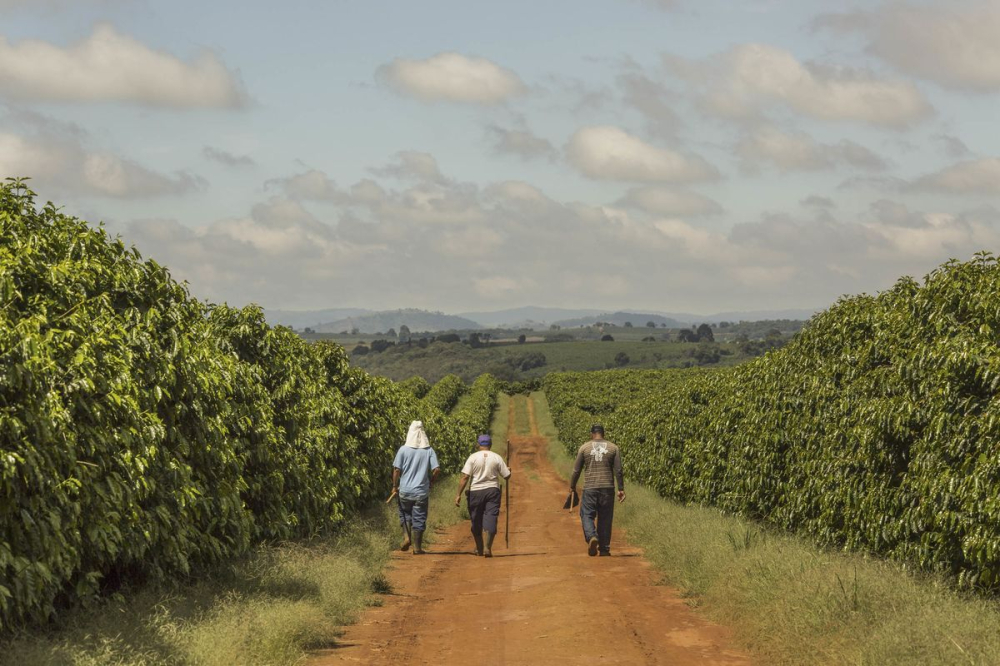
Fazenda Rainha is managed by agricultural engineer José Renato G. Dias, covering a total area of 280 hectares, with 200 hectares dedicated to cultivating varieties such as Yellow Bourbon, Catuai, Yellow Catuai, Mundo Novo, and Acaiá. The estate holds both BSCA and Utz certifications, ensuring rigorous quality management. During harvesting, workers use handheld mechanical equipment and handpick the cherries on cloths to prevent them from touching the ground. After depulping, the beans are spread out in the courtyard to sun-dry until their moisture content drops to 11%. The beans are then stored in wooden silos to ensure stable and consistent flavor.
When it comes to Brazilian coffee varieties, the Bourbon group is one of the most common and representative. Bourbon is an ancient variety derived from Typica, with green fruits turning red upon maturity—hence the commonly seen Red Bourbon. Yellow Bourbon, on the other hand, is a unique variety from São Paulo, Brazil, named for its beautiful orange-yellow ripe fruits. When grown at high altitudes, Yellow Bourbon often exhibits richer flavor layers, including intense nutty and chocolate notes, gentle and balanced acidity, low bitterness, and a clean profile, delivering a bright and refreshing overall impression.
As for processing methods, Brazil primarily used traditional natural (dry) processing before the 1990s, but due to unstable weather, it often led to uneven fermentation or moldy flavors. To address this, Brazil developed the pulped natural process (also called semi-washed), which removes the outer skin and part of the fruit pulp from the coffee cherry before sun-drying the mucilage-covered seeds. This method significantly shortens processing time while reducing reliance on weather. The typical process involves first reducing moisture content to 20%–25%, then mechanically assisting it down to 10%–14%, not only enhancing sweetness but also resulting in a more intact and aesthetically pleasing bean appearance with fewer defects.
So, how do you brew Brazilian coffee to bring out its best flavors? We recommend using a Kono filter, with water temperature controlled at 88°C, a coffee dose of about 15 grams, a 1:15 coffee-to-water ratio, and a medium-fine grind (70%–75% through a 20-mesh sieve by Chinese standards). The specific steps are as follows: Start with a 30-second bloom using 30 grams of water, then pour in small circles until reaching 125 grams for the first pour; after the water level drops, pour again up to 225 grams, and finally remove the filter just before the water level exposes the coffee bed. The total extraction time is approximately 2 minutes 05 seconds to 2 minutes 15 seconds.
Brewing Fazenda Rainha Yellow Bourbon with the above parameters yields a natural sweetness reminiscent of sugarcane, a robust tea-like base note, paired with smooth fruitiness and distinct nuttiness. The acidity is soft and balanced, the bitterness clean and non-irritating, and the finish carries rich chocolate and nut aromas, delivering a bright and delicate overall mouthfeel. As for the pulped natural Red Bourbon from Cerrado, it typically offers a prominent upfront sweetness with subtle citrus notes and intense nuttiness, followed by emerging dark chocolate flavors in the aftertaste, resulting in a well-rounded and satisfying cup that’s perfect for everyday enjoyment.
The above content is compiled by CoffeeHunters, a coffee news website.


