







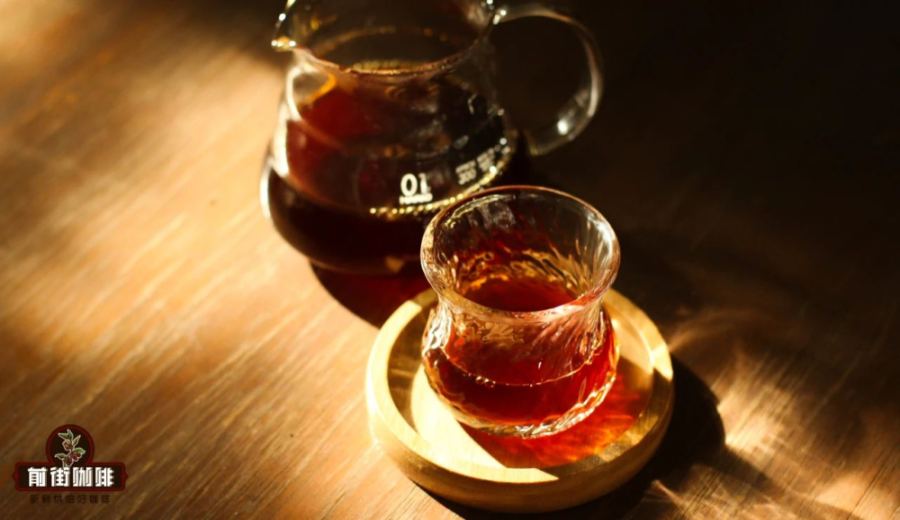
Introduction:The bitterness in coffee is often misunderstood as a flaw, but it is actually a key element of dark roast flavors. This article delves into the roasting science behind bitterness, exploring everything from the first crack to caramelization reactions, to help you understand how dark roast beans develop complex aromas of nuts, chocolate, and caramel. We also provide practical pour over tips, using Golden Mandheling as an example, to teach you how to extract a rich yet non-astringent coffee experience through water temperature, grind size, and pouring techniques.
Bitterness is often labeled negatively in specialty coffee discussions, but it is not a defect — it is one of the important characteristics of dark roast coffee. Approaching it from the roasting process helps clarify the sources and changes of coffee bitterness.
During roasting, there is a critical turning point known as the “first crack,” which occurs when the coffee beans absorb heat to their limit and internal moisture and volatile compounds are rapidly released. When the internal pressure of the coffee bean breaks through the outer shell, a distinct cracking sound can be heard. Roasters typically judge whether to end the roast based on the sound and density of the first crack. If the roast is stopped early in the first crack, the coffee usually exhibits pronounced fruit acidity and freshness; if extended into the dense phase of the first crack, the balance between acidity and sweetness is more evident; but if roasted beyond the completion of the first crack, the coffee will gradually shift toward a bitterness-dominated profile, and the longer the roast time, the more pronounced the bitterness becomes.
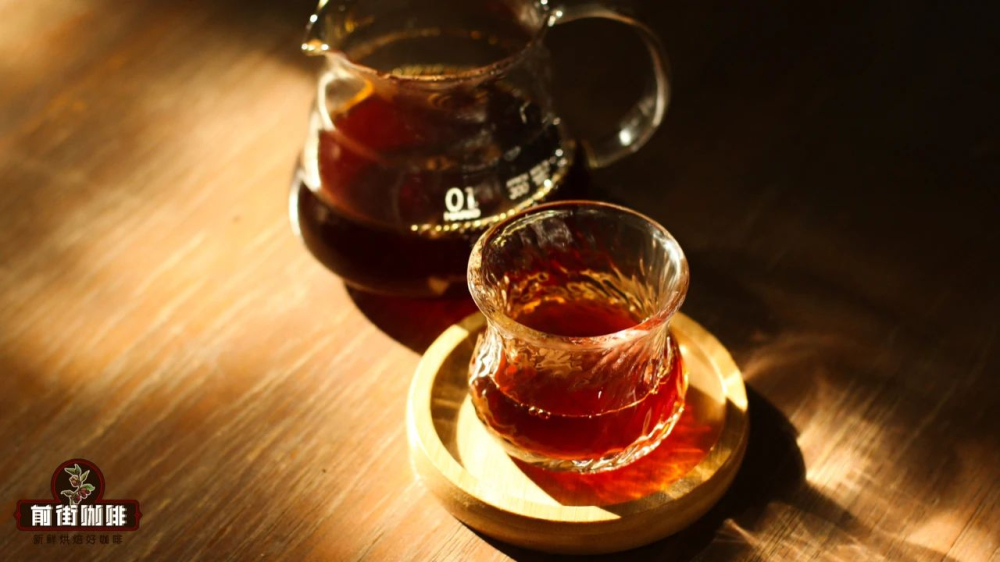
As the roast level deepens, the original acidic substances in the beans gradually break down, giving way to deeper flavors such as nuts, dark chocolate, caramel, and even woody notes. These compounds give dark roast coffee a fuller body and richer aroma. Although not as diverse in flavor layers as light roasts, they possess a unique richness that many coffee enthusiasts are drawn to.
The bitterness of dark roast coffee is often accompanied by enchanting complex aromas. These beans commonly emit rich notes of nuts, caramel, toasted bread, and even chocolate, rather than the floral and fruity profiles typical of lighter roasts. Especially when the coffee is properly roasted and extracted, the bitterness can also carry a hint of subtle sweetness akin to caramel or maltose, forming a balanced bitter-sweet aftertaste — a unique drinking experience exclusive to dark roasts. For instance, some dark roast beans from Indonesia often display intense spices, woody, and dark chocolate aromas, offering drinkers a multi-layered warmth.
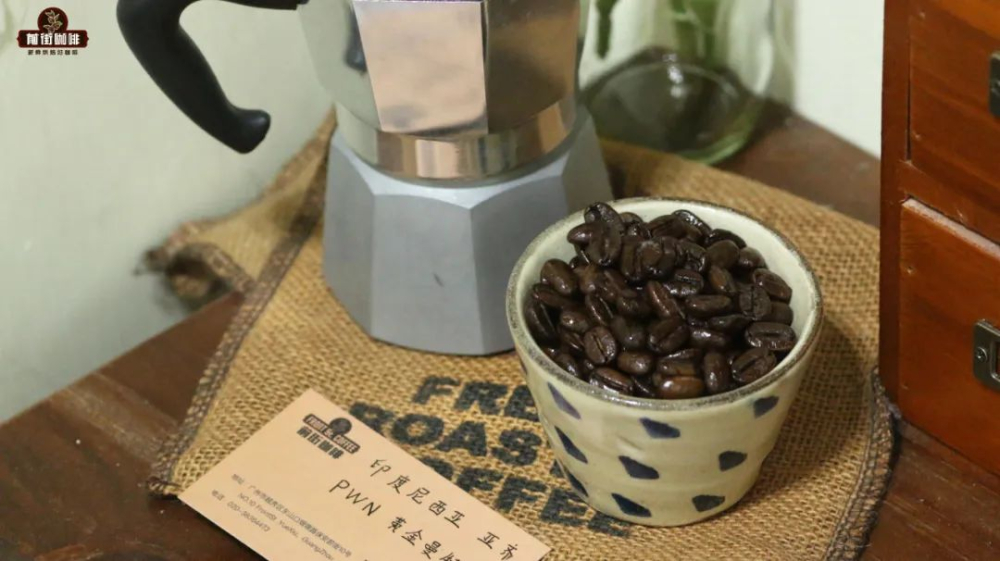
To fully appreciate the charm of dark roast coffee, the key lies in controlling the extraction. The following uses the common Golden Mandheling as an example to introduce suitable pour over parameters and operational details for dark roast beans, helping you avoid the bitter and astringent off-flavors caused by over-extraction.
The recommended water temperature range is86~88°C, with the grind size adjustable toapproximately 70% passing through a #20 sieve(for example, about setting 11 on an EK43s grinder). This coarser grind helps reduce the risk of over-extraction. For the filter cone, you can chooseKonoor similar models with slower flow rates, which help extend extraction time and soften flavor delivery. The recommended powder-to-water ratio is1:15, with extraction time controlled at aroundtwo minutes. This combination can fully showcase the richness and aroma of dark roast beans while avoiding excessive release of bitterness.

In practical operation,a thorough bloomis a crucial first step. You can observe two key points: first, all coffee grounds are evenly wetted by water, and a small amount of coffee liquid begins to drip from below the coffee bed; second, the coffee bed visibly expands after absorbing water and stops releasing significant gas after a brief pause, indicating the bloom is complete. The bloom generally recommends using a small amount of hot water (about twice the weight of the coffee grounds), for roughly 30 seconds.
Next is the pouring step. It is recommended to usea fine stream and slow pace, circling the coffee bed in small circles to avoid strong impact that may cause excessive release of bitter substances from fine particles. You can pour in multiple increments, keeping the water level rising steadily until the total target water volume is reached. During this process, control the overall extraction time to stay around two minutes, which helps balance flavor and bitterness expression.
Finally, it’s worth noting that the nature of dark roast beans is already rich and full-bodied, so there’s no need to pursue high acidity or extreme clarity. Appropriately lowering the water temperature and adjusting the grind can effectively suppress unnecessary off-flavors, allowing you to enjoy the unique roundness, sweetness, and spicy-like aftertaste of dark roast coffee.
If you enjoy coffee with a complex profile of chocolate, caramel, and nuts, try adjusting the above parameters yourself to find the dark roast expression that suits your taste. With the right extraction techniques, dark roast bitterness can become a memorable highlight.
The above content is compiled by CoffeeHunters, a coffee news website.


