








Introduction:The flavor of pour over coffee is often set from the very beginning by the grind size. How can you adjust grind coarseness based on the beans’ characteristics to avoid over-extraction or under-extraction? This article delves into the impact of the 20-mesh sieve passing rate on extraction, introduces the principles and practical applications of the Golden Cup extraction, and shares a complete brewing parameter example for Colombian Rose Valley to help you master pour over techniques step by step.
During the pour over process, grind coarseness is one of the core factors determining the final flavor expression. Many beginners often wonder: “How fine should I grind these beans?” In fact, the answer isn’t one-size-fits-all, as coffee beans from different regions, varieties, processing methods, and roast levels each have their own optimal grind range. Baristas in the industry have found through practice that accurately mastering the grind size not only improves extraction efficiency but also highlights the layers and unique traits of the coffee.
The Impact of Grind Coarseness on Extraction
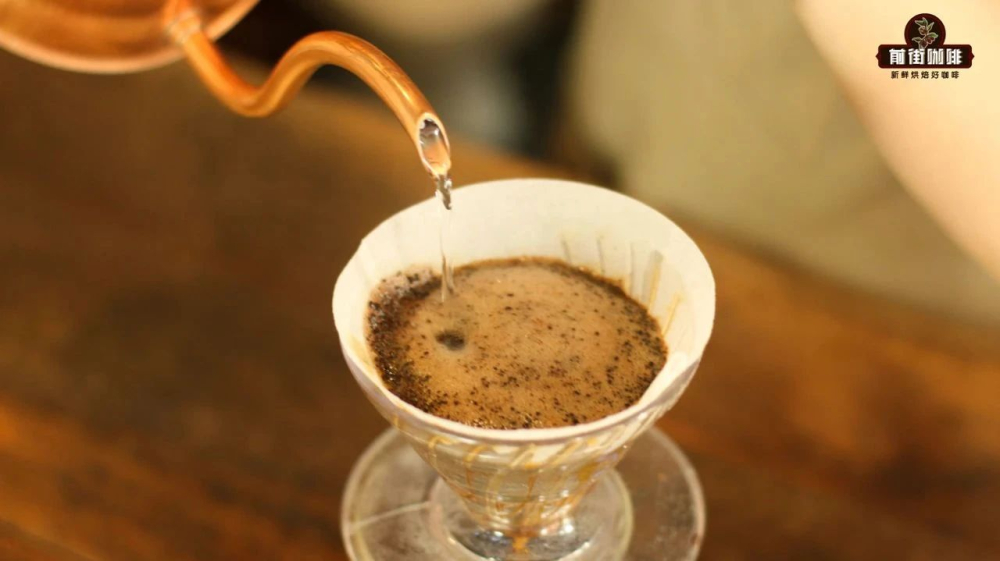
The grind coarseness of coffee powder directly affects the density of the coffee bed and the speed at which water flows through. Finer grinding increases the contact surface area between coffee particles and water, raises extraction resistance, slows down water flow, prolongs extraction time, and raises the extraction rate accordingly—but it also easily leads to over-extraction, resulting in overly strong bitterness and an off-putting gritty sensation.
Conversely, if the grind is too coarse, water flows through more easily with shorter contact time, leading to a lower extraction rate, which may cause the coffee to taste overly acidic, thin, or even under-extracted.
For example, compared to espresso, the grind used in pour over is coarser precisely to avoid excessive extraction within a short time, thereby achieving a more balanced flavor. And if you were to simply soak whole, unground beans in water, the extremely small contact surface would allow very little solubles to be extracted, making it naturally difficult to bring out the rich aroma of the coffee.
20-Mesh Sieve Passing Rate: A Quantitative Reference for Grind Size
In practical shop settings, baristas use China’s standard 20-mesh sieve as an evaluation tool for grind coarseness. By measuring the proportion of coffee powder that passes through the sieve, they determine whether the grind size aligns with the desired extraction requirements.
Generally speaking, formedium-to-light roasted coffee beans, the recommended 20-mesh sieve passing rate is80%; whiledark roasted beansare adjusted to75%. These settings are based on the varying reactions of different roast levels to hot water, fine-tuned further to achieve the optimal extraction balance.
For example, when using a KONO filter cone to brew dark roast beans (such as Mandheling), since the KONO has a slower flow rate with an immersion-like effect, using a fine grind with an 80% passing rate could lead to noticeable bitterness and astringency due to excessive extraction time. Therefore, slightly coarser grinding helps stabilize the extraction rhythm and flavor expression.
Golden Cup Extraction: More Than Just Numbers, It's a Basis for Adjustment
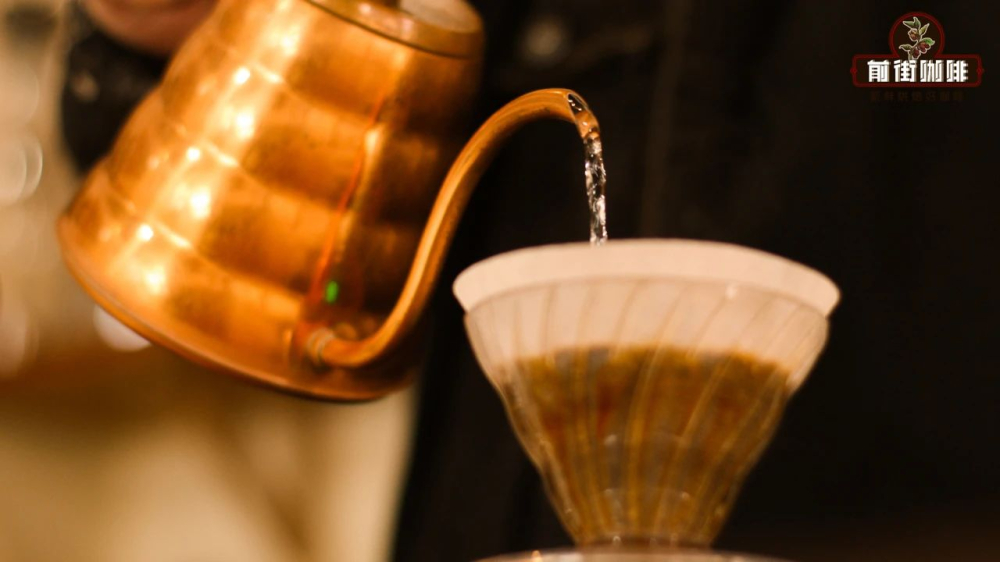
When it comes to extraction, you often hear the term “Golden Cup extraction.” This originates from research commissioned by the National Coffee Association of America in the 1950s, conducted by MIT chemistry Ph.D. Lochhart, with the goal of identifying the extraction range most suited to the majority’s taste preferences.
Simply put, the Golden Cup extraction standard is to control the coffee’sconcentration between 1.15%–1.45%and ensure theextraction rate reaches 18%–22%. However, this is not an absolute golden rule but rather provides a reference framework that allows brewers to make fine adjustments according to their personal taste preferences.
What’s important is that the value of Golden Cup extraction lies in helping us understand the relationship between concentration and extraction rate, and then, by adjusting grind size, water temperature, brew ratio, and brewing time, find that cup of coffee that suits your own preferences. Never assume that only coffee falling within the Golden Cup range tastes good—the key is what suits you.
Practical Example: Brewing Parameters for Colombian Rose Valley
To illustrate more concretely, the following uses a certain shop’s “Colombian Rose Valley” as an example to share a practical pour over recipe:
Region: Santander, Colombia
Farm: El Granjero
Elevation: 1700 meters
Variety: Caturra
Processing Method: Anaerobic Enzymatic Washed
Brewing Recommendation:
Coffee Dose: 15 grams
Brew Ratio: 1:15
Grind Size: Medium-fine (20-mesh sieve passing rate of about 80%)
Water Temperature: 91°C
Filter Cone: Hario V60
Brewing Steps:
1. Start by pouring 30 grams of water for blooming, for about 30 seconds.
2. Then pour water in small circles with a gentle stream. When the total water volume reaches 125 grams, perform the first pour break and wait for the water level to drop slightly.
3. Continue pouring until reaching 225 grams. When the water level is about to expose the coffee bed, stop pouring.
4. Finally, wait for all the water in the filter cone to drip through before removing the cone. Total brew time is approximately 1 minute and 53 seconds.
Flavor Profile: This coffee exhibits pronounced notes of peach, followed by a finish of rose and dark chocolate. The mouthfeel is juicy like peach nectar, with bright acidity and layers reminiscent of black grapes. The finish is smooth and creamy, like toffee, making the overall experience highly enjoyable.
The above content is compiled by CoffeeHunters, a coffee news website.


