







Introduction:Colombian coffee is renowned for its bright acidity and smooth mouthfeel, with its unique flavor profile stemming from its geographical environment and rigorous grading system. This article delves into the sources of Colombian coffee’s acidity, introduces how the FNC association ensures quality, analyzes the characteristics of regions like Huila, and details the flavor profiles and brewing suggestions of specialty beans such as Sidra and Maragogype, helping you gain a more comprehensive understanding of the charm of coffee from this “green gold” kingdom.
In the world of specialty coffee, Colombian coffee has long been widely loved for its bright acidity, smooth texture, and balanced flavor. This distinctive flavor expression is inseparable from Colombia’s uniquely favorable geographical environment. From the high-altitude Andes Mountains to the mineral-rich volcanic soils, every factor deeply influences the final flavor of the coffee.
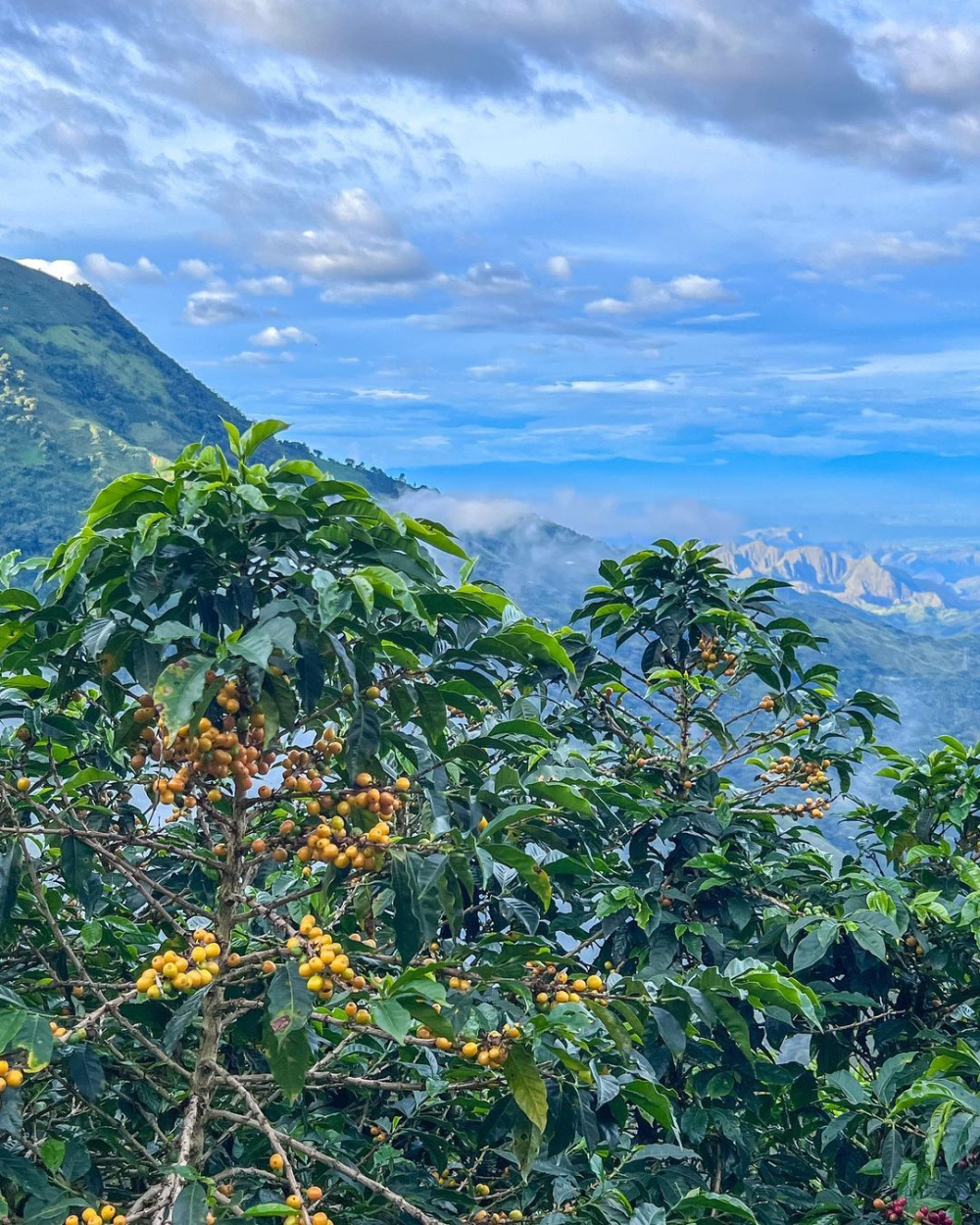
Located south of the equator, Colombia features diverse terrain, with its southern regions crossing the equator line, resulting in richly varied climates and ecosystems. Its main coffee-growing areas are concentrated along three parallel mountain ranges of the Andes. At the foothills lie a variety of landscapes including forests, grasslands, and lakes, creating microclimate diversity. The fertile soil brought by volcanic activity, along with the mountainous regions’ foggy conditions and significant day-night temperature differences, help coffee cherries ripen slowly, accumulating rich sugars and flavor compounds. This is one of the reasons why Colombian coffee often delivers a full-bodied sweetness with clear acidity.
The stable high quality of Colombian coffee would not be possible without a key organization — the Colombian Coffee Growers Federation (known as FNC). As early as 1927, to improve coffee quality, ensure farmers’ income, and promote sustainable industry development, the Colombian government established the FNC. The association not only helps farmers tackle challenges such as pests, diseases, and climate change but also maintains Colombia’s strong global reputation through the establishment of green coffee grading standards and quality control initiatives. Additionally, the FNC is committed to technology promotion and market education, assisting small family farms in continuously improving planting and processing techniques.
When it comes to Colombia’s coffee grading system, evaluation is mainly based on green bean size, defect rate, and cupping performance. The primary grading criterion is the bean’s screen size, with the highest grade being Supreme Screen 18+, commonly referred to as “Specialty Grade.” To meet Colombia’s Specialty Grade standard, at least 95% of the beans in a 500g sample must pass through a 18-mesh or larger screen, indicating plump and uniformly sized beans.The higher the screen number, the larger the size of the beans that pass through.For example, a 17-mesh screen filters out beans smaller than that aperture, leaving behind larger-sized coffee beans.

After passing the size screening, green beans also undergo a strict classification and removal process for defective beans. Colombia’s grading system divides defects into two major categories: Category 1 defects include black beans, moldy beans, or beans with noticeable fermentation flavors, which directly impact the cupping profile, with an allowable limit of a maximum of 12 such beans per 500g; Category 2 defects cover discolored beans, broken beans, insect-damaged beans, unripe beans, and other appearance issues, with an allowable limit of 60 beans. The total number of defects is then used to calculate deductions, and beans are classified into three main grades: AA, A, and G, with AA typically representing the highest quality.
To ensure traceability, each batch of coffee beans is labeled with its growing region, processing mill, and serial number, forming a complete green bean information chain. Upon export, Colombian green beans are often named using the format “Country + Region + Grade + Other Info,” for example, the common “Colombia Huila Supremo SC17/18 FNC” indicates beans from the Huila region, passing through 17/18 mesh screens, meeting FNC standards, and classified as Specialty Grade.
Colombia boasts several well-known specialty coffee regions, among which Huila, Cauca, and Nariño are regarded as representatives of high-quality coffee. Huila Province is located at the southern foothills of the Andes Mountains, with an average altitude exceeding 1,500 meters. The area is crisscrossed by multiple rivers, coupled with cool monsoons and volcanic soils, providing an ideal growing environment for coffee trees. Coffee from this region often exhibits intense nutty and chocolate aromas, with outstanding caramel sweetness, clean and smooth mouthfeel, making it one of the typical flavor representatives of Colombian coffee.
In the menu of a certain coffee shop, Huila-region coffee is often listed as a staple choice for its high cost-performance ratio and consistent performance. In addition, Colombia also has some highly distinctive niche varieties, such as Sidra and Maragogype, which have garnered attention from coffee enthusiasts for their unique flavors.
Sidra, transliterated from the Spanish word for “cider,” refers to apple juice or apple cider, and its name originates from the fruity acidity often present in its flavor profile. The Sidra plant grows tall, reaching up to four meters, with slender leaves and five-petaled flowers, and thrives at altitudes of 1,600–1,800 meters. Although it belongs to the Arabica species, it has relatively weak disease resistance but comparatively strong pest resistance. In the absence of major disasters, yields remain fairly respectable. Interestingly, although Sidra is often mistakenly thought to originate from Colombia, it actually first appeared in Ecuador before being widely cultivated in Colombia.
In roasting, a certain coffee shop typically uses medium roasting to highlight Sidra’s rich fruity aroma and chocolatey notes. Whether brewed via pour over, cold drip, or cold brew, Sidra showcases bright acidity of grape and passion fruit, with a honey-like sweetness and subtle hints of osmanthus in the aftertaste. It offers a complex yet distinct flavor profile, making it a highly recognizable bean that can surprise newcomers and delight seasoned drinkers alike.

In summary, the acidity of Colombian coffee is closely related to its growing environment, refined grading system, and diverse regional characteristics. From sugar accumulation due to high altitude, to the quality management promoted by the FNC, to the unique microclimates and variety expressions of each region, every element contributes to the rich and varied flavor spectrum of Colombian coffee. Whether you’re a beginner or a seasoned coffee enthusiast, understanding these backgrounds will allow you to experience a deeper layer of flavor stories when savoring Colombian coffee.
The above content is compiled by CoffeeHunters, a coffee news website.


