







Category: Coffee Knowledge
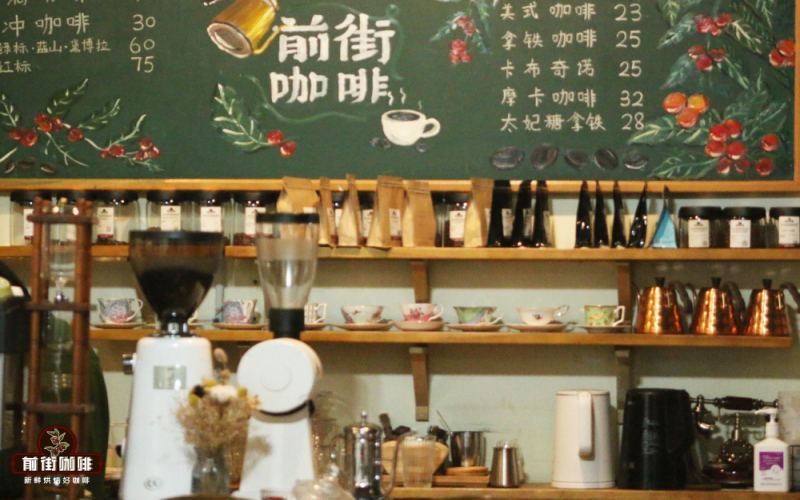
Complete Guide to Honduran Specialty Coffee: Regions, Varieties, Flavor Profiles, and Pour Over Parameters
Want to explore the unique charm of Honduran coffee? This article delves into the geography, climate, and growing conditions of Honduras’s main coffee regions. It details the characteristics of popular local varieties such as Bourbon, Caturra, and Pacas, and explores the features of sherry barrel and brandy barrel fermentation processes. Practical roast curve design and pour over brewing recommendations are also provided, offering a comprehensive guide to the refined flavors of this Central American coffee powerhouse—from origin to cup. [more…]
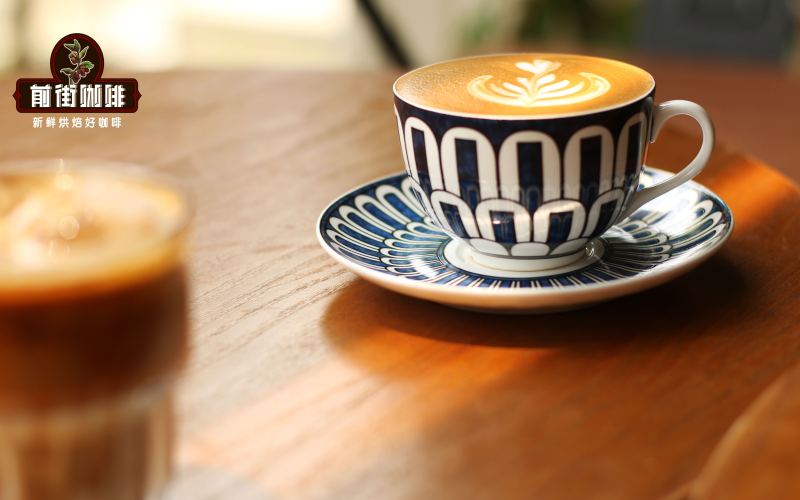
A Complete Guide to Making Lattes at Home: Espresso Extraction, Iced Latte & Dirty Layering Techniques
Latte is a classic beverage that combines espresso with milk, beloved in both hot and cold forms. This guide will take you from the basics of espresso extraction, step by step teaching you how to craft a velvety hot latte, as well as refreshing layered iced lattes and Dirty coffee. It also provides practical ratio parameters, milk temperature control tips, and detailed step-by-step illustrations to help you easily recreate professional-level coffee flavors at home. [more…]
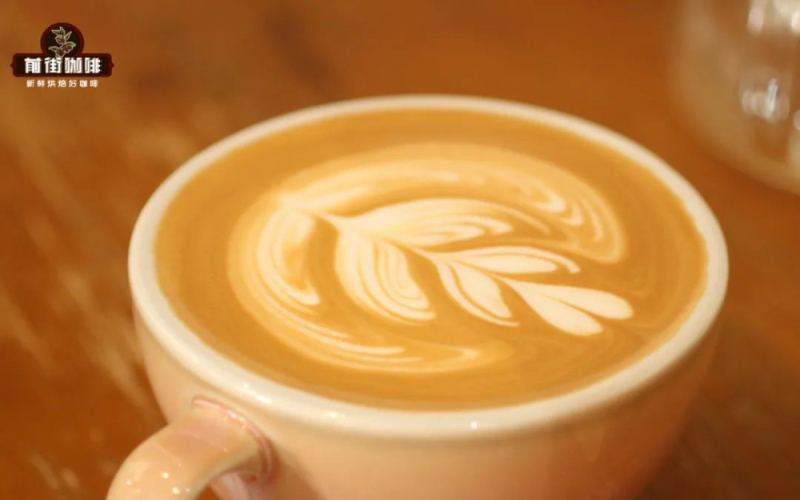
Complete Guide to Making Latte: How to Choose Coffee Beans, Master Milk Frothing Techniques & the Golden Ratio
Want to make a café-quality, smooth and flavorful latte at home? This guide breaks down the key steps of making a latte — from selecting the right roast level of coffee beans and mastering espresso extraction, to frothing milk and achieving the perfect blend. Whether you're a beginner or already have some experience, you’ll learn the secrets to crafting a rich, silky latte with balanced flavors. [more…]

Brewing a Rich and Smooth Hot Latte at Home: A Practical Guide from Bean Selection to Extraction
As the weather cools down, a warm and sweet hot latte becomes a daily comfort for many. However, when trying to make it at home, it’s common to end up with coffee that’s too bitter or overly milky, making it hard to achieve the balanced taste found in cafés. In fact, a great hot latte requires precision in every step—from selecting the right coffee beans and pairing with milk, to espresso extraction and ratio adjustment. This guide will detail how to brew a rich and appropriately sweet latte at home, covering recommended roast levels for coffee beans, suggested extraction parameters, tips for choosing milk, [more…]

What’s the difference between a latte and a cappuccino? A complete guide to milk foam, ratios, and coffee bean selection
Lattes and cappuccinos are both popular milk-based coffees, but many people still don’t fully understand the differences between them. This article provides an in-depth analysis of their distinctions in definition, volume, milk foam thickness, and the ratio of coffee to milk. It also offers practical advice on choosing coffee beans, helping you select the most suitable blend based on your taste preferences—whether you’re aiming for latte art or a bold, rich flavor. [more…]
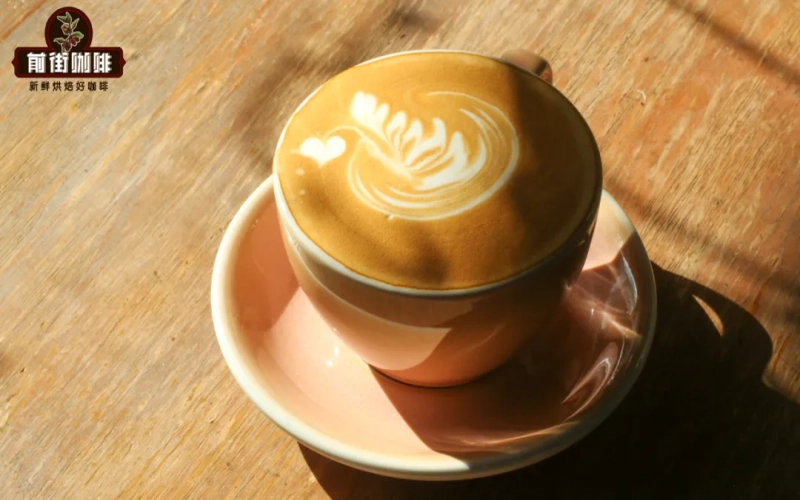
What exactly is a latte? Unraveling the myth of coffee-free lattes from their Italian origins
Have you ever wondered why your matcha latte had no coffee flavor? Or why the definition of a latte varies so much around the world? This article delves into the original meaning of the Italian word "Latte," traces the evolution of the latte from Italy to the United States, and reveals two practical reasons behind the naming of coffee-free lattes. With these insights, you’ll be able to choose your favorite drink more accurately next time you order, avoiding misunderstandings and disappointment. [more…]
From Italian Latte to Caffè Latte: Origins, Evolution, and the Truth About Coffee-Free Lattes
Have you ever wondered whether a "latte" actually counts as coffee? How come matcha lattes and red velvet lattes can be completely coffee-free? This article delves into the Italian linguistic roots of the word "latte", from the original meaning of latte, the background of the birth of Caffè latte, to how California in the United States evolved it into the popular milk coffee we know today, and explains why so many coffee-free "latte" drinks still carry this name. Understanding these details will ensure you never get confused the next time you order. [more…]
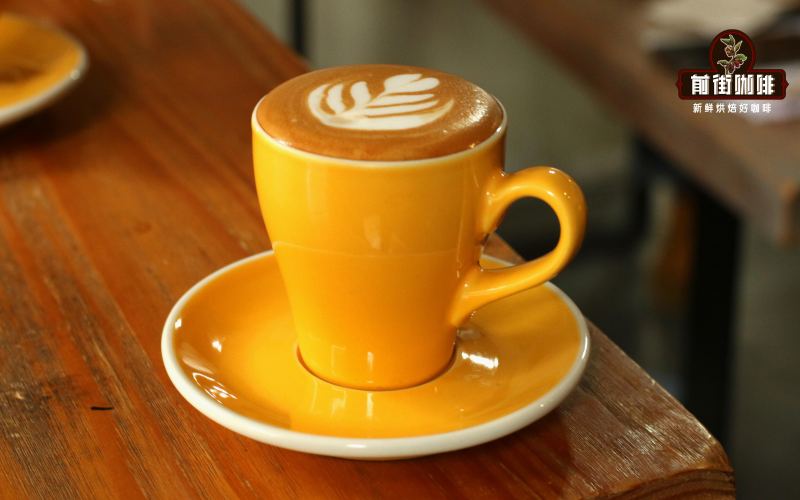
Latte Coffee Beginner’s Guide: Definition, Espresso Blend Selection, Standard Ratios & Caffeine Content
Latte coffee is one of the most popular choices among Italian-style beverages, but its definition, coffee bean selection, ratios, and caffeine content often cause confusion. This article will take you through an in-depth exploration of the origins and evolution of the latte, introduce suitable Italian espresso blends for making lattes, provide standard espresso extraction parameters and milk-to-coffee ratios for hot lattes, and analyze the caffeine content in a cup of latte to help you better understand this classic milk-based coffee drink. [more…]
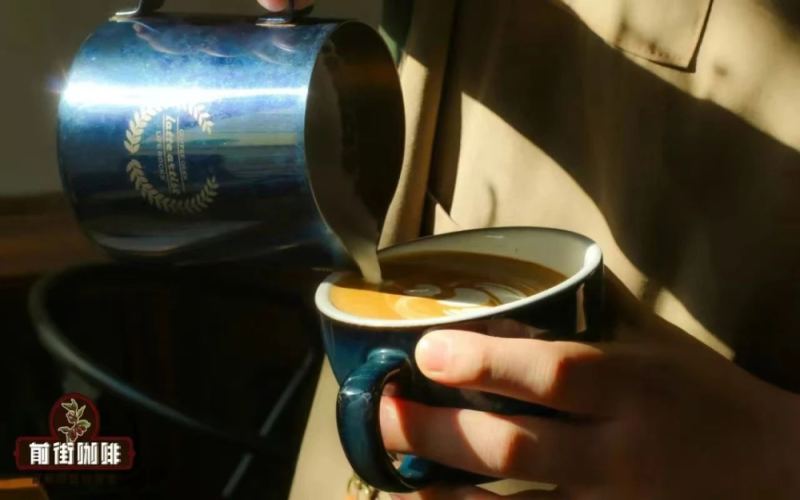
Latte vs Cappuccino: Understand the Differences in Ratio, Milk Foam, and Latte Art All at Once
Although both latte and cappuccino are common milk-based coffees, many people often choose based solely on the aesthetics of the latte art or the impression of the name, leading to ending up with a flavor that doesn’t meet their expectations. This article will comprehensively analyze the key differences between the two—from recipe proportions, milk foam thickness, coffee taste, to latte art performance—to help readers make the right choice based on their preferences. It also includes recommended beans suitable for home brewing and practical tips. [more…]

Complete Guide to Brewing Jamaican Blue Mountain Coffee: From Grade Certification to Flavor Profiles of 7 Brewing Methods
Jamaican Blue Mountain coffee is renowned for its scarce production and high quality, but the market is often flooded with imitations that make it difficult to distinguish the genuine article. This article delves into the origin certification, rigorous grading system, and background of the well-known estates of authentic Blue Mountain coffee. It also provides a detailed introduction to seven different brewing methods—including pour over, espresso, and siphon—each accompanied by specific parameters and flavor characteristics to help coffee enthusiasts find their ideal brewing style. [more…]
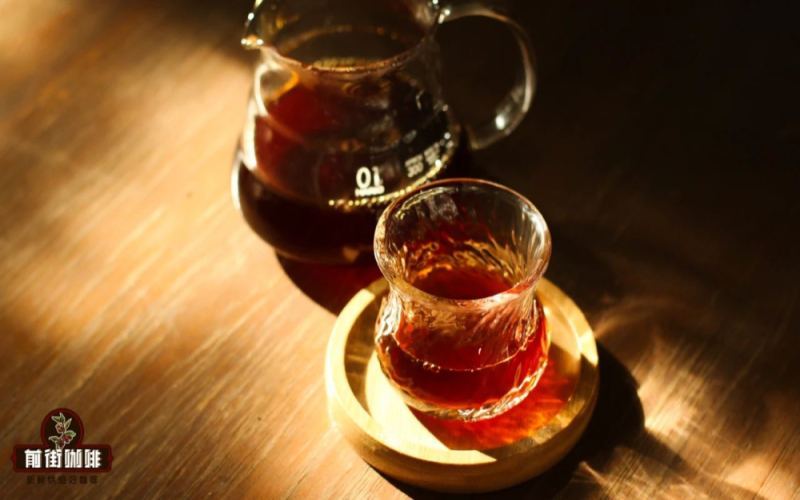
The Complete Guide to Tasting Jamaican Blue Mountain No. 1: 5 Steps to Master Professional Coffee Flavor Descriptions
Not sure how to describe the layered flavors of a cup of coffee? This guide uses the world-renowned Jamaican Blue Mountain No. 1 as an example, taking you through five core steps—aroma, taste, flavor association, mouthfeel & body, and aftertaste—to systematically analyze the logic of professional coffee tasting. Not only does it help beginners overcome the struggle of finding the right words when facing coffee, but it also provides specific parameters and practical tips to help you transform sensory experiences into vivid written descriptions. [more…]
Blue Mountain Coffee Siphon Brewing Guide: Parameter Settings and Flavor Enhancement Tips
Renowned for its rich and balanced flavor, Blue Mountain coffee is perfectly highlighted by the siphon brewer, which brings out its delicate nuances. This guide details the entire process from grinding to brewing, covering key elements such as coffee-to-water ratio, water temperature control, and stirring techniques, while also offering practical advice to help beginners avoid common mistakes. Whether you aim to precisely replicate the clean acidity and sweet aftertaste of Blue Mountain coffee or improve your siphon brewing skills, this guide will serve as an invaluable reference. [more…]
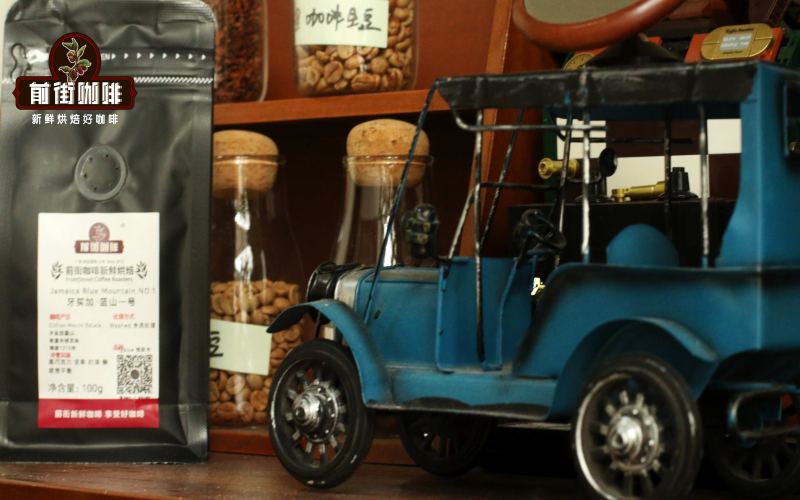
The Complete Guide to Jamaican Blue Mountain Coffee Grades: From Classification Standards to Pour Over Techniques
Jamaican Blue Mountain coffee is hailed as one of the world’s finest coffees, but what’s the difference between Blue Mountain, High Mountain, and Prime coffee? How can you identify the genuine product? How are the grades classified? This article delves into the official Jamaican grading system, introduces the unique flavor profile and traditional processing methods of Blue Mountain No. 1, and provides expert pour over recommendations and parameters to help you master every step from bean selection to brewing. [more…]
A Beginner’s Guide to Jamaican Blue Mountain Coffee: Grades, Authenticity, and Pour Over Brewing
Jamaican Blue Mountain coffee is renowned as one of the world’s finest coffees, with its rarity and unique flavor profile captivating coffee enthusiasts around the globe. This guide delves into the three main classifications—Blue Mountain, High Mountain, and Prime—as well as the coffee’s growing environment, historical background, and rigorous grading system. It also provides practical tips for identifying authenticity. Additionally, we share expert pour over brewing recommendations and parameters to help you fully appreciate Blue Mountain coffee’s chocolatey, nutty aromas and exceptional balance. [more…]

A Comprehensive Guide to Panama Geisha Coffee Regions and Grade Flavor Profiles
Western highlands of Panama are globally renowned for their Geisha coffee, where unique microclimates and volcanic soils nurture premium coffees with rich layers of flavor. This article delves into the distribution of major coffee-growing regions in Panama, the origin and evolution of the Geisha variety, and how Hacienda La Esmeralda brought it onto the international stage. It also provides insights into the flavor characteristics and purchasing recommendations for different grades of Geisha, whether you're new to specialty coffee or a seasoned connoisseur, you’ll find your perfect cup of Panama Geisha. [more…]

How to brew Panamanian Carme Estate Geisha? Brewing parameters and flavor profile of the 96.5-point washed beans
The washed Geisha from Panamanian Carme Estate won the washed category championship in the 2023 BOP competition with a remarkable score of 96.5, and also set a record with an auction price of $10,005 per kilogram. This article will take you deep into the terroir, cultivation background, and processing techniques of this top-tier coffee bean, and provide practical pour-over brewing parameter suggestions along with flavor characteristic descriptions to help you fully experience the intricate charm of championship-level coffee. [more…]
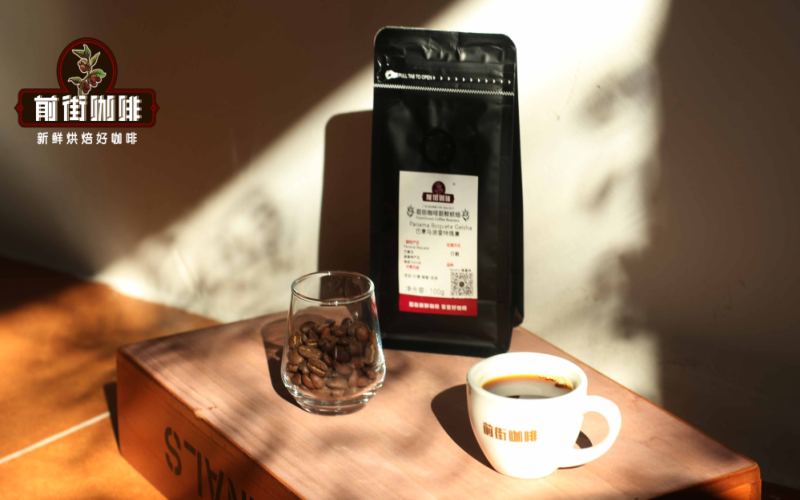
Complete Guide to Panamanian Boquete Coffee: Flavor Profiles of Geisha and Catuai Varieties
An in-depth exploration of the top coffee varieties in Panama's Boquete region, from the renowned Geisha to the high-value washed Catuai. This guide analyzes their growing environments, processing methods, roasting characteristics, and flavor profiles to help coffee enthusiasts choose the right specialty beans based on taste preferences and master pour over brewing recommendations. [more…]
Geisha Beans from Panama’s Finca El Valle and Finca La Esperanza: A Complete Guide to Regional Flavors and Brewing Tips
An in-depth look at two renowned farms in Panama—Finca El Valle and Finca La Esperanza—covering their high-altitude growing environments, varietal compositions, refined processing methods, unique flavor profiles, and ideal brewing parameters. This comprehensive guide reveals the charm of these specialty coffee beans. Whether you’re a pour over beginner or an advanced connoisseur, you’ll gain key insights on selecting beans and savoring their full potential. [more…]
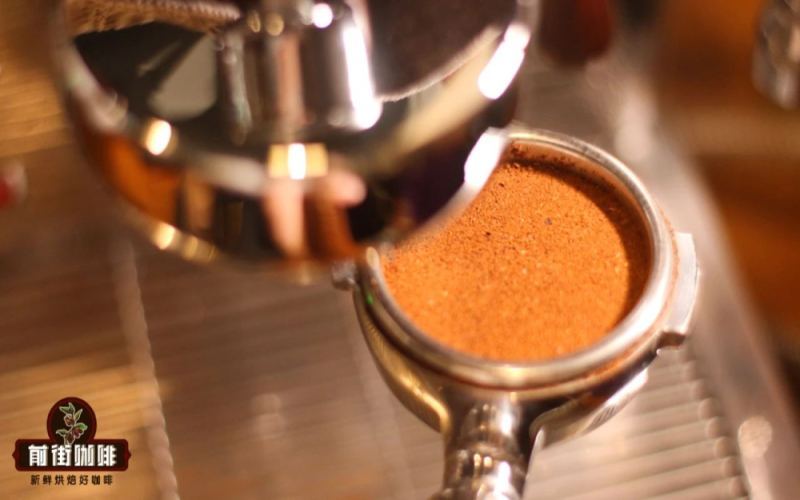
Pour Over & Espresso Techniques: Avoid Channeling for More Stable Extraction Flavors
Mastering the distribution and tamping techniques of espresso is key to crafting a shot with balanced flavor. Channeling often leads to uneven extraction, resulting in sour or burnt-bitter notes. This article delves into the principles of coffee puck distribution, introduces proper distribution and tamping methods, and offers practical advice for improving coffee transfer techniques — helping you reduce extraction errors effectively and consistently pull well-balanced shots. [more…]
The Complete Guide to Distributing & Tamping Espresso Coffee Grounds: Key Steps to Avoid Channeling
The extraction quality of espresso often hinges on the evenness of the coffee puck. Though distributing and tamping may seem like simple steps, they are actually core procedures for preventing channeling. This article delves into how to correctly perform distribution and tamping to enhance extraction stability, ensuring more consistent and balanced flavor in every shot of espresso. [more…]