







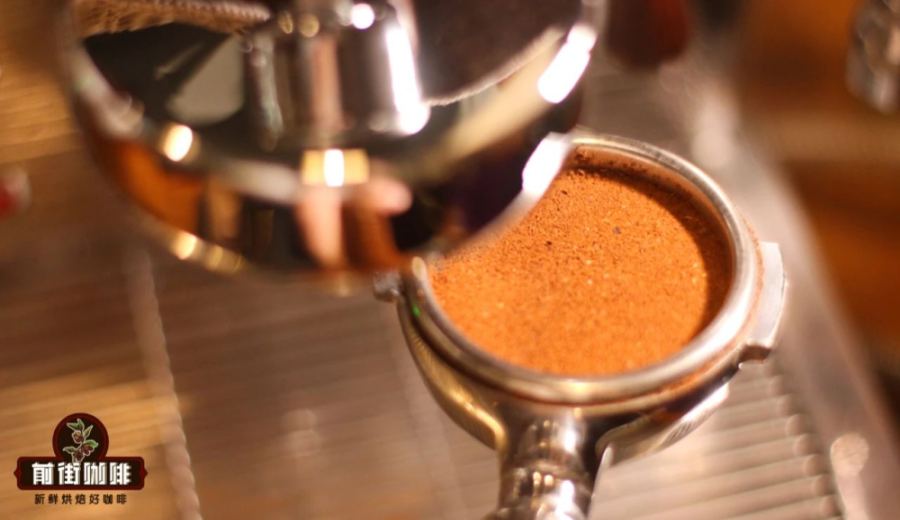
Introduction:Mastering the dosing and tamping techniques for espresso is key to crafting a shot with balanced flavor. Channeling often leads to uneven extraction, resulting in sour or burnt-bitter notes. This article delves into the principles of coffee puck distribution, introduces proper dosing and tamping methods, and offers practical tips for improving coffee transfer techniques — all to help you reduce extraction errors effectively and consistently pull well-balanced espresso shots.
When making a high-quality espresso, dosing and tamping are absolutely two critical steps that cannot be overlooked. These two actions not only affect the uniformity of the coffee puck but also serve as the first line of defense against channeling. So-called channeling refers to the phenomenon where, when coffee grounds are unevenly distributed in the portafilter basket, the hot water under 9-bar pressure will choose the path of least resistance during extraction. This leads to over-extraction in some areas and under-extraction in others, resulting in a final cup that is both sharp and distinctly burnt-tasting.
Therefore, to brew an espresso with a rich mouthfeel and layered complexity, it all starts with even distribution. When a measured dose of ground coffee falls from the grinder into the portafilter basket, these particles often naturally pile up in the center, forming a small mound-like shape — or may even distribute unevenly from left to right. In such cases, using a distributor directly may backfire. The structure of most distributors applies downward pressure to the coffee bed, compacting the central mound first while potentially leaving the surrounding grounds less evenly treated, leading to inconsistent puck density.
As a result, although the surface of the coffee bed may appear flat, the center is actually too compact while the edges lack sufficient coffee. Under high pressure, this makes it easier for water to form “shortcut” channels. Additionally, even if the coffee is evenly distributed, the inner wall of the portafilter basket is very smooth, making it difficult for the puck to fully seal against the metal surface. Under high pressure, water will still tend to flow along the edges where the puck meets the basket — which is why the extraction flow often converges from the edges toward the center.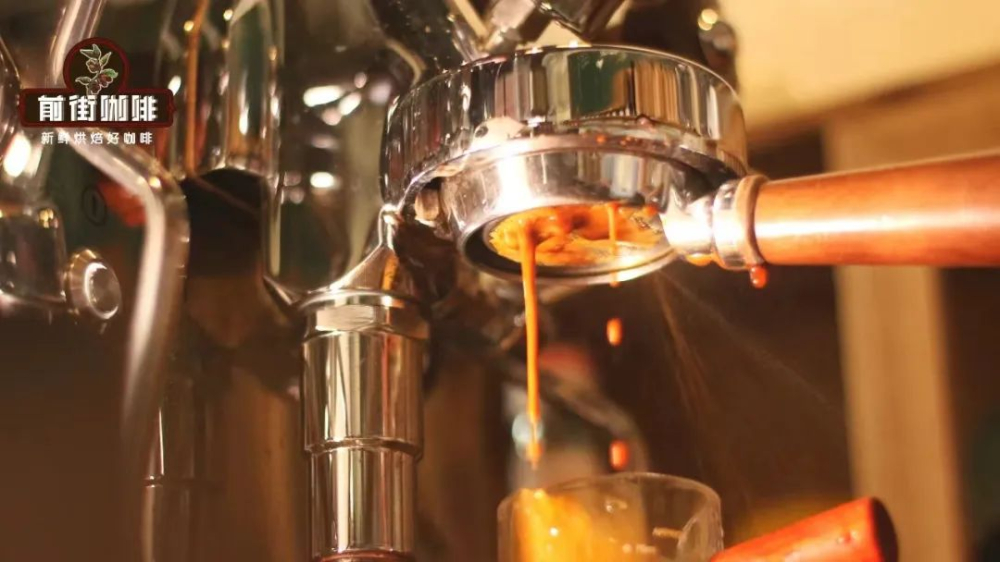
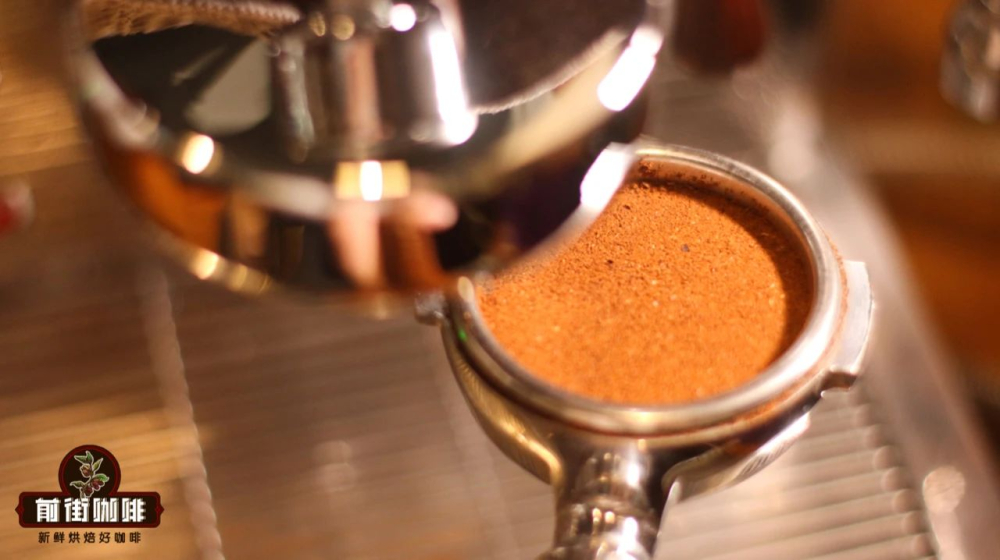
Observing a freshly extracted espresso, if you stop the shot early and cut open the puck, you’ll often find that the center remains dry while the edges and bottom are already wet. This reflects how, during extraction, water tends to penetrate the outer edges of the puck first before gradually diffusing inward. This extraction sequence also explains the common layering effect in espresso and the varying presence of different flavor compounds.
To address uneven accumulation of coffee grounds in the basket, it’s recommended to first use your fingers to level out the overly high mound in the center by scraping it side to side, creating a roughly flat surface before using a distributor for even leveling. To further improve distribution quality, you might also consider using a distribution needle, which helps break up potential clumps and allows for more even distribution across the basket. Another practical strategy is to modify the way you transfer the coffee — for example, using a dosing funnel to let the grounds slide from the side into the center of the basket, which can effectively reduce initial unevenness. However, this method is more suitable for environments with lower output volumes.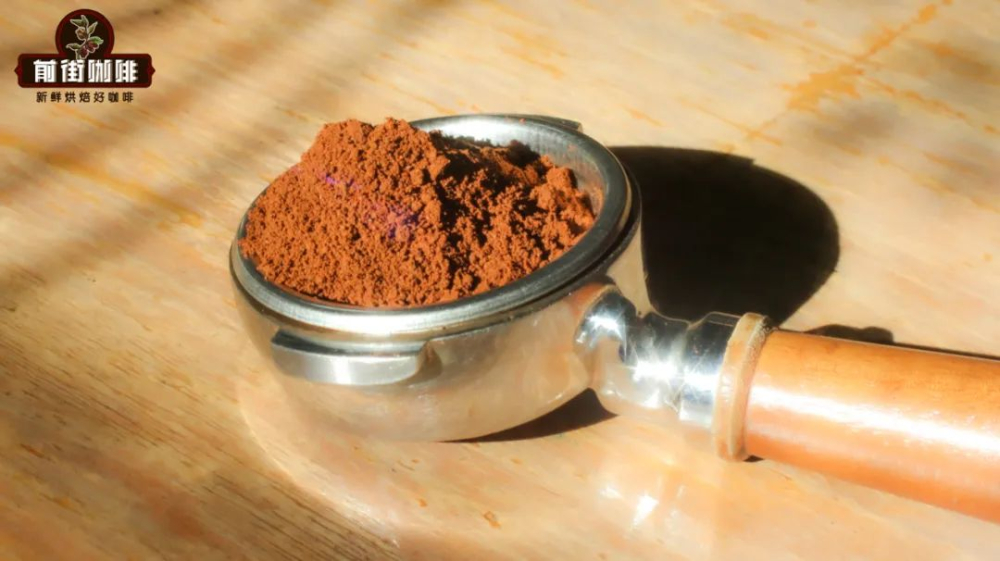
Once dosing and distribution are complete, the next step is tamping. The primary purpose of tamping is to compress the coffee grounds tightly together, forming a stable puck that can withstand the impact of high-pressure water flow, preventing the puck structure from breaking down and creating new channels. Though this step may seem simple, it requires significant attention to the technique and consistency of the applied pressure.
A commonly recommended and effective tamping method is: placing your thumb and index finger on either side of the tamper, with the remaining three fingers and palm holding the handle. Keep your arm vertical, then apply steady and even downward pressure. This motion requires repeated practice to ensure consistent force with each tamp, avoiding uneven puck density caused by poor posture or imbalanced pressure — which would negatively affect extraction.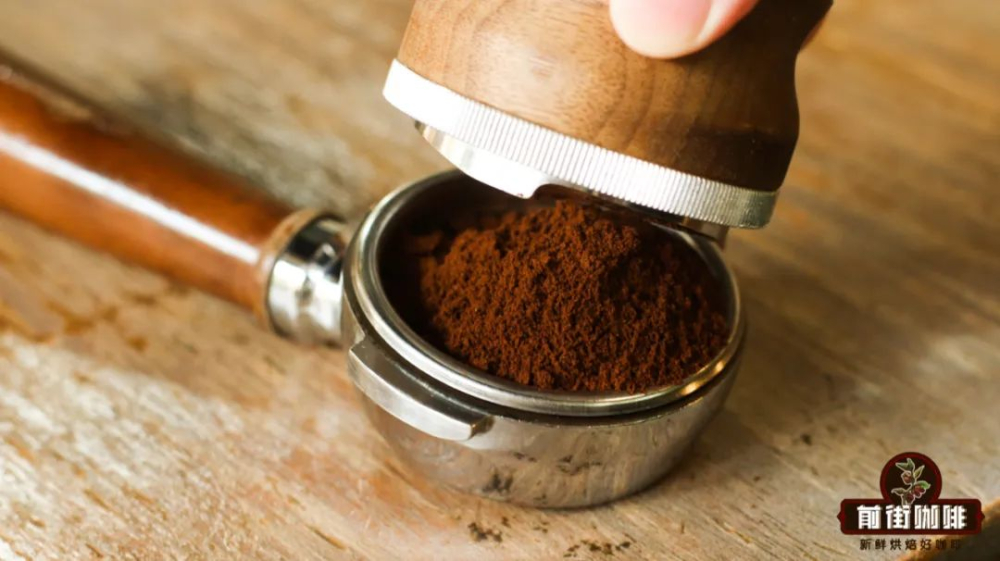
In summary, every step from transferring the coffee, distributing it, to tamping has a significant impact on the final flavor of the espresso. By paying closer attention to these details — especially in preventing channeling — you can greatly enhance the stability and consistency of your extraction, ensuring each shot delivers the richness and balance it should. Only through continuous practice and adjustment can you truly master these seemingly simple yet crucial techniques in real-world brewing.
The above content is compiled by CoffeeHunters, a coffee news website.


