







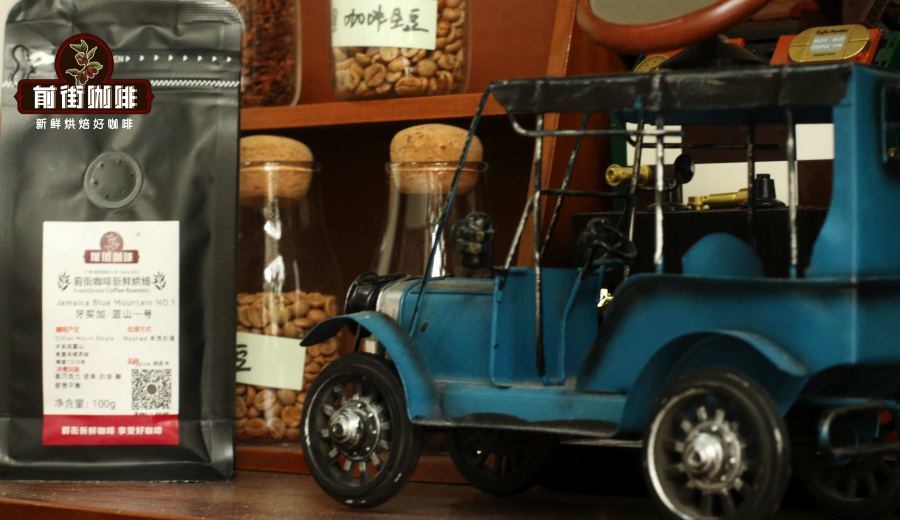
Introduction:Jamaican Blue Mountain coffee is hailed as one of the world’s top-tier coffees, and its rarity and distinctive flavor have captivated the hearts of countless coffee enthusiasts. This article delves into the three major classifications—Blue Mountain, High Mountain, and Prime—as it explores the growing environment, historical background, and rigorous grading system of Blue Mountain coffee. It also provides practical tips for identifying authenticity. Additionally, we share professional pour over recommendations and parameters to help you fully experience the chocolatey, nutty aromas and exceptional balance of Blue Mountain coffee.
In the world of specialty coffee, Jamaican Blue Mountain has long been regarded as the pinnacle of excellence. In the past, a single cup of authentic Blue Mountain could easily cost hundreds of yuan, putting it out of reach for many consumers. Today, however, at some specialty cafés, you can enjoy a cup of Blue Mountain for just around 60 yuan, with 100g bags of beans selling for only 158 yuan—making this classic flavor more accessible than ever.
The cultivation area of Jamaican Blue Mountain coffee is located in the Blue Mountains of eastern Jamaica in the Caribbean. This mountainous region, surrounded by the blue sea, gets its name from the bluish haze that the sun casts over the peaks. The Blue Mountains rise over 2,000 meters above sea level, far from urban pollution, with a cool and stable climate, fertile volcanic soil, and abundant rainfall—all of which provide an ideal growing environment for coffee trees. Local farmers often intercrop coffee with bananas, avocados, and other crops, using their shade to provide moderate cover for the coffee trees, which helps the coffee cherries ripen slowly and develop richer flavors.
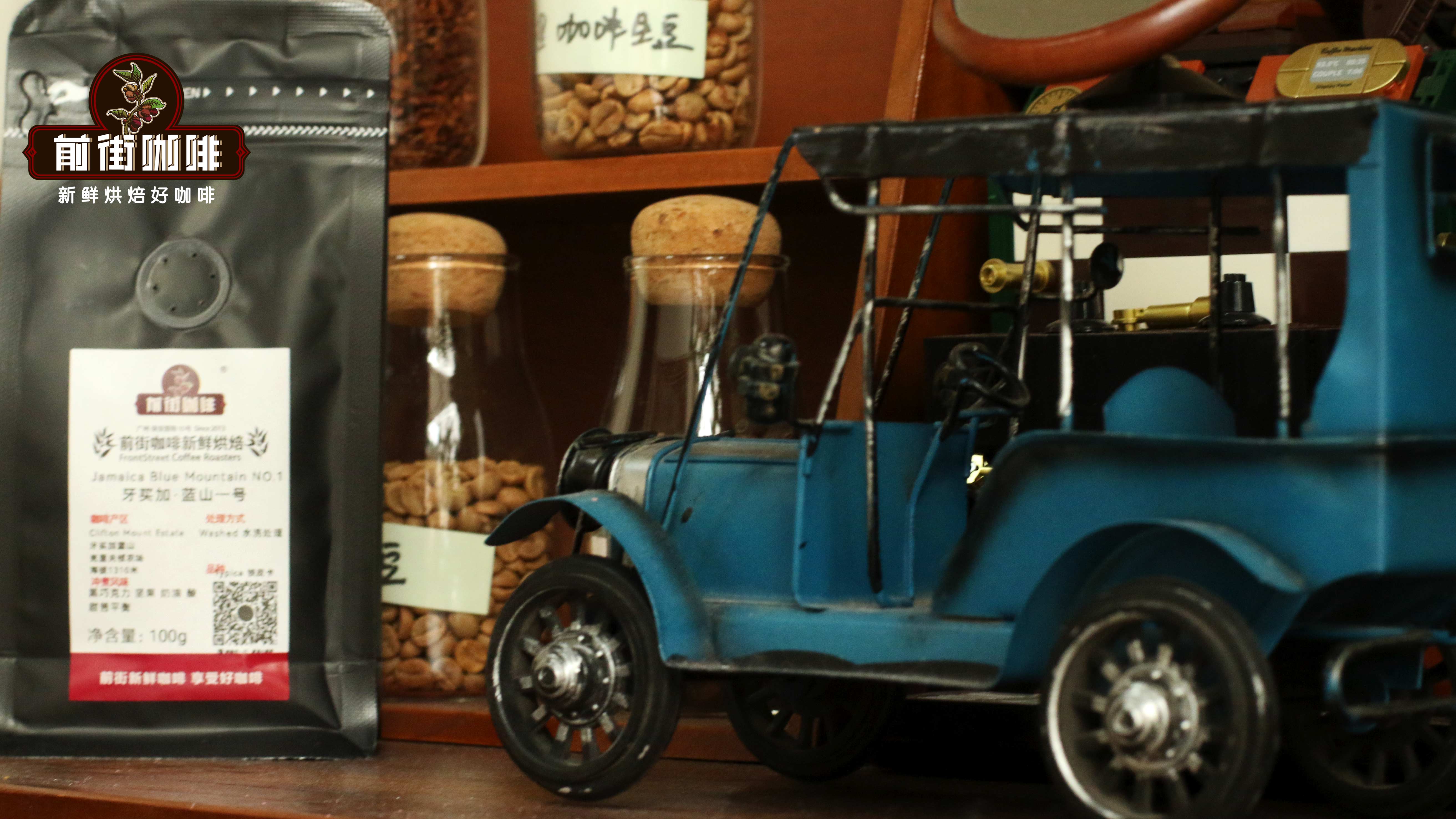
To maintain coffee quality, the Jamaican government established the Coffee Industry Board (CIB) in 1952 and designated approximately 6,000 hectares of the core Blue Mountain growing region in 1953, which accounts for only a small portion of the entire Blue Mountains. Only coffee grown within this specific area qualifies as "Jamaican Blue Mountain coffee"; coffee from other areas is classified as either "Jamaican High Mountain coffee" or "Jamaican Prime coffee." Due to its scarcity and high quality, Blue Mountain coffee commands a significantly higher price than the other two categories.
Blue Mountain coffee is grown at elevations between 910 and 1,700 meters, primarily distributed across the four parishes of St. Andrew, St. Mary, St. Thomas, and Portland. The CIB conducts rigorous cupping evaluations of coffees from these regions. Blue Mountain coffee typically exhibits rich chocolate and nut aromas, a smooth and rounded mouthfeel, almost no harsh bitterness, and a perfect balance of various flavors.
It’s worth mentioning that in the 1960s, Jamaica was hit by hurricanes that damaged its coffee industry. At that time, Japan’s UCC provided aid and introduced eco-friendly farming techniques. In 1972, the two parties signed a 30-year agreement granting Japan priority purchasing rights for Blue Mountain coffee. As a result, about 90% of Blue Mountain coffee was exported to Japan, with only 10% allocated to other markets. This explains why Blue Mountain coffee was so expensive in earlier years.
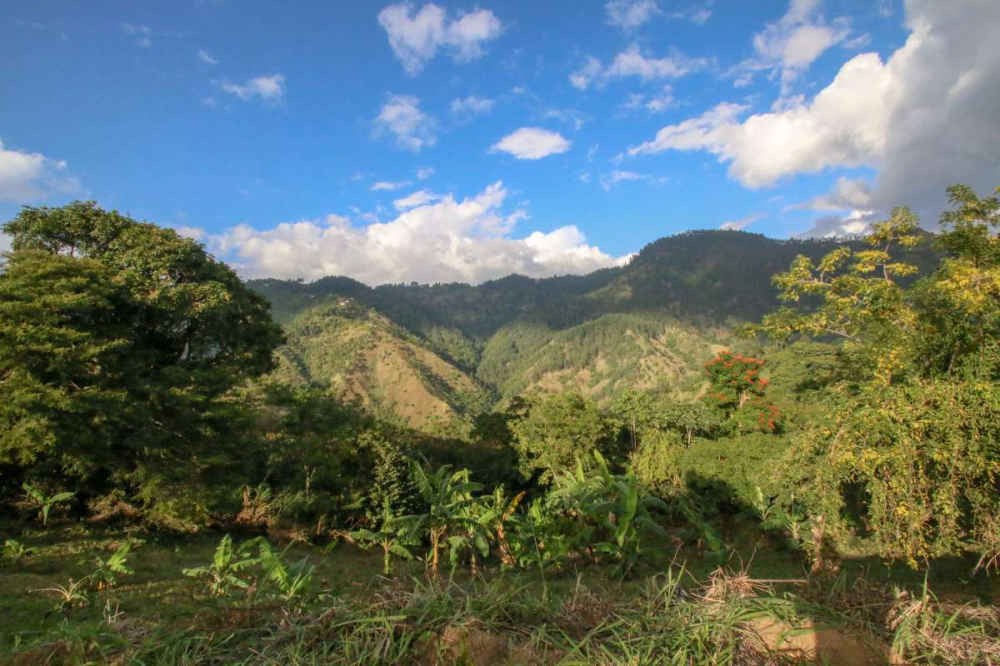
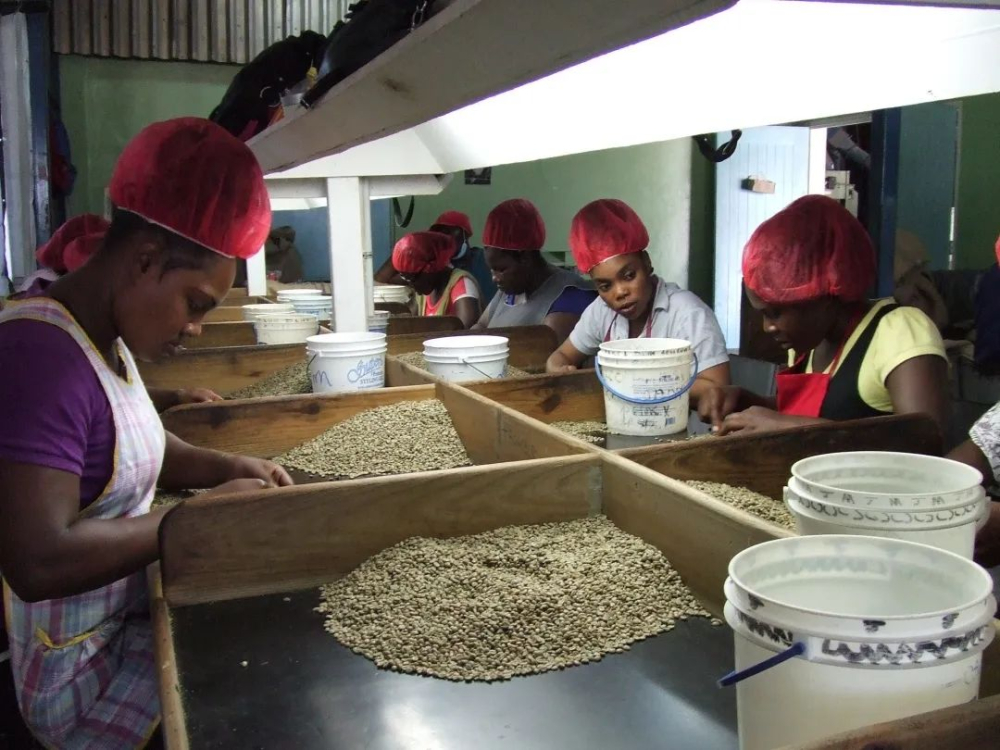
Jamaican Blue Mountain coffee is scientifically graded by the CIB based on bean size, defect rate, and cupping performance. Before export, coffee beans undergo screening and inspection and are categorized into Blue Mountain No. 1, Blue Mountain No. 2, Blue Mountain No. 3, and Blue Mountain Peaberry. Among these, Blue Mountain No. 1 is the highest grade, requiring green beans to be 17 mesh size or larger, with a defect rate below 3% and moisture content of around 13%. When cupped, Blue Mountain No. 1 demonstrates intense aroma, smooth mouthfeel, low acidity, and a long-lasting aftertaste, making it a prized choice among coffee lovers.
To ensure the beans maintain their quality during transport, Jamaica uses traditional handcrafted wooden barrels for green coffee. These barrels are modeled after the bonifieur barrels originally used for transporting flour on the island of Guadeloupe. Today, they have become a unique symbol of Blue Mountain coffee. Every batch of genuine Blue Mountain coffee comes with a certificate issued by the Jamaica Coffee Industry Board and proof of origin, and the barrels can also be seen in some specialty shops.
In terms of roasting, this brand employs a medium-dark roast to fully highlight the chocolate and nut aromas of Blue Mountain coffee while retaining moderate acidity and sweetness, resulting in a more balanced overall flavor. This roasting style accentuates the classic traits of Blue Mountain coffee and is a preferred choice among many coffee experts.
To identify the authenticity of Blue Mountain coffee, you can start by examining several factors. First, due to its limited production, Blue Mountain coffee is generally not cheap—if you come across “Blue Mountain beans” at suspiciously low prices, they are likely blends or counterfeit products. Second, genuine Blue Mountain coffee offers rich and lingering chocolate and roasted hazelnut aromas, with a layered mouthfeel and a well-balanced acidity, sweetness, and bitterness—no single flavor should dominate. Furthermore, you can request that the seller provide official Jamaican certificates and proof of wooden barrel packaging, both of which are key indicators of authenticity.
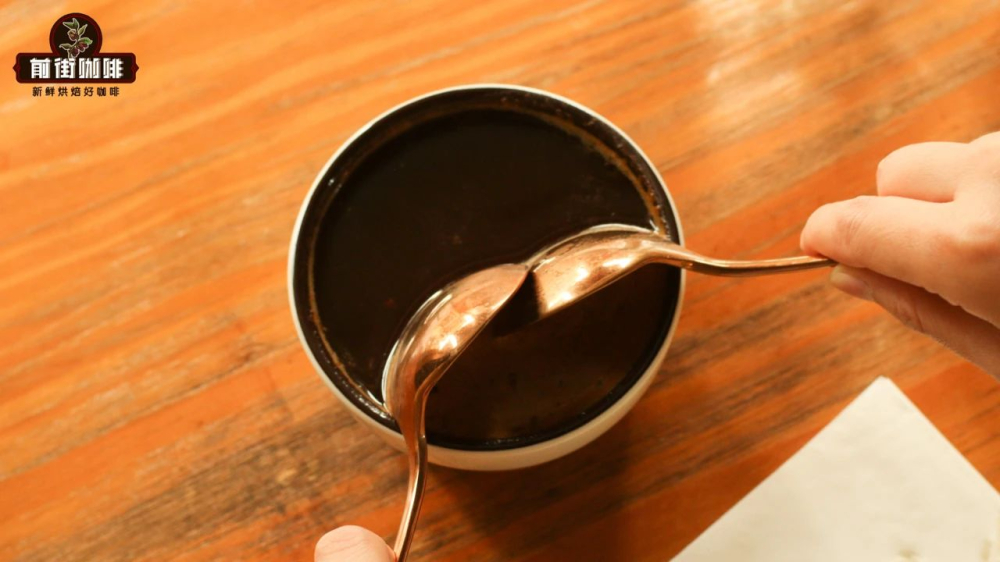
If you’ve purchased Blue Mountain No. 1 coffee beans and want to brew them at home to achieve the best flavor, you can refer to the following professional pour over recommendations. First, make sure the coffee beans are freshly roasted—it’s ideal to use beans roasted within the last 5 days to get the most complete aromatic expression. The Blue Mountain No. 1 produced by this brand are all freshly roasted, ensuring the flavors are at their peak.
It is recommended to use a KONO filter for extraction. Its smooth curved upper design allows the filter paper to adhere tightly, and when paired with immersion-style brewing, it helps enhance coffee concentration and body. If you don’t have a KONO filter, you can also opt for a Kalita wave dripper, a cake dripper, or a French press—tools that offer a slower flow rate. The recommended grind size is equivalent to 75% passing through a standard #20 sieve, roughly the coarseness of coarse sugar, paired with 88°C water temperature to avoid over-extraction and showcase the delicate flavors of Blue Mountain coffee.
Suggested pour over parameters are as follows: water temperature 88°C, grind size similar to coarse sugar (75% passing through a #20 sieve), coffee dosage 15g, coffee-to-water ratio 1:15, using the three-pour method. The first pour is 30g of water for a 30-second bloom; the second pour brings the total to about 125g, poured in a circular motion; once the water level drops halfway, the third pour adds water up to 225g, with a total extraction time of about 2 minutes.
Blue Mountain No. 1 coffee presents intense dark chocolate aromas and a full-bodied mouthfeel at high temperatures, with distinct almond aftertastes. As it cools, roasted hazelnut and creamy sweet notes gradually emerge, accompanied by soft acidity and caramel-like sweetness. The aroma lingers enduringly, leaving a memorable and delightful finish.
The above content is compiled by CoffeeHunters, a coffee news website.


